

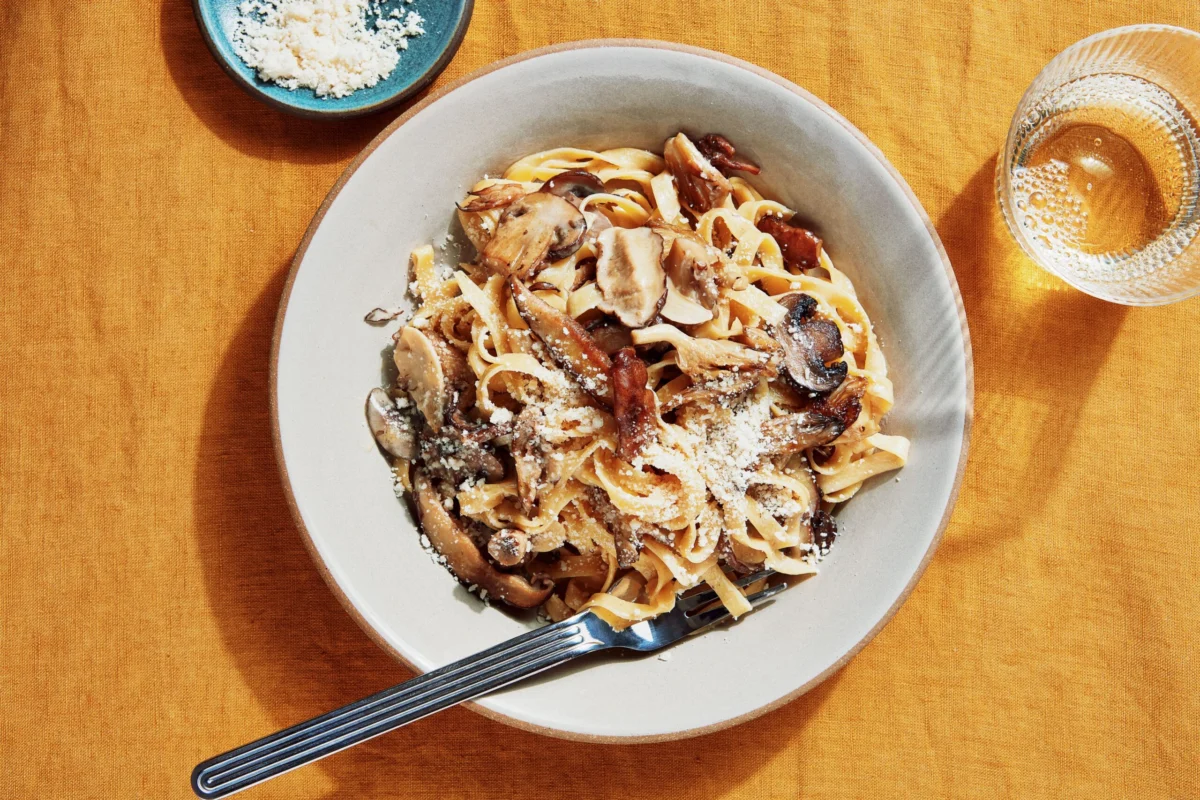
The culinary landscape is abuzz with the unveiling of a new recipe poised to redefine autumnal comfort food: a creamy umami mushroom pasta that leverages a sophisticated blend of flavors to deliver a profound yet balanced sensory experience. Heralded by prominent food publications, this dish is quickly being identified as a must-try for the crisp fall air, masterfully combining earthy mushrooms with a powerful "umami bomb" trio of miso, Parmesan, and a touch of soy sauce. Far from merely being another pasta dish, this recipe represents a thoughtful fusion of technique and ingredients, promising a luxurious, creamy texture without the heaviness often associated with such preparations. Its immediate appeal lies in its ability to magnify the inherent qualities of mushrooms, making it an instant bookmark for enthusiasts and a significant entry into the seasonal cooking repertoire.
The strategic timing of this recipe’s introduction coincides perfectly with the transition from summer’s light fare to autumn’s more robust and warming dishes. As temperatures dip and the leaves begin to turn, consumer demand invariably shifts towards comforting, hearty meals that offer both sustenance and a sense of coziness. This mushroom pasta, with its deep flavors and rich texture, is ideally positioned to meet this seasonal culinary imperative, offering a sophisticated yet accessible option for home cooks looking to embrace the flavors of fall.
The Genesis of a Fall Staple: A Culinary Innovation Unveiled
At the heart of this much-discussed recipe is a carefully calibrated balance of ingredients designed to maximize flavor impact. The core appeal revolves around the ubiquitous and versatile mushroom, a staple in fall cuisine due to its earthy notes and ability to absorb and enhance other flavors. What elevates this particular recipe, however, is the ingenious incorporation of three distinct, potent umami sources: miso, Parmesan cheese, and soy sauce. This "hardworking trio" is not merely added for complexity but functions as a synergistic flavor enhancer, creating a depth that is both profound and harmonious.
Miso, a traditional Japanese seasoning produced by fermenting soybeans with salt and koji (a fungus), brings a savory, slightly sweet, and earthy complexity. Its paste-like consistency also contributes to the sauce’s body. Parmesan, the renowned Italian hard cheese, is a powerhouse of savory notes, rich in glutamates that are key to the umami sensation. Its salty, nutty profile is a classic complement to pasta and mushrooms. Finally, a touch of soy sauce, another fermented product, adds a salty, savory, and slightly sweet dimension, bridging the flavors and adding an extra layer of depth without making the dish taste overtly Asian. Culinary experts suggest that this specific combination is a testament to modern culinary innovation, where global ingredients are thoughtfully integrated into traditional Western dishes to create novel and elevated experiences. The result is an "umami bomb" that, as described by early reviews, doesn’t overwhelm but rather magnifies the best of earthy mushrooms, enveloped in luscious noodles coated in a creamy, yet remarkably light, sauce.
Strategic Timing: Embracing the Autumnal Culinary Shift
The launch of such a recipe in early fall is a calculated move within the food media landscape. Data from various food trend analyses consistently show a pronounced shift in consumer preferences during seasonal transitions. As the "crisp fall air sets in," there is a collective yearning for comfort food – dishes that evoke warmth, nostalgia, and satisfaction. This demand is not just anecdotal; market research indicates a significant uptick in sales for ingredients associated with hearty, slow-cooked, and warming meals, including root vegetables, squash, and, critically, mushrooms.
According to a report by the National Restaurant Association, autumn menus typically feature an increase in dishes incorporating richer sauces, roasted ingredients, and savory profiles. Similarly, home cooking trends, as tracked by major recipe websites and food blogs, show a surge in searches for "comfort food," "fall recipes," and "hearty meals" from late September through November. The creamy umami mushroom pasta fits perfectly into this seasonal narrative, providing an elevated interpretation of a classic comfort food genre. It offers an appealing alternative to traditional heavy cream-based sauces by achieving richness through flavor depth rather than sheer caloric density, aligning with contemporary desires for both indulgence and a sense of wellness.
The Science of Savor: Unpacking the Umami Profile
The concept of umami, often described as the "fifth taste" alongside sweet, sour, bitter, and salty, is central to the appeal of this pasta dish. Discovered by Japanese chemist Kikunae Ikeda in the early 20th century, umami is primarily associated with the amino acid glutamate and certain ribonucleotides. Its presence signals protein, delivering a deeply satisfying, savory mouthfeel that lingers and enhances other flavors.
In this recipe, the selection of miso, Parmesan, and soy sauce is a masterclass in umami synergy. Miso, rich in glutamic acid, contributes a complex, fermented savoryness. Parmesan cheese, particularly aged varieties, is naturally high in glutamate, providing a sharp, salty, and profoundly savory base. Soy sauce, a fermented condiment, also boasts a high glutamate content, along with a complex array of other flavor compounds that round out the savory profile. When these three ingredients are combined, their individual umami components interact, creating a magnified effect known as synergy. This means the overall umami taste is greater than the sum of its parts. Furthermore, mushrooms themselves are excellent sources of naturally occurring glutamates, especially dried mushrooms or those cooked to a deep brown. By combining the natural umami of mushrooms with these three powerful enhancers, the recipe achieves an extraordinary depth of flavor that is profoundly satisfying without being overly rich or heavy. This sophisticated layering of umami is a key differentiator, moving beyond simple seasoning to a deliberate construction of flavor architecture.
Precision in Preparation: Key Techniques for Pasta Perfection
Beyond the innovative flavor profile, the recipe provides crucial technical guidance that underscores its thoughtful development. These "helpful notes for pasta success" are not mere suggestions but fundamental principles for achieving optimal results, reflecting a deep understanding of culinary science.
1. Pasta Selection: The recommendation for egg-based noodles, specifically fettuccine, is deliberate. Unlike standard durum wheat pasta, egg noodles typically have a richer flavor, a softer bite, and a more porous texture that allows them to absorb sauces more effectively. The mentioned brands, Rummo and De Cecco, are known for their quality, with their "nests" cooking significantly faster than straight pasta, almost mirroring the speed of fresh pasta. This not only speeds up meal preparation but also contributes to the desired al dente texture that is critical for a balanced pasta dish. The choice of pasta type is paramount to ensuring the noodles perfectly complement and carry the creamy sauce, rather than merely acting as a vehicle.
2. Mushroom Sautéing Mastery: One of the most counter-intuitive yet vital tips provided is the instruction to salt mushrooms early in the cooking process. Traditional wisdom often dictates against salting mushrooms too soon, fearing it will draw out moisture and prevent browning. However, this recipe advocates for "just a bit of salt" at the outset. Culinary experts explain that this technique, while initially releasing a "pool of water," is precisely what allows for eventual crisp-browned edges. The salt rapidly extracts moisture, which then evaporates, leaving the mushrooms dry enough to caramelize and develop deep, savory flavors through the Maillard reaction. This ensures the mushrooms are not just cooked but intensely flavorful, a critical component of the dish’s overall umami profile. Patience during this stage, allowing the water to fully evaporate before browning commences, is essential for unlocking the mushrooms’ full potential.
3. The Crucial Role of Pasta Water: Perhaps the most frequently cited secret to restaurant-quality pasta sauces is the judicious use of reserved pasta cooking liquid. This recipe emphatically highlights its "critical" role. The starchy water leftover from cooking pasta is a culinary goldmine. As the pasta cooks, it releases starches into the water, creating a slightly cloudy, viscous liquid. When added to a sauce, this starchy water acts as a natural emulsifier, helping to bind fats (like those from Parmesan) and liquids, creating a silky, creamy texture without the need for excessive butter or heavy cream. It also helps to thin the sauce to the perfect consistency, allowing it to cling beautifully to the noodles. The advice to transfer al dente noodles directly from the pot to the skillet, allowing "any residual water come with it," is a clever technique to ensure no precious liquid gold is accidentally drained away, thereby maximizing the sauce’s luxuriousness and adhesion to the pasta.
Industry Reactions and Market Implications
The launch of a recipe of this caliber, especially from a respected culinary platform, rarely goes unnoticed by the broader food industry. Culinary experts and chefs are already weighing in, praising its innovative yet approachable nature. "This recipe is a brilliant example of how to elevate comfort food through thoughtful ingredient pairing and precise technique," stated a prominent food critic. "The umami layering is sophisticated, yet the instructions are clear enough for any home cook to achieve impressive results."
Food industry analysts predict that the recipe’s growing popularity could have tangible market implications. There is an anticipated surge in demand for key ingredients such as specialty mushrooms (beyond standard button varieties), quality miso pastes, and specific brands of egg-based fettuccine. "We’re likely to see an uptick in sales for ingredients like white miso and premium Parmesan as home cooks seek to replicate this dish," noted a food market analyst. "Recipes like this often drive specific product trends, influencing purchasing habits and even grocery store stocking decisions."
Beyond ingredients, the recipe’s success reinforces broader consumer trends. The desire for "elevated comfort food," dishes that combine the familiarity of home cooking with sophisticated flavors and techniques, continues to grow. Furthermore, the increasing openness to global flavors, particularly from Asian cuisines, in mainstream Western cooking is evident. This pasta serves as an excellent gateway, introducing ingredients like miso and soy sauce in a comforting, familiar format. Social media engagement is expected to be high, with home cooks sharing their renditions, further amplifying its reach and solidifying its status as a fall favorite.
The Broader Culinary Landscape: Elevated Comfort and Global Flavors
This creamy umami mushroom pasta is more than just a seasonal dish; it is a microcosm of current global culinary trends. It embodies the movement towards "elevated comfort," where familiar, soul-satisfying foods are given a refined twist, often through the integration of diverse flavors and advanced techniques made accessible to the home cook. This trend reflects a desire for both indulgence and culinary exploration, moving beyond simplistic comfort food to a more nuanced appreciation of taste and texture.
The recipe also highlights the increasing fluidity of global cuisine. The seamless integration of Japanese miso and soy sauce into a classic Italian-inspired pasta dish is a testament to the breaking down of traditional culinary boundaries. This "fusion cuisine" is no longer a niche concept but a mainstream expectation, driven by adventurous palates and the accessibility of international ingredients. Publications like Bon Appétit play a crucial role in this evolution, acting as tastemakers and educators, guiding home cooks through new flavor territories while ensuring the recipes remain achievable and delicious. By demystifying ingredients and techniques, they empower individuals to experiment and expand their culinary horizons, transforming ordinary weeknight meals into extraordinary dining experiences.
Conclusion: A Harbinger of Fall’s Culinary Delights
In conclusion, the creamy umami mushroom pasta recipe has swiftly emerged as a significant culinary highlight for the impending fall season. Its masterful blend of earthy mushrooms with the synergistic power of miso, Parmesan, and soy sauce creates an unparalleled depth of flavor, delivered in a comforting yet remarkably balanced creamy sauce. Coupled with precise technical guidance on pasta selection, mushroom preparation, and the indispensable role of pasta water, the recipe offers both an exceptional dining experience and an educational journey for the home cook.
Beyond its immediate appeal as a delicious meal, this dish serves as a barometer for contemporary culinary trends, reflecting a widespread embrace of elevated comfort food, global flavor integration, and a sophisticated understanding of taste. As the days shorten and the demand for warming, satisfying meals grows, this creamy umami mushroom pasta is poised to become a beloved fall staple, inspiring countless kitchens and further solidifying the influence of thoughtful recipe development in shaping our seasonal culinary desires. Its unveiling is not just the release of a recipe, but a noteworthy event in the ongoing narrative of how we eat and connect with food.
