

The Red Sea, a crucial artery for global commerce, has recently become a focal point for geopolitical tension, primarily due to attacks by Houthi rebels on international shipping. While these incidents, targeting oil tankers and infrastructure, dominate contemporary headlines, the historical significance of this vital waterway is intrinsically linked to a different dark, liquid commodity: coffee. The Yemeni port of Mocha, once the undisputed nexus of the global coffee trade, built its formidable fortunes on the cultivation of coffee beans in the nation’s highlands. From Mocha, these beans were dispatched to markets across the Middle East, Europe, and beyond, transforming the port into a vibrant, cosmopolitan hub where merchants from Arabia, India, Africa, and Europe converged. The very name "Mocha" became synonymous with the coffee that traversed these ancient trade routes, a legacy that centuries later would extend to the ubiquitous Moka pot, an Italian invention that brought espresso-style coffee into homes worldwide. The story of this beloved beverage, deeply ingrained in modern culture, traces its origins back through centuries of maritime trade to this Yemeni port.
Today, Yemen continues to exert an indirect but significant influence on the global coffee market, albeit through circumstances far removed from its historical dominance. Over a quarter of Europe’s total coffee imports originate from Southeast Asia, with Vietnam, Indonesia, and India being the primary suppliers. Historically, the vast majority of this coffee traversed the Red Sea en route to European markets via the Suez Canal. However, since late 2023, persistent Houthi attacks have rendered this route perilous. Consequently, a substantial number of vessels navigating between Asia and Europe have been compelled to reroute around the Cape of Good Hope. This significant detour, spanning an additional 11,000 kilometers, incurs considerable cost and delays, impacting supply chains and consumer prices globally.
The repercussions of this rerouting are palpable. In Italy, a nation where espresso is a cultural cornerstone, consumers are reportedly experiencing a surge in coffee prices, leading to widespread concern, or "panic," as some reports suggest. This price sensitivity has prompted a shift in consumer behavior, with many European coffee drinkers opting for whole Arabica beans over the more commonly used Robusta, seeking to savor smaller quantities of higher-quality coffee. Industry leaders have voiced grave concerns about the stability of the entire supply chain. The head of Lavazza, a prominent Italian coffee manufacturer, has warned that the coffee sector is under "intense pressure," underscoring the fragility of global trade networks when faced with geopolitical disruptions. This current crisis in the Red Sea serves as a stark reminder of how deeply intertwined Yemen’s history, its economic past, and its present political landscape are with the global coffee trade. The very origins of the Houthi movement itself are, in part, a product of this complex historical legacy.
Mocha’s Golden Age: A Centuries-Long Monopoly
The history of Mocha as a global coffee powerhouse is a narrative that unfolds over three centuries, a tale of ecological management, trade dominance, and eventual decline, the echoes of which still shape the routes of contemporary coffee commerce. From the 16th to the 18th centuries, Mocha held an unparalleled position as the sole conduit for coffee entering the global market. While the coffee plant, Coffea arabica, is indigenous to Ethiopia, it was in the meticulously terraced highlands of Yemen that it was first cultivated on a commercial scale. The ancient Romans had referred to this fertile region as "Arabia Felix" (Happy Arabia), and it was from this land that coffee would eventually derive its species name, Arabica.
The plant’s inherent defense mechanism—caffeine—not only provided the stimulating "buzz" that coffee drinkers have come to cherish but also served as a natural pesticide, deterring insects from its precious beans. In Yemen, Sufi orders initially consumed coffee to remain alert during their nocturnal prayers. Later, Portuguese mariners adopted the beverage to maintain vigilance as they charted new maritime routes to distant ports like Hormuz. The drink’s popularity spread rapidly through the Ottoman Empire and subsequently into Europe, carrying with it the indelible mark of its Yemeni origin, the port of Mocha.
However, this exclusive reign was not destined to last. The allure of Mocha’s profitable monopoly inevitably attracted ambitious traders and, as is often the case in tales of great wealth, a share of enterprising smugglers. One compelling, albeit apocryphal, account attributes the breaking of Mocha’s monopoly to Baba Budan, a Sufi pilgrim. Legend has it that around 1670, Baba Budan ingeniously strapped seven fertile coffee seeds to his body and smuggled them from Mocha to the hills of Mysore in India.
The Dutch East India Company also played a pivotal role in disseminating coffee cultivation beyond Yemen. As early as 1616, they had acquired a coffee plant from Mocha, eventually establishing successful cultivation on the island of Java in the Indonesian archipelago by the 1690s. Another significant transmission occurred when a seedling from Amsterdam’s botanical gardens was presented to King Louis XIV of France. The descendants of this plant were later transported across the Atlantic to Martinique, from where they eventually found their way to Brazil in 1727.
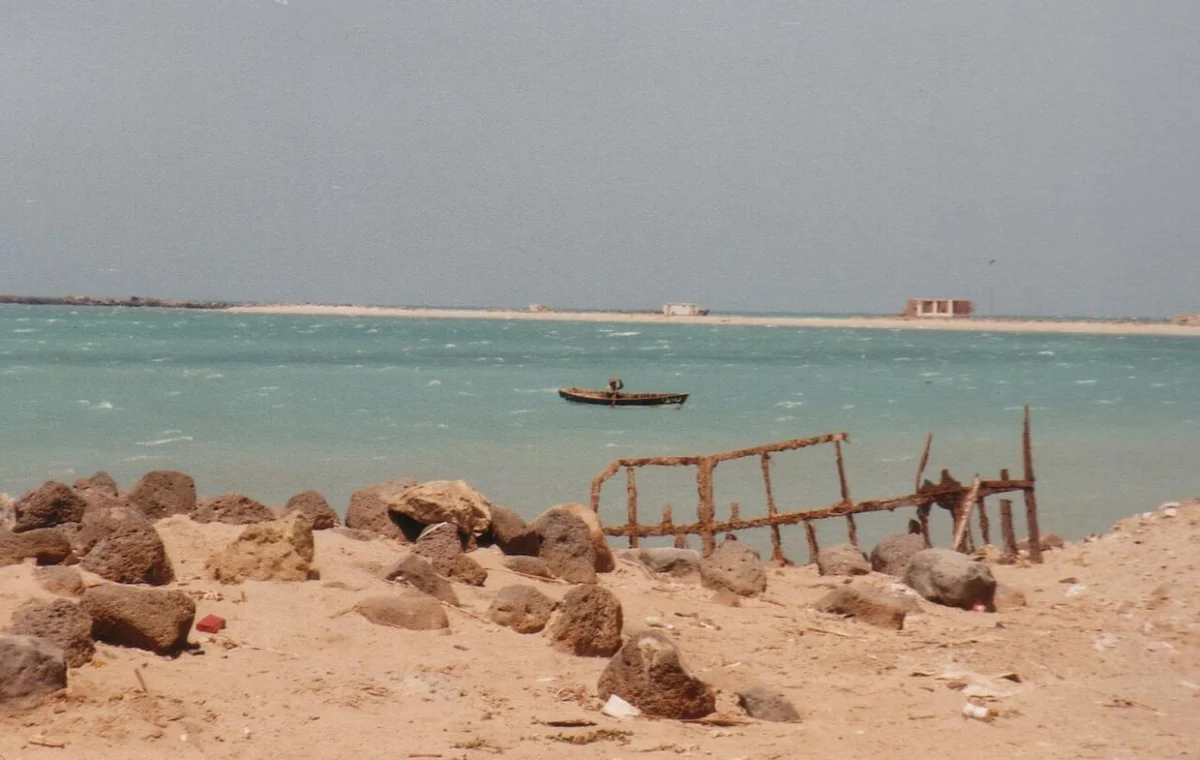
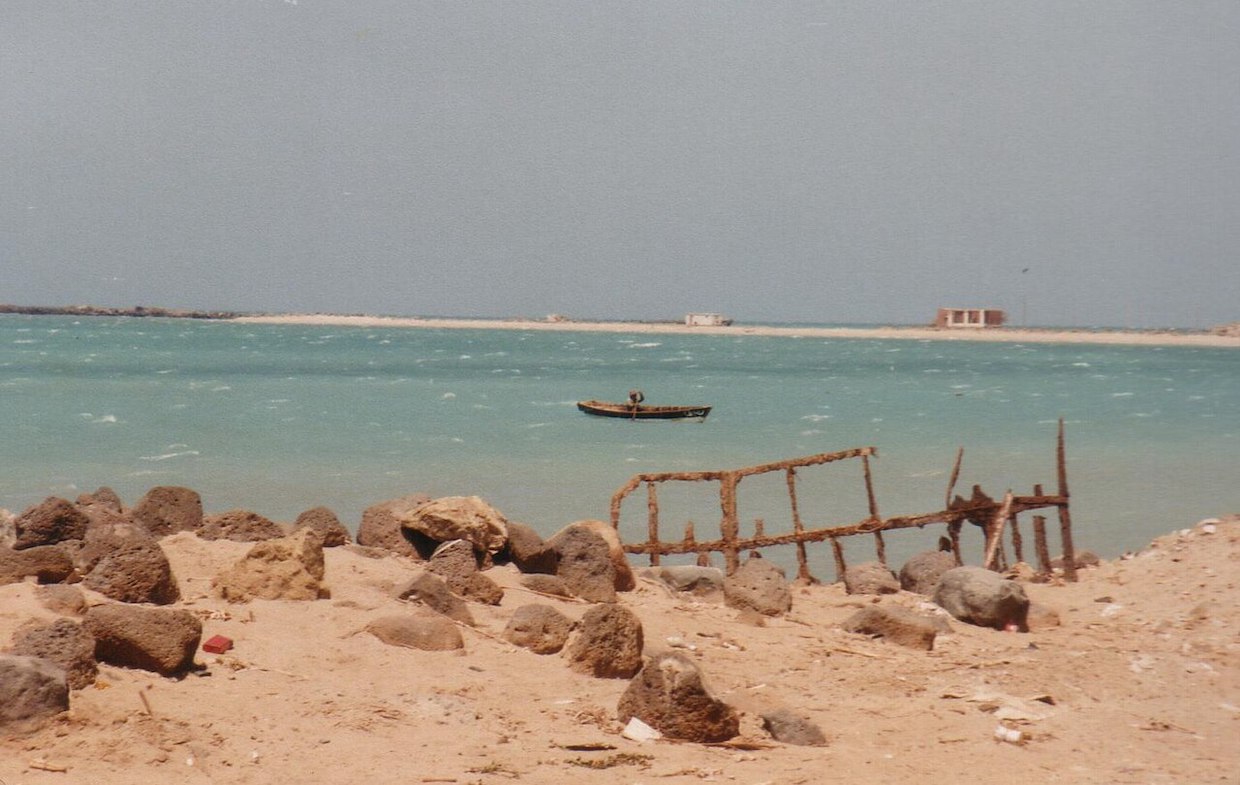
Within a mere century, Mocha’s once unshakeable monopoly had been systematically eroded by these clandestine and systematic plantings worldwide. The port itself began to face challenges; its harbor gradually silted up, diminishing its capacity to handle large vessels. Furthermore, the British establishment of Aden as a major port in 1839 effectively supplanted Mocha’s role as a primary entrepôt. The once-thriving port that had given its name to the world’s most popular beverage transformed into a relatively small fishing town.
Qat, Drought, and the Rise of the Houthis
As global coffee prices plummeted due to increased competition from colonial plantations, Yemeni farmers in the highland regions began to shift their focus to another crop: qat. Qat, a plant whose leaves possess mild narcotic properties, is traditionally chewed by Yemenis, particularly during evening social gatherings. A critical limitation of qat is its rapid loss of potency within hours of being picked, making long-distance export economically unviable.
Beyond its export limitations, qat is an extraordinarily water-intensive crop. It currently consumes over 40% of Yemen’s renewable water resources, in a country where groundwater is being extracted at twice the rate of its natural replenishment. This unsustainable consumption has led to a severe water crisis. Wells around the capital city of Sana’a are now drilled hundreds of meters deep, and projections indicate that Sana’a could become the first capital city in the world to completely run out of water, a fate potentially shared by other major cities like Tehran. Yemen, therefore, not only lost its coffee monopoly to burgeoning production in Java and Brazil but also effectively traded a crop that once fueled its economic prosperity for one that is systematically draining its vital water resources.
This phenomenon of "hydrological bankruptcy" is intrinsically linked to the rise of the Houthi movement, which originated in the impoverished northern regions of Yemen and established its stronghold in the city of Sa’ada. The conflicts that erupted in the 2000s between the Houthis and the central Yemeni government were, in many ways, fueled by a state failure where the collapse of water resources acted as both a symptom and an accelerant. The radicalized Houthi movement of today emerged from a rural landscape characterized by dying wells, failing agricultural lands, and a generation of young men who saw little future in the traditional agrarian economy. While the movement’s grievances are undeniably political, the fertile ground for its expansion was prepared by widespread ecological exhaustion.
In a twist of historical irony, the Houthis inherited the very geographical advantage that once made Mocha prosperous: control over the Bab el-Mandeb strait. This narrow maritime passage, situated at the entrance of the Red Sea between Yemen and Djibouti, is a critical chokepoint for international shipping. As early as October 2016, the Houthis claimed responsibility for the destruction of an Emirati vessel approaching the coast of Mocha. Subsequently, from the same coastline, they launched missiles at a U.S. destroyer. The waters that historically facilitated the global export of Yemen’s prized coffee now serve as a theater for military actions against vessels carrying the very commodity that once defined the region’s wealth.
Despite these challenges, there are ongoing efforts to revive Yemeni coffee cultivation. United Nations agencies are currently funding a "qat-to-coffee" conversion program. This initiative incentivizes Yemeni farmers to transition their land back to coffee cultivation, effectively a form of historical restitution through development policy, aiming to restore a portion of the agricultural heritage that once defined the nation.
Lessons from Vietnam: Resilience in the Face of Ecocide
To fully grasp the profound value of Yemen’s lost coffee trade and to understand potential pathways for economic recovery from ecological devastation, one can look to the Robusta beans currently being rerouted on container ships. This coffee, a staple in many European espresso blends, is overwhelmingly sourced from Vietnam. Vietnam’s coffee-producing regions, much like Yemen’s history, bear the scars of conflict and ecological trauma.
Between 1961 and 1971, during the Vietnam War, U.S. forces deployed over 20 million gallons of military herbicides across southern Vietnam. Approximately 11 million gallons of this were Agent Orange, a potent defoliant that denuded some 3.1 million hectares of forest and mangrove ecosystems. The immediate destruction of over half the mangrove forests in affected zones was so systematic that scientists coined the term "ecocide" to describe the widespread environmental devastation. The soil and water were poisoned by dioxin, leading to long-term health consequences, including cancers, affecting both Vietnamese civilians and American veterans. It took nearly a decade for the land to become arable again.
When Vietnam eventually opened its economy, international donors, including the World Bank, financed the large-scale planting of coffee across its central highlands. This agricultural resurgence often occurred on terrains scarred by wartime deforestation and ecological damage. A nation once considered peripheral to the global coffee trade transformed into the world’s largest producer of Robusta beans.
The rising prices of coffee globally are frequently attributed to factors such as heatwaves, poor harvests, and fluctuating freight rates. While these are significant contributing elements, they represent only a partial explanation. Coffee is a commodity whose global geography has been shaped by a complex interplay of historical forces: colonial monopolies, audacious smuggling, the transplantation of species across continents, and the devastating impact of war. Today, the maps of coffee production and trade are being redrawn by the enduring social and ecological consequences of these historical events. Just as the heatwaves currently impacting Vietnam’s highlands foster a monoculture planted upon the ruins of war, the missiles now launched over the Bab el-Mandeb strait originate from a landscape profoundly altered by the long and intricate history of coffee. The current geopolitical tensions in the Red Sea are, in essence, a contemporary manifestation of a history deeply rooted in the earth’s bounty and human endeavors to control it.
