

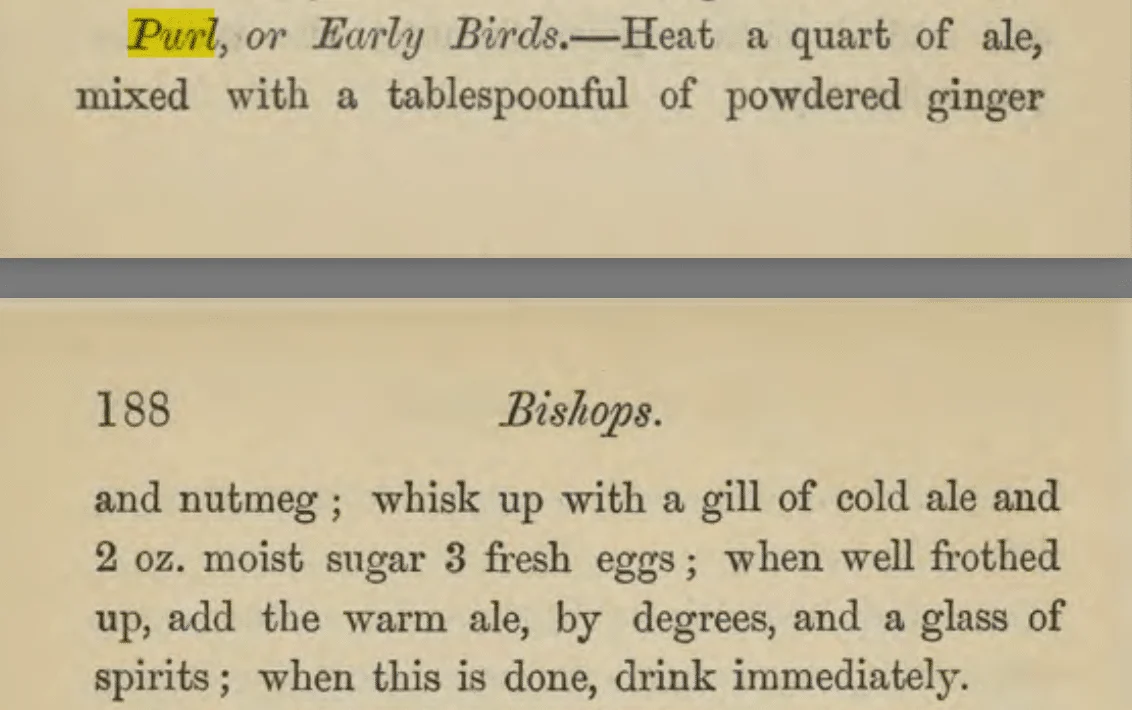
In the contemporary landscape of international bar culture, the Purl is frequently categorized as a straightforward, utilitarian mixture consisting of a measure of gin added to a pint of ale. This modern iteration, often served at cellar temperatures using British Bitter and Old Tom style gin, is a staple of traditionalist beverage menus. However, a deeper investigation into the historical record reveals that the Purl was once a significantly more complex and varied concoction, undergoing a transformation that spans over three centuries of British social and medicinal history. What began as a bitter botanical infusion intended to ward off the bubonic plague eventually evolved into a decadent, heated egg-based flip before finally settling into the minimalist spirit-and-beer combination recognized by bartenders today.
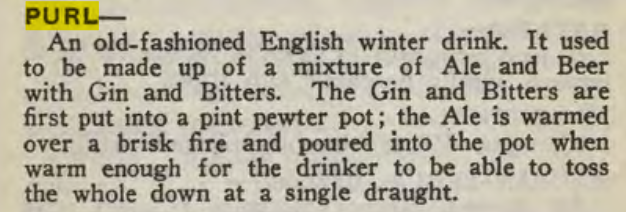
The divergence between the historical Purl and its modern namesake highlights a broader trend in the evolution of mixology, where once-laborious preparations are distilled into simpler forms for efficiency and consistency. To understand the Purl is to understand the shifting priorities of the British drinking public, moving from the desperate health measures of the 17th century to the recreational excesses of the Victorian era and the standardized cocktail manuals of the mid-20th century.
The Medicinal Genesis and the 1665 Plague
The earliest documented iterations of the Purl were strictly functional. In the 17th century, the term did not refer to a cocktail in the recreational sense but rather to a "medicated ale." The primary characteristic of these early versions was the infusion of wormwood (Artemisia absinthium), a bitter herb long prized for its perceived tonic and antiseptic properties.
During the Great Plague of London in 1665, the Purl was elevated from a common tonic to a critical preventative measure. Historical texts, such as the 1665 volume Directions for the Prevention and Cure of the Plague Fitted for the Poorer Sort, explicitly recommended the consumption of Purl. The manual suggested that the "poorer sort" should partake in "a draught or two of Purle… especially in the morning." At this stage, the drink was likely composed of ale or wine steeped with wormwood, providing a bitter, bracing start to the day that was believed to fortify the body against miasma and infection.
The choice of Purl for the lower classes was a matter of economics and availability. While the wealthy might afford exotic theriacs or imported wines, the common Londoner relied on the local alehouse. By infusing cheap ale with bitter herbs, they created a rudimentary form of medicine that was accessible and palatable. This association with the morning hours would persist for centuries, eventually transitioning from a health ritual into a criticized social vice.

Expansion and the Diversification of Ingredients
As the threat of the plague receded, the Purl did not disappear; instead, it integrated further into the British diet. By the late 17th century, the definition of Purl began to expand to include other fermented bases. A 1684 publication titled Aphorisms upon the New Way of Improving Cyder argued that cider-based Purl was just as efficacious as the ale-based variety. This indicates that "Purl" was increasingly becoming a category of drink—specifically, a bittered, fortified beverage—rather than a single, rigid recipe.
The botanical focus remained central throughout this period. The 1690 text An English Herbal continued to extol the virtues of wormwood-infused Purl. The bitterness of the wormwood served a dual purpose: it was believed to stimulate the appetite and aid digestion, making it a logical, albeit potent, "morning constitutional."

The 18th Century: Social Vice and the "Purl-Shop"
By the 1730s, the Purl had transitioned from the pharmacy to the "Purl-shop." This shift marked the beginning of its reputation as a recreational intoxicant. It was during this era that spirits began to be added to the mixture with greater frequency. As gin became more prevalent in London—fueling the infamous "Gin Craze"—it was naturally incorporated into the morning Purl.
This transition did not go unnoticed by social commentators. In a September 1733 edition of The Grub Street Journal, the consumption of Purl was linked to a suite of disparaging habits, including heavy smoking and gin drinking. The journal characterized the "Pots of Purle" as a symptom of moral and physical decay. The drink had become a staple of the "early bird" drinkers—laborers and porters who would visit alehouses at dawn for a warming, fortifying hit of alcohol and herbs before beginning their grueling shifts. This early morning consumption, while rooted in the medicinal traditions of the previous century, was now viewed through the lens of public intoxication and industrial inefficiency.

The Victorian Transformation: The Rise of the Purl-Flip
The 19th century brought about the most complex iteration of the Purl, as it moved into the realm of the "flip." In this era, the drink was no longer just a cold infusion of herbs; it became a heated, rich, and culinary-minded beverage.
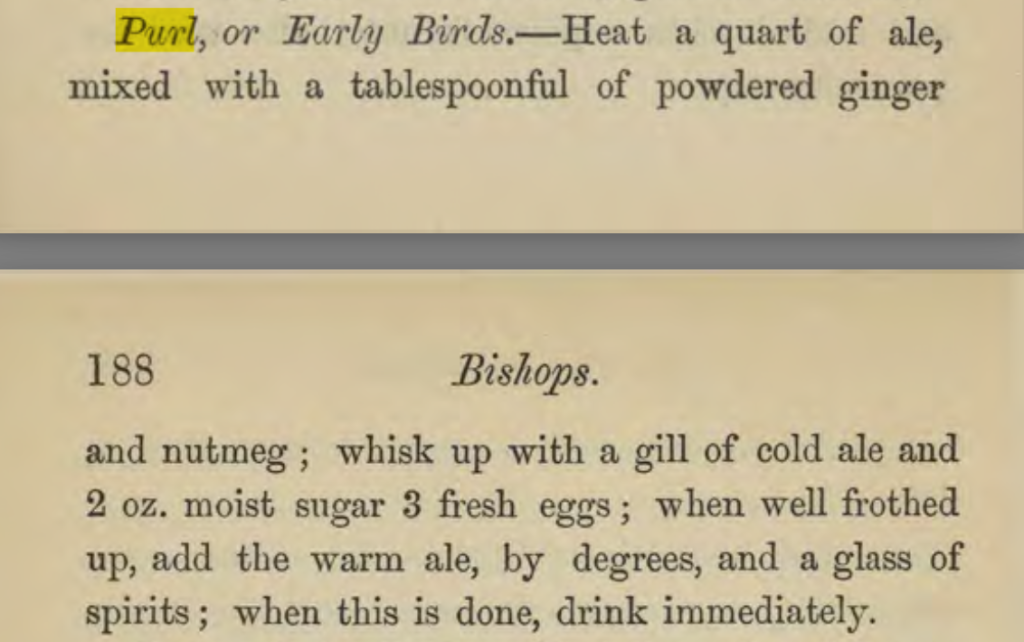
William Terrington’s 1869 work, Cooling Cups and Dainty Drinks, which is often cited as the first definitive British cocktail book, provides a glimpse into this elaborate preparation. Terrington’s recipes for Purl frequently involved warmed beer, the addition of multiple eggs, sugar, and various spices such as nutmeg or ginger. Interestingly, the addition of a spirit was not always mandatory, nor was it strictly limited to gin. Depending on the patron’s preference and the establishment’s stock, the "shot" added to the warmed, frothy ale could be brandy, whisky, or rum.

Terrington also documented a related beverage known as the "Ale Cup." Unlike the general Purl, the Ale Cup specifically called for a combination of gin and ale, serving as a precursor to the modern definition. However, even this was more complex than today’s version, often involving lemon peel, sugar, and various bitters. The Victorian Purl was a labor-intensive product, requiring the skillful heating of ale without curdling the added eggs—a technique that required a hot poker or a careful stovetop hand.
The 20th Century: Standardization and Simplification
The transition into the 20th century saw a dramatic thinning of the Purl’s ingredient list. Several factors contributed to this simplification. First, the medicinal use of wormwood declined as modern pharmacology emerged, and the herb’s association with absinthe led to a general wariness of its safety. Second, the rise of standardized bartending and the decline of the "morning constitutional" meant that the elaborate, heated egg-flips of the Victorian era were no longer practical for most establishments.

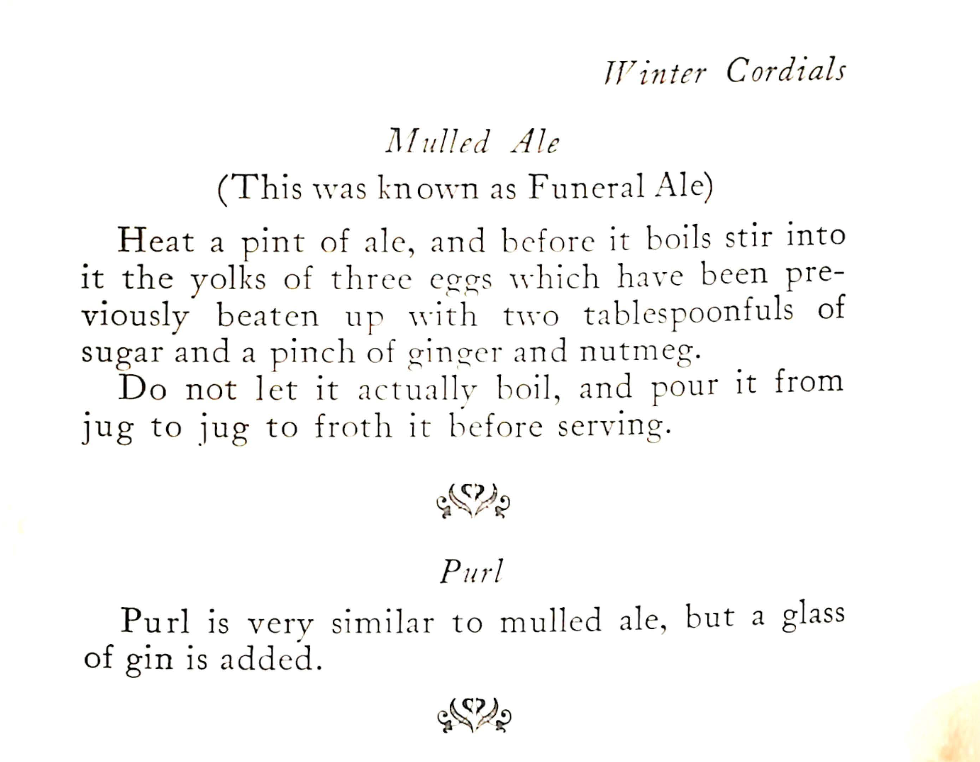
By 1925, publications like Summer Drinks and Winter Cordials began to present a version of the Purl that stripped away the eggs while retaining the warming of the ale and the addition of gin. The bitters, once provided by the wormwood infusion, were now added via bottled aromatic bitters.
The mid-20th century finalized the Purl’s identity as a two-ingredient "boilermaker" variant. The Art of Mixing Drinks (1935) and the 1966 edition of The Barman’s Bible (published by Cocktail and Wine Digest) codified the recipe as gin, ale, and perhaps a dash of bitters. The requirement to heat the ale also began to fade, particularly in international contexts, leading to the modern serving style of cold ale with a gin "fortification."

Technical Analysis of the Modern Purl
In contemporary mixology, the Purl is valued for the interplay between the botanical complexity of gin and the malty, bitter profile of British ale.
- The Spirit: Modern practitioners typically recommend an Old Tom gin. Historically, Old Tom was a slightly sweeter, more robust style of gin that bridged the gap between the malty Dutch Genever and the crisp London Dry. Its residual sweetness balances the heavy bitterness of the ale.
- The Ale: A traditional British Bitter or a mild Porter is the preferred base. These styles offer a low-to-medium carbonation and a temperature profile (cellar temp, approx. 12-14°C) that allows the gin’s aromatics to bloom without being suppressed by extreme cold.
- The Bitters: While wormwood is rarely used in modern bars due to its intense bitterness and regulatory history, Angostura or orange bitters are often used to mimic the herbal complexity of the original 17th-century recipes.
Broader Impact and Cultural Legacy
The history of the Purl serves as a microcosm of the evolution of British social life. It tracks the movement from communal survival during the plague to the industrial-era morning habits of the working class, and finally to the refined nostalgia of the modern craft cocktail movement.
Today, the Purl is experiencing a minor resurgence among "historiographical" bartenders who seek to recreate the elaborate Victorian flips. These modern revivals often reintroduce the heated element and the use of eggs, reclaiming the drink’s status as a complex, culinary experience rather than a quick way to increase the potency of a beer.
The longevity of the Purl, despite its radical changes in composition, speaks to a fundamental human preference for the combination of grain-based fermentation and botanical fortification. Whether consumed as a 1665 plague preventative or a 2024 craft cocktail, the Purl remains a testament to the enduring relationship between the brewery and the distillery. Its journey from a bitter medicine to a simplified bar staple reflects a broader narrative of standardization in the global beverage industry, where the "lost" ingredients of the past—wormwood, ginger, and raw eggs—are only now being rediscovered by a new generation of enthusiasts.
