

The Finnish "Long Drink," known natively as lonkero, has evolved from a temporary solution for a mid-century sporting event into a cornerstone of Finland’s national identity and a growing force in the international ready-to-drink (RTD) beverage market. Originally conceived to streamline alcohol service during the 1952 Summer Olympics in Helsinki, the blend of gin and grapefruit soda has transcended its utilitarian origins. Today, it represents a unique category of alcoholic beverage that is currently undergoing a significant period of global expansion, moving beyond the borders of Northern Europe into major markets across Asia, North America, and the United Kingdom.
The Historical Genesis of the Lonkero
The inception of the Finnish Long Drink was driven by necessity and state-mandated efficiency. As Helsinki prepared to host the 1952 Summer Olympics, the Finnish government and the state alcohol monopoly, Alko, faced a logistical challenge. The country, still recovering from the economic hardships of World War II, expected a massive influx of international tourists. The existing bar infrastructure was deemed insufficient to handle the demand for individual cocktails, which were time-consuming to prepare.
To address this, the government commissioned the beverage company Hartwall to create a pre-mixed, bottled cocktail that could be served quickly to large crowds. The result was the "Original Long Drink." While the 1952 Olympics are often noted by historians for being the first Summer Games since 1912 to exclude art competitions—preventing local literary figures like Aale Tynni from defending previous gold medals—the introduction of the lonkero proved to be a different kind of cultural milestone.
Initially intended only for the duration of the Olympic Games, the beverage’s popularity among both locals and visitors was so profound that production continued. Although the product faced a brief discontinuation in the 1970s, a surge of consumer nostalgia and persistent demand forced its return to the market, where it has remained a staple of Finnish liquor stores and saunas ever since.
Product Profile and Sensory Characteristics
The Finnish Long Drink typically maintains an alcohol by volume (ABV) of between 5% and 8%. While variations exist, the classic formulation relies on a specific balance of London Dry Gin and carbonated grapefruit juice or soda. Unlike many American RTD beverages that utilize a malt base (similar to beer), the authentic Finnish version is spirit-based, providing a cleaner, crisper profile that emphasizes the botanicals of the gin.
Comparative Analysis of Leading Brands
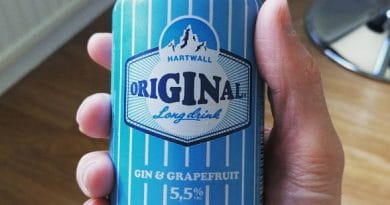
Market leader Hartwall remains the benchmark for the category. The "Hartwall Original" is characterized by a prominent white grapefruit aroma and a palate that is notably less saccharine than contemporary fruit-flavored cocktails. The drink offers an acidic grapefruit entry, followed by mid-palate notes of juniper and citrus depth. The finish is described by industry experts as dry and crisp, sharing more commonalities with a high-quality Gin and Tonic than with a traditional soda-based mixer.
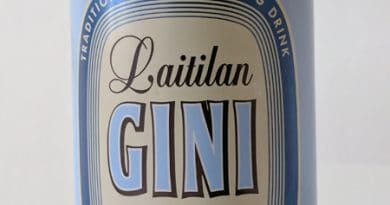
In contrast, competitors such as Laitilan Gini Long Drink offer a different interpretation of the profile. Laitilan’s version tends toward a fruit-forward experience, incorporating notes reminiscent of ruby red grapefruit. However, critics often note that in such variations, the juniper-heavy "London Dry" characteristics of the gin can become overshadowed by the sweetness of the citrus, leading to a profile that favors the soda component over the spirit.
A Chronology of Global Expansion
For decades, the Long Drink remained a localized phenomenon, a "best-kept secret" for those visiting the Nordic region. However, the last decade has seen a concerted effort by Finnish producers to export the lonkero concept to the global stage.
- 1952: Hartwall launches the Original Long Drink for the Helsinki Olympics.
- 1970s: Production is briefly halted before being reinstated due to public outcry.
- 2015: Hartwall enters formal agreements to distribute the beverage in the Netherlands, Belgium, and Sweden, marking the first major push into Western Europe.
- 2016: The brand expands into the Asian market, with a specific focus on Japan, where the "highball" culture aligns well with the Long Drink’s profile.
- 2017–Present: The beverage gains a cult following in the United Kingdom, specifically in metropolitan hubs like Brighton and London, where "quirky" and authentic international spirits are in high demand.
- The North American Push: While the author of the original source material expressed hope for a North American debut, recent years have seen the emergence of "The Finnish Long Drink" brand in the United States, backed by high-profile investors and celebrities. This has effectively introduced the category to the American consumer, albeit often through a slightly modified marketing lens tailored to the U.S. palate.
The Chemistry of Replication: DIY Challenges
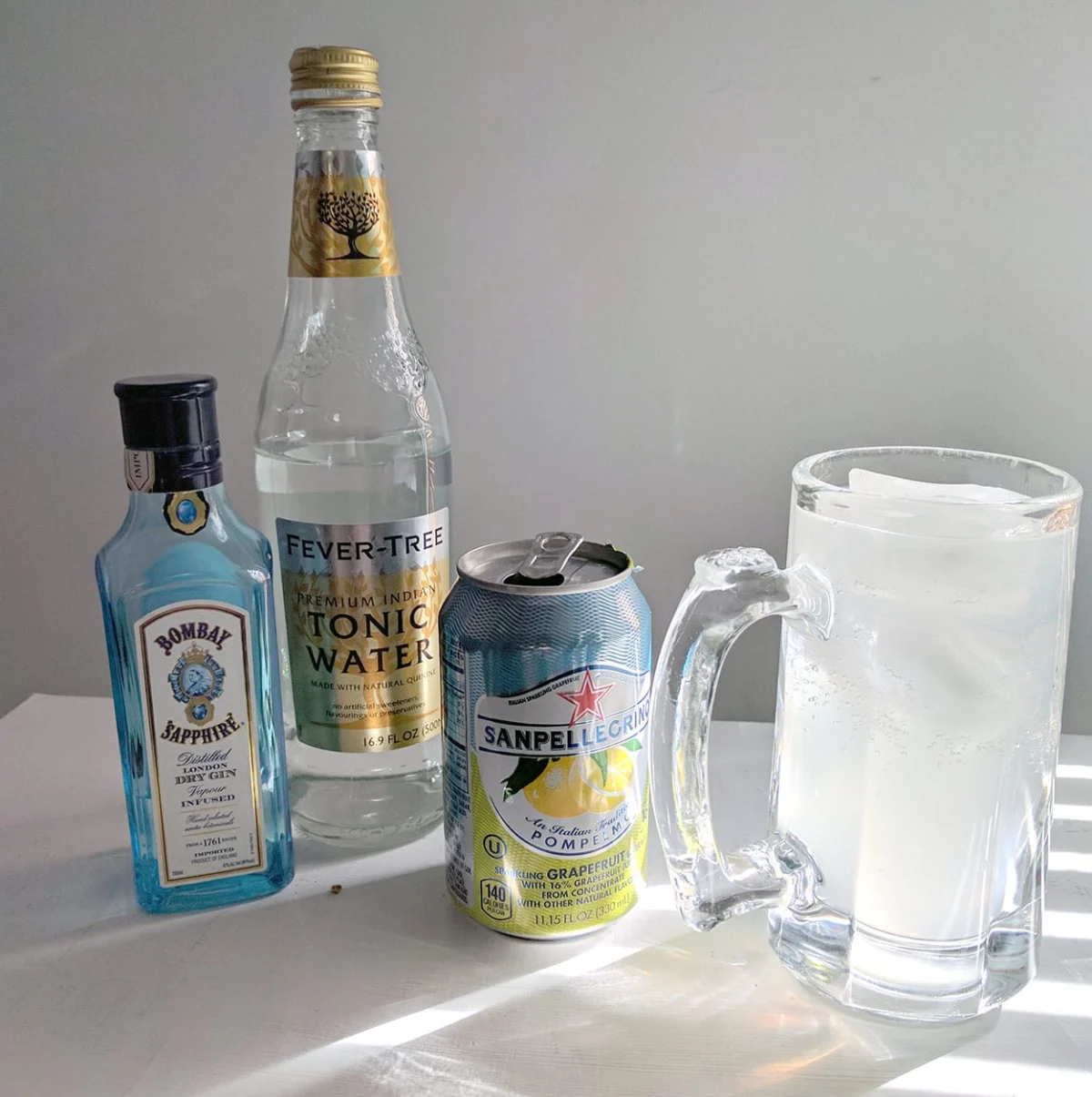
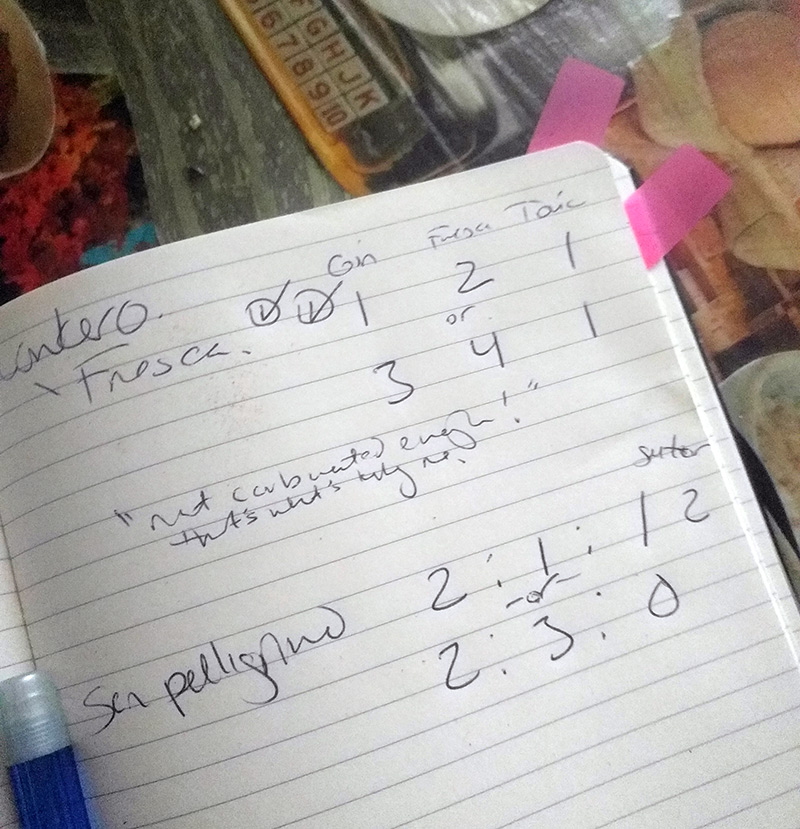
The difficulty of replicating the Finnish Long Drink at home lies in the unique properties of European grapefruit sodas, which often possess a different sugar-to-acid ratio than their North American counterparts. Enthusiasts and mixologists have attempted various domestic substitutions with varying degrees of success.
Evaluating Common Substitutes
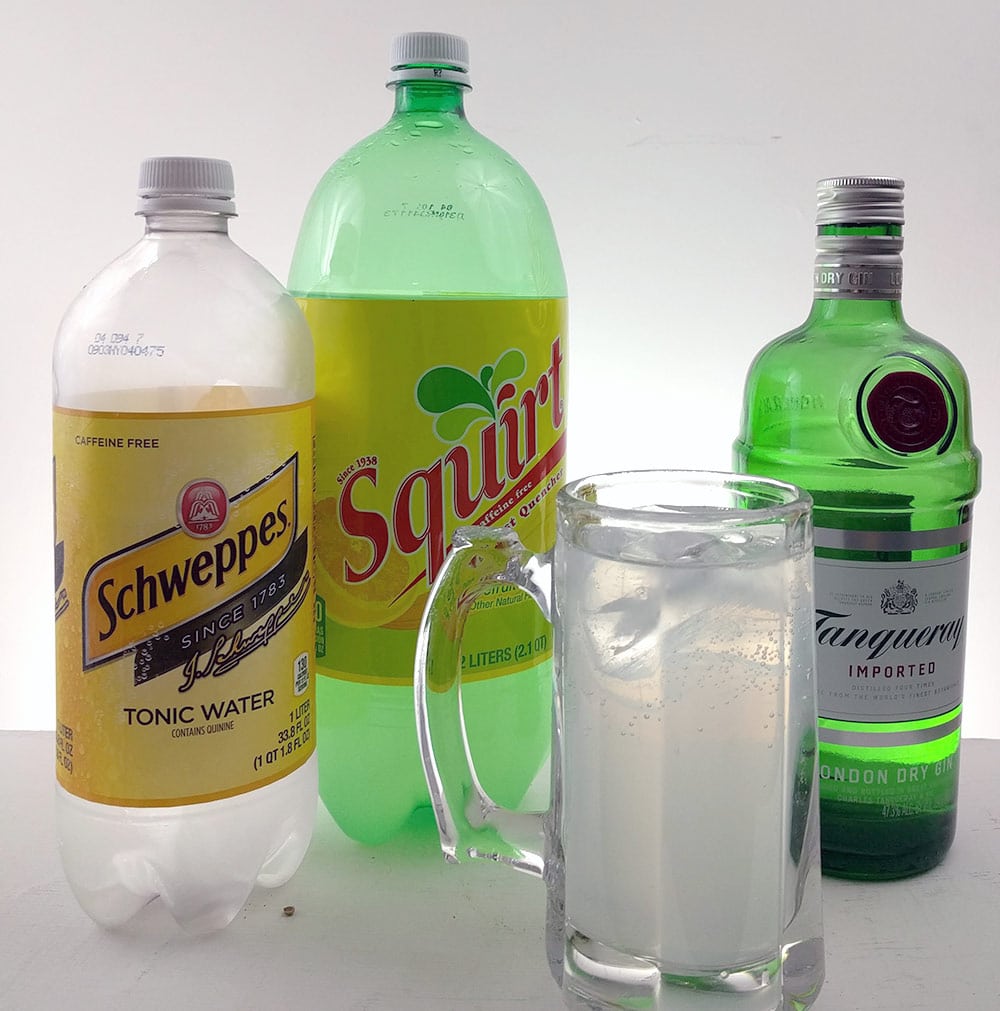
- Squirt (PepsiCo): While widely available, Squirt is often cited as being too sweet for an authentic recreation. Even when balanced with tonic water and a higher ratio of gin, the heavy corn syrup profile of the soda tends to mask the gin’s botanicals.
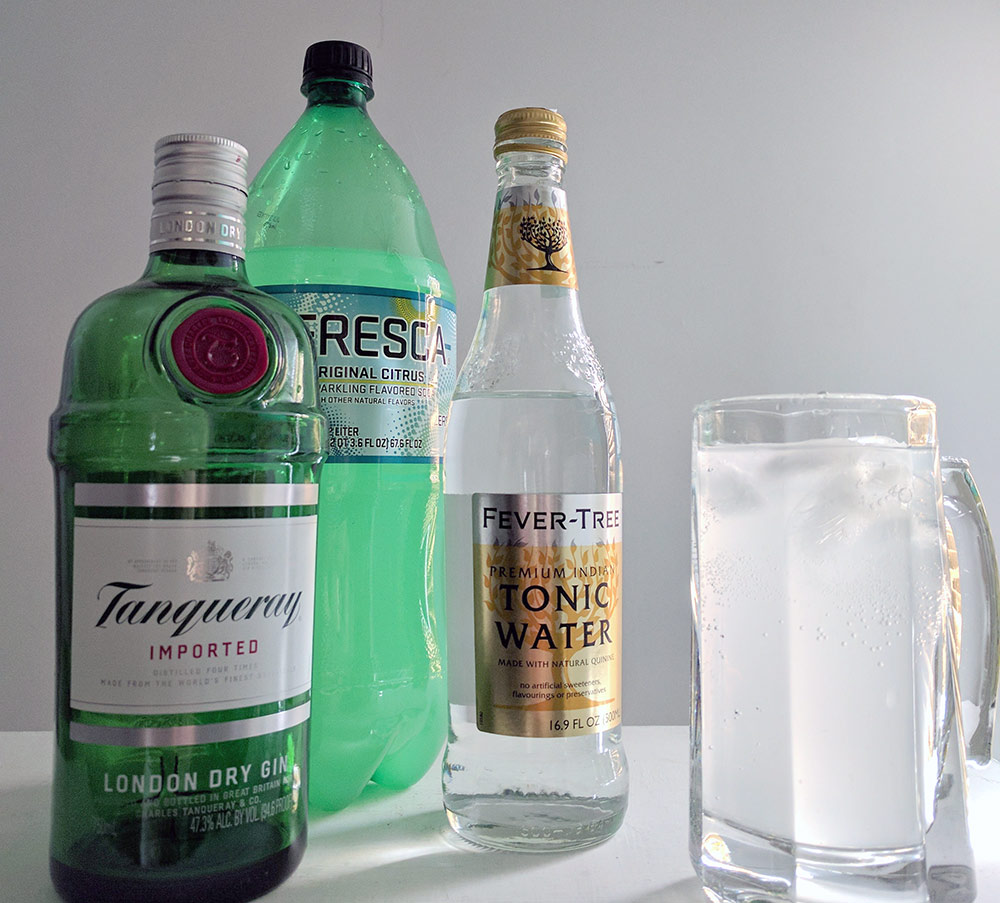
- Fresca (Coca-Cola): Among mass-market sodas, Fresca is frequently identified as the closest approximation. Its use of concentrated grapefruit juice and a more aggressive carbonation level mimics the "Original" profile more effectively than other citrus sodas.
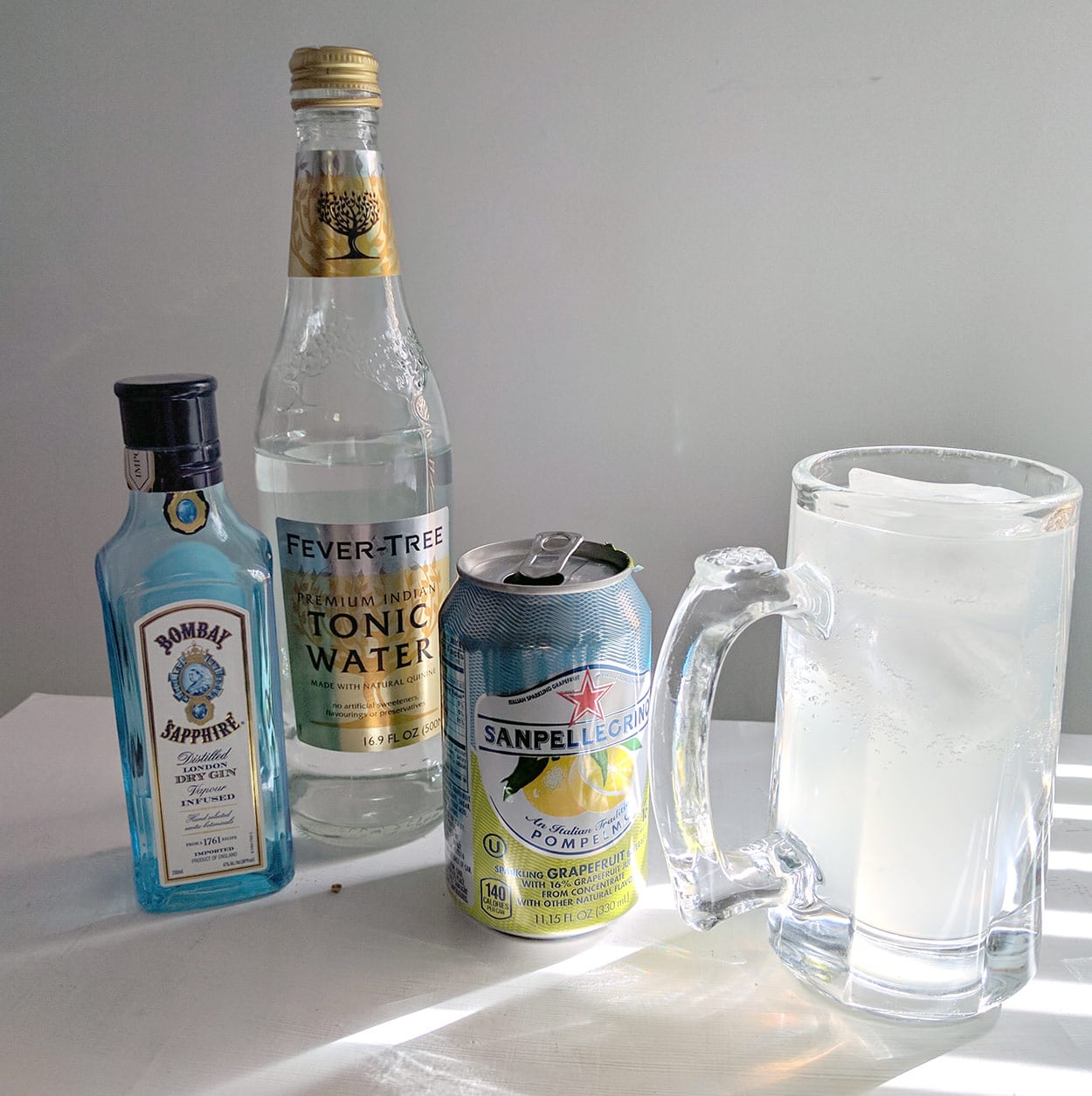
- Sparkling Grapefruit Juices (e.g., Izze, San Pellegrino): Natural sparkling juices provide a superior flavor profile but often fail to replicate the aesthetic of the drink. Authentic lonkero has a cloudy, pale, almost opalescent appearance. Many natural juices are either too clear or too deeply colored (in the case of ruby red varieties).
- Fresh Citrus and Simple Syrup: While a "from-scratch" approach using fresh white grapefruit, lemon juice, and simple syrup creates a high-quality cocktail, it often lacks the specific "nostalgic" note provided by the commercial grapefruit sodas used in the canned versions. This suggests that the lonkero is as much a product of food science and specific carbonation techniques as it is a product of traditional mixology.
Market Implications and the RTD Revolution
The global rise of the Finnish Long Drink coincides with a broader shift in the beverage industry: the explosion of the Ready-to-Drink (RTD) category. Modern consumers are increasingly gravitating toward "premiumized" convenience. The Long Drink sits perfectly at the intersection of this trend, offering the heritage of a classic cocktail with the portability of a canned beverage.
Market analysts suggest that the success of the lonkero outside of Finland is due to its "bridge" status. It appeals to gin drinkers who find tonic water too bitter, and to soda drinkers who are looking for a more sophisticated, less sugary alcoholic option. Furthermore, the drink’s historical connection to the Olympics provides a compelling brand narrative that resonates in an era where consumers value authenticity and "story-driven" products.
Official Industry Perspectives
Representatives from the Finnish beverage industry have noted that the export of the Long Drink is not just about selling a product, but about exporting a Finnish "state of mind." In official statements regarding international expansion, Hartwall executives have emphasized the drink’s association with the Finnish sauna culture and the concept of "uncomplicated refreshment."
Economic data from Finland’s export sector indicates that alcoholic beverages have become a significant component of the nation’s trade profile. The success of the Long Drink has paved the way for other Finnish spirits, such as artisanal gins and vodkas, to find shelf space in international markets.
Conclusion: The Future of Lonkero
The Finnish Long Drink has transitioned from a temporary solution for an Olympic crowd to a permanent fixture in the global spirits landscape. Its journey reflects broader themes in the history of the 20th century: the post-war need for efficiency, the power of consumer nostalgia, and the eventual globalization of local traditions. As it continues to expand into North America and beyond, the lonkero stands as a testament to the idea that a well-crafted, simple combination—gin and grapefruit—can capture the palate of a global audience. Whether enjoyed in a Finnish sauna or a high-end bar in London, the "Long Drink" has officially arrived.
