

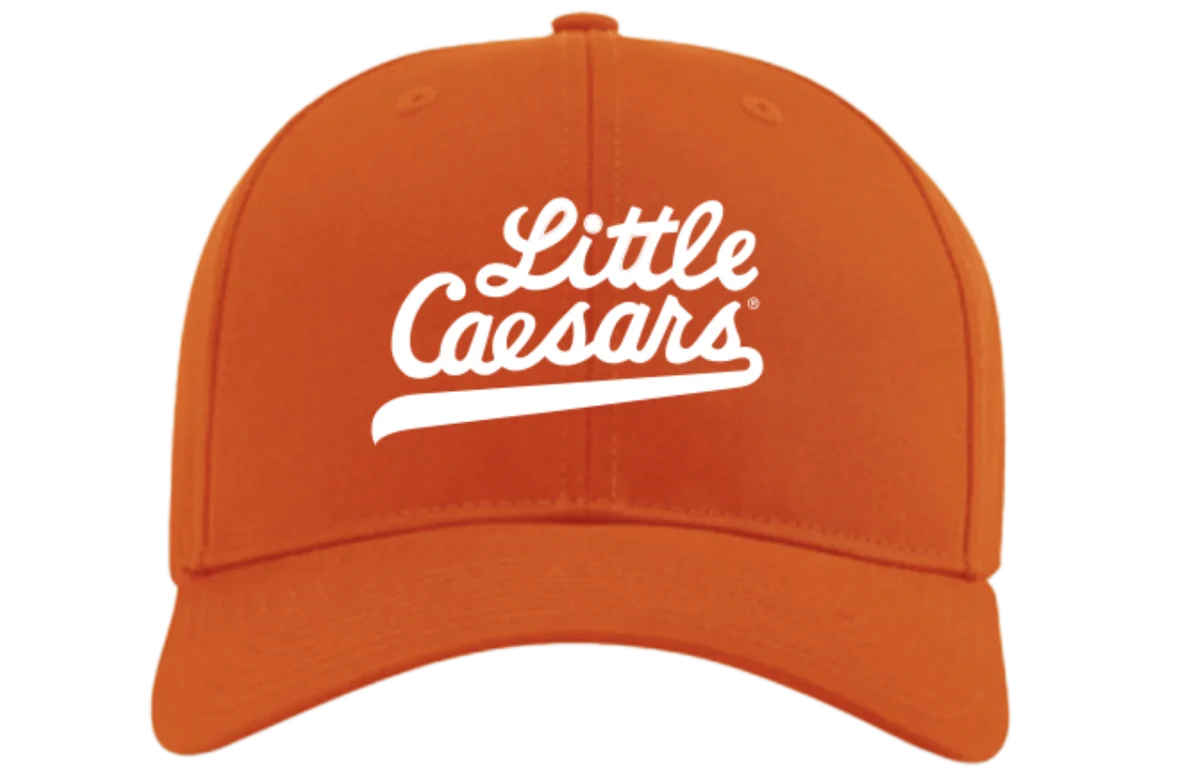
Little Caesars is making a significant move beyond its pizza-centric identity with the debut of its first-ever athletic wear collection, branded as LC Athletics. This strategic expansion into the burgeoning athleisure market is underscored by a high-profile rollout, featuring several prominent NFL players showcasing the collection as they arrive at upcoming games. This initiative marks a pivotal moment for the pizza chain, leveraging its deep-rooted connection with American football and its five-year tenure as the Official Sponsor of the NFL.
The collection, which officially launches this weekend, will be prominently featured by San Francisco 49ers Tight End George Kittle, Los Angeles Rams Cornerback Trent McDuffie, and Kansas City Chiefs Center Creed Humphrey. These athletes, already familiar faces within the NFL landscape and popular with fans, are expected to generate considerable buzz for LC Athletics. Their involvement signifies a calculated effort by Little Caesars to tap into the passion and brand loyalty associated with both the NFL and its star players.
A Nod to Heritage with Modern Appeal
According to Little Caesars, the LC Athletics collection draws inspiration from a vintage, collegiate-prep aesthetic. This design philosophy is evident in the "Vintage 59" pieces, a direct homage to the brand’s founding year in 1959. The collection also incorporates subtle yet distinctive LC monogrammed items, adding a touch of understated luxury and brand recognition. The pricing strategy, ranging between $20 and $60, positions LC Athletics as an accessible yet fashionable option for consumers, aiming to capture a broad market segment that appreciates both style and value.
The initial offering comprises 28 distinct pieces, demonstrating a comprehensive approach to building a functional and stylish athletic wear line. Key items include Carhartt duffel bags, versatile crossbody bags, practical cooler backpacks, a camouflage hoodie for a rugged aesthetic, and a classic waffle-knit shirt, among others. This curated selection suggests an intention to cater to a variety of needs, from everyday wear to specific athletic pursuits and fan gear. The full LC Athletics line is available for purchase exclusively through the brand’s online Hot-N-Ready Shop, a strategic move to consolidate sales and drive traffic to their e-commerce platform.
Strategic Expansion into a Lucrative Market
This foray into athletic wear represents a significant diversification for Little Caesars, moving beyond traditional food service merchandise. It follows a successful, albeit limited, collaboration with George Kittle in 2025, which produced a T-shirt that garnered positive attention and likely served as a precursor to this larger collection. The timing of this launch is particularly noteworthy, coinciding with the pizza chain’s fifth anniversary as the Official Sponsor of the NFL. This dual alignment amplifies the brand’s presence within the football ecosystem, reinforcing its commitment to the sport and its fanbase.
The restaurant industry, in general, has increasingly recognized the lucrative potential of branded merchandise. This trend has seen a surge in "merch wars" among major chains, with nearly all prominent brands actively participating in the market. Competitors like Shake Shack, Chick-fil-A, Noodles & Company, Chili’s, Wendy’s, Portillo’s, Sweetgreen, and Panera have all recently launched or expanded their respective merchandise stores. Even KFC’s innovative Open House prototype in McKinney, Texas, features a dedicated merchandise bag filled with swag and souvenirs, highlighting the broader industry shift towards leveraging apparel and accessories for brand extension and revenue generation.
The Broader Context: Merchandising as a Growth Strategy
The phenomenon of restaurants venturing into apparel and lifestyle products is not merely about selling t-shirts; it’s a multifaceted strategy aimed at deepening brand engagement, fostering a sense of community among consumers, and creating new revenue streams. In an increasingly competitive marketplace, merchandise offers a tangible connection between the brand and its loyal customers. It allows consumers to express their affinity for a particular restaurant, much like they would with a sports team or a favorite musician.
Data from market research firms consistently highlights the growing athleisure market. For instance, reports from Statista indicate that the global activewear market is projected to continue its upward trajectory, driven by increasing health consciousness, the comfort-centric fashion trend, and the widespread adoption of athleisure wear for everyday activities. This robust market provides fertile ground for brands like Little Caesars to establish a foothold.
Furthermore, the integration of NFL sponsorships with merchandise launches is a well-established playbook for brands seeking to capitalize on high-visibility events and passionate fan bases. The NFL boasts one of the most dedicated and engaged fan bases globally, with merchandise sales forming a significant part of the league’s economic engine. By aligning LC Athletics with NFL players and its sponsorship, Little Caesars is tapping into this existing enthusiasm and creating a direct link between fan identity and brand consumption.
Analyzing the Implications: Beyond the Pizza Box
The launch of LC Athletics signifies a strategic evolution for Little Caesars, aiming to transcend its primary product offering and establish itself as a lifestyle brand. This move can have several key implications:
- Brand Diversification and Resilience: By expanding into apparel, Little Caesars is diversifying its revenue streams and reducing its reliance solely on pizza sales. This can enhance the company’s resilience against market fluctuations or shifts in consumer dining habits.
- Enhanced Brand Loyalty: Offering desirable merchandise can foster a deeper emotional connection with consumers. Owning a piece of LC Athletics can make customers feel more invested in the brand, potentially leading to increased frequency of purchase and advocacy.
- Attracting New Demographics: While Little Caesars is known for its family-friendly appeal, the LC Athletics collection, with its stylish and athletic-inspired designs, could attract a younger, more fashion-conscious demographic who may not be regular pizza consumers.
- Competitive Differentiation: In a crowded pizza market, a well-executed merchandise line can serve as a differentiator. It provides an additional touchpoint for consumers and can help Little Caesars stand out from competitors who may have less developed or less appealing merchandise offerings.
- Leveraging Athlete Endorsements: The choice of George Kittle, Trent McDuffie, and Creed Humphrey as ambassadors is a strategic masterstroke. These players are not only talented athletes but also possess significant social media followings and fan appeal. Their endorsement lends credibility and aspirational value to the LC Athletics brand. Kittle, in particular, has demonstrated a knack for effective brand partnerships, making him a valuable asset for this launch.
A Historical Perspective and Future Outlook
Little Caesars’ journey began in 1959 in Garden City, Michigan, founded by Mike and Marian Ilitch. From its humble beginnings, it grew into one of the largest pizza chains globally, renowned for its "Hot-N-Ready" convenience and value proposition. The brand’s association with sports, particularly hockey (through the Detroit Red Wings and Detroit Tigers, also owned by the Ilitch family), has been a long-standing element of its marketing strategy. The expansion into NFL sponsorship and now athletic wear is a natural progression, capitalizing on the enduring cultural significance of sports in America.
The success of LC Athletics will likely depend on several factors, including the quality and design of the apparel, the effectiveness of its marketing campaigns, and its ability to sustain consumer interest beyond the initial launch. The fact that the collection draws from the brand’s heritage, offering both nostalgic "Vintage 59" pieces and contemporary monogrammed items, suggests a thoughtful approach to catering to diverse consumer tastes.
As the restaurant industry continues to explore innovative ways to connect with consumers, Little Caesars’ foray into athletic wear serves as a compelling case study. It demonstrates how a legacy brand can adapt to evolving market trends, leverage strategic partnerships, and expand its identity beyond its core product. The coming months will reveal whether LC Athletics can achieve the same widespread popularity as the pizza that made Little Caesars a household name.
Contact:
Alicia Kelso, Executive Editor, Nation’s Restaurant News
Email: [email protected]
TikTok: @aliciakelso
