

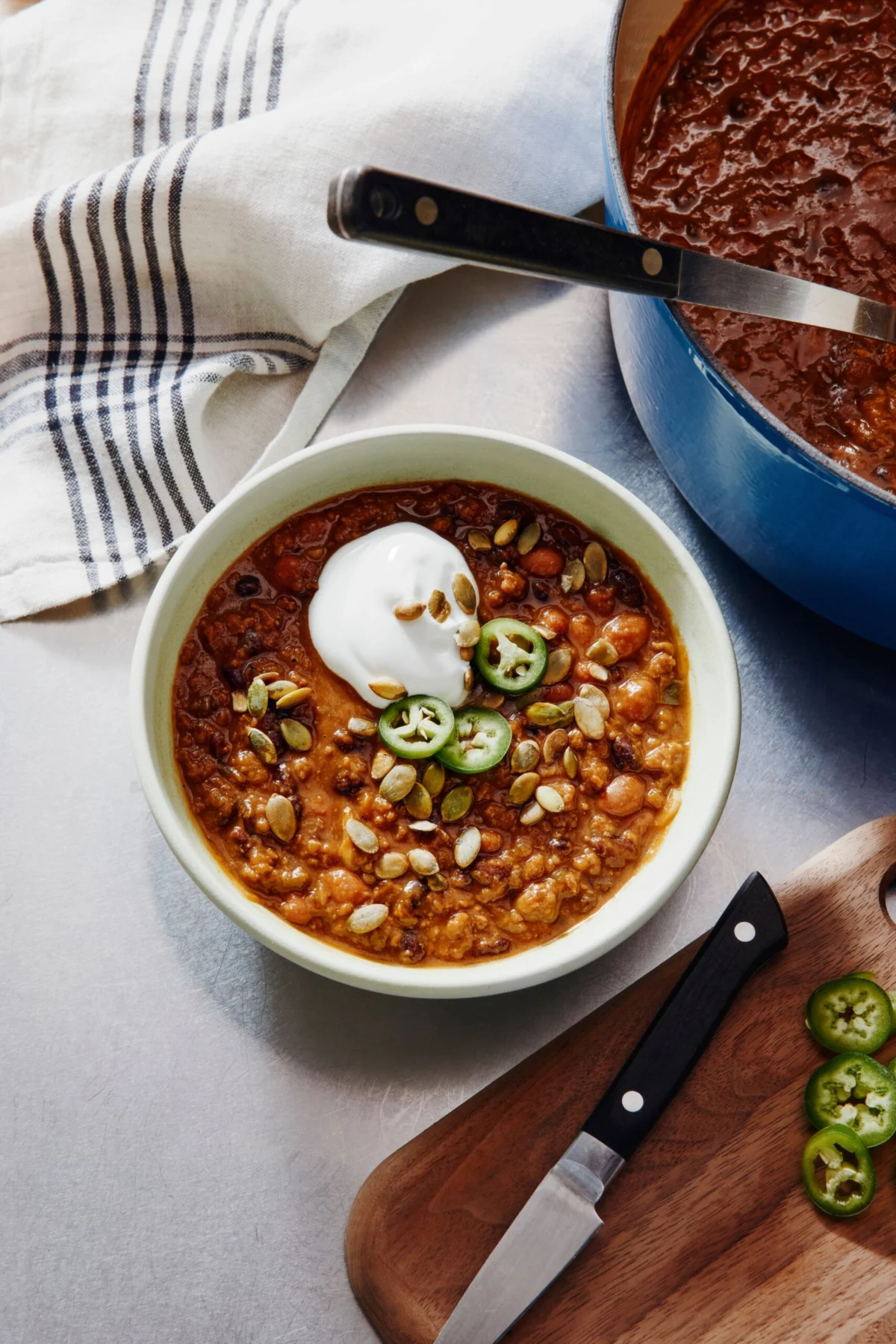
This past week, the culinary landscape, as curated by Bon Appétit, emphatically embraced the rich, earthy flavors of autumn, with a particular emphasis on pumpkin. The roster of most-saved recipes showcased a vibrant blend of comfort and innovation, featuring a pillowy no-knead pumpkin focaccia, a robust weeknight pumpkin chili adorned with jalapeño slices and pepitas, and an effortlessly prepared creamy pumpkin pasta lauded for its "outrageously delicious" character. Beyond the savory, the list also provided substantial breakfast inspiration, notably a big-batch baked oatmeal that creatively channels the beloved flavors of a morning glory muffin, incorporating generous quantities of grated carrots and apple, sweetened with maple syrup to achieve a truly divine result. These selections collectively reflect prevailing trends in home cooking, where seasonal ingredients, ease of preparation, and comforting yet nutritious meals are highly prized by culinary enthusiasts.
The Enduring Appeal of Autumnal Flavors: A Deep Dive into Pumpkin’s Reign
The prominence of pumpkin in this week’s top recipes is not merely a seasonal coincidence but a reflection of its deep cultural and culinary roots, particularly in North American cuisine. Historically, indigenous peoples in North America cultivated pumpkins for millennia, utilizing them for food, medicine, and even as containers. European colonists adopted pumpkin into their diets, and it quickly became a staple, especially during the colder months when other fresh produce was scarce. Its versatility—adaptable to both sweet and savory preparations—cemented its place in traditional dishes, from pies and breads to stews and soups.
In contemporary culinary discourse, pumpkin has transcended its traditional roles to become a symbol of autumn itself. The "pumpkin spice" phenomenon, which gained significant traction in the early 21st century, illustrates the ingredient’s powerful association with fall. While often criticized for its ubiquity, this trend underscores a broader consumer desire for seasonal flavors and the comforting nostalgia they evoke. Beyond the spice blend, actual pumpkin offers a wealth of nutritional benefits, including high levels of Vitamin A (in the form of beta-carotene), Vitamin C, potassium, and dietary fiber, making it a healthy addition to any diet. Its natural sweetness and creamy texture lend themselves well to a diverse array of dishes, from the hearty to the delicate.
Spotlight on Culinary Creations: Deconstructing Bon Appétit’s Top Picks
Each of Bon Appétit’s featured recipes offers a unique take on fall cooking, demonstrating both culinary artistry and practical application for the home chef.
The Art of No-Knead Pumpkin Focaccia
The no-knead pumpkin focaccia, playfully dubbed "fallcaccia," exemplifies a significant trend in modern home baking: achieving artisanal quality with minimal effort. Focaccia, an ancient Italian flatbread, traditionally involves a fairly intensive kneading process to develop gluten and create its characteristic chewy texture and airy crumb. The "no-knead" method, popularized by bakers like Jim Lahey, revolutionized home bread-making by drastically simplifying the process. It relies on a long, slow fermentation period—often overnight—to allow enzymes to break down starches and develop gluten structures naturally, eliminating the need for manual kneading.
Incorporating pumpkin into focaccia introduces several desirable qualities. The pumpkin purée adds moisture, resulting in an incredibly tender and "pillowy" crumb. It also imparts a subtle sweetness and a beautiful golden-orange hue, enhancing both flavor and visual appeal. Furthermore, the earthy notes of pumpkin pair exceptionally well with classic focaccia toppings like rosemary, flaky sea salt, and olive oil, or could be complemented by autumnal spices such as sage or nutmeg. This recipe appeals to home cooks seeking to elevate their baking skills without committing to laborious techniques, offering a rewarding experience that yields an impressive, flavorful bread perfect for sharing.

Weeknight Pumpkin Chili: A Fusion of Comfort and Spice
The weeknight pumpkin chili showcases a creative approach to a beloved comfort food, transforming it with seasonal ingredients and a touch of vibrancy. Chili, with its contested origins spanning various American regions, is fundamentally a hearty stew known for its robust flavors and often spicy kick. This rendition integrates pumpkin, which adds a layer of creamy texture and a mild, sweet counterpoint to the chili’s savory and spicy elements. The pumpkin also serves to thicken the chili naturally, contributing to a more satisfying mouthfeel.
The inclusion of jalapeño slices and pepitas (pumpkin seeds) on top is not merely decorative; it adds crucial textural and flavor contrasts. Fresh jalapeños provide a bright, herbaceous heat, while pepitas offer a delightful crunch and a nutty undertone. This dish embodies the modern home cook’s desire for meals that are both comforting and nutritious, capable of being prepared efficiently on a busy weeknight. It also highlights the versatility of pumpkin beyond sweet applications, demonstrating its ability to seamlessly integrate into savory, globally-inspired dishes. The recipe likely calls for common pantry staples alongside the seasonal pumpkin, making it accessible and appealing for regular rotation.
Creamy Pumpkin Pasta: Outrageously Delicious Simplicity
The description of the creamy pumpkin pasta as "outrageously delicious" points to its high appeal, likely due to a combination of rich flavor and straightforward preparation. Pasta dishes are perennial favorites, celebrated for their versatility and ability to provide a satisfying meal quickly. The addition of pumpkin purée to a creamy sauce base creates a luxurious, velvety texture and infuses the dish with a delicate sweetness and an autumnal warmth. This type of pasta often involves simple techniques: cooking the pasta, then combining it with a sauce typically made from pumpkin purée, cream or a dairy alternative, aromatics like garlic and onion, and perhaps some cheese for depth.
This recipe taps into the universal love for comfort food, offering a gourmet-like experience with minimal fuss. It’s a prime example of how seasonal ingredients can elevate everyday meals, transforming a simple pasta dish into something special. The "easy" descriptor suggests that it requires minimal culinary expertise and time, making it an ideal choice for busy individuals or families seeking a flavorful and wholesome dinner without extensive effort. Such recipes are crucial for food publications like Bon Appétit, as they directly address the practical needs of their readership while inspiring culinary creativity.
Morning Glory Baked Oatmeal: A Wholesome Breakfast Revolution
Beyond the pumpkin-centric main courses, Bon Appétit’s list also provided vital breakfast inspiration in the form of a big-batch morning glory baked oatmeal. This recipe is particularly noteworthy for its ability to combine healthfulness with convenience and exceptional flavor. Baked oatmeal represents a growing trend in breakfast preparation, offering a make-ahead solution that ensures a warm, nourishing meal throughout the week. It typically involves combining oats with milk, eggs, sweeteners, and various mix-ins, then baking until set.
The "morning glory" concept, traditionally associated with muffins, brings a vibrant medley of flavors and textures. Heaps of grated carrots and apple provide natural sweetness, moisture, and a significant boost of vitamins and fiber. Maple syrup, a classic autumnal sweetener, enhances the overall flavor profile with its distinctive caramel notes. This baked oatmeal is a complete breakfast solution, packed with complex carbohydrates from oats for sustained energy, vitamins from fruits and vegetables, and natural sweetness. Its "divine" taste ensures that healthy eating doesn’t compromise on enjoyment. The big-batch nature of the recipe caters to meal preppers and busy households, allowing for easy reheating and consistent access to a nutritious breakfast, aligning with contemporary wellness and time-management trends.
The Digital Evolution of Culinary Media: Bon Appétit’s Strategic Approach
The format of Bon Appétit’s presentation—highlighting "most-saved recipes"—underscores a critical aspect of modern food media: digital engagement and user interaction. In an era dominated by online content, publications like Bon Appétit have transitioned from print-centric models to dynamic digital platforms that actively track and respond to reader preferences. The ability for users to "save" recipes is a powerful metric, indicating not just interest but intent to cook. This data provides valuable insights into consumer trends, ingredient preferences, and culinary techniques that resonate most strongly with their audience.

Bon Appétit, a Condé Nast publication, has historically been a arbiter of culinary taste and a source of aspirational cooking. Its pivot to a robust digital presence, complete with extensive online recipe databases, video content, and interactive features, reflects the broader transformation of media consumption. By offering a digital subscription, the publication provides exclusive access to its comprehensive recipe archives, expert culinary advice, and curated content. This subscription model is vital for sustaining high-quality journalistic and culinary content in a challenging media landscape. It creates a direct relationship with the reader, fostering a community of engaged home cooks who rely on the platform for their daily inspiration and practical needs. The strategic use of SEO and targeted advertising, as hinted by the article’s subscription link parameters, further illustrates the sophisticated digital marketing efforts employed to reach and convert potential subscribers.
Broader Implications: Wellness, Sustainability, and the Home Kitchen
The popularity of these specific recipes also points to several broader societal and culinary trends. Firstly, there’s a clear emphasis on wellness and nutrition. Ingredients like pumpkin, oats, carrots, and apples are celebrated for their health benefits, aligning with a growing consumer focus on wholesome, nutrient-dense foods. The recipes offer ways to integrate these ingredients into delicious and accessible meals, dispelling the notion that healthy eating must be bland or complicated.
Secondly, the focus on seasonal eating is evident. By featuring pumpkin and other fall produce, Bon Appétit encourages readers to cook with ingredients that are fresh, abundant, and often more flavorful during their peak season. This approach can also support local agriculture and promote more sustainable food consumption patterns, reducing the environmental footprint associated with importing out-of-season produce.
Finally, the continued interest in home cooking remains strong. Despite the rise of convenience foods and dining out, many individuals find joy and satisfaction in preparing meals at home. Publications like Bon Appétit serve as invaluable resources, empowering home cooks with recipes that are both inspiring and achievable. The demand for "weeknight" and "easy" recipes suggests that time efficiency is a key factor, but without compromising on taste or quality. The act of cooking at home is also increasingly viewed as a form of self-care, a creative outlet, and a way to connect with family and friends around the dinner table.
In conclusion, Bon Appétit’s selection of top-saved recipes for the week offers a microcosm of current culinary interests. From the deep, comforting flavors of pumpkin-infused dishes to the wholesome and convenient baked oatmeal, these recipes collectively underscore a prevailing desire for seasonal, accessible, and nourishing meals that bring joy and satisfaction to the home kitchen. As digital platforms continue to evolve, their role in guiding and inspiring home cooks will only grow, shaping the way we discover, save, and ultimately savor the art of cooking. The call for digital subscriptions reflects the ongoing effort to sustain high-quality culinary journalism, ensuring that expert guidance and delicious recipes remain readily available to a global audience of food enthusiasts.
