

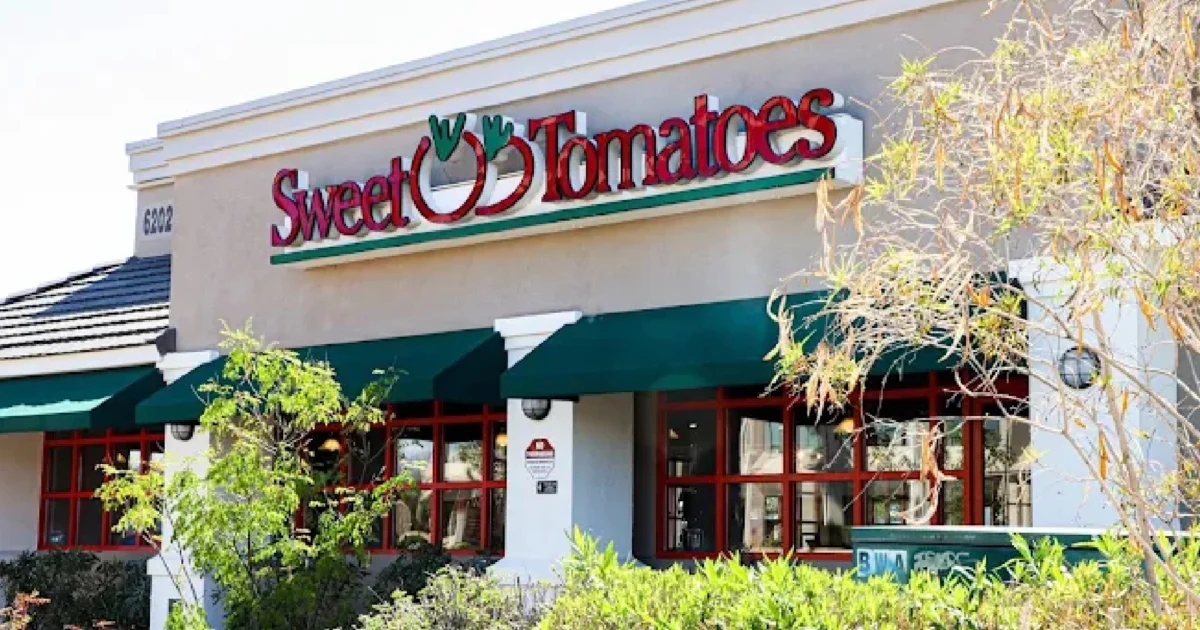
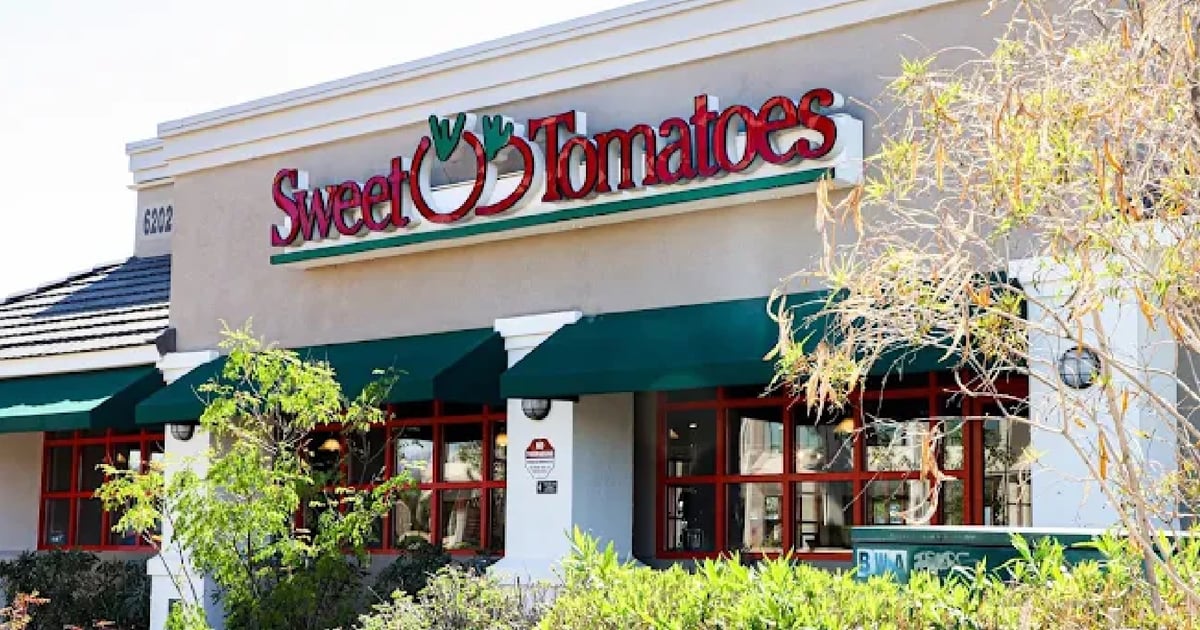
The nostalgic aroma of freshly baked bread and the vibrant hues of a salad bar brimming with possibilities are making a triumphant return. Sweet Tomatoes, a cherished buffet-style restaurant chain that once graced dining tables across the nation, is embarking on a significant revival, with plans to re-establish its presence on the West Coast, the very soil where its culinary journey began. This comeback story, punctuated by a strategic rebranding and a keen understanding of evolving consumer preferences, signals a new chapter for the once-defunct entity, now operating under the stewardship of ST Three LLC.
A Tale of Two Names: The Genesis and Split of a Buffet Empire
The story of Sweet Tomatoes and its West Coast counterpart, Souplantation, is intrinsically linked to its origins in San Diego, California. Founded under the Souplantation banner by Garden Fresh Restaurant Corp., the concept quickly garnered a loyal following for its emphasis on fresh ingredients, diverse salad bar, hearty soups, and freshly baked goods. As the company sought to expand its footprint beyond the Golden State, a strategic decision was made to differentiate the brand in new markets. Thus, the Sweet Tomatoes name emerged, a distinct identity for restaurants operating outside of California, even though the core culinary philosophy and dining experience remained remarkably consistent. This dual-naming strategy, while effective for market penetration, would later contribute to the brand’s unique identity and the subsequent emotional resonance of its return.
The Unforeseen Shadow of the Pandemic: A Sudden and Devastating Halt
The year 2020 marked a seismic shift for the restaurant industry worldwide, and Sweet Tomatoes and Souplantation were not immune. The unprecedented impact of the COVID-19 pandemic, characterized by widespread lockdowns, social distancing mandates, and a sharp decline in dine-in traffic, proved to be an insurmountable challenge for many businesses. For the buffet sector, which relies heavily on communal dining and self-service, the impact was particularly acute. In May 2020, the combined entity, comprising 97 locations, was forced to cease operations and liquidate its assets through bankruptcy proceedings. The abrupt closure left a void in the hearts of many patrons who had come to cherish the all-you-can-eat experience and the perceived value it offered.
The Dawn of a New Era: ST Three LLC and the Strategic Acquisition
The narrative of Sweet Tomatoes and Souplantation did not end with its 2020 bankruptcy. In a testament to the enduring appeal of the brand and the potential for its revival, a company named ST Three LLC strategically acquired the intellectual property rights from the bankruptcy proceedings. This acquisition marked the beginning of a meticulous and phased resurrection. The new ownership demonstrated a commitment to recapturing the essence of the original concept by bringing back key members of the former corporate team, individuals who possessed invaluable institutional knowledge and a deep understanding of the brand’s operational nuances and customer appeal.
A Measured Re-Entry: Tucson, Arizona, Leads the Way
The first tangible sign of Sweet Tomatoes’ resurgence appeared in 2024 with the grand reopening of a location in Tucson, Arizona. This marked the brand’s initial foray back into the market as an operating entity under ST Three LLC. The Tucson establishment aimed to honor the legacy of Sweet Tomatoes while subtly incorporating elements of modernization, signaling a forward-thinking approach to its revival. The success of this initial relaunch served as a crucial stepping stone, validating the viability of the buffet model in the post-pandemic landscape and generating significant anticipation for further expansion.
Florida Follows Suit: A Taste of the Revived Buffet in the Sunshine State
Building on the positive momentum generated by the Tucson opening, Sweet Tomatoes continued its expansion with the launch of a second location in Fort Myers, Florida, earlier this year. This expansion further solidified the brand’s commitment to re-establishing its national presence. The Fort Myers restaurant, like its Tucson predecessor, featured a somewhat updated design, reflecting a contemporary aesthetic that aimed to appeal to a broader demographic while retaining the familiar comfort of the Sweet Tomatoes experience. The successful integration of these new locations demonstrated ST Three LLC’s strategic approach to reintroducing the brand to markets that had previously embraced it.
The Prodigal Son Returns: California Welcomes Souplantation Back Home
The most anticipated development in the Sweet Tomatoes and Souplantation saga is the brand’s imminent return to California. In a highly publicized announcement via Instagram this week, the company revealed its intention to open a new restaurant in Fountain Valley, California, by 2027. This location, situated in Orange County, south of Los Angeles, holds profound symbolic significance, marking a homecoming for a brand that was born and nurtured in the Golden State.
Crucially, company officials confirmed that the California establishment will operate under the original and deeply cherished name: Souplantation. This rebranding decision for the West Coast is a strategic nod to the name that resonated most strongly with California consumers during the brand’s initial tenure. While the name will differ, the underlying concept – the beloved buffet experience – is expected to remain consistent with its sister locations.
A Consistent Ownership Model: Company-Owned and No Franchising Plans
In line with its previous expansion efforts, the forthcoming Souplantation in Fountain Valley will be company-owned. ST Three LLC has stated that there are currently no plans to offer franchising opportunities for the brand. This controlled ownership structure suggests a deliberate strategy to maintain consistent brand standards, quality control, and a unified vision for the customer experience across all locations. This approach allows the company to meticulously manage its growth and ensure that each restaurant embodies the core values of the revived brand.
Navigating a Shifting Landscape: The Buffet Segment in Flux
The return of Sweet Tomatoes and Souplantation occurs within a dynamic and evolving restaurant industry, particularly within the buffet segment. Industry data from sources like Technomic has indicated a general decline in the buffet sector’s performance even before the pandemic, with brands like Old Country Buffet and HomeTown Buffet experiencing sales challenges. The inherent nature of buffet dining, with its emphasis on shared spaces and self-service, faced significant headwinds during the public health crisis.
However, the enduring appeal of the all-you-can-eat, fixed-price model cannot be understated. In an economic climate where consumers are increasingly sensitive to rising costs and inflation, the buffet offers a compelling value proposition. The ability to enjoy a wide variety of dishes at a predictable price point remains an attractive proposition for budget-conscious diners seeking to maximize their dining dollars. Sweet Tomatoes and Souplantation’s revival taps into this fundamental consumer desire for affordability and abundance.
Social Media Buzz and Local Sentiments: A Mix of Excitement and Nostalgia
The announcement of Souplantation’s return to California has generated significant buzz across social media platforms. Fans who have long lamented the absence of their favorite salad bar and soup selections have expressed a mixture of excitement and anticipation. However, the decision to open the first California location in Fountain Valley, rather than its original birthplace of San Diego, has elicited a discernible sense of "betrayal" among some San Diegans. This sentiment underscores the deep emotional connection many long-time patrons have to the brand and its geographical roots, highlighting the power of nostalgia in shaping consumer sentiment.
Analysis of Implications: Value, Experience, and Brand Resilience
The comeback of Sweet Tomatoes and Souplantation is more than just a revival of a defunct chain; it is a case study in brand resilience and strategic adaptation. The company’s success hinges on its ability to leverage nostalgia while simultaneously offering a contemporary dining experience that meets current consumer expectations.
Value Proposition: In an era of heightened economic consciousness, the all-you-can-eat buffet offers an undeniable value. For a fixed price, diners can enjoy a diverse array of options, catering to various dietary preferences and appetites. This makes it an attractive choice for families and individuals looking for an affordable yet satisfying meal.
Evolving Consumer Preferences: While the buffet model faces challenges, the demand for fresh, customizable, and abundant food options persists. Sweet Tomatoes and Souplantation’s emphasis on a well-stocked salad bar, a variety of soups, and freshly baked goods aligns with these enduring preferences. The subtle design updates suggest an awareness of the need to create an inviting and modern ambiance.
Brand Equity and Nostalgia: The emotional connection many consumers have with Sweet Tomatoes and Souplantation is a significant asset. The brand’s history and the memories associated with its dining experience can be powerful drivers of customer loyalty and positive word-of-mouth marketing. The careful resurrection by ST Three LLC, involving former employees, aims to tap into this existing brand equity.
Challenges Ahead: Despite the positive outlook, the buffet segment remains a challenging market. Competition from fast-casual restaurants, ghost kitchens, and other dining concepts is intense. Sweet Tomatoes and Souplantation will need to continuously innovate and maintain high standards of quality, service, and cleanliness to thrive. The absence of franchising in the initial stages also limits the pace of expansion, suggesting a deliberate, measured growth strategy.
The California Factor: The return to California, under the Souplantation banner, is a critical move. It signifies a commitment to reclaiming its West Coast heritage and reconnecting with a core demographic. The success of the Fountain Valley location will be a key indicator of the brand’s broader appeal and its ability to recapture the market share it once held.
In conclusion, the resurgence of Sweet Tomatoes and Souplantation represents a compelling narrative of revival in the face of adversity. By strategically acquiring intellectual property, reassembling experienced teams, and thoughtfully reintroducing the beloved buffet concept, ST Three LLC is charting a course for renewed success. As the brand expands, its ability to balance nostalgia with contemporary appeal, deliver exceptional value, and navigate the complexities of the modern restaurant landscape will ultimately determine the longevity and triumph of this iconic culinary comeback.
