

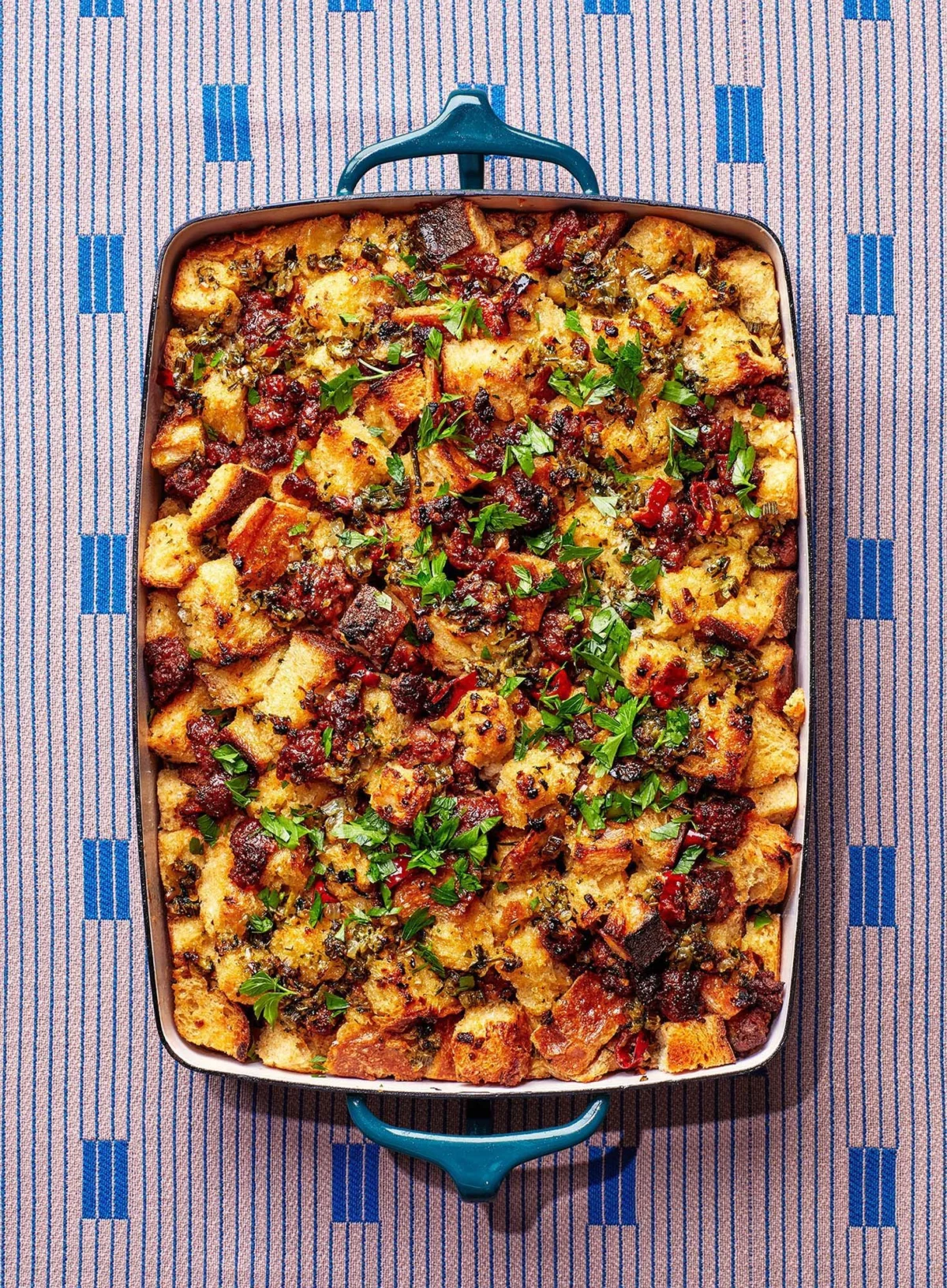
Thanksgiving, a holiday steeped in tradition, is often synonymous with a grand feast, and among its most cherished components, stuffing or dressing holds a unique and revered position. From classic bread-based concoctions to innovative global fusions, this carb-centric accompaniment has evolved far beyond its humble origins, becoming a canvas for culinary creativity while retaining its comforting essence. This exploration delves into the historical trajectory, regional variations, and contemporary interpretations of this essential holiday dish, examining its semantic nuances, diverse ingredient profiles, and the underlying culinary science that ensures its universal appeal.

The Historical Tapestry of a Thanksgiving Staple
The concept of stuffing, or filling a cavity with other food items, predates modern Thanksgiving by centuries, tracing its roots back to ancient Roman and medieval European culinary practices. Early cookbooks, such as the Roman Apicius, dating from the 4th or 5th century CE, contain recipes for stuffing poultry and other meats with ingredients like herbs, nuts, and spices. This technique was primarily used to enhance flavor, retain moisture, and extend portions of expensive meats.
When European settlers arrived in North America, they brought with them these culinary traditions. The indigenous peoples of the continent introduced new ingredients, and the nascent American cuisine began to take shape. The first documented Thanksgiving feasts, while perhaps not featuring the precise stuffing we recognize today, likely included dishes prepared with local grains, vegetables, and meats. As the holiday formalized in the 19th century, particularly after President Abraham Lincoln declared it a national holiday in 1863, the Thanksgiving menu began to solidify. Stuffing, made from readily available stale bread, herbs from gardens, and broth from the main fowl, became a practical and delicious way to utilize ingredients and add substance to the meal. This resourcefulness cemented its place as a cornerstone of the holiday table, embodying the spirit of abundance and gratitude.

Over time, the basic bread, onion, celery, and herb mixture began to diversify. Regional ingredients and immigrant culinary influences gradually broadened the scope of what could be considered "stuffing." The rise of industrial food production in the 20th century made ingredients more accessible, further encouraging experimentation and the development of countless variations, from oyster stuffings in coastal areas to sausage-heavy versions in the Midwest.
Decoding the Terminology: Stuffing Versus Dressing
A common point of culinary contention, particularly around the Thanksgiving table, revolves around the seemingly interchangeable terms "stuffing" and "dressing." While many home cooks use them synonymously, a technical distinction exists, primarily based on the cooking method.

Stuffing, by traditional definition, refers to the mixture cooked inside the cavity of the bird, most commonly a turkey. This method imbues the stuffing with the rich, savory juices of the roasting fowl, resulting in a deeply flavored and moist product. However, cooking stuffing inside a turkey presents significant food safety challenges. The internal temperature of the stuffing must reach a safe 165°F (74°C) to eliminate harmful bacteria, which often means the turkey itself can become overcooked and dry by the time the stuffing is safe to consume. This concern has led many culinary experts and health organizations to recommend cooking stuffing separately.
Dressing, conversely, refers to the same mixture baked separately in a pan or casserole dish. This method offers several advantages: it allows for easier monitoring of internal temperature, eliminates the risk of cross-contamination from raw poultry, and, crucially for many enthusiasts, facilitates the development of a coveted crispy crust. When baked in a pan, the exterior edges and top surface can caramelize and brown beautifully, creating a textural contrast that is highly prized.
.jpg)
In practice, the distinction has blurred considerably over generations. In many parts of the Southern United States, "dressing" is the overwhelmingly preferred term, regardless of whether it’s cooked inside or outside the bird. This regional preference often correlates with the use of cornbread as the primary starch, leading to distinct textural and flavor profiles compared to northern bread-based versions. For most families, the ultimate goal is a delicious, comforting side dish, and whether it’s called stuffing or dressing, the emphasis remains on flavor and texture, particularly those sought-after crispy edges.
The Cornerstone of Comfort: Classic and Traditional Variations
The enduring appeal of stuffing and dressing lies in its versatility, yet its traditional forms remain deeply cherished. The "Simple-Is-Best Stuffing," a perennial reader favorite, exemplifies the enduring power of classic preparation. At its core, this traditional recipe relies on:

- Stale Crusty Bread: The foundation. Stale bread is crucial as it readily absorbs liquids without becoming mushy, providing structure and a satisfying chew. Sourdough, French bread, or Italian bread are common choices, each imparting subtle flavor differences.
- Aromatic Vegetables: Finely diced celery and onions are sautéed to create a flavorful base, their sweetness and pungency mellowing during cooking.
- Rich Liquid: Chicken or vegetable stock, often enriched with melted butter, provides the necessary moisture and savory depth.
- Fresh Herbs: Sage, thyme, rosemary, and parsley are the quintessential aromatics, lending an earthy, fragrant character that is synonymous with Thanksgiving.
This combination, when baked, yields a dish that is golden and crispy on top, thanks to the Maillard reaction, and wonderfully tender and moist within.
For those who crave an added layer of savory richness, the Sausage-and-Herb Stuffing introduces breakfast sausage to this classic formula. The rendered fat from the sausage infuses the bread with flavor, while the meat itself adds a hearty texture and umami punch, elevating the dish to a more substantial offering. The spices often found in breakfast sausage, such as sage and black pepper, naturally complement the traditional herb profile of the stuffing.

Southern Charm: The Unmistakable Cornbread Dressing
Venturing beyond the traditional bread-based versions, Cornbread Dressing stands as a culinary icon of the American South. This distinct variant typically uses crumbled cornbread as its base, offering a different texture—often more crumbly and less cohesive than its bread-based counterparts—and a unique, slightly sweet or tangy flavor depending on the cornbread recipe used (e.g., buttermilk cornbread).
The history of cornbread dressing is deeply intertwined with Southern agricultural practices and culinary traditions, where corn was a staple crop. Ingredients like celery, onions, bell peppers (the "holy trinity" in some Southern cuisines), and often eggs and chicken broth, are mixed with the cornbread. Sometimes, oysters or chicken pieces are added. This dressing is frequently baked in a casserole dish, developing a golden, slightly crisp top while remaining moist and flavorful inside. It represents a significant regional culinary identity, often prepared using family recipes passed down through generations, making it a non-negotiable component of many Southern Thanksgiving tables.

A World of Flavor: Global Influences and Adventurous Palates
The modern Thanksgiving table is increasingly a reflection of diverse cultural backgrounds and adventurous palates, leading to fascinating innovations in stuffing and dressing.
One such vibrant example is the Chorizo and Calabrian Chile Stuffing. This recipe represents a bold departure from tradition, infusing the classic dish with intense, spicy, and smoky flavors.

- Chorizo: A highly seasoned pork sausage, originating from the Iberian Peninsula, brings a rich, smoky, and often spicy depth. Spanish chorizo is typically cured and firm, while Mexican chorizo is fresh and crumbles when cooked, both offering distinct flavor profiles. Its paprika content contributes a vibrant red hue and complex spice notes.
- Calabrian Chiles: Hailing from the Calabria region of Southern Italy, these chiles are celebrated for their balanced heat, fruity undertones, and slight brininess when preserved in oil. They provide a bright, assertive kick that cuts through the richness of the chorizo and bread.
This combination transforms the stuffing into a dish with a robust, almost Mediterranean-Latin fusion character, appealing to those who seek a dynamic and memorable flavor experience. The incorporation of such international ingredients highlights a growing trend in American cuisine: the integration of global flavors into traditional holiday dishes, reflecting a more diverse culinary landscape.
Another compelling example of cultural fusion is Sticky Rice Stuffing with Chinese Sausage (Lap Cheong). This innovative approach draws heavily from Asian culinary traditions, particularly those found in Southern China and Southeast Asia.

- Sticky Rice (Glutinous Rice): Unlike conventional bread, sticky rice offers a unique chewy texture and inherent sweetness. It’s often steamed, absorbing flavors beautifully.
- Chinese Sausage (Lap Cheong): A dried, cured, and often sweet-savory sausage made from pork. It’s typically characterized by its distinct flavor profile, which includes soy sauce, sugar, and various spices. When cooked, its fat renders, infusing the rice and other ingredients with its rich aroma and taste.
- Additional Ingredients: This type of stuffing often includes dried shiitake mushrooms (rehydrated for umami depth), chestnuts (for texture and sweetness), dried shrimp, or scallions, all stir-fried and then mixed with the sticky rice before steaming or baking.
This dish, while unconventional for a traditional American Thanksgiving, resonates deeply with families who wish to incorporate their heritage into the holiday feast. It speaks to the evolving identity of American cuisine, where traditions are not static but dynamic, incorporating new flavors and techniques while honoring the spirit of gathering and celebration.
Catering to Modern Dietary Needs: Gluten-Free and Alternative Grains
As dietary preferences and requirements continue to diversify, so too do the options for stuffing and dressing. The rise of gluten-free diets has prompted creative adaptations, moving beyond traditional bread bases.

- Wild Rice Stuffing: Native to North America, wild rice is not technically a rice but the grain of an aquatic grass. It offers a nutty, earthy flavor and a chewy texture. When used as a stuffing base, it provides a hearty, naturally gluten-free alternative that pairs exceptionally well with dried fruits, nuts, and mushrooms. Its robust flavor stands up well to strong seasonings and rich broths.
- Black Rice Stuffing: Also known as "forbidden rice," black rice is a medium-grain, glutinous rice with a deep purplish-black hue. It has a slightly sweet, nutty flavor and a chewy texture similar to wild rice. It offers a visually striking and nutritious gluten-free option, often combined with ingredients like sweet potatoes, pecans, and cranberries for a festive and flavorful side.
These alternative grain stuffings demonstrate a commitment to inclusivity at the holiday table, ensuring that individuals with dietary restrictions can still enjoy a delicious and celebratory meal. They also highlight the culinary versatility of these grains beyond their traditional uses, showcasing their potential to anchor complex flavor profiles.
The Science Behind the Perfect Bite
Achieving the perfect stuffing or dressing is not merely an art; it involves a degree of culinary science. Several key factors contribute to its success:

- Moisture Balance: The ratio of liquid (stock, butter, eggs) to dry ingredients (bread, grains) is critical. Too little liquid results in a dry, crumbly product, while too much leads to a soggy, dense mass. The goal is for the bread or grain to be fully moistened but not saturated, allowing for both tenderness and structure.
- Stale Bread’s Role: Stale bread is porous and dry, making it ideal for absorbing liquid without disintegrating. Fresh bread, with its higher moisture content, tends to become gummy.
- Fat Content: Butter, rendered sausage fat, or other fats are essential. They contribute richness, carry flavors, and, most importantly, facilitate the Maillard reaction on the surface, creating that desirable golden-brown, crispy crust.
- Binding Agents: Eggs are often included in dressing recipes, particularly those with a higher liquid content or a more delicate base like cornbread. They act as a binder, helping the dressing hold its shape and preventing it from becoming too crumbly.
- Aromatics and Herbs: The volatile compounds in onions, celery, and fresh herbs undergo transformations during cooking, releasing complex aromas and flavors that are fundamental to the dish’s character. Slow sautéing helps to soften and sweeten these vegetables, building a deeper flavor base.
- Cooking Temperature: Baking at a moderate to high temperature allows for even cooking and the development of a flavorful crust. The separate baking method (dressing) provides greater control over both the internal temperature and the browning of the exterior.
Broader Implications: A Reflection of Culinary Identity and Change
The ongoing evolution of Thanksgiving stuffing and dressing serves as a microcosm of broader shifts in culinary trends and cultural identity. The simple dish, born of necessity and tradition, has become a dynamic canvas for personal expression and cultural exchange.
- Personalization of Tradition: The sheer variety of recipes, from age-old family heirlooms to modern, globally inspired creations, underscores the deeply personal nature of Thanksgiving. Families often fiercely defend their preferred recipe, viewing it as an integral part of their heritage and celebration.
- Culinary Exploration: Food publications and chefs continually push boundaries, encouraging home cooks to experiment beyond the familiar. This fosters culinary literacy and encourages an appreciation for diverse ingredients and techniques.
- Cultural Fusion: Dishes like sticky rice stuffing with Chinese sausage exemplify how holiday traditions are not static but fluid, adapting to incorporate the rich tapestry of cultures that define modern societies. These dishes tell stories of immigration, integration, and the beautiful blending of culinary legacies.
- Health and Sustainability: The rise of gluten-free, vegetarian, and plant-based versions reflects a growing societal awareness of health, dietary needs, and sustainable eating practices. These adaptations ensure that the holiday remains inclusive and enjoyable for all.
- The Enduring Power of Comfort Food: Regardless of its specific form, stuffing and dressing remain a quintessential comfort food. It evokes warmth, nostalgia, and the shared joy of a holiday meal. In a world often characterized by rapid change, the comforting familiarity of a well-made stuffing provides a grounding presence, reminding us of the simple yet profound pleasure of good food shared with loved ones.
Ultimately, whether one opts for a classic, herb-infused bread stuffing, a hearty Southern cornbread dressing, a fiery Calabrian-chile-and-chorizo rendition, or an exotic sticky rice creation, the essence remains the same: a celebration of flavor, texture, and the unifying power of food during one of the most cherished holidays of the year. It is, indeed, a profound reason to be thankful for the humble yet endlessly versatile carb.
