

Savannah, GA – In a significant development for the city’s hospitality and culinary landscape, Recess Hotel & Club Savannah officially commenced operations in mid-September, introducing a sophisticated blend of 221 meticulously appointed guest rooms and a vibrant array of four distinct food and beverage destinations within its historic setting. This ambitious project marks the second venture in Savannah for Left Lane, a prominent New York City-based real estate development and hospitality firm renowned for its expertise in breathing new life into historically significant structures.
The establishment of Recess Hotel & Club represents a thoughtful revitalization of the 114-year-old Beaux-Arts style Manger Building, a structure with deep roots in Savannah’s past. Originally constructed in 1912 and known then as the Hotel Savannah, the building has undergone a transformative renovation spearheaded by Left Lane in collaboration with the design prowess of Atelier Pond. The result is a property that not only preserves the architectural grandeur of its origins but also reimagines it as a dynamic hub for both visitors and locals seeking an elevated experience of accommodation, dining, and social engagement.
A Deep Dive into Recess Hotel & Club’s Offerings
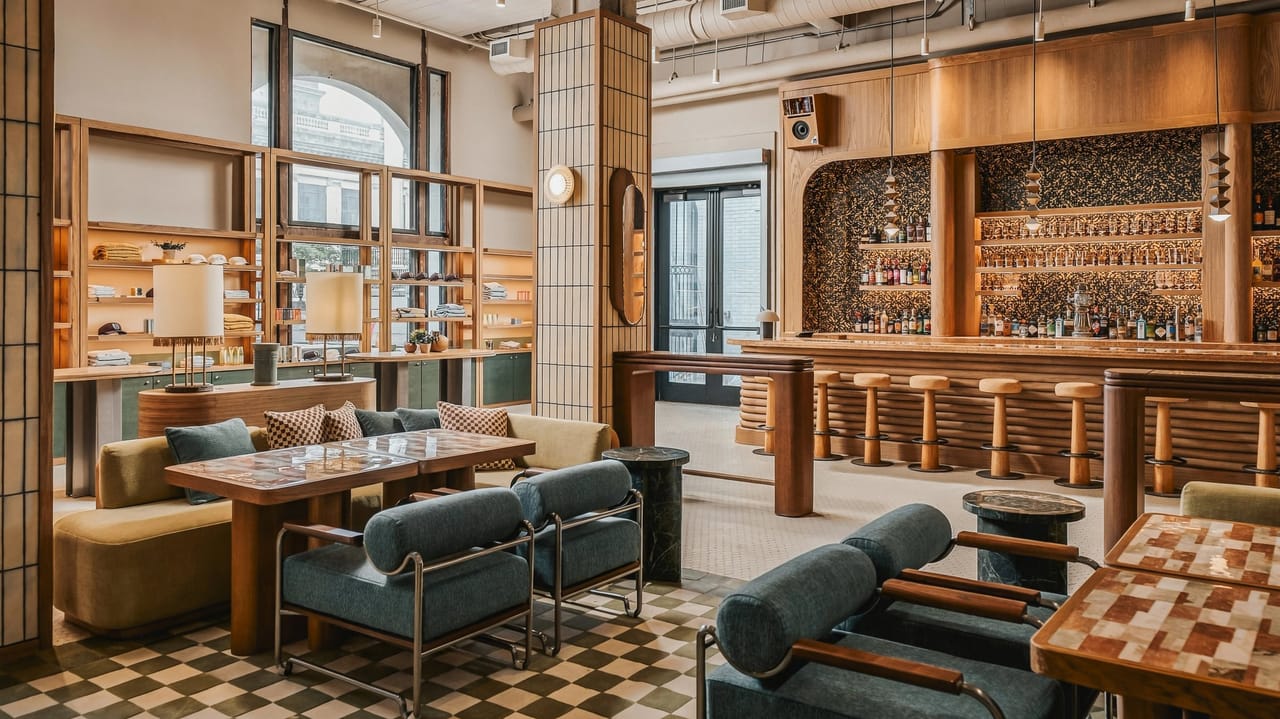
The ground floor of Recess is designed to be an inviting social nexus, featuring a chic 10-seat lobby bar that seamlessly transitions into an adjoining living room lounge. This area is characterized by its striking design elements, including intricately woven chandeliers, elegantly tiled columns, and an abundance of lush greenery, creating an atmosphere of refined comfort and contemporary flair. Complementing the lobby’s ambiance is the Servery, a unique takeout window inspired by Japanese automat concepts. Open for breakfast and lunch, the Servery offers a curated selection of fresh juices, energizing smoothies, artisanal pastries, and freshly prepared sandwiches and salads, catering to guests on the go or those seeking a casual yet high-quality bite.
Le Flâneur: A Culinary Cornerstone
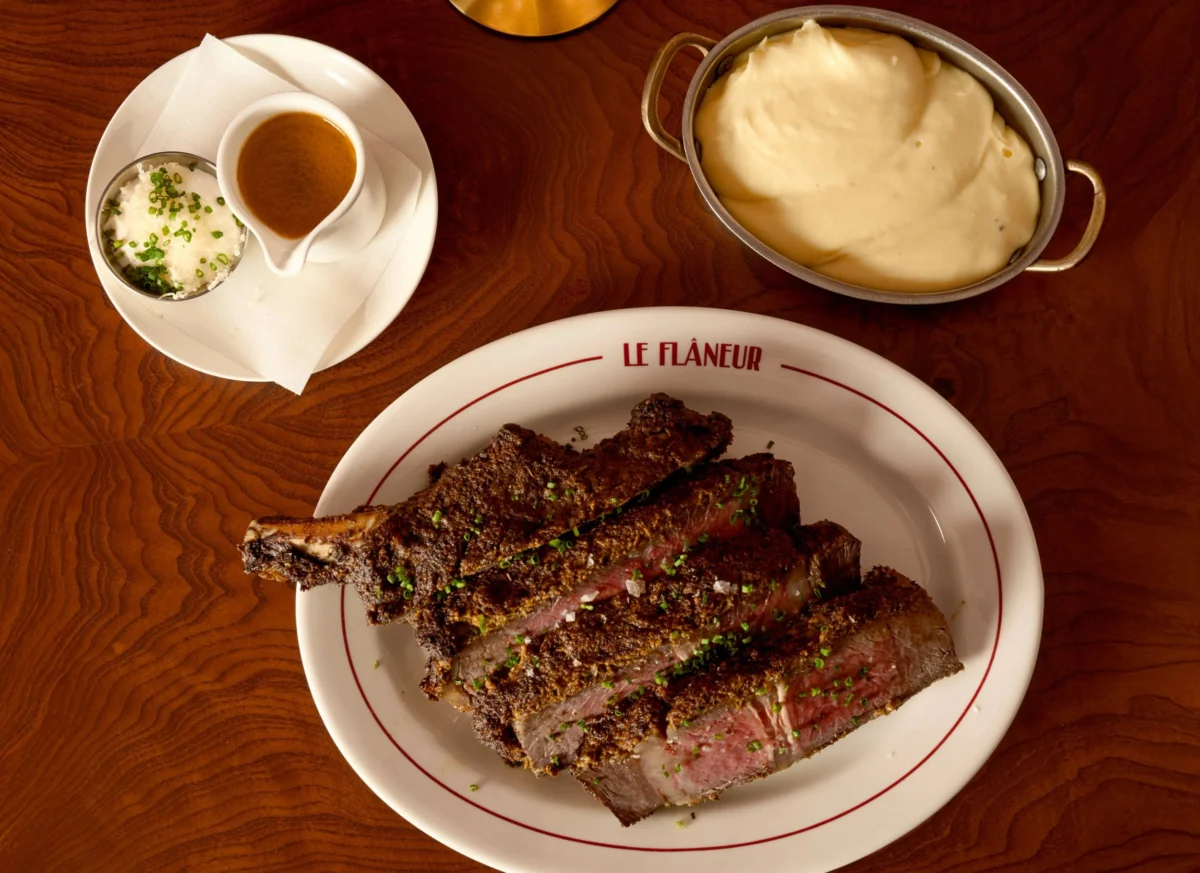
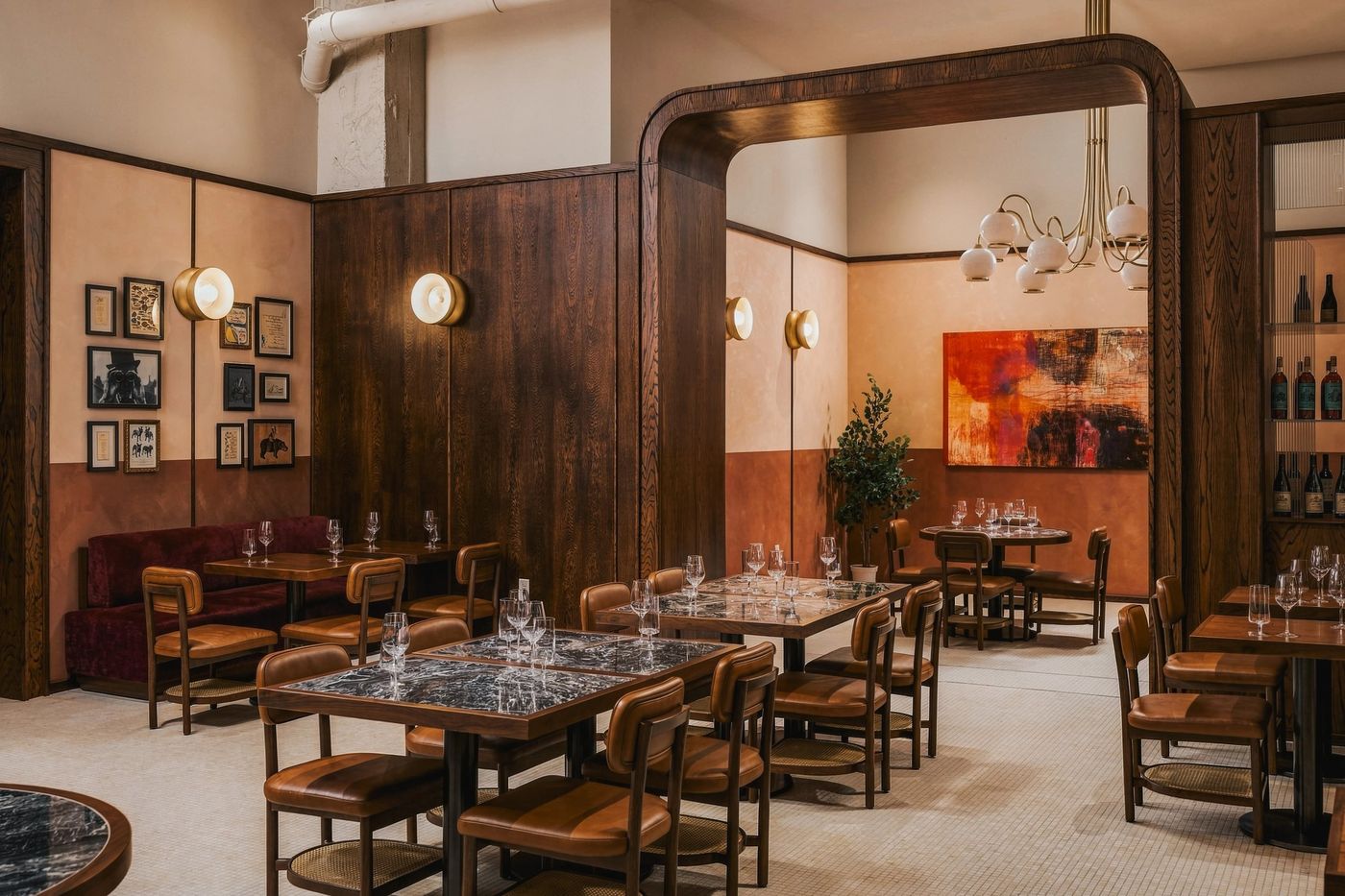
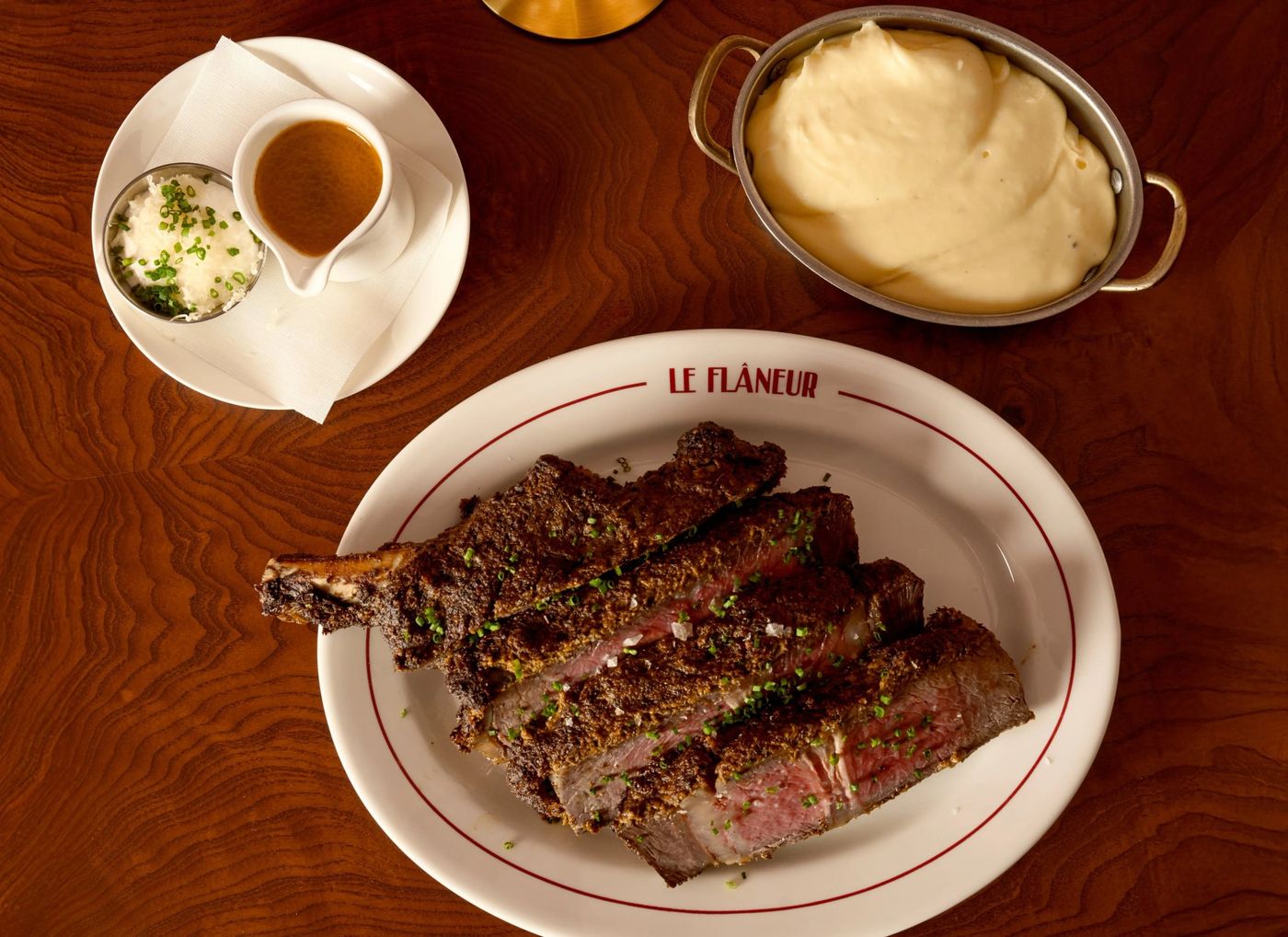
At the heart of Recess’s gastronomic appeal is Le Flâneur, the hotel’s flagship restaurant. This French brasserie, under the expert direction of Executive Chef Zach Chancey, presents a menu that artfully fuses classic French culinary traditions with a distinct local Savannah sensibility. The day begins with an enticing array of house-made pastries, complemented by offerings such as an avocado tartine and traditional crêpes. For lunch, patrons can indulge in timeless brasserie fare, including a meticulously prepared Niçoise salad and the comforting classic, moules frites. The dinner menu elevates the dining experience further, showcasing standout dishes such as delicate leeks vinaigrette, perfectly executed steak frites served with a rich au poivre sauce, flaky seabass Meunière, and the signature cheeseburger à l’Américain, a decadent creation crowned with pickles, onions, and a proprietary secret sauce. The restaurant’s design and menu are intended to foster a sense of community and encourage extended stays, embodying the concept of a social gathering space designed for all-day lingering.
Kilter Rooftop Bar: Elevated Views and Asian-Inspired Delights
Ascending twelve floors, guests will discover Kilter Rooftop Bar, an establishment poised to become a prominent fixture in Savannah’s social scene. This venue boasts the city’s tallest rooftop pool, offering unparalleled panoramic views of the historic cityscape. The design of Kilter evokes an urban garden oasis, replete with vibrant flora and eye-catching patterned tiles. This setting artfully transitions from a relaxed daytime poolside retreat to a more energetic evening destination. The culinary offerings at Kilter are inspired by Asian flavors, presented in the form of small plates designed for sharing. The menu features delicate hamachi crudo, flavorful gochujang wings, a selection of expertly crafted sushi rolls, and succulent wagyu skewers. The cocktail program is equally innovative, featuring original creations. Among the noteworthy beverages is the "Confluence," a sophisticated twist on the classic gin-laced Southside, enhanced with the subtle herbaceous notes of shiso. Another distinctive offering is the "Pensacola," a reinterpretation of the iconic Hurricane cocktail, crafted with guanábana, tequila, and sotol, showcasing a bold and tropical profile.
Vanessa Tilley, vice president of brand and marketing at Left Lane, articulated the vision behind Recess’s culinary programming. "Recess is inspired by the creative undercurrent of Savannah, so it was important to us that its restaurants equally reflect this energy," Tilley stated. She further elaborated on the intended atmosphere of Le Flâneur as a social gathering space designed to encourage lingering, and described Kilter as an extension of the city itself, allowing visitors to experience Savannah from a unique vantage point above the tree line, embracing the famously horizontal landscape of the city.
A Deliberate Departure from Tradition: The Clubhouse Concept
A distinctive aspect of Recess Hotel & Club’s operational philosophy is its deliberate omission of traditional in-room dining services. This decision is rooted in a strategic effort to encourage guests to immerse themselves in the hotel’s communal spaces. By foregoing room service, Recess aims to prompt guests to explore and engage with the hotel’s diverse food and beverage outlets, thereby fostering a more interactive and social experience. This approach aligns with the hotel’s overarching objective of cultivating a clubhouse-like atmosphere, where shared experiences and community interaction are paramount. This model seeks to enhance guest engagement and encourage a deeper connection with the hotel’s amenities and the city itself.
Left Lane’s Growing National Footprint
The opening of Recess Hotel & Club Savannah is a significant milestone in Left Lane’s broader expansion strategy. The firm is actively developing a robust portfolio of properties across the United States, with plans to introduce additional Recess locations in Phoenix and to extend the Hotel Bardo brand to cities including Pittsburgh, Providence, Rhode Island, and Bozeman, Montana. A common thread weaving through Left Lane’s developments is their commitment to infusing local character and identity into historically significant buildings. Examples of this approach include the transformation of Pittsburgh’s 1930s Art Deco-style Gulf Tower and the revitalization of the mid-century Punchcard Building in Phoenix.
"We’re excited to bring Le Flâneur to a number of these properties, as well as wholly new dining concepts," Tilley remarked, indicating a continued commitment to culinary innovation and the replication of successful dining models in their future developments. This suggests a replicable strategy that leverages established culinary successes while remaining open to bespoke concepts tailored to the unique character of each location.
The Manger Building: A Century of History
The Manger Building itself boasts a rich architectural and historical narrative. Designed in the Beaux-Arts style, it was commissioned during an era of significant urban development and architectural ambition. Its initial purpose as the Hotel Savannah in 1912 positioned it as a grand establishment catering to travelers and social events of the time. Over the decades, the building has witnessed numerous transformations, reflecting the evolving economic and social tides of Savannah. Its acquisition and meticulous restoration by Left Lane represent a commitment to preserving this architectural heritage while adapting it for contemporary use, ensuring its continued relevance and contribution to the city’s fabric. The Beaux-Arts style, characterized by its grandeur, symmetry, and ornate detailing, lends itself well to a luxury hospitality experience, and Left Lane’s decision to honor this style while infusing modern amenities speaks to a thoughtful approach to historic preservation.
Economic and Cultural Implications for Savannah
The introduction of Recess Hotel & Club and its multifaceted culinary offerings is poised to have a notable impact on Savannah’s economy and cultural landscape. The addition of 221 guest rooms enhances the city’s capacity to host visitors, potentially driving increased tourism revenue and supporting local businesses. Furthermore, the emphasis on distinctive F&B venues, particularly those with a focus on local sourcing and unique culinary concepts like Le Flâneur’s "French food through a local lens," can elevate Savannah’s reputation as a gastronomic destination. The creation of jobs, both in hotel operations and within the food and beverage sector, also contributes to local employment and economic vitality.
The "clubhouse-like feel" and the encouragement for guests to engage with on-site amenities rather than relying on external room service can lead to increased spending within the hotel, further benefiting its operations and the broader economic ecosystem it supports. The revitalization of a historic building like the Manger Building also contributes to the preservation of Savannah’s unique architectural heritage, a key draw for heritage tourism. By investing in and thoughtfully renovating such landmarks, Left Lane is not only creating a new hospitality asset but also contributing to the tangible preservation of the city’s historical narrative.
Future Outlook and Industry Trends
Left Lane’s strategic expansion, mirroring a growing trend among hospitality firms to acquire and reimagine historic properties, suggests a keen understanding of market demand. There is a discernible consumer preference for unique, experience-driven accommodations that offer more than just a place to stay. The emphasis on curated F&B offerings, distinct design aesthetics, and a sense of place resonates with travelers seeking authenticity and memorable experiences.
The success of Recess Hotel & Club will likely be closely watched as Left Lane rolls out similar concepts in other cities. The firm’s ability to successfully integrate local culture with upscale hospitality and innovative dining will be a key indicator of their long-term growth potential. As the hospitality industry continues to evolve, with a growing emphasis on sustainability, experiential travel, and community integration, Left Lane’s model appears well-positioned to meet these evolving demands. The intentional avoidance of traditional room service, while a departure from convention, reflects a forward-thinking approach to guest engagement and a belief in the power of communal spaces to enhance the overall travel experience. This strategic decision could serve as a model for other hotels seeking to foster a more integrated and social guest journey.
