

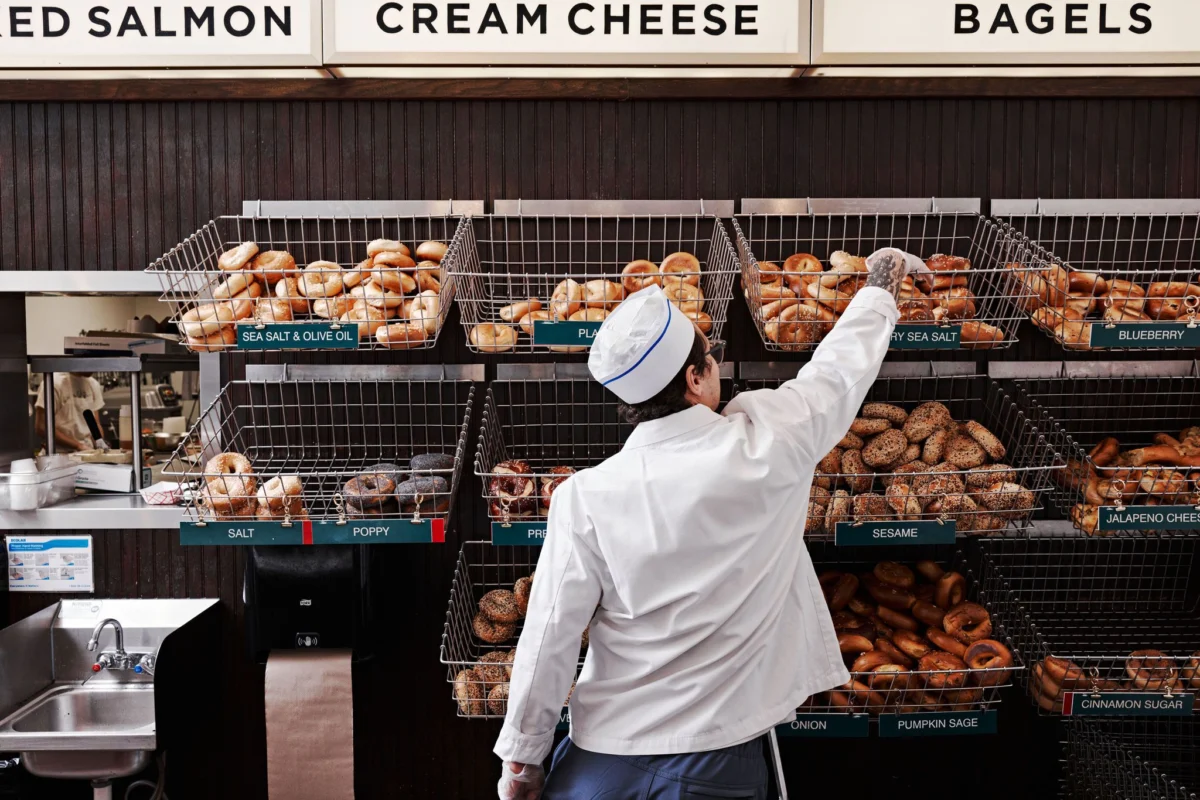
Atlanta, a city historically synonymous with the warm embrace of Southern comfort food, particularly the beloved biscuit, is experiencing a profound culinary shift. In recent years, the vibrant capital of Georgia has witnessed a burgeoning embrace of a distinct northern import: the New York City-style bagel. This gastronomic evolution is not merely a fleeting trend but a tangible reflection of significant demographic changes, primarily a sustained migration of New Yorkers seeking new opportunities and a different quality of life in the South.
The Rise of the Bagel Barons: Emerald City and Beyond
The vanguard of this bagel revolution is exemplified by establishments like Emerald City Bagels. Opening its doors in East Atlanta Village in 2018, Emerald City quickly carved a niche, introducing authentic New York bagel culture to a previously untapped market. The venture is a heartfelt mother-daughter enterprise, helmed by Deanna and Jackie Halcrow, whose Long Island roots are unmistakable in every aspect of their operation. Their commitment to authenticity extends beyond the product itself, manifesting in the retro New York deli aesthetic that defines their establishments. Green and white subway tiles line the walls, evoking classic Big Apple eateries, while staff, adorned in traditional paper soda jerk hats and white aprons, efficiently serve customers. Patrons can frequently be seen departing with everything bagels, generously schmeared with vibrant green olive cream cheese, neatly packed into paper bags—a quintessential New York grab-and-go experience. The success of their initial location led to a strategic expansion, with a new store opening on Atlanta’s bustling Beltline, further cementing their presence and accessibility within the city.
Emerald City Bagels is not an isolated phenomenon; it represents a broader wave of New York-inspired culinary ventures taking root across the Atlanta metropolitan area. The appetite for NYC foods extends beyond bagels, encompassing a variety of iconic dishes. In the suburb of Stone Mountain, for instance, NY Deli & Juice Bar has emerged, offering another beloved New York staple: the chopped cheese sandwich. What makes this establishment particularly noteworthy is its location—a building that once housed a quintessential Southern institution, a Waffle House. The customary counter seating and high chairs, which once cradled plates of pecan waffles and smothered hash browns, have been replaced by a long, utilitarian bodega-style service counter, signaling a clear cultural and culinary transition.
The influx of New York culinary imports into Atlanta has been multifaceted, touching various segments of the food scene, from artisan pizza to traditional Chinese fare and, prominently, the chopped cheese. However, bagels have undeniably taken center stage as the most visible and widely embraced addition to Atlanta’s diverse gastronomic tapestry. This culinary migration serves as a potent barometer, directly correlating with the significant North-to-South population shift observed over the past few years.
A Tidal Wave of Transplants: The Northern Migration South
The burgeoning demand for New York-style comfort food is directly linked to the increasing number of New Yorkers relocating to the Atlanta metro area. "This is comfort food, a taste of home," remarks Julie Dragich, co-owner of The Bronx Bagel Buggy, another prominent player in Atlanta’s emerging bagel scene. "I think many of our New York customers feel the same way." This sentiment resonates deeply with the growing community of former New Yorkers now calling Georgia home.

Census Data Illuminates the Shift:
U.S. Census data provides a clear statistical illustration of this demographic shift. Between 2021 and 2024, more than 50,000 New Yorkers moved to Georgia. This rate of relocation is not merely significant in absolute numbers; it rivals the migration rates of individuals making regional moves, such as those from neighboring states like Alabama or South Carolina to Georgia. Further analysis by the Atlanta Regional Commission highlights a specific trend: a substantial majority of young adults moving to Atlanta from out of state are relocating directly from New York City. This influx of a younger demographic suggests a long-term impact on Atlanta’s cultural and economic fabric.
Economic Drivers: Cost of Living and Opportunity:
Several compelling factors underpin this southern migration. While milder winters and a robust job market in Atlanta contribute to its appeal, the paramount catalyst cited by many New Yorkers is the significantly better cost of living. Housing, in particular, stands out as a primary driver. Kamal Dorsainville, originally from Brooklyn, articulates this disparity succinctly: "A house that’s $300,000, $400,000 in Georgia would be over a million dollars in New York." This stark contrast in housing affordability makes Atlanta an increasingly attractive option for individuals and families seeking homeownership and a more sustainable financial future. His wife, Susan Dorsainville, recounts how sharing Georgia’s housing prices with friends back in New York often elicited an immediate and enthusiastic response: "We’re coming too." This snowball effect is evident, with families often influencing others to follow suit, further accelerating the migration.
Community Building: The Comfort of Home Flavors:
For many New York transplants, the availability of familiar foods like authentic bagels is more than a culinary preference; it’s a vital connection to their past and a source of comfort in their new environment. This demand has spurred entrepreneurial ventures designed specifically to cater to this homesickness. The Dorsainvilles themselves, after repeatedly being asked by friends and family to ferry suitcases full of bagels back from New York during visits, recognized a clear market need. They subsequently opened SDK’S Cafe and Coffee, specifically to address this demand. Their coffee shop now ships New York bagels from a national distributor two to three times a week, ensuring that their fellow New Yorkers in Atlanta can readily access a taste of home. While the couple maintains discretion regarding their specific supplier, their business model underscores the powerful emotional and cultural ties that food can forge.
Crafting Authenticity: The Quest for the Perfect Bagel
The journey to replicate the authentic New York bagel experience in Atlanta has been one of dedication, trial, and error for many new entrepreneurs. Steven Novotny, Julie Dragich’s partner in The Bronx Bagel Buggy, brought a lifetime of experience from the restaurant business, with his family having owned delicatessens in the Bronx. However, even with this background, mastering the nuanced art of New York bagel-making proved to be a significant undertaking.
The Bronx Bagel Buggy: From Farmers Market to Brick-and-Mortar:
Novotny and Dragich embarked on a meticulous learning process, starting from the ground up. Their initial foray involved a comprehensive class run by King Arthur Baking, which provided foundational knowledge in dough measurement, precise baking times, and flavor perfection. Within a few months of intensive practice and experimentation, they achieved a breakthrough, crafting a product that resonated immediately with consumers. Their bagels became an instant sensation at the Brookhaven Farmers Market, consistently selling out within the hour—a clear indicator of quality and burgeoning demand.
Despite this early success, the duo spent three more years refining their craft and preparing for the ambitious leap to a brick-and-mortar shop. This period involved extensive research and consultation, including discussions with established NYC bagel shop owners and representatives from equipment manufacturers like Empire Baking Company, crucial for understanding large-scale production. Their dedication culminated in a focused four-day trip back to New York, a pilgrimage dedicated to visiting iconic bagel shops like Utopia Bagel in Queens, meticulously studying every aspect of their operations. This immersive experience was designed to ensure that when The Bronx Bagel Buggy finally opened its doors in Chamblee, it would deliver an unequivocally authentic New York bagel experience in the heart of the South.

Meeting Skepticism with Sourdough:
The stakes for authenticity are notably high. Novotny recounts the frequent scenario of New Yorkers entering their Chamblee shop, often prefacing their order with a declaration of their origins, immediately followed by an expression of skepticism regarding Atlanta’s ability to produce "the real deal." This inherent doubt underscores the deep cultural connection and perceived uniqueness of the New York bagel. Novotny lightheartedly quipped, "I kept thinking maybe I’m going to put my birth certificate on the wall, on a big frame to show, hey, this is the truth."
The Water Debate and the Art of Bagel Making:
A recurring point of contention in the pursuit of authentic New York bagels outside the five boroughs centers on the water. The mineral composition of New York City’s tap water is often cited as a crucial, irreplaceable ingredient that contributes to the unique texture and flavor of its bagels. However, Julie Dragich offers a counter-perspective, asserting that New York water is not, in fact, an absolute necessity for achieving authentic flavor. For her, what they omit from their recipe is more critical than what they include. This philosophy translates to a strict avoidance of sugar and dough additives, which are often used to extend shelf life. Instead, the key to their success lies in the meticulous, labor-intensive process of rolling dough by hand and allowing it ample time to ferment—a commitment to traditional methods that yields the distinctive chewy interior and crisp exterior characteristic of a true New York bagel. This dedication to craft ultimately convinces even the most skeptical New Yorkers, who, after that first bite through the crunchy outer layer into the soft, yielding dough, often relax and return, bringing their fellow transplants with them.
Bridging Culinary Divides: Atlanta’s Palate Adapts
While New Yorkers readily embrace these new establishments, born-and-raised Atlanta bagel customers often face a slight learning curve, unfamiliar with the established rituals of NYC bagel consumption.
The Untoasted Challenge: Educating the Local Palate:
One of the most prominent cultural differences revolves around the act of toasting. "We were both trying to teach people how to eat a bagel without toasting it, because truly you’re not supposed to toast a bagel," Deanna Halcrow of Emerald City Bagels recalls from her early days taking orders. Her daughter, Jackie, vividly described this endeavor as a "Herculean task," noting the significant number of untoasted bagel sandwiches they initially gave away in their earnest effort to convert Southerners to the New York way of enjoying a bagel. This gentle culinary evangelism highlights the subtle yet deeply ingrained traditions surrounding beloved foods.
Atlanta’s Historical Openness to New Flavors:
Despite these initial differences in consumption habits, Atlantans have largely demonstrated a welcoming attitude toward the sudden influx of northern cuisine. Jasmin Moore, a lifelong Georgian, expresses her enthusiasm: "I would love to see more New York staples come down here." While she still harbors a preference for Southern biscuits, she treasures the added variety that establishments like Brooklyn Bagel & Deli bring to her neighborhood. Importantly, she notes, "I don’t feel like any restaurants that come from out of town are pushing out anything local that has good flavor." This sentiment reflects Atlanta’s historical culinary adaptability and open-mindedness.
Akila McConnell, a respected Atlanta food historian, offers valuable context for this welcoming stance. She posits that Atlanta’s culinary identity has always been rooted in a diverse tapestry of "immigrant flavors." Even with its own rich and distinct food traditions, Atlanta has historically made room for external influences. As early as the late 19th century, Atlanta enthusiastically followed New York’s then-prevailing love for oysters, demonstrating a long-standing willingness to adopt and adapt culinary trends from other regions. This historical precedent suggests that the current embrace of New York bagels is not an anomaly but rather a continuation of Atlanta’s inherent culinary pluralism.

Economic and Urban Implications
The influx of New Yorkers and their culinary preferences carries significant economic and urban implications for Atlanta.
Real Estate and Business Growth:
The demand for housing, as highlighted by the Dorsainvilles, is driving real estate activity and contributing to urban sprawl as new residents seek affordable living. This population growth, in turn, fuels the local economy, creating demand for new businesses, services, and infrastructure. The emergence of specialized food establishments like bagel shops and delis creates new jobs, from bakers and counter staff to suppliers and delivery drivers, contributing to a more diverse local economy. The transformation of existing spaces, like the Waffle House into NY Deli & Juice Bar, also signifies an adaptive reuse of commercial properties, reflecting changing consumer tastes and economic viability.
Diversity and Culinary Innovation:
The growing culinary diversity is a significant cultural asset. It enriches the city’s food scene, offering residents a wider array of choices and experiences. This blend of Southern hospitality with New York grit can foster unique culinary fusions, potentially leading to new dishes that blend regional flavors and techniques. This cultural exchange goes beyond food, impacting art, music, and community events, making Atlanta an even more vibrant and dynamic place to live.
The Future of Atlanta’s Food Scene
The ongoing narrative of New York bagels finding a home in Atlanta is a testament to the dynamic nature of urban development and cultural exchange. It remains to be seen whether the New York bagel purists will entirely convince Atlantans to fully embrace the nuanced pleasure of an untoasted bagel, with its perfectly crunchy exterior and soft, chewy interior. Or perhaps, Atlantans will adapt these imports to their own unique preferences, creating a hybrid culinary tradition.
Regardless of the specific trajectory, this phenomenon represents a heartwarming cultural exchange, fostering new connections and integrating diverse communities. As Kamal Dorsainville aptly summarizes, referring to the growing community of New Yorkers in Atlanta, "Now they’re part of the family," adding with a smile, "With a different accent." This sentiment encapsulates the essence of Atlanta’s evolving identity—a city that continues to grow, diversify, and warmly welcome new influences, all while retaining its distinct Southern charm. The bagel, once a foreign concept, is fast becoming a cherished fixture, symbolizing a new chapter in Atlanta’s rich and ever-expanding culinary story.
