

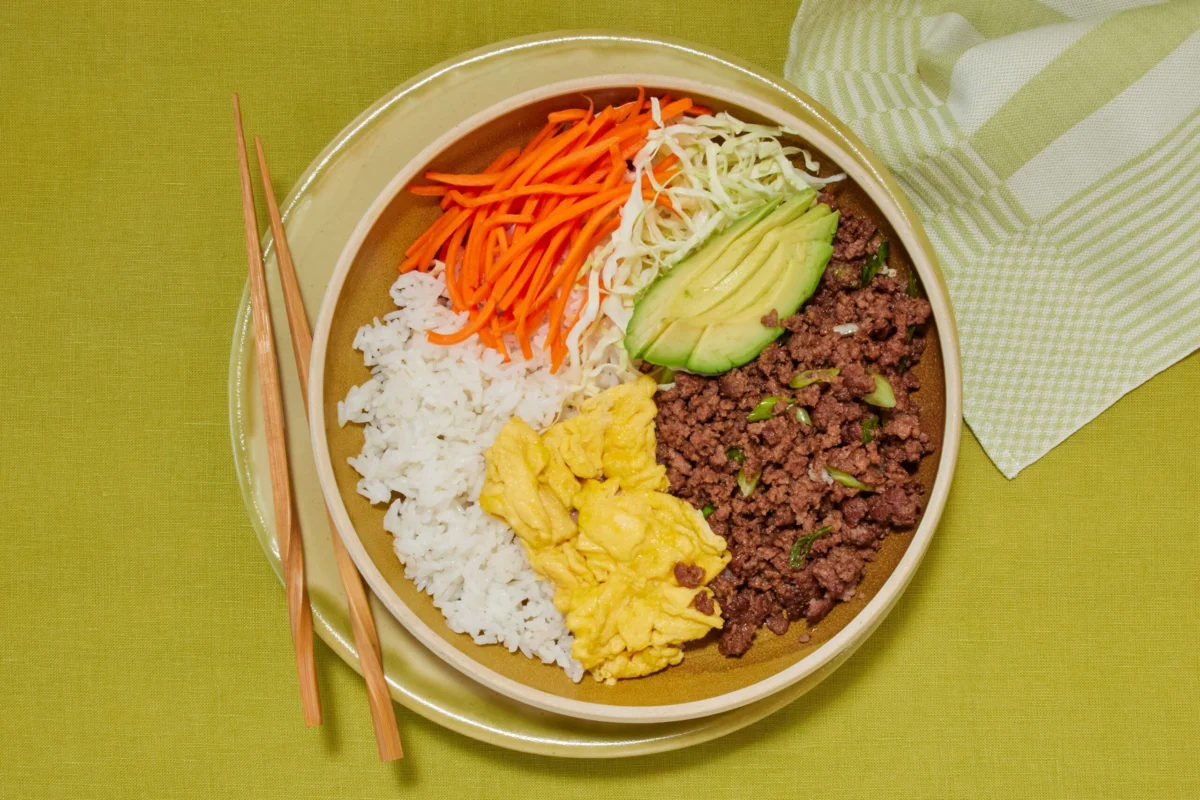
One of the most straightforward yet profoundly satisfying equations in the culinary world for a quick and nutritious dinner is the combination of rice with a savory accompaniment, a principle elegantly exemplified by Soboro Don. This quintessential Japanese rice bowl, known for its harmonious blend of textures and flavors, presents a compelling case for its increasing popularity both within Japan and across international palates. At its core, Soboro Don combines steamed short-grain rice with soboro (そぼろ)—finely crumbled ground meat, fish, or eggs—cooked to perfection and seasoned to deliver a deep umami profile, often complemented by an array of fresh toppings. While the dish offers immense flexibility, a classic rendition frequently features ground beef meticulously seasoned with sake, mirin, soy sauce, and scallions, paired with scrambled eggs, shredded cabbage, carrots, and creamy avocado, providing a delightful interplay of freshness and crunch. This adaptability extends to virtually any vegetable available, from peas and mushrooms to asparagus, making it a pragmatic and versatile choice for diverse dietary preferences and kitchen inventories.
Understanding Soboro Don: A Culinary Deep Dive
Soboro Don is more than just a simple meal; it embodies a fundamental aspect of Japanese culinary philosophy: balancing simplicity with profound flavor and nutritional completeness. The term "soboro" refers specifically to the cooking technique where ingredients, typically ground meat, fish (like cod or salmon), or eggs, are finely minced or grated and then cooked while constantly stirring until they achieve a delicate, crumbly texture. This method not only ensures even cooking and flavor distribution but also creates a distinct mouthfeel that differentiates it from more coarsely ground preparations.
The primary protein in Soboro Don can vary significantly. While ground beef, seasoned with the traditional triumvirate of sake, mirin, and soy sauce, offers a rich, deeply savory experience, ground chicken or pork are also common, each lending its unique character to the dish. The constant stirring during cooking is crucial; it prevents the meat from clumping, ensuring each particle is coated in the sweet-savory glaze derived from the seasoning agents. Sake, Japanese rice wine, adds a layer of umami and helps tenderize the meat, while mirin, a sweet cooking rice wine, contributes a subtle sweetness and a characteristic glossy sheen. Soy sauce, the ubiquitous Japanese condiment, provides the foundational salty and umami notes that define much of the cuisine. Finely chopped scallions are often incorporated during cooking or as a garnish, adding a fresh, piquant counterpoint to the richness of the meat.
The Donburi Tradition: A Foundation of Japanese Cuisine
Soboro Don belongs to a broader category of Japanese dishes known as donburi (丼), which literally translates to "bowl" and refers to a meal consisting of a generous serving of steamed rice topped with various ingredients. The donburi tradition is a cornerstone of Japanese comfort food, celebrated for its convenience, satisfying nature, and often, its affordability. Originating as a practical way to serve quick, hearty meals, donburi bowls have evolved over centuries, giving rise to numerous regional and specialized variations.
The simplicity of donburi lies in its single-bowl format, which streamlines both preparation and consumption. This efficiency has made it a staple in homes, casual eateries, and bento boxes across Japan. Beyond Soboro Don, other popular donburi include Gyudon (beef bowl), Katsudon (pork cutlet bowl), Oyakodon (chicken and egg bowl), and Tendon (tempura bowl), each offering a distinct flavor profile and cultural significance. The concept is universally appealing: a complete, balanced meal in one convenient vessel.
A Historical Perspective: The Evolution of Japanese Rice Bowls
The history of donburi, and by extension Soboro Don, is intertwined with the culinary and societal developments of Japan. While the exact origins are somewhat debated, the concept of serving food over rice in a single bowl gained prominence during the Edo period (1603-1868). Early forms of donburi were often associated with street vendors and theatregoers who sought quick, nourishing meals.
From Edo to Modern Tables: Donburi’s Journey
During the Edo period, a dish called "unagi donburi" (eel bowl) is often cited as one of the earliest recognized donburi, served in the late 18th century. The convenience of a pre-prepared meal, served hot and ready to eat, resonated with the bustling urban populations of Edo (modern-day Tokyo). As Japanese society modernized and culinary techniques evolved, the variety of toppings expanded significantly. The Meiji period (1868-1912) saw further popularization and diversification of donburi, as new ingredients and cooking methods became more widespread.
Soboro itself, as a preparation technique, has an even longer history in Japanese cooking, often used for bento boxes due to its ease of transport and ability to stay fresh. The combination of soboro with rice to form Soboro Don likely solidified its place as a common household dish during the Showa era (1926-1989), becoming a beloved fixture in school lunches and home dinners. Its practicality, nutritional value, and appealing presentation—often featuring distinct color blocks of soboro, egg, and green vegetables—contributed to its widespread adoption.
Key Ingredients and Their Historical Significance
The core ingredients of Soboro Don also boast rich histories. Rice, particularly short-grain japonica rice, has been the dietary staple of Japan for millennia, deeply ingrained in its culture and economy. The cultivation of rice shaped agricultural practices, social structures, and even religious rituals.
Soy sauce, an essential component, traces its origins back to ancient China and was introduced to Japan centuries ago. Its development into the distinctive Japanese shoyu (醤油) reflects a long process of fermentation refinement. Mirin, initially a sweet alcoholic drink, evolved into a cooking condiment during the Edo period, valued for its ability to add luster and a delicate sweetness to dishes without overwhelming other flavors. Sake, too, has a venerable history, used not only as a beverage but also as a crucial ingredient in marinades and broths, enhancing umami and mitigating unwanted odors in proteins. The widespread availability and refinement of these core seasonings over time were instrumental in the development and popularization of dishes like Soboro Don.
The Anatomy of a Modern Soboro Don
A well-executed Soboro Don is a testament to balanced flavors and textures. The foundation is always perfectly cooked, slightly sticky short-grain Japanese rice, which provides a neutral canvas for the savory toppings. The ground beef soboro, prepared with sake, mirin, and soy sauce, offers a rich, umami-laden, and slightly sweet flavor profile. This is classically complemented by iri tamago, scrambled eggs cooked with a touch of dashi, soy sauce, or mirin until finely crumbled, adding a soft, slightly sweet, and vibrant yellow counterpoint.
Nutritional Balance: A Core Tenet
Beyond its appealing taste, Soboro Don is a remarkably balanced meal from a nutritional standpoint. It typically offers a robust combination of macronutrients: carbohydrates from the rice, high-quality protein from the meat or eggs, and essential vitamins and fiber from the accompanying vegetables.
A standard serving of Soboro Don, including rice, soboro, eggs, and a medley of vegetables, can provide a significant portion of daily energy requirements, along with crucial micronutrients. For example, ground beef provides iron and B vitamins, while eggs are a complete protein source rich in choline. The fresh vegetables—such as shredded cabbage, carrots, and avocado—contribute vitamins A, C, and K, dietary fiber, and healthy fats. This nutritional completeness makes Soboro Don an excellent option for a family meal, aligning with contemporary dietary recommendations for balanced intake. Culinary nutritionists often highlight donburi dishes for their potential to deliver a diverse range of nutrients in a single, manageable portion, making them a practical choice for healthy eating.
The Role of Umami: Sake, Mirin, and Soy Sauce
The profound savory depth of Soboro Don is largely attributable to the concept of umami, the fifth basic taste, which is a cornerstone of Japanese cuisine. Sake, mirin, and soy sauce are powerful umami contributors. Soy sauce is rich in glutamates, the compounds responsible for umami. Sake adds succinic acid and other umami compounds, while mirin, despite its sweetness, also contributes to the overall flavor complexity and mouthfeel. When these ingredients are cooked together with meat, they create a synergistic effect, amplifying the savory notes and leaving a lingering, satisfying taste. This careful layering of flavors elevates the dish from simple components to a cohesive and deeply satisfying culinary experience.
Global Appeal and Adaptability
The inherent simplicity, deliciousness, and nutritional value of Soboro Don have contributed significantly to its rising global popularity. As Japanese cuisine continues its worldwide expansion, moving beyond sushi and ramen to encompass a wider array of traditional dishes, Soboro Don stands out as an accessible and versatile entry point for many.
Soboro Don on the International Stage
In recent years, the demand for convenient, healthy, and flavorful home-cooked meals has surged globally. Soboro Don fits this niche perfectly, requiring relatively simple ingredients and a straightforward cooking process. Food blogs, online cooking communities, and culinary publications worldwide have increasingly featured recipes for Soboro Don, highlighting its ease of preparation and customizable nature.
According to market research firms tracking global food trends, Japanese cuisine has consistently ranked among the top ethnic food categories experiencing growth. This expansion is fueled by an increasing consumer appreciation for umami flavors, fresh ingredients, and balanced meals. Soboro Don, with its approachable ingredients and comforting appeal, has found a welcoming audience in diverse cultural contexts, from North America and Europe to Southeast Asia. Its presentation, often colorful and neat, also appeals to a visually driven food culture, making it popular on social media platforms.
Customization and Dietary Inclusivity
One of Soboro Don’s greatest strengths is its remarkable adaptability. While the classic beef and egg combination is timeless, the dish readily accommodates various dietary needs and preferences, a key factor in its global acceptance.
- Protein Variations: For those who prefer alternatives to beef, chicken soboro (often seasoned with ginger) or pork soboro are popular choices. For pescatarians, crumbled cooked salmon or cod can be used. Vegetarians and vegans can substitute the meat with crumbled firm tofu, tempeh, or even mushrooms, seasoned similarly to achieve a savory, umami-rich topping.
- Vegetable Medley: The selection of vegetables is entirely flexible. While shredded cabbage, carrots, and avocado offer a classic crunch and creaminess, seasonal availability or personal preference can lead to additions like blanched green beans, spinach, broccoli florets, bell peppers, or even corn. This allows for constant variation, preventing meal fatigue and maximizing nutritional intake.
- Flavor Adjustments: The seasoning can also be tweaked. A touch of chili oil can add a spicy kick, while a drizzle of sesame oil can introduce a nutty aroma. For those avoiding gluten, tamari can be used in place of soy sauce. This inherent flexibility makes Soboro Don a "choose-your-own-adventure" meal, appealing to a wide demographic seeking personalized dining experiences.
Culinary Insights and Expert Perspectives
Culinary experts and nutritionists frequently commend Soboro Don for its elegant simplicity and robust nutritional profile.
Chefs Weigh In: Simplicity Meets Sophistication
Chef Akira Watanabe, a renowned proponent of traditional Japanese home cooking, notes, "Soboro Don perfectly encapsulates the philosophy of washoku—Japanese cuisine—where humble ingredients are transformed through precise techniques and balanced seasonings into something truly satisfying. It’s a dish that teaches restraint and the power of umami." He emphasizes that the apparent simplicity belies a sophisticated understanding of flavor layering and texture contrast. "The delicate crumble of the soboro, the fluffy rice, the tender eggs, and the crisp freshness of the vegetables—each element plays a crucial role in the overall experience."
Many chefs appreciate Soboro Don for its ability to showcase the quality of its individual components. The minimal processing allows the natural flavors of the meat and vegetables to shine through, enhanced rather than masked by the seasonings. This makes it a popular item in bento boxes served in high-end Japanese delis and a common feature in casual Japanese dining establishments worldwide, where its authenticity and approachable nature are valued.
The Home Cook’s Ally: Efficiency and Flavor
For home cooks, Soboro Don represents an ideal weeknight meal solution. Nutritionist Dr. Anya Sharma highlights its practical advantages: "In an era where time is a precious commodity, Soboro Don offers a complete, balanced meal that can be prepared relatively quickly. It’s an excellent way to incorporate diverse vegetables and lean proteins into the diet without extensive culinary skills." She also points to its suitability for meal prepping, as both the soboro and eggs can be cooked in advance and stored, making assembly even faster. The dish’s appeal to children, often drawn to its colorful appearance and mild, savory flavors, further cements its status as a family favorite. Online cooking platforms and communities frequently feature Soboro Don as a go-to recipe for busy individuals and families, reinforcing its reputation as an efficient and flavorful culinary solution.
Economic Footprint and Market Trends
The widespread consumption of Soboro Don, both domestically and internationally, has discernible economic implications, influencing agricultural markets, food service industries, and the trade of key ingredients.
Ingredient Sourcing and Sustainability
The primary ingredients—rice, ground meat, eggs, and common vegetables—are staples in most global food supply chains. The demand for these components, driven in part by the popularity of dishes like Soboro Don, contributes to agricultural production cycles. In Japan, the emphasis on high-quality short-grain rice supports domestic farming. Globally, the increased interest in Japanese cuisine fuels the import of specific condiments like authentic sake, mirin, and soy sauce, creating specialized market segments.
As consumer awareness around sustainable sourcing grows, there is an increasing push for ethically raised meat and poultry, and locally sourced vegetables for dishes like Soboro Don. This trend influences suppliers to meet higher standards of animal welfare and environmental stewardship, aligning the culinary practice with broader sustainability goals. The simplicity of the dish also means it can be prepared with ingredients from local markets, reducing food miles and supporting regional economies.
The "Quick Meal" Segment and Japanese Cuisine Growth
The "quick meal" segment of the food industry is a significant driver of economic activity, and Soboro Don fits perfectly within this category. Its ease of preparation and versatility make it a popular choice for ready-to-eat meals, bento boxes, and meal kits. The global market for Japanese food is projected to continue its robust growth, with a compound annual growth rate (CAGR) that underscores a sustained consumer interest. This growth extends beyond restaurant dining to grocery store aisles, where Japanese ingredients and pre-packaged meal components are becoming increasingly available. The economic impact includes not only the sales of raw ingredients but also the value added through processing, distribution, and the food service industry, creating jobs and fostering culinary innovation.
The Broader Implications: Culture, Health, and Innovation
Soboro Don, in its unassuming elegance, carries broader implications that extend beyond the plate, touching upon cultural exchange, public health, and culinary innovation.
A Culinary Bridge: Connecting Cultures Through Food
As a representative of donburi cuisine, Soboro Don acts as a culinary ambassador, offering a tangible and delicious entry point into Japanese food culture for people worldwide. Its approachable nature helps demystify Japanese cooking, encouraging individuals to explore beyond the more widely recognized sushi and ramen. This culinary exchange fosters a deeper appreciation for diverse food traditions and promotes cross-cultural understanding. The sharing of recipes and techniques for Soboro Don through digital platforms further facilitates this global dialogue, turning a simple meal into a medium for cultural connection.
Looking Ahead: The Future of Simple Japanese Dishes
The enduring appeal of Soboro Don suggests a promising future for simple, balanced Japanese dishes in the global culinary landscape. Its inherent flexibility positions it well for continued adaptation to emerging dietary trends, such as plant-based eating (via tofu or mushroom soboro) and low-carb diets (by adjusting rice portions or substituting with cauliflower rice). The focus on fresh ingredients and clear flavors aligns with contemporary preferences for wholesome, less processed foods.
As global culinary boundaries continue to blur, Soboro Don exemplifies how traditional dishes can remain relevant and even thrive by embracing innovation while preserving their fundamental essence. It serves as a reminder that some of the most profound culinary experiences stem from the thoughtful combination of simple, high-quality ingredients, prepared with care and an understanding of balance—a timeless principle that ensures Soboro Don’s continued prominence on dinner tables worldwide.
