

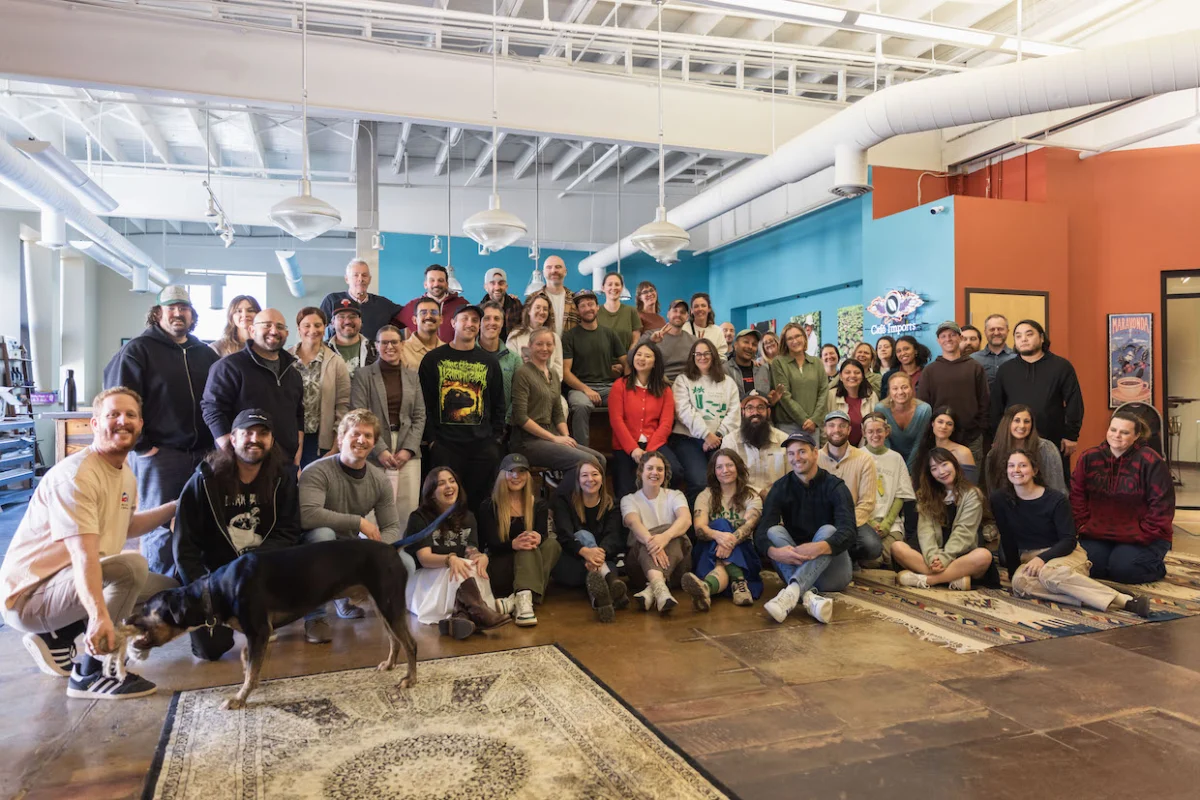
Minneapolis-based green coffee importer Cafe Imports has officially transitioned to 100% employee ownership, a significant milestone announced today. The company has established an Employee Stock Ownership Plan (ESOP), a move that underscores its commitment to its workforce and its long-term vision for independence within the competitive specialty coffee market. This strategic shift, implemented after 33 years of operation, places the future of the company directly in the hands of the individuals who have contributed to its growth and success.
A New Era of Ownership: Preserving Independence and Fostering Loyalty
The transition to an ESOP marks a pivotal moment for Cafe Imports, a company that has carved out a strong reputation for its dedication to quality, transparency, and robust producer relationships. Founded in 1993 by Andrew Miller, the company’s journey began with a single container of coffee from a friend’s family farm in Brazil, a humble beginning that has since blossomed into a global operation. Miller’s decision to implement an ESOP was driven by a desire to preserve the company’s core values and its operational autonomy.
"Employee ownership allows us to preserve that independence, support the long-term future of the company, and continue investing in the people and relationships that have shaped who we are," stated Andrew Miller, founder of Cafe Imports. This sentiment highlights a common motivation behind ESOP adoptions: ensuring the company’s legacy and operational philosophy remain intact, free from the pressures often associated with external acquisitions or traditional private equity investment. The financial terms and specific valuation of the transaction were not disclosed, as is typical in many private ESOP transitions. However, the structure involves a trust that will hold company stock on behalf of eligible participating employees.
Understanding the ESOP Model: A Retirement Benefit and a Stake in Success
An Employee Stock Ownership Plan is a qualified retirement benefit plan governed by federal law. Under an ESOP, employees gradually accumulate company stock within their retirement accounts. The allocation of shares is determined by the plan’s specific rules, often tied to factors such as salary, tenure, or a combination thereof. Typically, employees receive the vested value of their accumulated shares upon retirement, separation from the company, or other triggering events defined by the ESOP.
This model creates a direct financial stake for employees in the company’s performance. As the company grows and its value increases, so too does the value of the stock held by employees. This can foster a heightened sense of loyalty, engagement, and a shared commitment to achieving business objectives. The grocery chain Publix, a well-known national example, has operated successfully for decades as a prominent employee-owned company through its ESOP.
Cafe Imports: A Global Team with Deep Roots
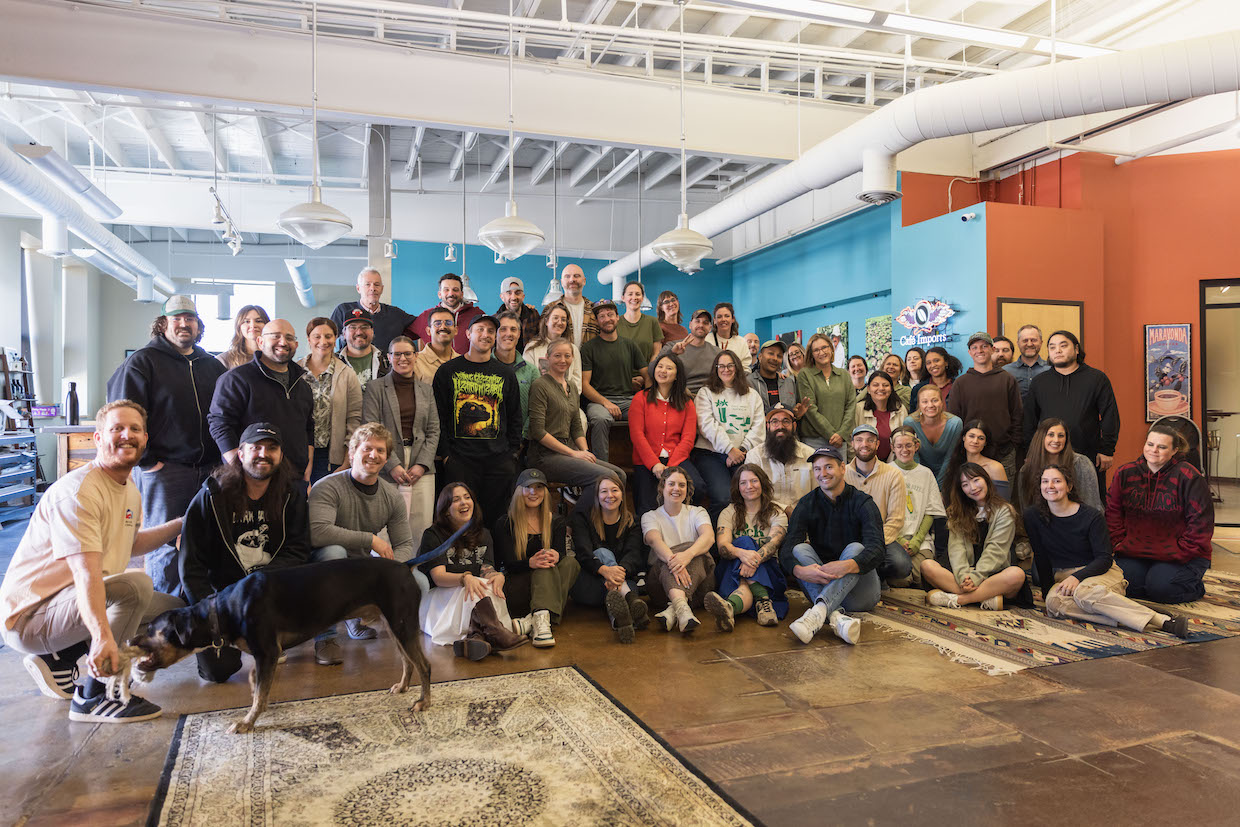
Cafe Imports currently employs 68 individuals across four offices, representing a diverse global talent pool with origins from 17 different countries and regions. This international presence reflects the company’s extensive reach and its commitment to fostering relationships across the coffee-producing and consuming world. The company’s 2026 Progress Report underscores this diversity and its integrated approach to global coffee trade. While specific details regarding employee eligibility, vesting schedules, and share allocation mechanisms within the Cafe Imports ESOP were not publicly disclosed, the overarching framework signifies a profound investment in its human capital.
Miller’s founding vision for Cafe Imports was rooted in building meaningful connections within the coffee supply chain. His decision to pursue an ESOP structure is a direct extension of this philosophy, aiming to perpetuate the company’s established trajectory rather than positioning it for a sale to outside entities. "My main priority during this process was to keep the integrity of what I spent the majority of my life building and keep the company on the same path we have been on," Miller elaborated in the company’s press release. This indicates a deliberate strategy to maintain continuity in business practices, ethical sourcing, and the company’s long-standing relationships with both producers and customers.
A Legacy of Innovation and Education
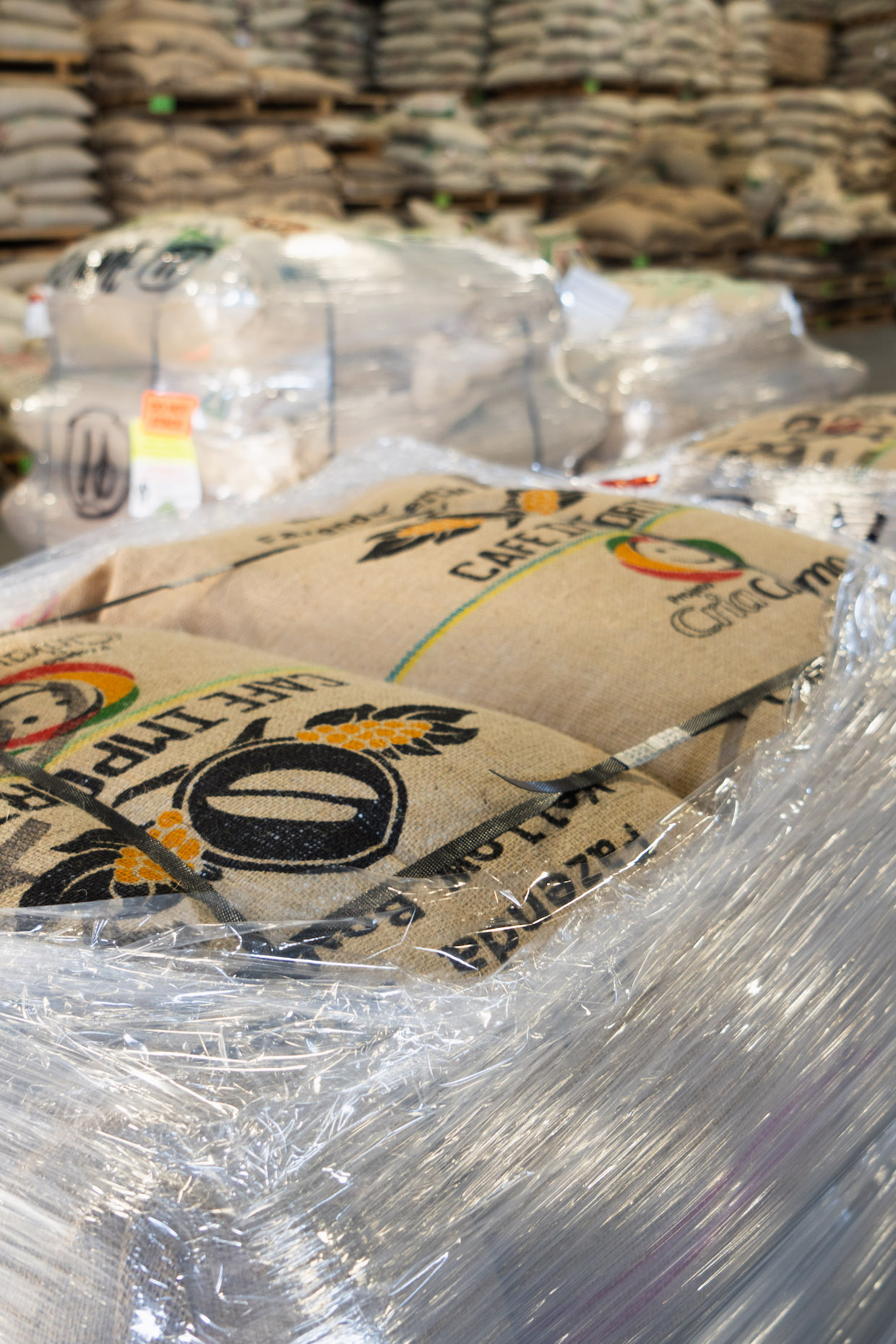
The ESOP transition solidifies Cafe Imports’ progressive approach, which has been a hallmark of the company for over three decades. Cafe Imports played an influential role in the evolution of specialty coffee, often referred to as the "Third Wave" movement. The company championed the sourcing of high-quality, traceable coffee lots, emphasizing the importance of long-term partnerships with coffee producers and advocating for transparency throughout the supply chain. This commitment has not only benefited the company but has also contributed to the broader advancement of ethical and sustainable practices within the coffee industry.
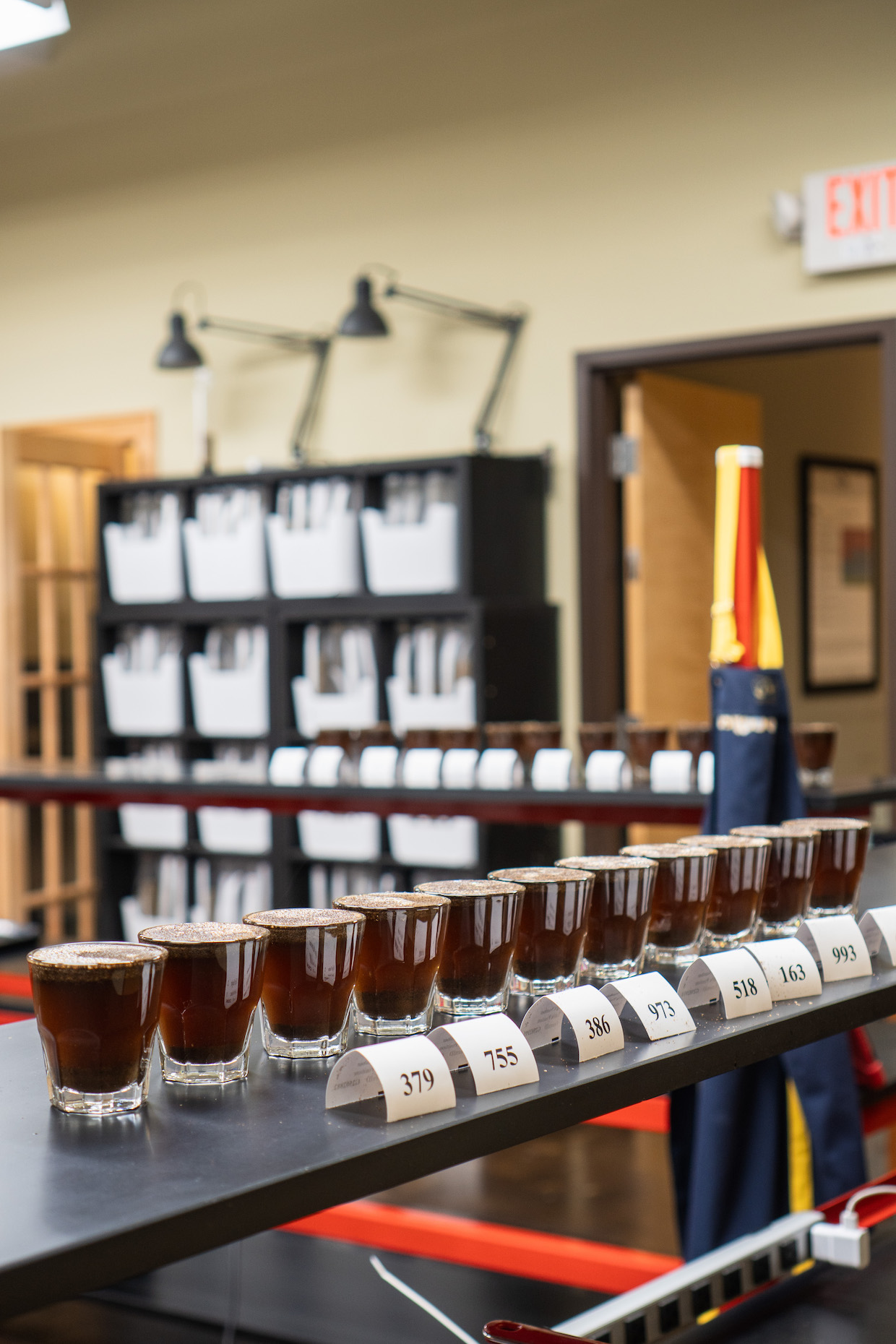
In recognition of its commitment to social and environmental responsibility, Cafe Imports achieved certification as a B Corporation in 2023. This designation signifies adherence to rigorous standards of social and environmental performance, accountability, and transparency. Furthermore, the company has consistently prioritized roaster and consumer education. A notable initiative is the 2023 launch of its "ed+u" coffee education platform, designed to empower learners and educators with comprehensive knowledge about coffee. These educational endeavors align with the company’s broader mission to foster a deeper understanding and appreciation of specialty coffee.
Navigating Market Challenges: Resilience in a Volatile Landscape
The timing of this ownership transition is particularly noteworthy, occurring amidst a challenging period for independent and mid-sized coffee traders. The industry has grappled with historically high green coffee prices, significant market volatility, and escalating financing requirements, which have placed considerable strain on working capital for many businesses.
The impact of these market conditions has been evident in recent industry developments. Mercon Coffee Group, a prominent player in the coffee trade, filed for Chapter 11 bankruptcy protection in late 2023. Subsequently, in early 2025, Brazilian traders Atlantica and Cafebras sought bankruptcy protection, collectively facing substantial debt. Further illustrating the market’s pressures, Germany-based Benecke Coffee, the parent company of specialty importer Rehm & Co., entered insolvency proceedings before Rehm was eventually integrated into the Sucafina Group.
Cafe Imports itself acknowledged these market headwinds in February 2025, noting in a blog post that elevated coffee prices were creating new cash requirements and financial strain across the supply stream. The company’s proactive approach in securing its future through employee ownership can be viewed as a strategic measure to enhance resilience and ensure stability in the face of such market uncertainties.
"For years, we continued the focus of finding coffees that excited us and finding roasters that saw the value we did in these exceptional coffees," Miller reflected. "Thankfully, success followed, but the path certainly wasn’t linear." This statement underscores the entrepreneurial spirit and perseverance that have characterized Cafe Imports’ growth, highlighting the inherent risks and rewards of operating within the global commodity market. The transition to employee ownership can be seen as a testament to the company’s long-term vision and its commitment to weathering market fluctuations by empowering its most valuable asset: its people.
The move to an ESOP positions Cafe Imports for continued growth and innovation, underpinned by a workforce that is directly invested in its success. As the specialty coffee industry continues to evolve, this new ownership structure provides a solid foundation for Cafe Imports to maintain its influential role and uphold its commitment to quality, sustainability, and the global coffee community.
