

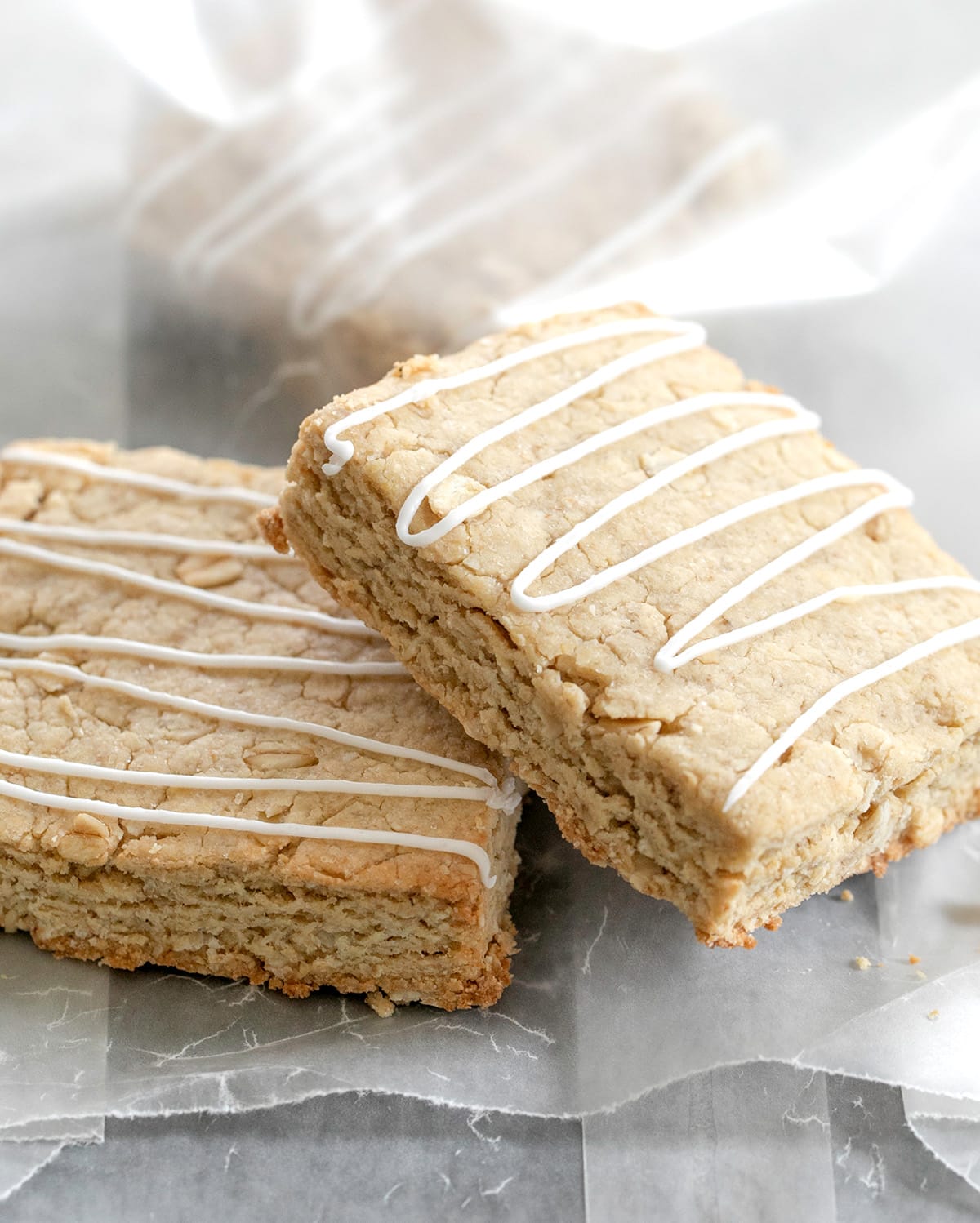
These gluten-free breakfast bars offer a delightful taste of classic brown sugar and cinnamon oatmeal, transformed into a convenient and chewy square. Designed with a focus on familiar oatmeal flavors, they strike a perfect balance of texture and sweetness, making them an ideal choice for both adults and children seeking a satisfying and wholesome breakfast or snack option. The bars are crafted to maintain their integrity, ensuring they are sturdy enough for on-the-go consumption without crumbling, and their ability to freeze well further enhances their practicality for busy schedules.
The Science Behind the Success: Why This Recipe Excels
The appeal of these gluten-free breakfast bars lies in their carefully selected ingredients and preparation methods, which collectively ensure a superior texture and flavor profile. The foundation of the bars is a thoughtful combination of oat flour and rolled oats. This pairing is crucial for delivering that authentic, comforting oatmeal essence without relying on less desirable crunchy additions like nuts. The oat flour contributes to a smooth, satisfyingly chewy crumb, while the whole rolled oats provide just enough textural variation to prevent monotony, creating a pleasant mouthfeel.
The sweetness and flavor are expertly balanced by the inclusion of brown sugar and cinnamon. Brown sugar imparts a subtle caramel note, enhancing the overall warmth of the flavor, while cinnamon adds its characteristic aromatic spice. A touch of honey plays a dual role: it contributes to the nuanced sweetness and acts as a vital binding agent, ensuring the ingredients cohere into a cohesive bar. This deliberate ingredient selection results in bars that are notably less sweet and significantly less sticky than many commercially available or homemade gluten-free granola bars.
Furthermore, the baking process is optimized to preserve the desired texture. By employing a lower baking temperature, the bars achieve a pale, soft, and wonderfully chewy consistency, eschewing the deeper browning that can sometimes lead to a drier or harder texture. This gentle baking method ensures that the bars remain tender and inviting, reminiscent of a perfectly prepared bowl of oatmeal. The resulting bars are not only delicious but also remarkably resilient, capable of withstanding transport in lunchboxes or bags without disintegrating. Their excellent freezing capabilities offer an additional layer of convenience, allowing for batch preparation and quick access to a healthy breakfast option.

Key Ingredients for Culinary Success
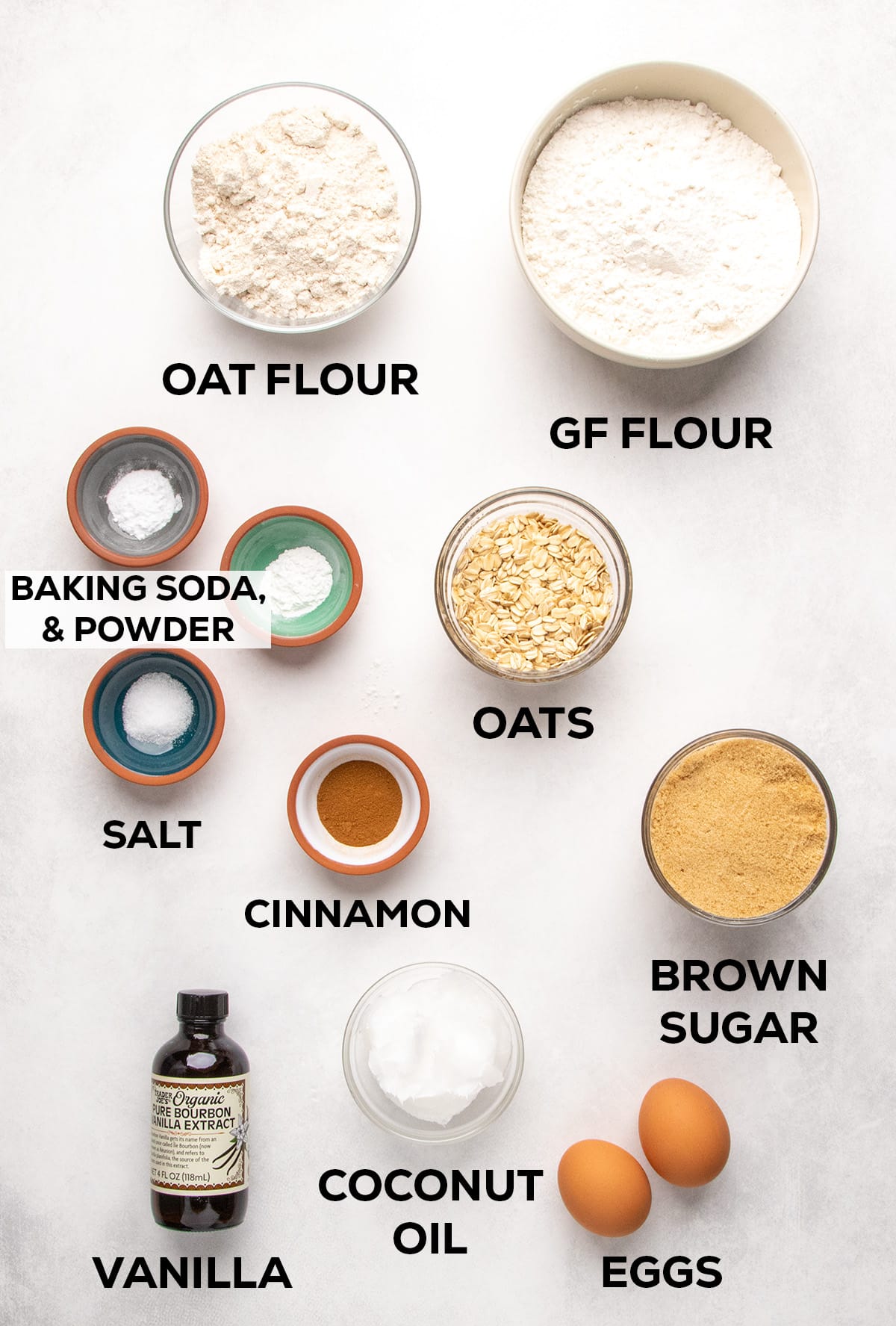
To achieve the delightful taste and texture of these gluten-free breakfast bars, a specific set of ingredients is required. The full quantities for each component are detailed in the accompanying recipe card, but the essential elements include:
- Gluten-Free Flour Blend: A well-balanced gluten-free flour blend is paramount. For optimal results, a blend containing xanthan gum is recommended. Specific recommendations often include Better Batter’s original all-purpose blend or Nicole’s Best multipurpose blend. If using Bob’s Red Mill 1-to-1 gluten-free baking flour, an additional ¼ teaspoon of xanthan gum may be beneficial to ensure adequate binding, as this blend might not contain sufficient binder on its own. Alternatively, a homemade gluten-free flour blend can be prepared using recipes designed for this purpose, providing greater control over the ingredient composition.
- Oat Flour: This provides the core oatmeal flavor and contributes to the chewy texture. It’s essential that this oat flour is certified gluten-free to avoid cross-contamination.
- Rolled Oats: Whole rolled oats add texture and reinforce the oatmeal character of the bars. Again, ensuring these are certified gluten-free is crucial.
- Leavening Agents: Baking powder and baking soda work in tandem to provide a slight lift and tenderness to the bars.
- Salt: A pinch of salt enhances the overall flavor profile, balancing the sweetness.
- Sweeteners: Light brown sugar offers a rich, caramel-like sweetness and moisture, while honey contributes sweetness and acts as a binder.
- Fat: Coconut oil, preferably refined to minimize any coconut flavor, is used for its tenderizing properties. Its solid state at cooler temperatures helps maintain the bar’s structure as it cools.
- Binder: Eggs are used to bind the ingredients together, contributing to the structure and richness of the bars. Vanilla extract adds a warm aromatic note.
For the optional glaze, ingredients typically include:
- Confectioners’ Sugar: The base for a smooth, sweet glaze.
- Liquid: Milk (dairy or non-dairy) or water is used to achieve the desired glaze consistency.
- Fat (Optional): For a richer glaze, unsalted butter or a vegan butter alternative can be incorporated.
Step-by-Step Guide to Crafting Gluten-Free Breakfast Bars
The creation of these gluten-free breakfast bars involves a straightforward process, amenable to home bakers of all skill levels. The following steps outline the general procedure:
Combining Dry Ingredients
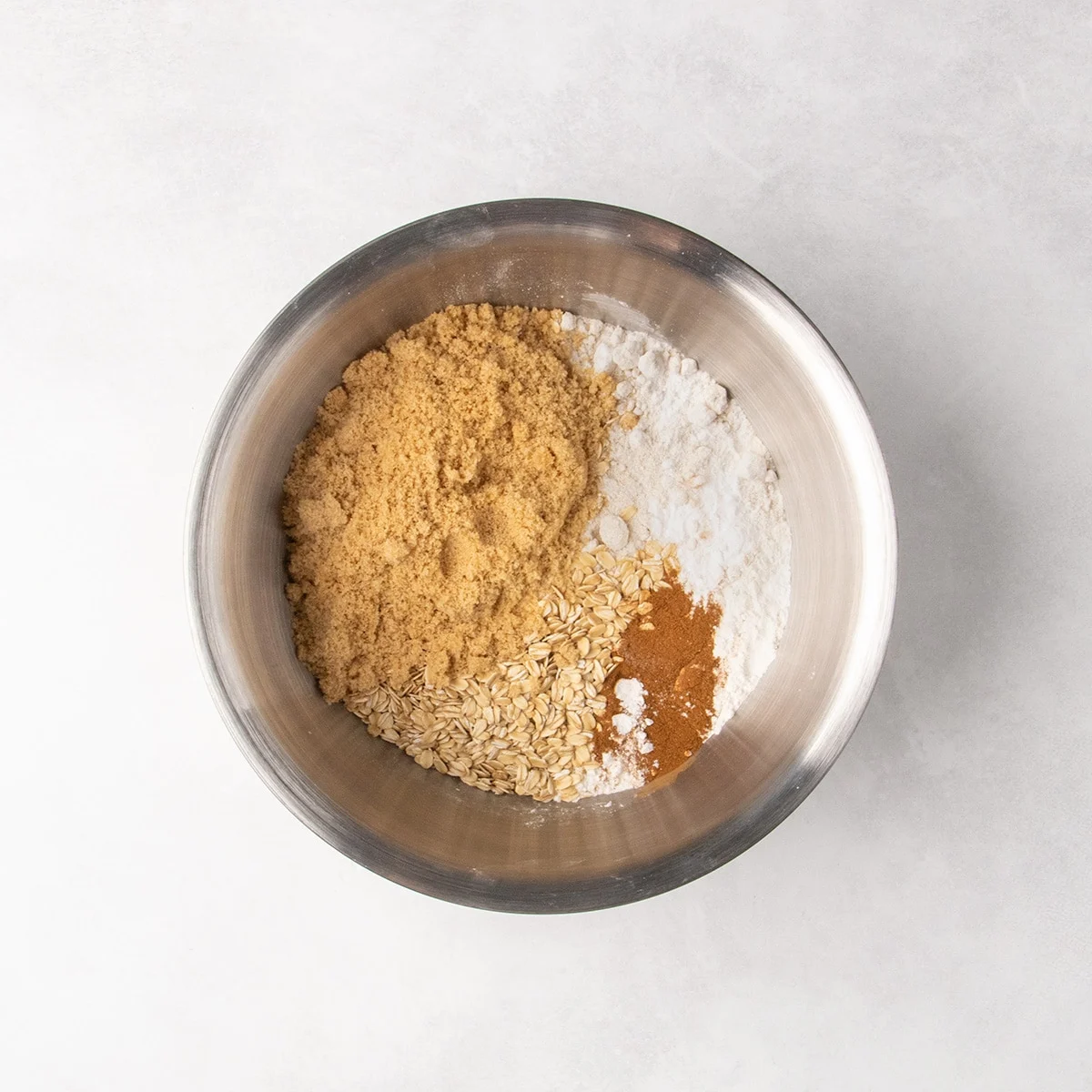
The initial step involves thoroughly whisking together all dry ingredients in a large mixing bowl. This includes the gluten-free flour blend, oat flour, baking powder, baking soda, salt, cinnamon, light brown sugar, and rolled oats. This preparatory step is vital for ensuring even distribution of leavening agents and salt, which prevents pockets of bitterness or saltiness. It also minimizes the amount of mixing required once the wet ingredients are introduced, thereby preventing overdevelopment of gluten (even in gluten-free baking, overmixing can affect texture) and ensuring a tender crumb. Particular attention should be paid to breaking up any clumps in the brown sugar, as residual moisture can cause it to harden, impacting the baking process and final texture.
Incorporating Wet Ingredients
Once the dry ingredients are well combined, the liquid components are added. This typically includes beaten eggs, melted coconut oil, and vanilla extract. The mixture is then stirred until just combined. The resulting dough should be thick and hold together when squeezed, indicating it has sufficient moisture. If any dry pockets remain, a small amount of lukewarm water can be added sparingly to those specific areas. It is crucial to proceed with caution when adding water, as excessive moisture can lead to the bars spreading excessively during baking.
Rolling the Dough
The dough is then transferred to a piece of parchment paper. It is roughly pressed into a square shape, approximately one inch thick. A rolling pin is then used to systematically roll the dough from the center outwards, aiming to create an 8-inch square that is about ¾-inch thick. If the dough proves to be prone to cracking during this process, it can be gathered back together by hand, pressed firmly to re-coalesce, and then re-rolled.
Shaping and Cutting for Optimal Rise
To encourage the bars to rise upward and maintain their thickness, the edges of the rolled dough square are sharpened. This is effectively achieved using a metal bench scraper or another straight-edged tool to create clean, upright walls along each of the four sides of the square. This technique is analogous to how sharp edges are formed on gluten-free biscuits to promote vertical expansion. Following this, the dough is cut into nine equal-sized squares. Employing sharp edges during cutting is beneficial for achieving neat, defined bars. If clean cuts prove challenging, refrigerating the dough briefly can firm it up, making it easier to slice.
Baking to Perfection
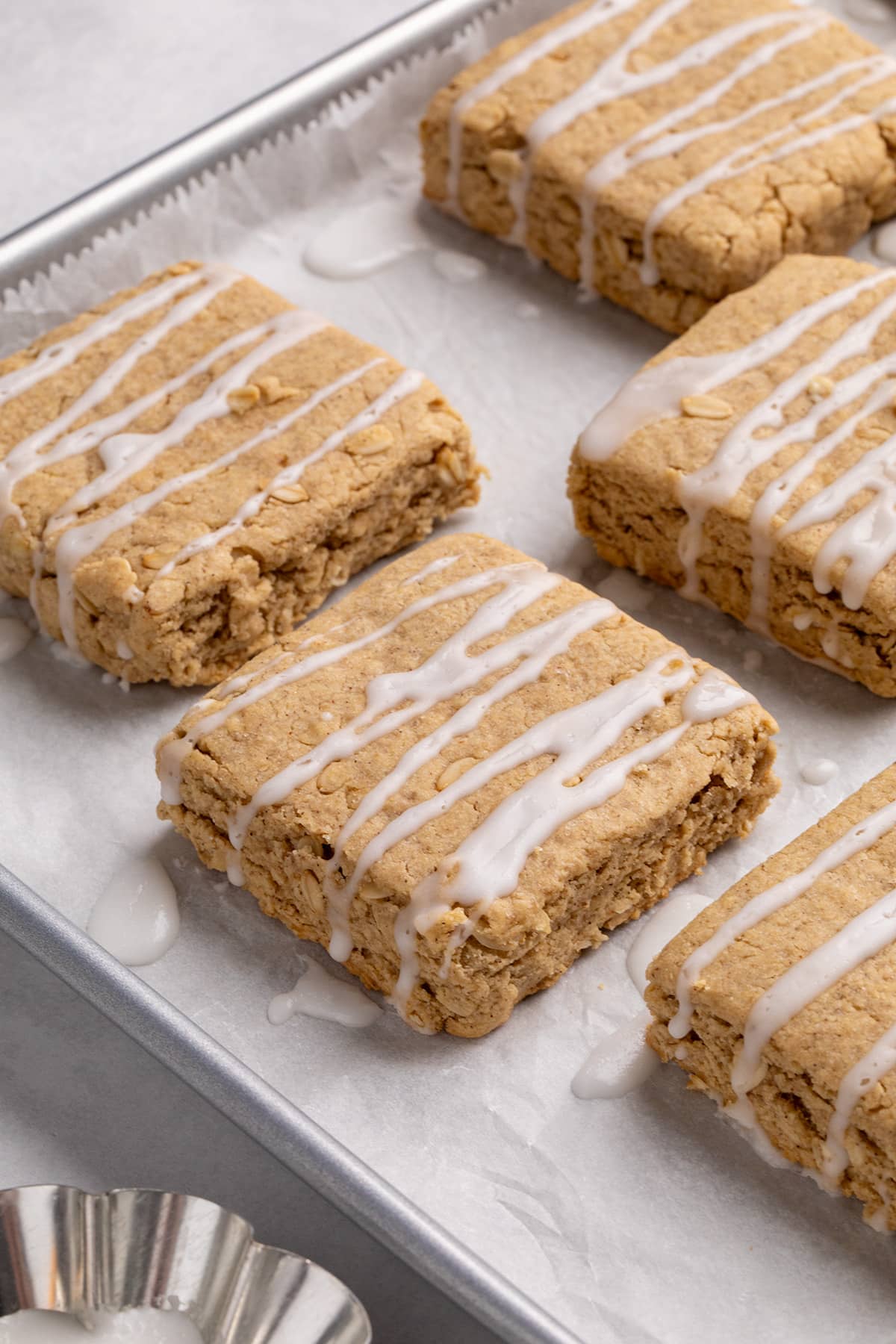
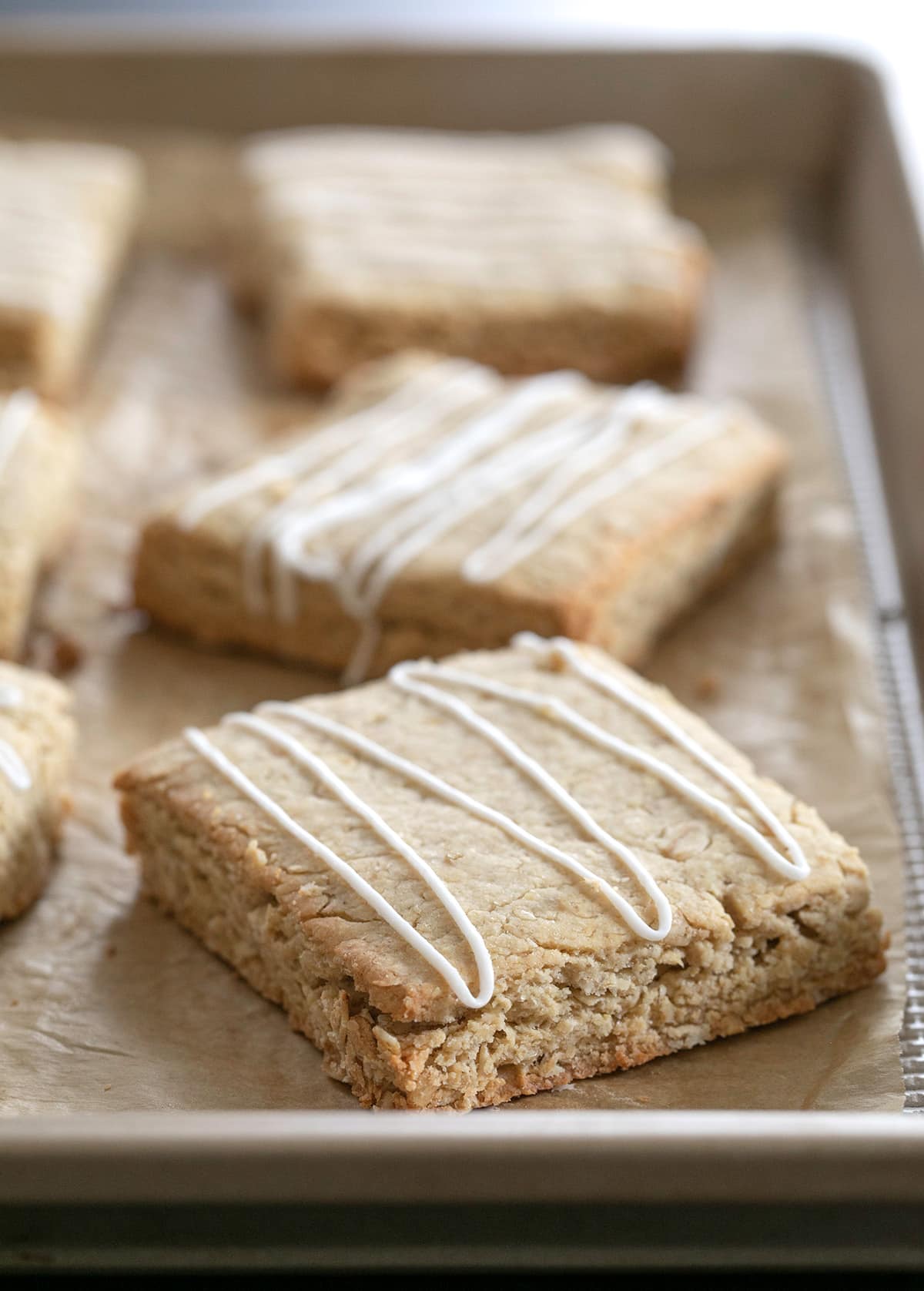
The shaped bars are then carefully placed on a parchment-lined baking sheet, ensuring adequate spacing (approximately one inch apart) to allow for even baking and slight expansion. The bars are baked in the center of a preheated oven at 325°F (160°C) for approximately 12 to 14 minutes. The bars are ready when they have risen slightly, about ¼-inch, and feel firm to the touch. This lower baking temperature and slightly extended time are key to achieving the pale, soft, and chewy characteristic that closely mimics the beloved flavor of oatmeal with brown sugar and cinnamon. Once the bars have cooled completely, an optional confectioners’ sugar glaze can be drizzled over them for an added touch of sweetness and visual appeal.
Expert Insights for Superior Results
Achieving the perfect gluten-free breakfast bar is enhanced by understanding a few key techniques. Unlike many bar recipes that are baked as a single sheet and then cut, these bars are shaped and cut before baking. This pre-shaping method contributes significantly to their sturdiness and portability.
Prudent Water Addition
The dough for these bars should possess a thick, somewhat dry consistency, yet it must cohere when compressed in the hand. It is imperative to add lukewarm water with extreme caution, introducing it only to visibly dry patches. Drizzling in too much liquid can compromise the bar’s ability to hold its shape during baking, leading to undesirable spreading rather than a proud, thick rise.
The Art of Sharpening Edges
After rolling the dough into a uniform square, utilizing a bench scraper or similar tool to create sharp, vertical sides is a critical step. These well-defined edges serve to guide the bars’ expansion upward during baking, ensuring they remain thick and retain their intended structure, rather than spreading outward and becoming flat.
Strategic Use of Coconut Oil
The type of coconut oil used is important. Refined coconut oil that solidifies at cool room temperature is recommended. This choice ensures that the oil resolidifies as the bars cool, contributing to their tender texture without imparting a greasy feel. If a coconut flavor is undesirable, triple-filtered coconut oil is an excellent alternative, as it is virtually odorless and tasteless.
Navigating Ingredient Substitutions
For those with dietary restrictions or preferences, several ingredient substitutions can be made while largely preserving the integrity of the recipe:
Dairy-Free Adaptations
The base recipe for the breakfast bars is naturally dairy-free, as it specifies coconut oil instead of butter. To ensure the optional glaze is also dairy-free, non-dairy milk or water can be used as the liquid component. For the fat in the glaze, vegan butter alternatives such as Earth Balance buttery sticks or block-style vegan butters like Melt or Miyoko’s brand can be substituted for unsalted butter.
Egg-Free Alternatives
Individuals requiring an egg-free option have several viable substitutes. Two "chia eggs" (1 tablespoon of ground chia seeds mixed with 2 tablespoons of water and allowed to gel for 10-15 minutes) can replace the regular eggs. Alternatively, commercial egg replacers like Bob’s Red Mill egg replacer or Just Egg liquid egg replacer can be used, following the package instructions for equivalent measurements.
Coconut Oil Variations
For those who prefer to avoid the taste of coconut, triple-filtered coconut oil is an excellent choice, as it has a neutral flavor profile. If coconut oil is an allergen or cannot be used, vegetable shortening can be substituted. While melted unsalted butter can also be used, it may result in slightly drier bars due to its lower fat content compared to oil.
Oat-Free Solutions
For individuals with oat sensitivities or allergies, alternative ingredients can be employed. To replace the oat flour, quinoa flakes can be ground into a fine powder. For the rolled oats, rolled buckwheat can serve as a suitable substitute, offering a similar textural element.
Ensuring Optimal Storage and Freshness
These gluten-free breakfast bars are designed for convenience and longevity. When stored properly in an airtight container or individually wrapped in plastic wrap, they will remain fresh at room temperature for at least three days. It is worth noting that in warmer climates or during warmer months, the glaze may become slightly tacky at room temperature. For extended storage, it is recommended to wrap each bar individually in freezer-safe wrap and freeze them for up to three months. To enjoy a frozen bar, it can be defrosted at room temperature or gently warmed in a microwave on half power for approximately 30 seconds.
Background and Context
The development of recipes like these gluten-free breakfast bars reflects a broader trend in the food industry towards accommodating dietary restrictions without compromising on taste or quality. The rise of gluten-free diets, whether for medical necessity (like Celiac disease) or personal choice, has spurred innovation in baking and food preparation. This particular recipe addresses the common challenge of finding convenient, portable, and genuinely satisfying gluten-free breakfast options that appeal to a wide audience, including children who might otherwise be drawn to less healthy alternatives. The focus on replicating the comforting flavors of traditional oatmeal signifies a desire to provide inclusive options that don’t require significant dietary sacrifices.
Broader Impact and Implications
The availability of well-formulated gluten-free recipes like these breakfast bars has significant implications for individuals managing gluten-related disorders. It empowers them with the ability to prepare wholesome, safe, and delicious food at home, reducing reliance on often expensive and sometimes less palatable commercially produced gluten-free products. Furthermore, recipes that are easily customizable, as demonstrated by the various ingredient substitution options, cater to a wider range of dietary needs and preferences within the gluten-free community. This fosters a sense of normalcy and culinary inclusion, allowing individuals to enjoy familiar flavors and textures that might otherwise be inaccessible. The emphasis on texture and taste also highlights a growing understanding that gluten-free does not have to mean a compromise on sensory experience.
Nutritional Considerations
The nutritional information provided for these gluten-free breakfast bars (excluding the optional glaze) indicates that a single bar contains approximately 369 calories, 71g of carbohydrates, 5g of protein, and 13g of fat. This breakdown suggests they are a relatively energy-dense option, suitable for providing sustained energy. The fiber content of 3g per bar contributes to digestive health, while the sugar content of 18g is largely derived from natural sources like brown sugar and honey. It’s important to note that nutritional information can vary based on specific ingredient brands and precise measurements. For individuals closely monitoring their intake, using a reliable nutrition calculator with exact ingredient details is recommended. The exclusion of the glaze from the primary nutritional data is a common practice, as glazes can significantly alter the caloric and sugar content of a baked good.
