

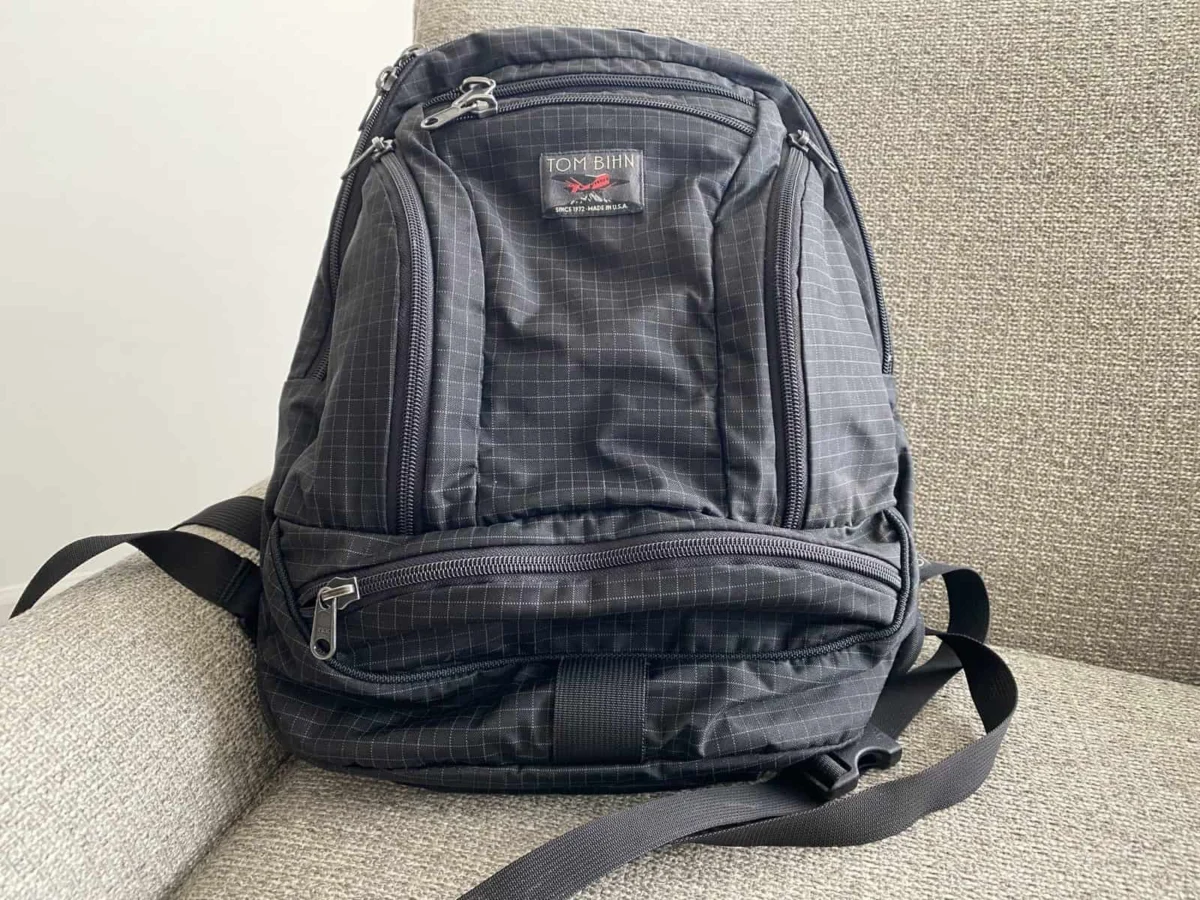
The discovery of a discarded backpack on a residential rooftop in Park Slope, Brooklyn, has brought a multi-year saga of burglary and medical trauma to an unexpected conclusion. In early 2021, a resident of the historic Brooklyn neighborhood contacted a former local inhabitant regarding a Tom Bihn Synapse daybag that had been missing since August 2017. The bag, which was recovered by a chimney sweep during a routine maintenance call, contained a variety of personal effects that had survived three years of exposure to the elements. This recovery highlights not only the persistence of physical objects in urban environments but also the complex psychological impact of property crime when it coincides with significant personal crises.
The August 2017 Burglary and Concurrent Medical Emergency
The origins of this case date back to a specific evening in August 2017, a period characterized by a convergence of unfortunate events for the victim, identified as Jodi Ettenberg, a former lawyer and travel writer. At the time of the incident, Ettenberg was in a New York City emergency room undergoing a lumbar puncture, or spinal tap. This medical procedure was intended to address health concerns but ultimately resulted in a debilitating dural tear, leading to a long-term disability.
While the medical procedure was being performed, an unidentified intruder entered the Park Slope apartment where Ettenberg was currently house-sitting. According to forensic evidence gathered from the residence’s internal security cameras, the time stamp of the burglary precisely matched the commencement of the spinal tap at the hospital. The perpetrator utilized Ettenberg’s own Tom Bihn backpack to consolidate stolen goods from the apartment. While the thief took high-value items, including a laptop, jewelry belonging to the permanent tenants, and cash, several items were left behind on the scene, including a Canadian passport and a small denomination of Canadian currency. The backpack itself, however, was removed from the premises and remained missing for over forty months.
Chronology of Events: From Theft to Recovery
The timeline of the backpack’s disappearance and eventual return serves as a case study in the "cold" recovery of stolen property in high-density urban areas.

- August 2017: The burglary occurs in Park Slope, Brooklyn, while the victim is hospitalized. A police report is filed, but the perpetrator is not apprehended, and the property is not recovered.
- 2017–2020: The backpack remains outdoors, lodged near a chimney vent on a rooftop just houses away from the original crime scene.
- December 2020: A neighbor in Park Slope hires a professional chimney cleaner. During the cleaning process, the worker discovers the bag tucked into a vent on the roof.
- December 2020: The homeowner discovers expired credit cards and business cards inside the bag. She attempts to contact the owner via social media, specifically the "Message Requests" folder on Facebook.
- January 2021: The victim discovers the filtered message and initiates the recovery process.
- February 2021: A third party, a former legal colleague of the victim, retrieves the bag in Brooklyn, cleans the contents, and ships them to the victim’s current location.
Analysis of Recovered Contents and Condition
Upon its recovery, the backpack’s contents provided a snapshot of the items deemed "low value" by the perpetrator but which held significant utility or sentimental value for the owner. The recovered items included:
- Prescription Eyewear: Two pairs of prescription glasses were found inside. While the frames had suffered warping due to three years of fluctuating New York temperatures—ranging from sub-zero winters to humid summer heat—the lenses remained intact.
- Financial Instruments: Several credit cards were found. These had all reached their expiration dates during the intervening years, rendering them useless for any potential fraudulent activity but serving as the primary means of identifying the owner.
- Personal Effects: A bottle of hand lotion, over-the-counter pain medication (Tylenol), and professional business cards from a travel industry event.
- Anomalous Items: A blue die was found in the bag that did not belong to the original owner, suggesting the perpetrator may have used the bag to store items from other thefts or personal belongings before discarding it.
The physical condition of the Tom Bihn Synapse bag was remarkably resilient. Despite being exposed to the elements on a Brooklyn rooftop for over three years, the ballistic nylon material remained functional after a thorough cleaning. This speaks to the durability of high-end travel gear, a factor that led the manufacturer to provide a replacement to the victim shortly after the initial theft was publicized in 2017.
Statistical Context: Burglary and Property Recovery in New York City
The recovery of Ettenberg’s bag is a statistical anomaly. According to data from the New York Police Department (NYPD) CompStat reports, property recovery rates for burglaries remain relatively low. In the 78th Precinct, which covers Park Slope, burglary rates have fluctuated over the last decade. In 2017, the year of the theft, the precinct reported a significant number of residential burglaries, many of which involved the "opportunity theft" of electronics and portable bags.
Criminologists note that in many urban burglaries, perpetrators "dump" bags and non-liquid assets almost immediately after fleeing the scene to avoid being caught with identifiable evidence. The fact that the bag was placed on a roof suggests a calculated attempt by the thief to hide the evidence in a location that would not be searched by ground-level patrols.
Furthermore, the role of digital platforms in property recovery has seen a marked increase. In previous decades, a found bag with expired cards would likely have been discarded by a finder. Today, the ubiquity of social media allows citizens to act as amateur investigators. However, as seen in this case, the "filtered message" algorithms of platforms like Facebook can delay these reunions for weeks or months.

Psychological Implications and "Liminal Weight"
The return of the backpack served as a significant psychological trigger for the victim. For Ettenberg, the bag was inextricably linked to the night her health fundamentally changed. In trauma studies, physical objects can act as "anchors" to specific memories. The sudden reappearance of the bag after three years forced a confrontation with the "sediment" of past trauma.
The victim described the bag as holding "liminal weight"—a term used to describe the transitional state between one’s past identity and their current reality. In 2017, Ettenberg was a highly mobile global traveler; by 2021, she was navigating life with a chronic disability. The bag represented the last moments of her previous life. The act of receiving the bag, processing the emotions it dredged up, and eventually gifting it to another individual is viewed by experts as a "transmutation" of a negative event into a constructive one.
Conclusion and Broader Impact
The saga of the Park Slope backpack concludes with the item being repurposed. Rather than destroying the reminder of a traumatic night, Ettenberg chose to gift the cleaned and restored bag to a friend. This decision reflects a broader trend in trauma recovery: the reclamation of agency over objects that were once symbols of victimization.
From a journalistic and sociological perspective, this story underscores several realities of modern urban life:
- The Durability of Quality Goods: High-quality manufacturing can withstand years of environmental neglect.
- The Power of Community: The diligence of a neighbor and the willingness of a friend to facilitate the bag’s return highlight the importance of social networks.
- The Complexity of Closure: Closure is rarely a linear process. For many victims of crime, the "resolution" of a case—even one as small as the return of a backpack—can occur years after the legal and physical events have ended, bringing with it a secondary wave of emotional processing.
While the laptop and jewelry remain lost, and the health challenges initiated on that August night in 2017 persist, the return of the Tom Bihn bag provides a rare, albeit bittersweet, footnote to a period of profound upheaval. It stands as a testament to the "outlier of possibilities" in the realm of lost and found property.
