

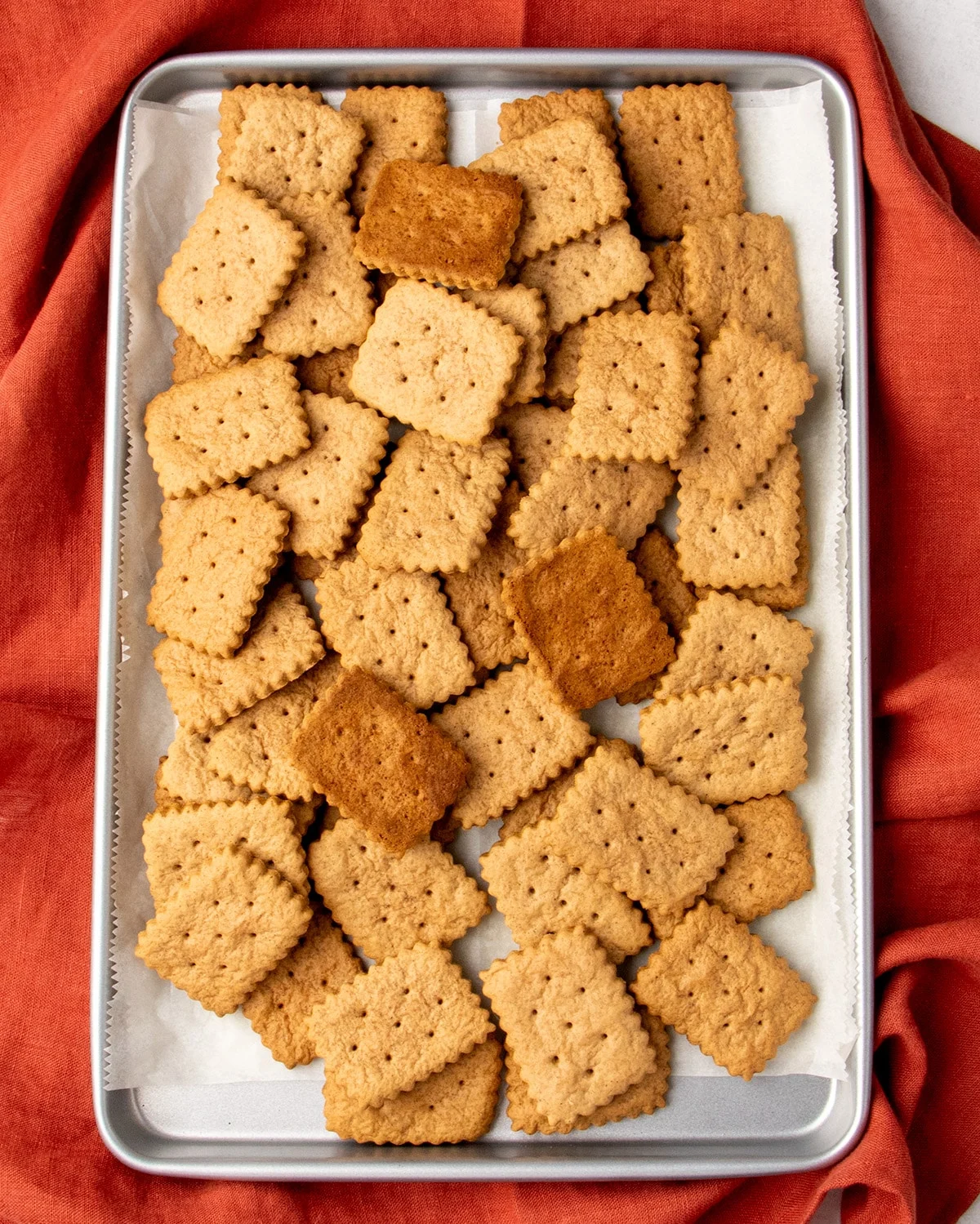
The quest for authentic flavor and texture in gluten-free baking has long been a challenge for individuals with celiac disease or gluten sensitivities. However, a recent culinary innovation promises to bridge this gap, offering a delectable gluten-free rendition of the beloved Biscoff cookie. This development arrives at a time when the global gluten-free market is experiencing significant growth, driven by increasing consumer awareness of dietary needs and a desire for inclusive food options.
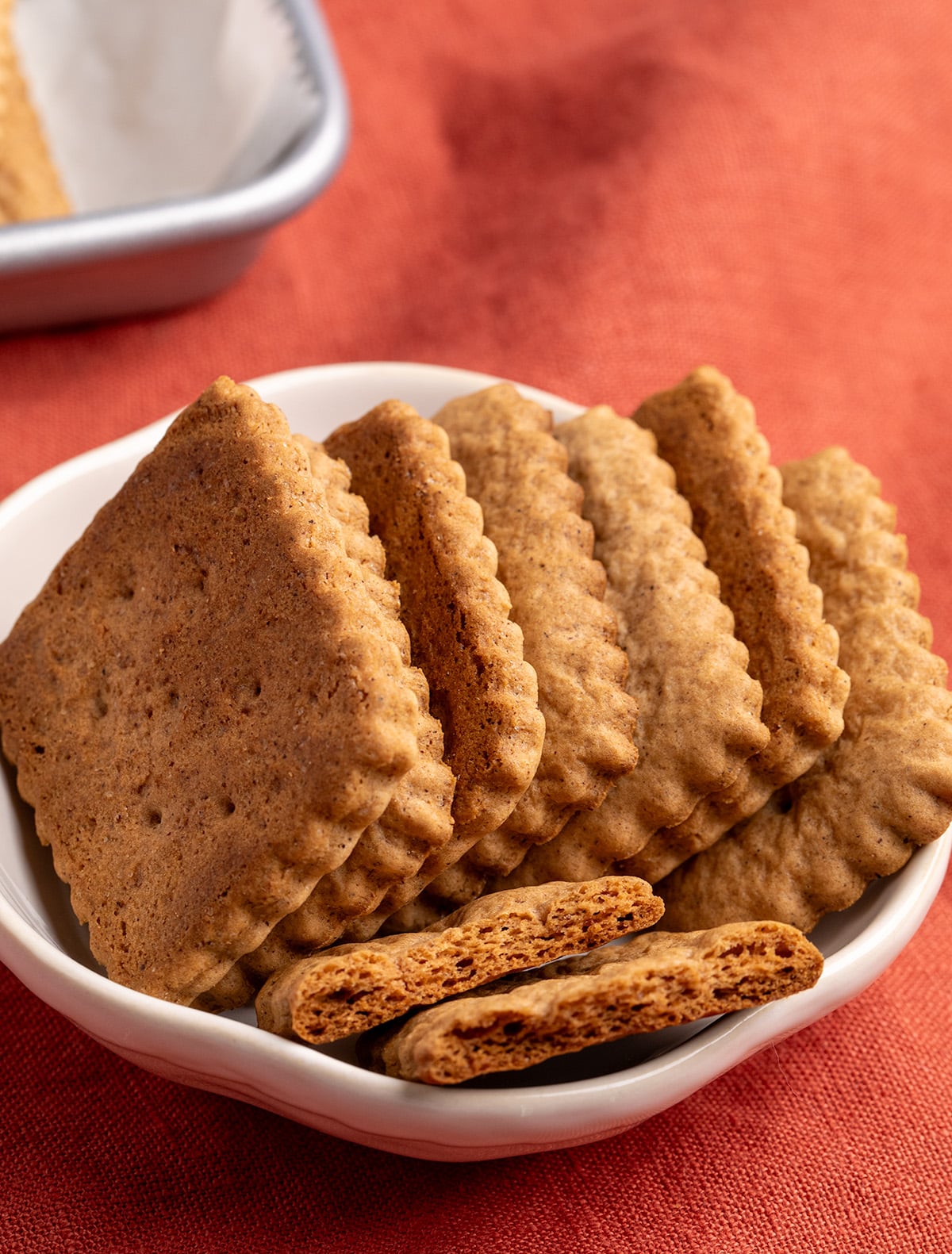
The emergence of these gluten-free Biscoff cookies addresses a void in the market, particularly as iconic brands like Lotus Bakeries have yet to release their own gluten-free version of the spiced, caramelized cookie. This initiative, spearheaded by culinary experts dedicated to inclusive baking, aims to replicate the distinctive taste and satisfying crispness of the original, opening up a world of enjoyment for a wider audience. The recipe, developed with meticulous attention to ingredient ratios and baking techniques, ensures that the characteristic deep, caramelized brown sugar flavor, combined with a warm spice profile, is not only preserved but enhanced through a carefully crafted gluten-free formulation.
The Science Behind the Flavor: Replicating Biscoff’s Signature Taste
The success of this gluten-free adaptation lies in its meticulous approach to ingredient selection and their synergistic roles. The foundation of the Biscoff cookie’s appeal is its complex flavor profile, a sophisticated balance of sweetness and spice. This gluten-free recipe masterfully recreates this by employing a combination of brown and white sugars, alongside honey, to achieve that signature caramelized depth. The spices—cinnamon, nutmeg, allspice, cardamom, and cloves—are crucial in evoking the warm, aromatic notes that define Biscoff. These spices are not merely present; they are integrated in precise proportions to build a layered flavor experience that is both comforting and invigorating.
The absence of gluten in traditional flour necessitates a thoughtful substitution. This recipe utilizes a carefully balanced gluten-free flour blend, often incorporating a binder like xanthan gum, to mimic the structural properties of gluten. The inclusion of this binder is critical for achieving the desired chewiness and preventing the cookies from becoming too crumbly. Furthermore, the recipe’s design prioritizes a smooth and workable dough, a significant departure from many gluten-free doughs that can be notoriously difficult to handle. This characteristic allows for the dough to be rolled thin and cut into precise shapes without the need for extensive chilling, a common hurdle in gluten-free baking that often compromises texture and leads to less uniform results.
A Simplified Approach to Gluten-Free Dough Management
One of the standout features of this gluten-free Biscoff cookie recipe is its user-friendly dough preparation. The recipe emphasizes a one-bowl approach, minimizing cleanup and streamlining the baking process. Crucially, the dough is formulated to be easily manipulated by hand, eliminating the need for mixers or food processors. This accessibility ensures that home bakers of all skill levels can confidently create these cookies.
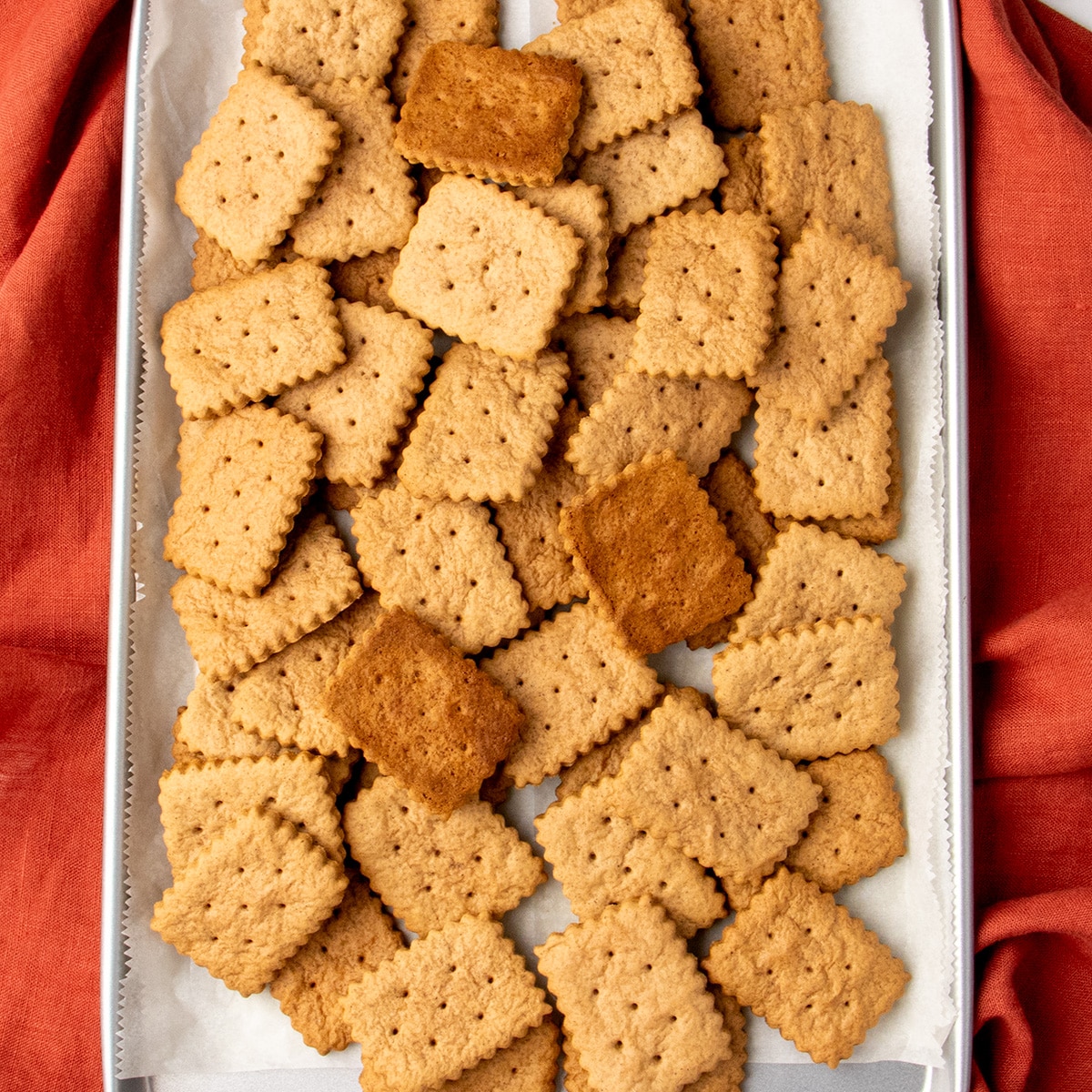
The dough’s consistency is designed to be smooth and pliable, a characteristic that directly contributes to the ease of rolling it out to the optimal thinness. This thinness is instrumental in achieving the desired crisp texture. The recipe also incorporates small perforations in the surface of each cookie before baking. This seemingly minor detail plays a vital role in ensuring even heat distribution and uniform baking, preventing the edges from burning while the centers remain undercooked. The result is a cookie that bakes to a perfect golden hue and achieves a satisfying firmness, which further crisps as it cools, mirroring the hallmark texture of its gluten-containing counterpart.
Timeline of Innovation in Gluten-Free Baking
The journey toward creating such an accurate gluten-free Biscoff cookie is part of a broader trend in the food industry. The gluten-free market has evolved dramatically over the past two decades. Initially, gluten-free products were often characterized by poor texture and bland taste, catering to a niche market with limited options. However, advancements in food science, ingredient technology, and culinary expertise have led to a significant improvement in the quality and variety of gluten-free offerings.
The early 2000s saw a rise in gluten-free baked goods, often relying on rice flour and potato starch. While an improvement, these formulations frequently resulted in dense, gritty textures. The mid-2010s marked a turning point with the development of more sophisticated gluten-free flour blends, incorporating ingredients like sorghum flour, almond flour, and tapioca starch, along with improved binders. This period also saw an increase in dedicated gluten-free bakeries and product lines, signaling a mainstream acceptance of gluten-free diets beyond medical necessity.
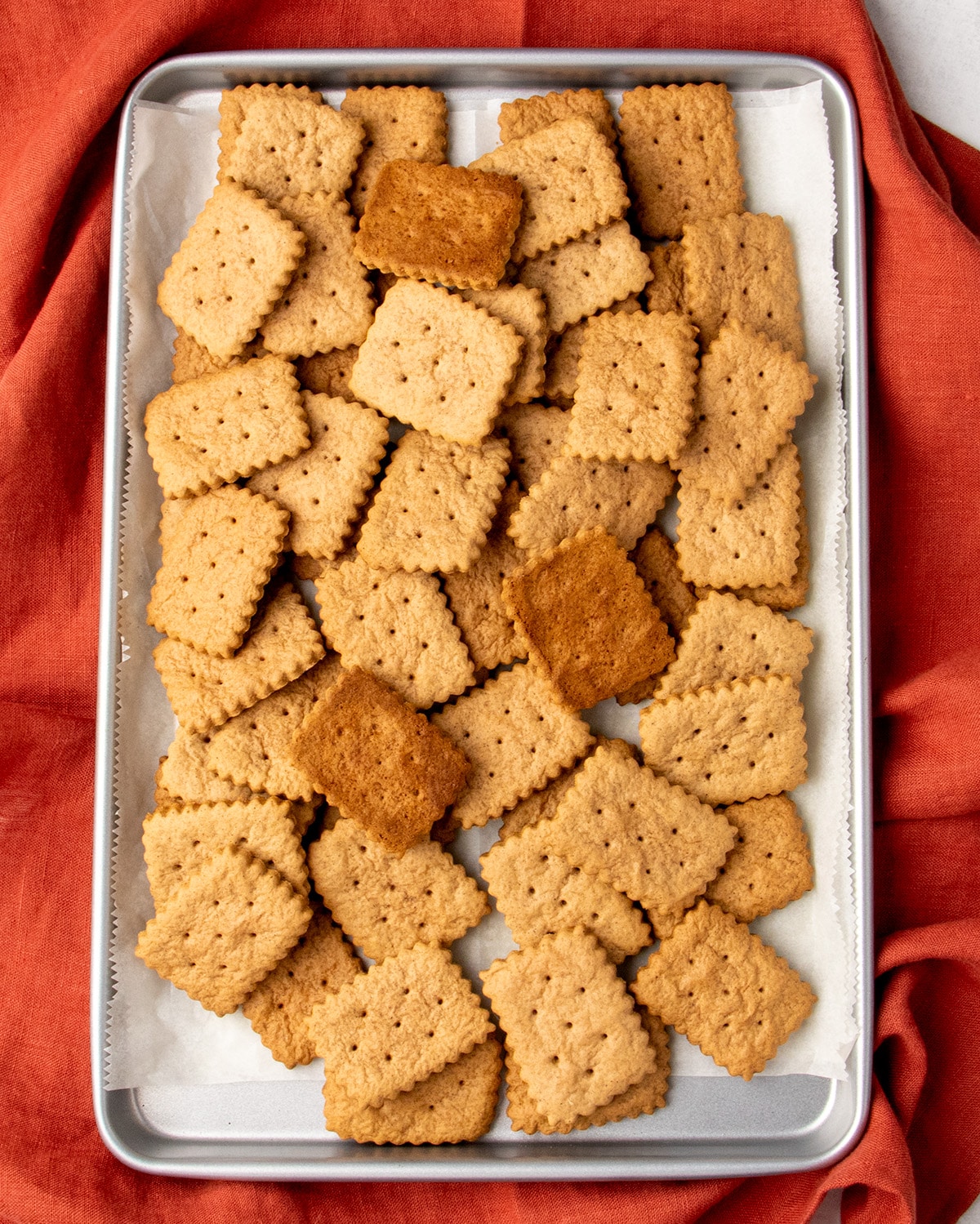
The current era of gluten-free baking, exemplified by this Biscoff cookie recipe, focuses on achieving parity with traditional baked goods in terms of flavor, texture, and overall sensory experience. The development of recipes that are not only gluten-free but also free from other common allergens, such as dairy and eggs, further broadens their appeal and demonstrates a commitment to inclusive food innovation.
Ingredient Spotlight: The Pillars of Flavor and Structure
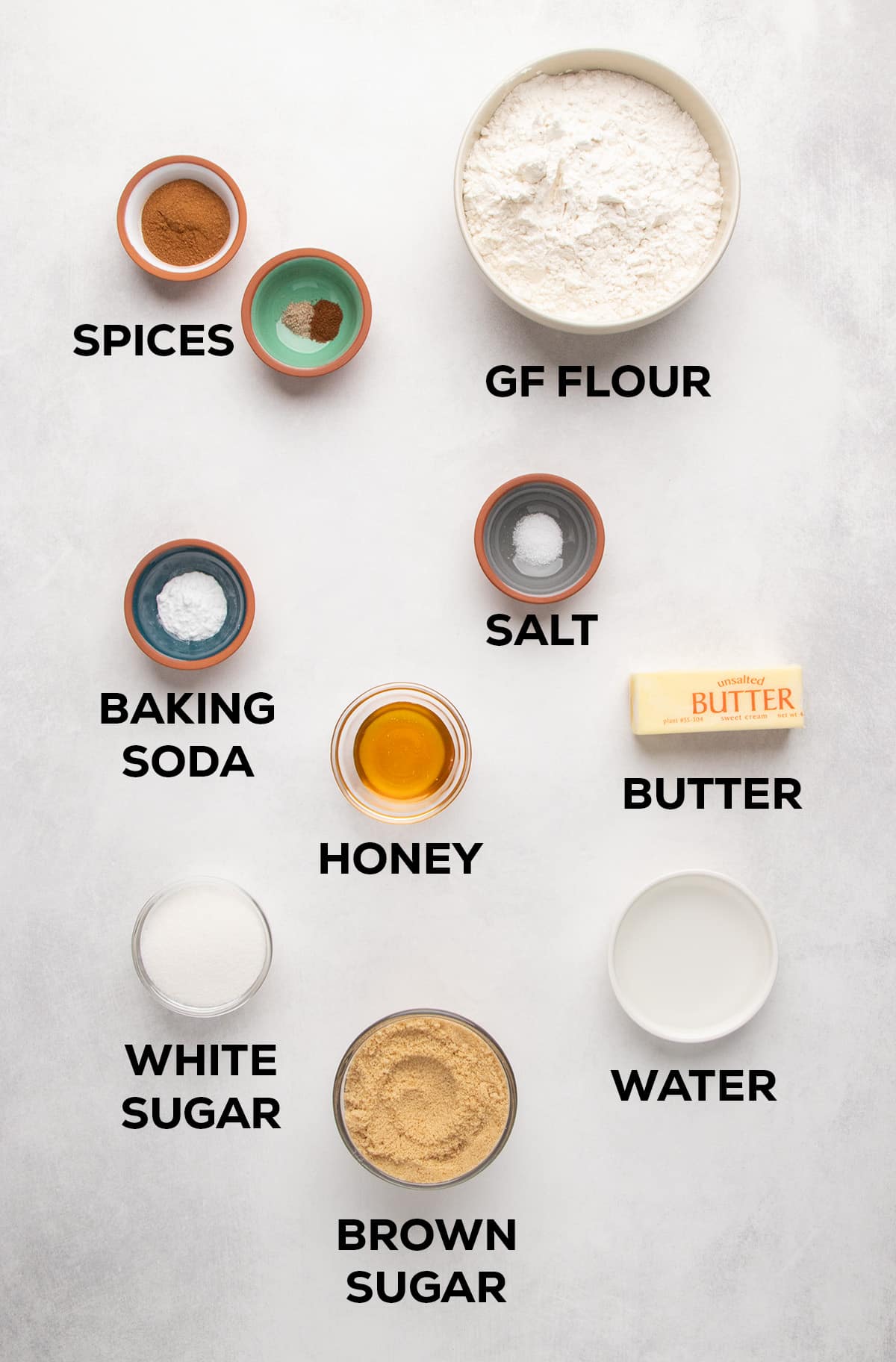
The core ingredients in this gluten-free Biscoff cookie recipe are fundamental to its success:
- Gluten-Free Flour Blend: A carefully selected blend, often a combination of rice flour, tapioca starch, potato starch, and potentially sorghum or almond flour, forms the base. The inclusion of xanthan gum is crucial for binding and providing structure.
- Brown Sugar and White Sugar: These provide sweetness and contribute to the characteristic caramelization. Brown sugar, in particular, adds moisture and a richer, deeper flavor.
- Honey: This natural sweetener contributes to the caramelized notes and a subtle chewiness, playing a vital role in replicating the Biscoff flavor profile.
- Butter: Provides richness, tenderness, and aids in the crisping process. For dairy-free variations, vegan butter alternatives are recommended.
- Spices (Cinnamon, Nutmeg, Allspice, Cardamom, Cloves): The aromatic heart of the cookie, these spices are balanced to create the warm, complex flavor associated with Biscoff.
- Baking Soda: A leavening agent that helps the cookies spread slightly and achieve a tender crumb.
- Salt: Enhances all the other flavors and balances the sweetness.
Adaptability and Allergy Considerations
Recognizing the diverse needs of allergy-conscious consumers, this recipe offers valuable insights into ingredient substitutions. For individuals seeking a dairy-free option, block-style vegan butters from brands like Miyoko’s or Melt are suggested. While these alternatives can achieve a similar result, the texture may vary slightly, potentially impacting crispness. Virgin coconut oil or Spectrum brand vegetable shortening are also viable options, though they may require adjustments in the amount of liquid added due to their lower water content compared to butter.
For those who prefer not to use honey, maple syrup is presented as a suitable alternative, though a slight reduction in water content may be necessary to maintain the correct dough consistency. The spice blend, while integral to the Biscoff flavor, also allows for flexibility. For instance, apple pie spice can be used as a substitute for the primary spices, and adjustments can be made by omitting cardamom and cloves or increasing the apple pie spice for a nuanced flavor variation. This adaptability underscores the recipe’s commitment to inclusivity and caters to a wider range of dietary preferences and restrictions.
Storage and Longevity: Maintaining Freshness
Proper storage is key to preserving the crisp texture of these gluten-free Biscoff cookies. The recipe recommends storing them in a sealed glass container at room temperature for up to two weeks. Glass containers are preferred over plastic due to their non-porous nature, which prevents moisture absorption from the environment that can lead to a loss of crispness.
For longer-term storage, freezing is an option for up to three months. To minimize any potential loss of crispness during freezing, using tempered glass containers is advised. It’s also important to ensure sufficient headspace within the container to accommodate any slight expansion of the cookies during the freezing process.
Beyond the Cookie: A Versatile Gluten-Free Spread
The versatility of this gluten-free Biscoff cookie recipe extends beyond simple snacking. The article provides instructions for transforming these cookies into a delectable gluten-free Biscoff spread, a testament to the ingenuity of gluten-free culinary applications. By blending a portion of the cookies with ingredients like light brown sugar, baking soda, salt, tapioca starch, and melted vegetable shortening, a smooth and spreadable confection can be created. This DIY approach to a popular spread offers a controlled, allergen-conscious alternative to store-bought versions, allowing consumers to enjoy a beloved treat in a new format. The instructions for achieving the correct consistency and storage of the spread highlight the practical application of these culinary techniques.
Broader Implications for the Food Industry
The development and dissemination of recipes like this gluten-free Biscoff cookie have significant implications for the broader food industry. Firstly, it underscores the growing demand for high-quality, allergen-friendly alternatives that do not compromise on taste or texture. This caters not only to individuals with medical dietary needs but also to a growing segment of consumers seeking healthier or more inclusive food choices.
Secondly, it highlights the power of home bakers and food bloggers in driving innovation. By meticulously developing and sharing such recipes, they are pushing the boundaries of what is possible in gluten-free and allergen-free cooking, often outpacing larger commercial entities. This democratizes access to previously unattainable or compromised culinary experiences.
Finally, the success of such recipes can serve as a catalyst for major food manufacturers. The clear market demand and the proven viability of these gluten-free alternatives may encourage more brands to invest in developing their own inclusive product lines, further expanding consumer choice and accessibility. The timeline of the gluten-free market shows a clear trajectory towards greater sophistication and inclusivity, and recipes like these are at the forefront of that evolution. The continued innovation in this space promises a future where dietary restrictions no longer mean sacrificing enjoyment or experiencing a limited range of culinary delights.
