

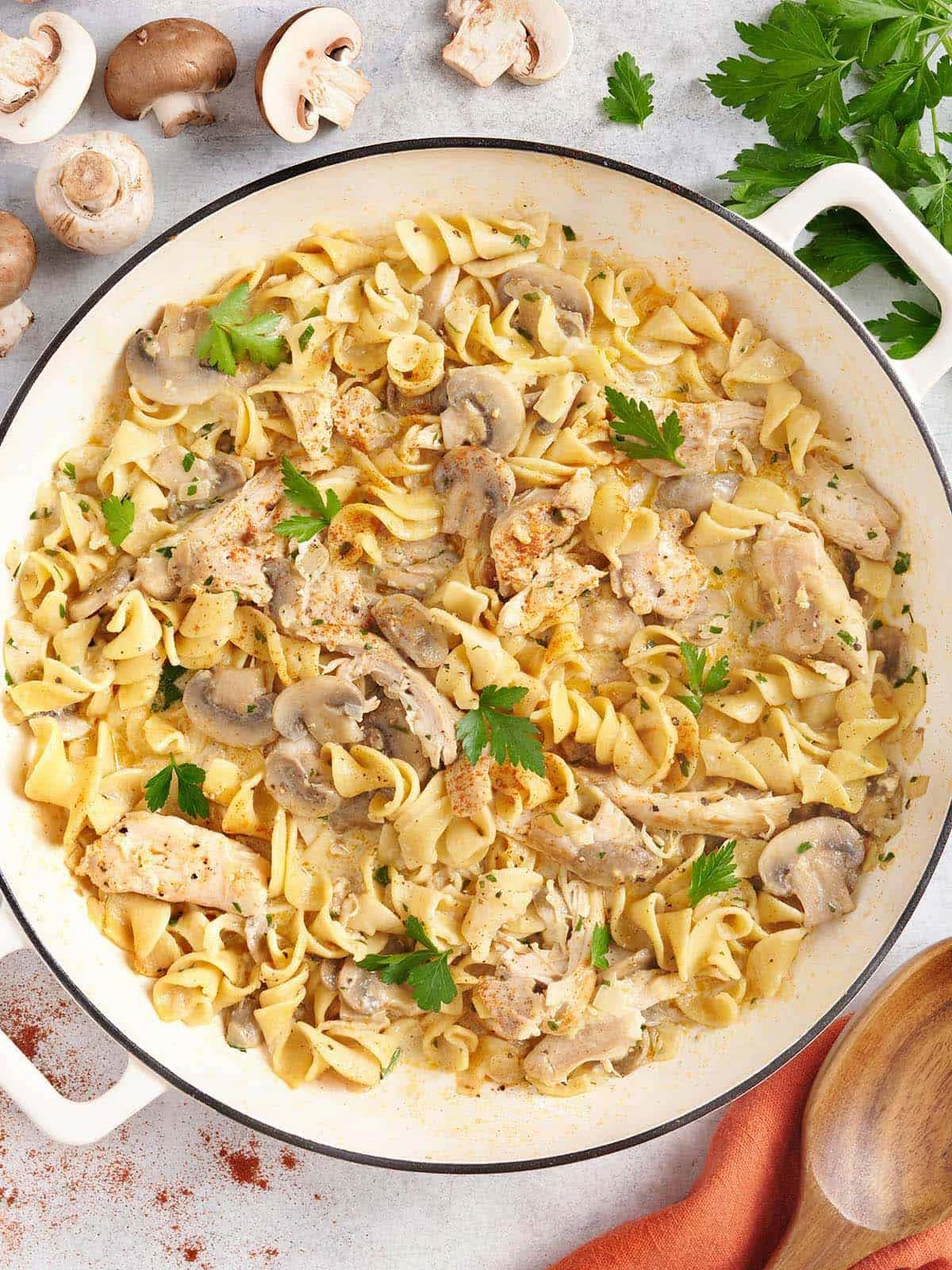
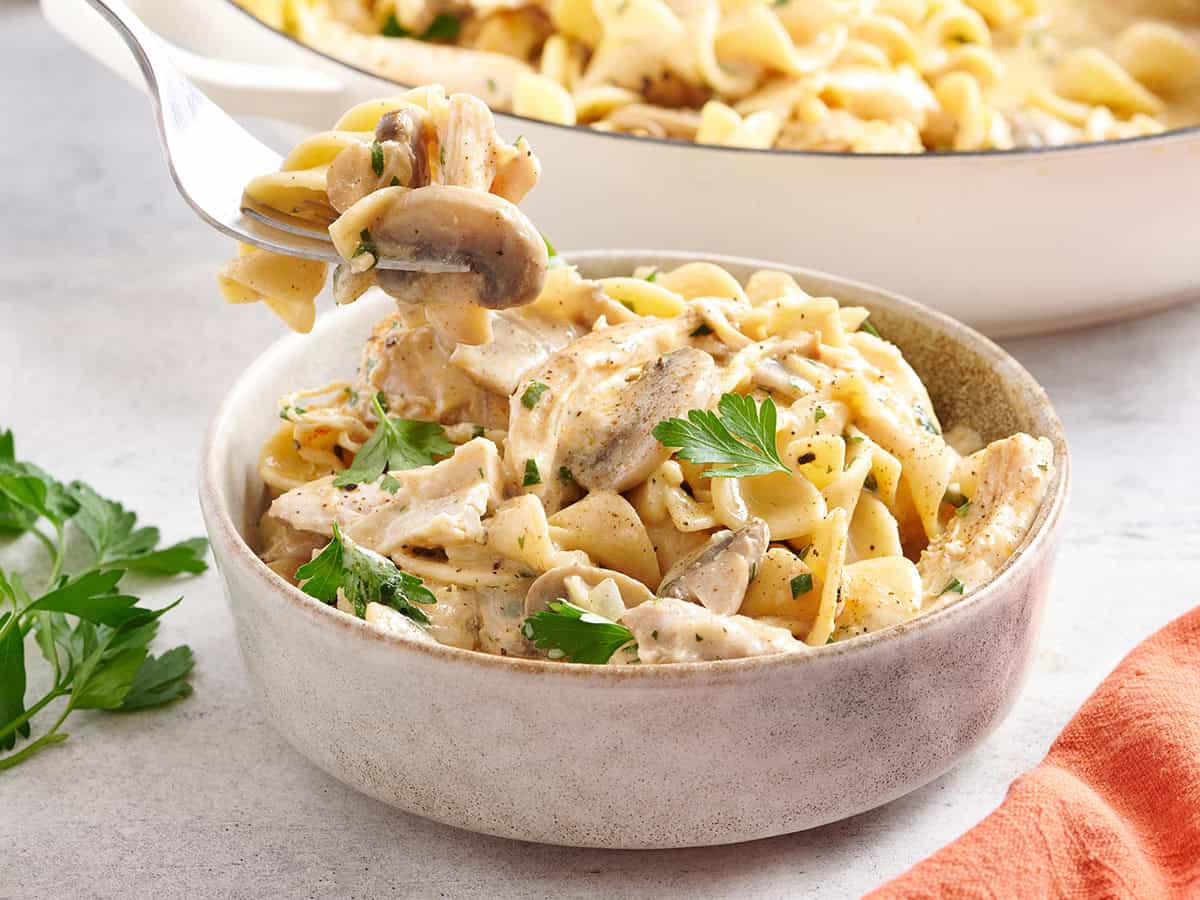
The Nashville Test Kitchen has officially released a streamlined, cost-effective iteration of the classic Stroganoff, substituting traditional beef with chicken thighs to address rising grocery costs while maintaining the dish’s signature flavor profile. This culinary development aims to provide a high-protein, one-pan meal solution that minimizes both preparation time and financial expenditure, totaling approximately $8.72 for four full servings. By utilizing a one-pot method where the noodles simmer directly in the chicken broth, the recipe eliminates the need for secondary boiling vessels, thereby reducing water usage and cleanup labor.
Historical Context and Culinary Evolution
The origins of Stroganoff are traditionally rooted in 19th-century Russia, named after the influential Stroganov family. The original French-influenced Russian dish typically featured sautéed beef cubes in a sauce of sour cream and mustard. Over the decades, the recipe transitioned from a luxury item in aristocratic circles to a mid-century American staple, where it was often simplified with ground beef or canned mushroom soups.
The latest version from the Nashville-based culinary team represents a modern shift toward "value-added" home cooking. By transitioning from beef to chicken thighs, the recipe aligns with broader consumer trends favoring poultry due to its lower price point and versatility. The inclusion of Dijon mustard and sour cream maintains the historical integrity of the dish’s flavor, while the one-pot technique reflects a contemporary focus on domestic efficiency and energy conservation.
Economic Analysis of the $2.18 Per-Serving Model
As food inflation continues to impact household budgets, the $2.18 per-serving cost of this Chicken Stroganoff stands as a significant data point for domestic economists. According to recent consumer price index reports, the cost of protein—particularly beef—has seen volatile fluctuations. In contrast, chicken thighs remain one of the most stable and affordable protein sources in the North American market.
The Nashville Test Kitchen’s cost breakdown of $8.72 for the entire recipe is achieved through several strategic purchasing behaviors:
- Bulk Poultry Procurement: The experts suggest purchasing "value packs" of chicken thighs, which generally offer a lower price-per-pound than smaller trays or pre-cut breasts.
- Pantry Staple Integration: By relying on bouillon (specifically the Better Than Bouillon brand) rather than pre-packaged liquid broth, the cost per ounce of flavoring agent is drastically reduced.
- Shelf-Stable Carbohydrates: The use of extra-wide egg noodles provides a dense, filling base that is both inexpensive and has a long shelf life, reducing food waste.
Technical Chronology: The 40-Minute Production Cycle
The production of this dish follows a strict 40-minute timeline, optimized for the Maillard reaction—the chemical reaction between amino acids and reducing sugars that gives browned food its distinctive flavor.
Phase I: Preparation and Aromatics (0–10 Minutes)
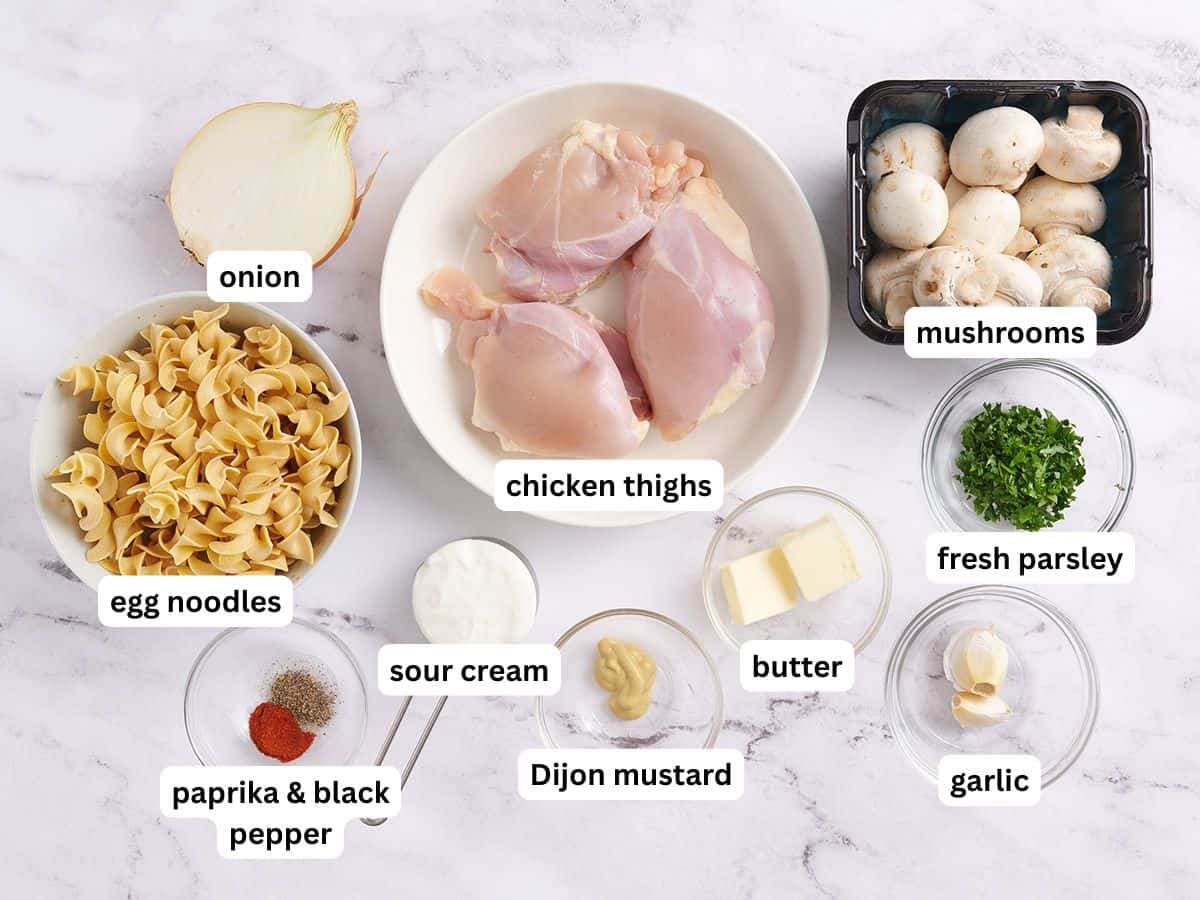
The process begins with the mechanical preparation of fresh produce. This includes the mincing of garlic cloves, dicing of yellow onions, and the slicing of white button or cremini mushrooms to a uniform 1/4-inch thickness. Uniformity in slicing is critical to ensure even cooking and moisture release during the sautéing phase.
Phase II: Searing and Flavor Development (10–25 Minutes)
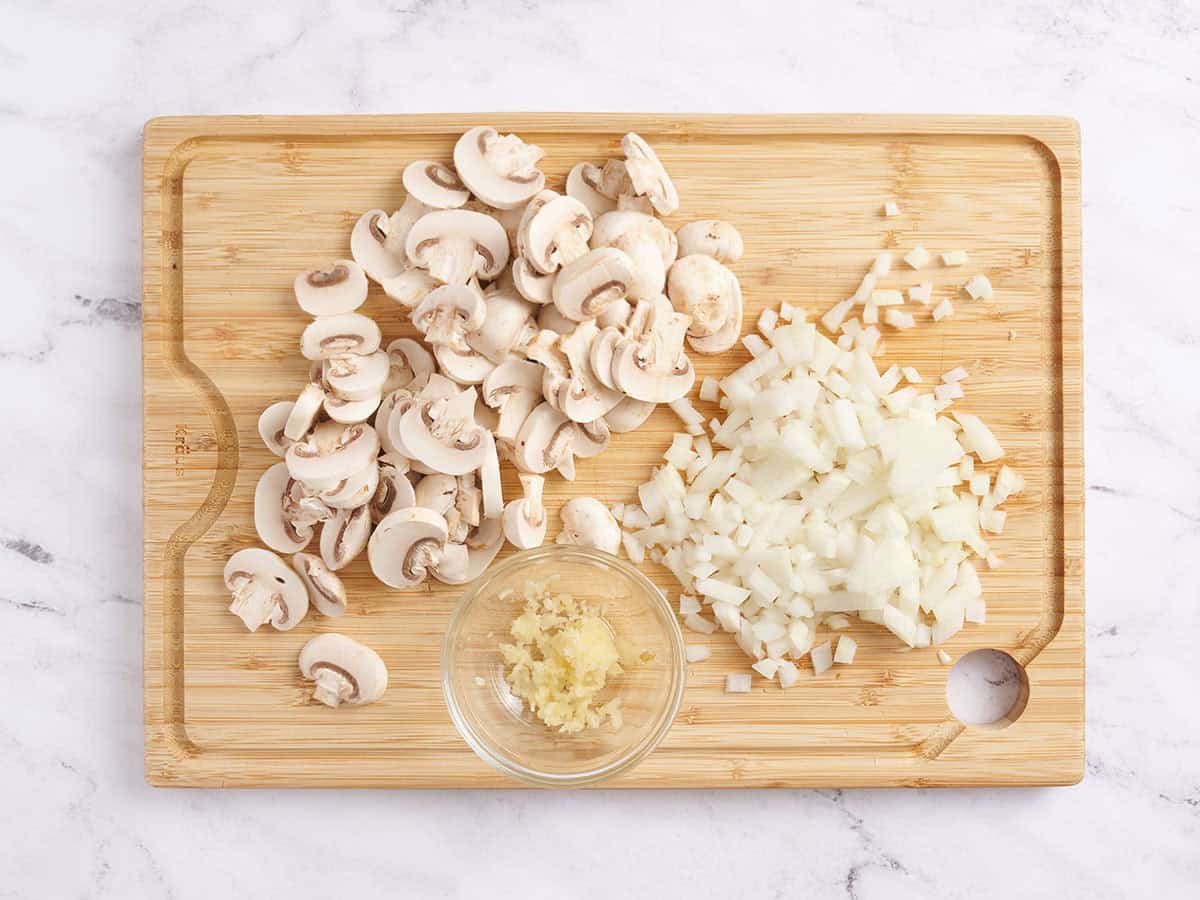
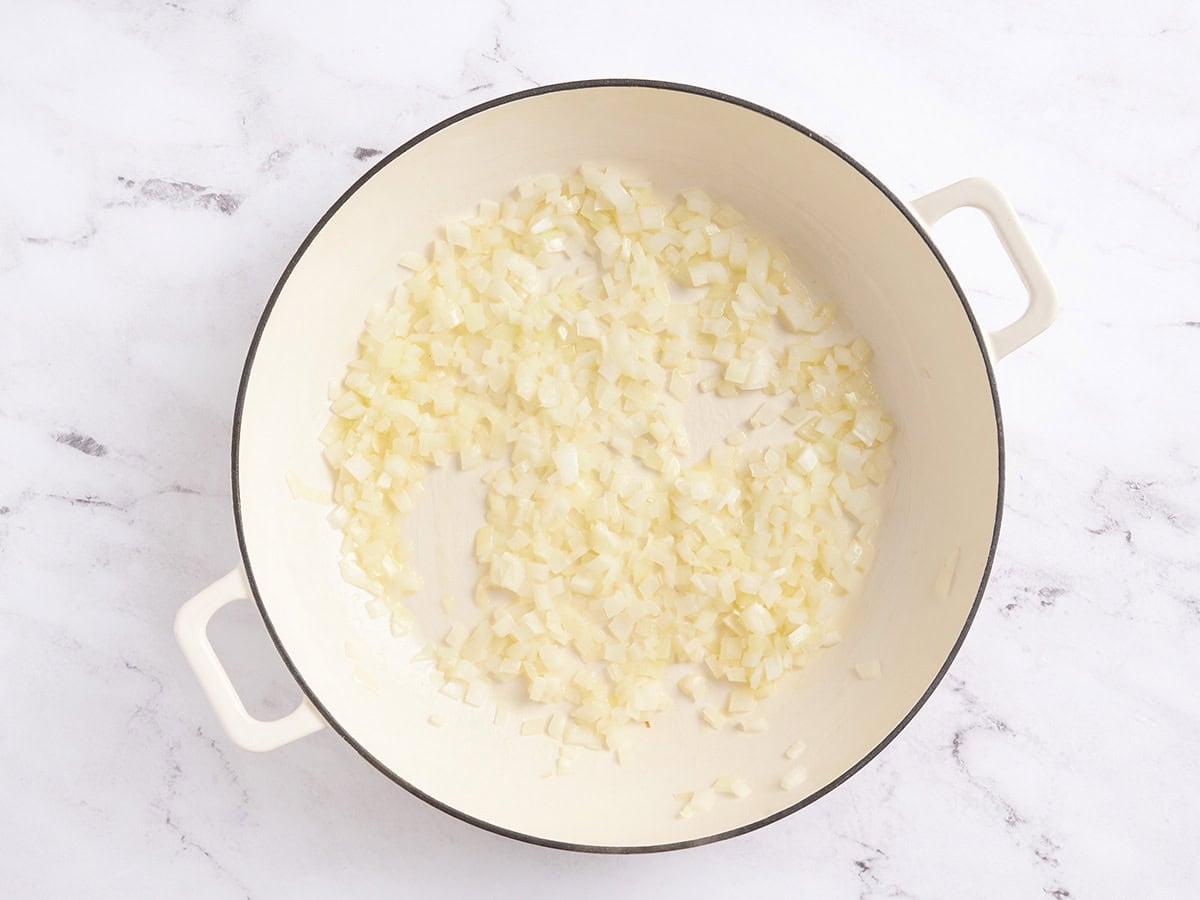
The culinary sequence utilizes a high-heat sear. Butter is melted in a deep skillet, and onions are softened until translucent. The heat is then increased to medium-high for the mushrooms. Scientific observation of this stage shows that mushrooms initially release significant moisture; the sear is not complete until this liquid evaporates and the fungi undergo browning.
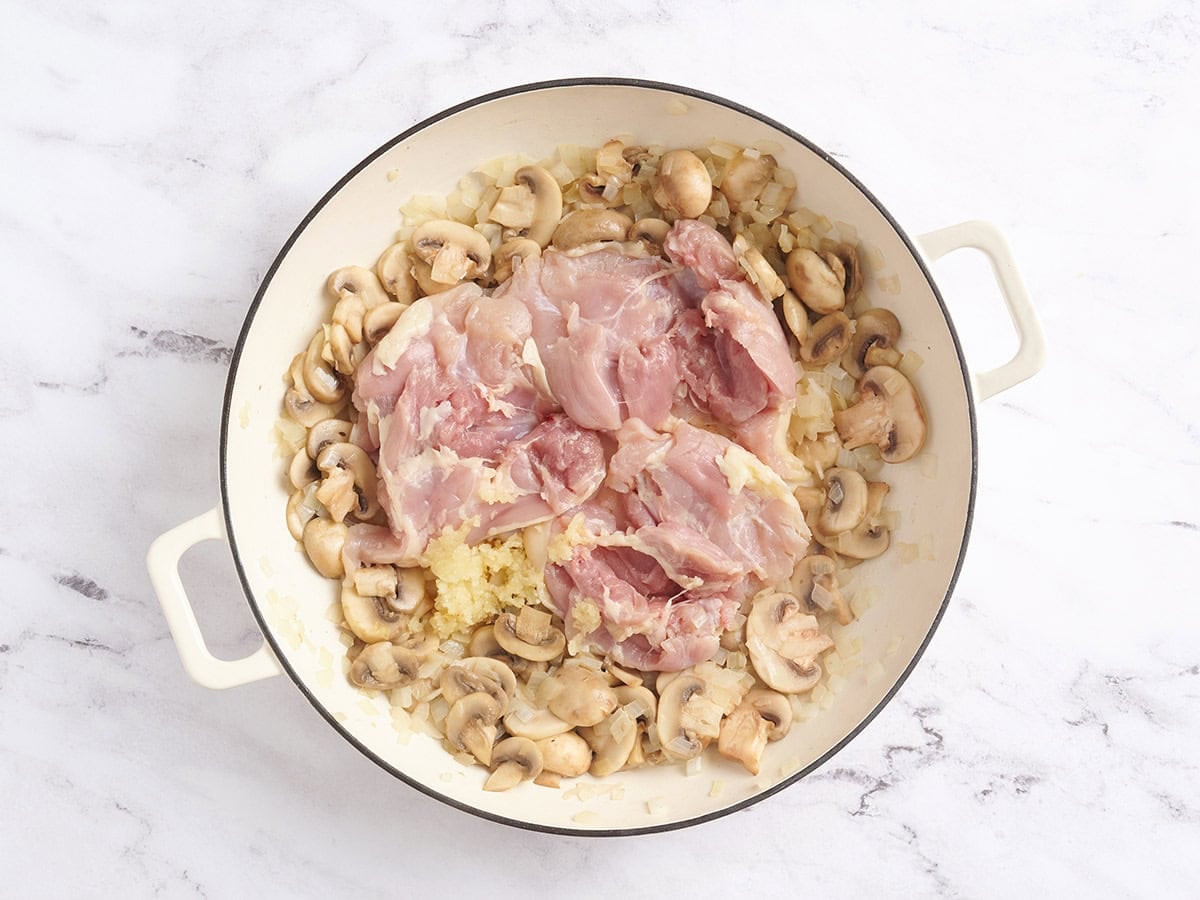
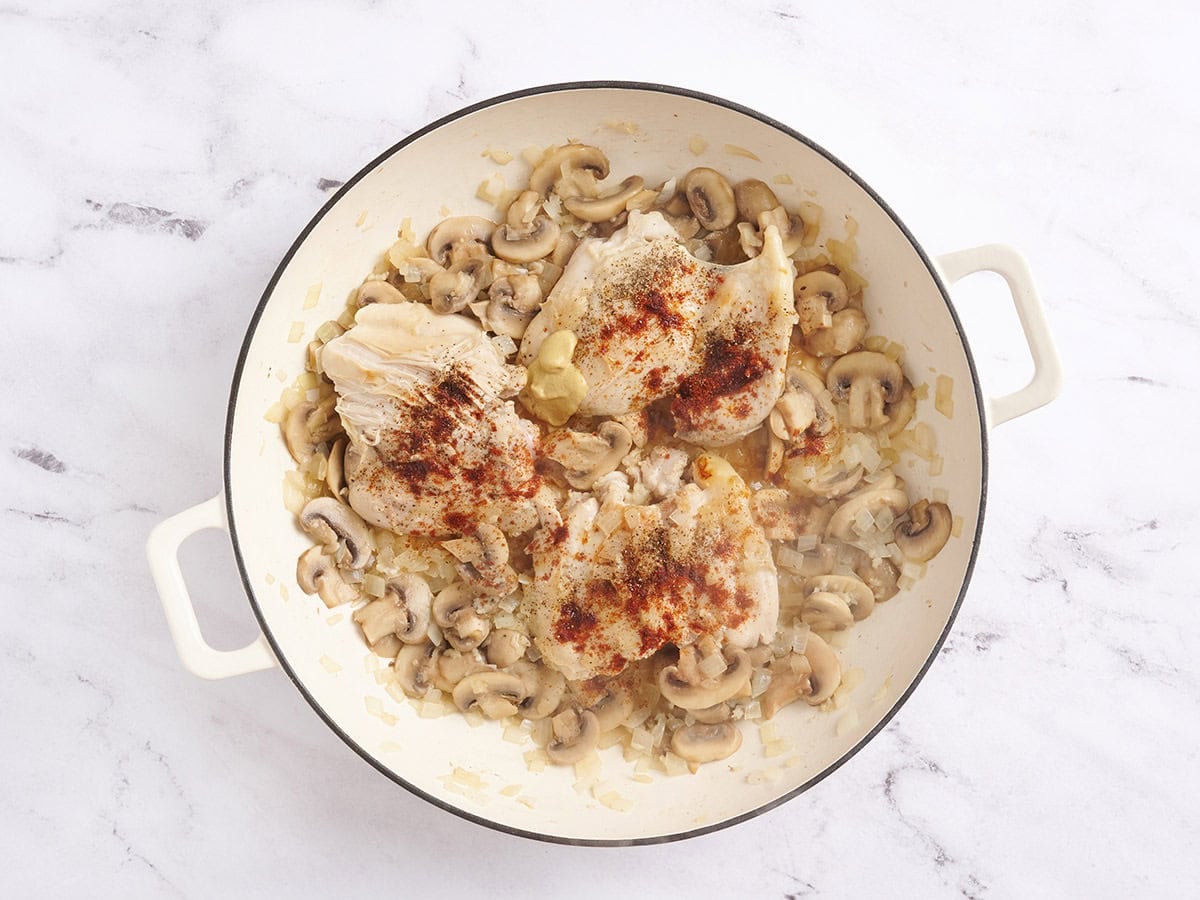
Chicken thighs are seared "smooth-side down." This maximizes surface area contact with the skillet, facilitating a deep golden crust. The Nashville Test Kitchen recommends searing for 6–8 minutes per side. This step is essential not just for texture, but for creating "fond"—the browned bits at the bottom of the pan that form the base of the savory sauce.
Phase III: The Simmer and Hydration (25–40 Minutes)
Uncooked egg noodles are added directly to the skillet along with two cups of chicken broth. During this phase, the noodles undergo gelatinization, absorbing the fat and flavor from the chicken and mushrooms. The skillet is covered to trap steam, allowing the noodles to cook through in approximately 15 minutes. This "absorption method" is noted for producing a starchier, more cohesive sauce compared to traditional boiling.
Ingredient Specifications and Substitution Logic
The Nashville Test Kitchen has provided specific guidance on ingredient selection to ensure the structural integrity of the dish:
- Chicken Thighs vs. Breasts: Thighs are mandated for this one-pot method due to their higher fat content. This lipid profile allows the meat to remain succulent during the extended simmering process. Chicken breasts, while lower in calories, are prone to myofibrillar contraction and drying when subjected to the same 15-minute simmer.
- Mushroom Varieties: While white button mushrooms are the most economical choice, cremini (baby bella) mushrooms are suggested for those seeking a more robust, earthy flavor profile.
- Noodle Selection: Extra-wide egg noodles are the preferred carbohydrate. Their broad surface area is designed to withstand the mechanical stress of stirring without disintegrating, a common failure point when using thinner pasta varieties.
Nutritional Profile and Dietary Data
A single serving of the Chicken Stroganoff provides a balanced macronutrient distribution suitable for a standard adult diet. The data, calculated by the Nashville Test Kitchen, is as follows:
- Calories: 470 kcal
- Protein: 33g (66% of Daily Value)
- Carbohydrates: 46g
- Fat: 17g
- Sodium: 618mg
- Fiber: 3g
The protein density of this meal is particularly high, making it an effective option for muscle recovery and satiety. However, the report notes that sodium levels can vary depending on the brand of bouillon used. Analysts suggest that consumers monitor salt intake by tasting the finished product before adding supplemental seasoning.
Expert Statements on Food Management
Jess Rice, a Chef Professor and restaurateur associated with the project, emphasized the importance of "freezer inventory management" in maintaining the dish’s low cost. "Whenever I use up what’s already in my freezer, I see dollar signs," Rice stated, referring to the practice of buying bulk proteins and freezing them in labeled, flat bags. This systematic approach to home inventory reduces the frequency of "emergency" grocery trips, which are statistically linked to higher food spending.
The Nashville Test Kitchen also highlighted the "Test Kitchen" standard, ensuring that the recipe has been rigorously evaluated for replicability in diverse home environments. This ensures that the 40-minute timeframe and $8.72 cost are achievable for the average consumer.
Broader Implications for Modern Meal Prepping
The release of this recipe comes at a time when "meal prepping" has moved from a niche fitness trend to a mainstream economic necessity. The Chicken Stroganoff is identified as a prime candidate for this practice.
Reheating and Stability:
Scientific analysis of the sauce indicates that while the sour cream provides a rich mouthfeel, it is sensitive to high heat. Therefore, instructions for reheating emphasize a "low and slow" approach. Rapid boiling during reheating can cause the emulsion to break, leading to a curdled appearance. The addition of a small amount of liquid (broth or water) is recommended to restore the sauce’s original viscosity after refrigeration.
Freezing Protocols:
For long-term storage, the Nashville team suggests a specialized protocol. Because the dairy component can separate when frozen and thawed, experts recommend freezing the chicken and noodle base separately, adding the fresh sour cream only after the dish has been reheated. This ensures the structural integrity of the emulsion and provides a "fresh-cooked" texture even after two months of sub-zero storage.
Conclusion
The Chicken Stroganoff developed in Nashville represents a intersection of traditional culinary arts and modern fiscal pragmatism. By leveraging the physical properties of chicken thighs and the efficiency of one-pot cooking, the recipe offers a viable solution for households seeking to balance nutritional needs with the realities of a 2026 economy. As domestic labor continues to be a premium commodity, the reduction in cleanup and the focus on "freezer purging" provide a blueprint for efficient, high-quality home cooking.
