

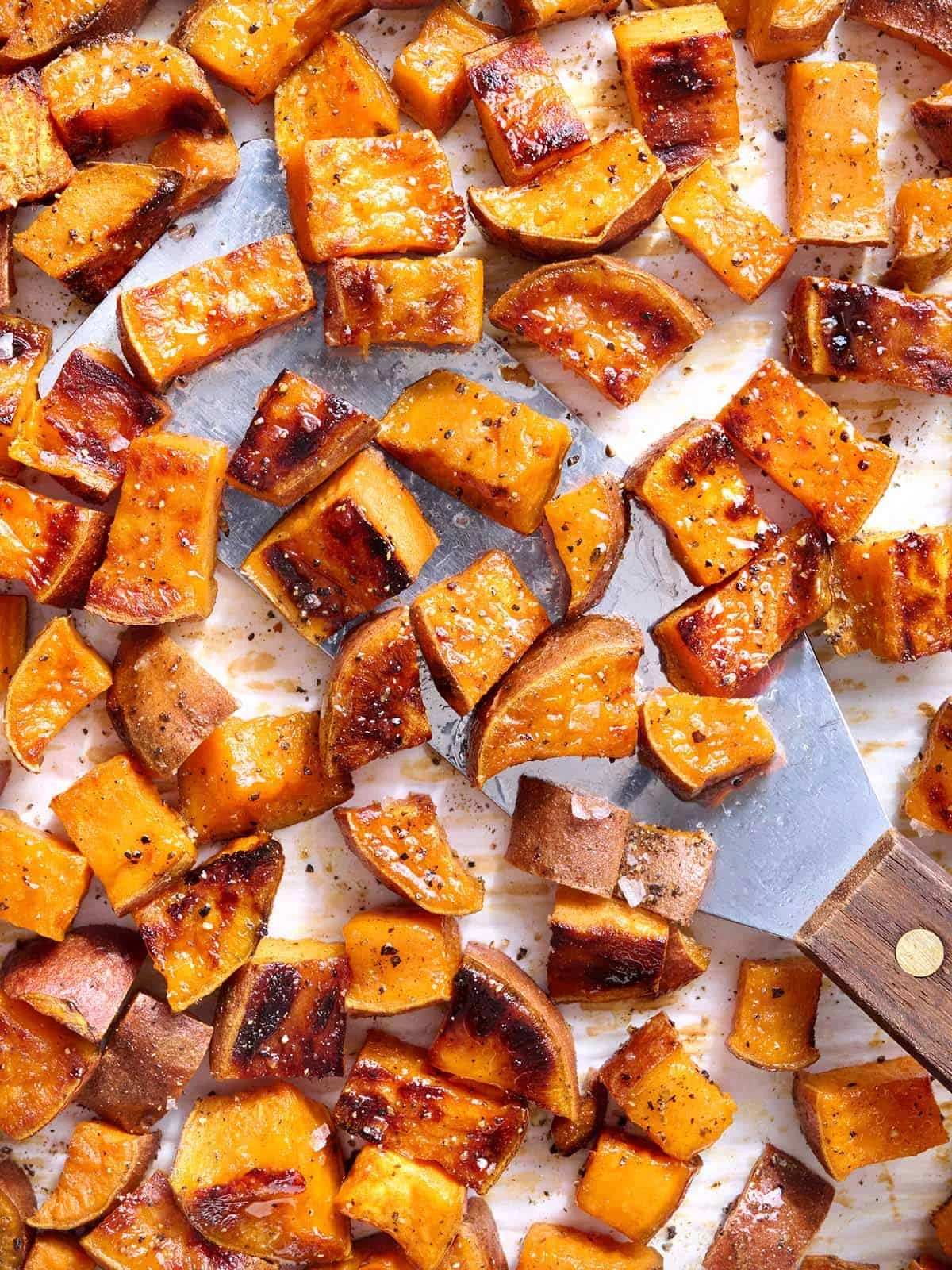
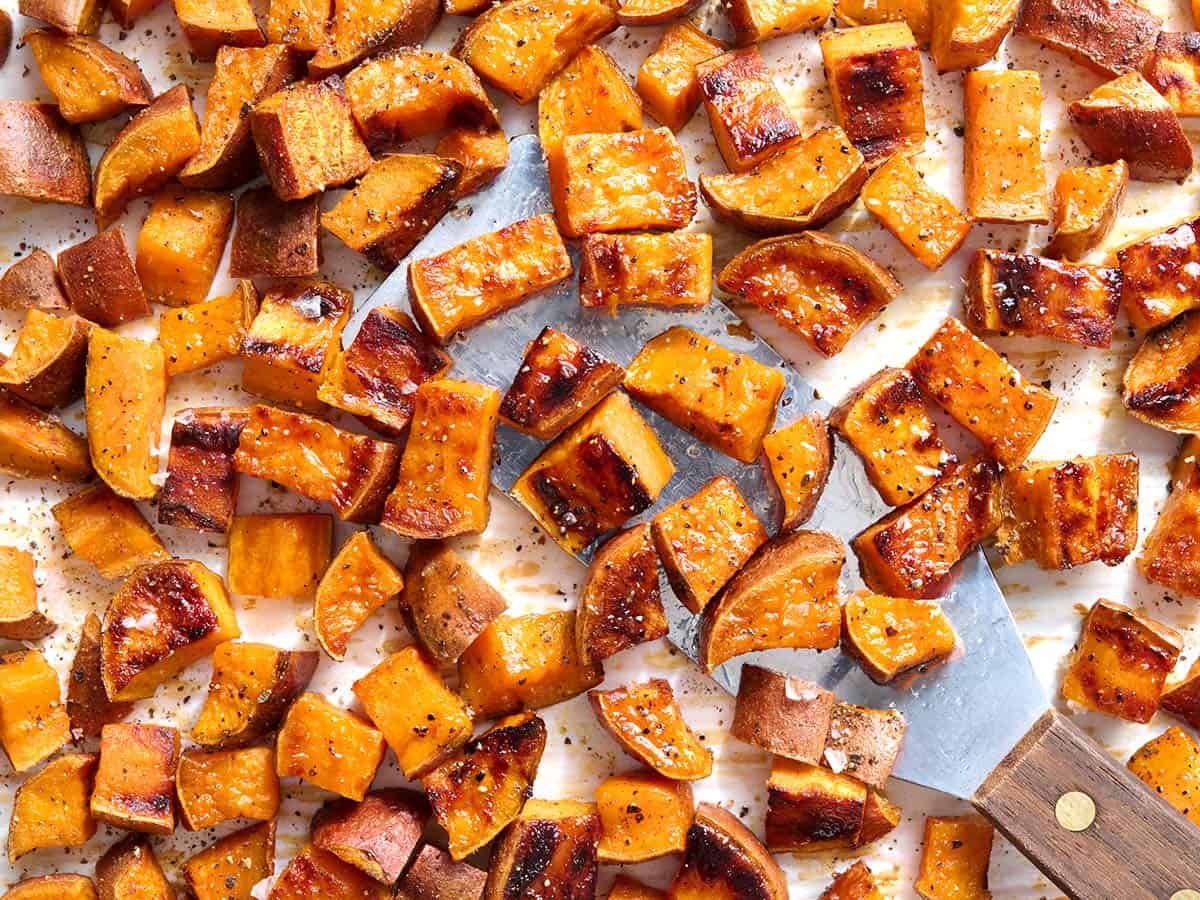
The Nashville Test Kitchen has released a comprehensive culinary protocol for achieving optimal caramelization in roasted sweet potatoes, emphasizing a streamlined three-ingredient approach that eliminates traditional requirements for parboiling or the addition of cornstarch. Developed by culinary professional Jess Rice, formerly a Chef Professor at Niagara College, the method prioritizes high-heat roasting at 450 degrees Fahrenheit to facilitate the Maillard reaction, resulting in a textural contrast between a crisp, browned exterior and a creamy, softened interior. This development comes at a time when household food budgets are under increased scrutiny, with the total cost for a four-serving batch calculated at approximately $2.63, or $0.66 per serving. By leveraging basic pantry staples—olive oil, salt, and the potatoes themselves—the recipe serves as a foundational element for versatile meal applications, including "power bowls" and structured meal prep.
Technical Foundations of the Roasting Process
The efficacy of the roasting method depends on several specific thermodynamic principles and mechanical preparation steps. According to the Nashville Test Kitchen findings, the most critical factor in preventing the potatoes from steaming—a common failure in home roasting—is the complete removal of surface moisture. When potatoes are washed but not thoroughly dried, the residual water creates a localized steam environment in the oven, which prevents the temperature of the potato skin from rising high enough to trigger caramelization.
Furthermore, the protocol mandates the preheating of the metal sheet pan. By placing the pan in the oven during the preheating phase, the surface reaches 450 degrees Fahrenheit before the vegetables are introduced. This immediate conductive heat transfer allows the bottom surface of the potato cubes to begin searing instantly, providing a head start on browning before the internal starch structures begin to break down. Experts at the test kitchen also emphasize the "single layer" rule; crowding the pan traps moisture between the cubes, leading to a "stewing" effect rather than a roast.
Chronology of Preparation and Execution
The execution of this side dish follows a strict 40-minute timeline from raw ingredient processing to final service. This efficiency is designed to align with the needs of modern households seeking to balance nutritional quality with time constraints.
- Initial Setup (Minutes 0–10): The oven is set to 450°F (232°C) with a metal sheet pan positioned on the middle rack to ensure even heat distribution. Simultaneously, two pounds of sweet potatoes are scrubbed to remove debris.
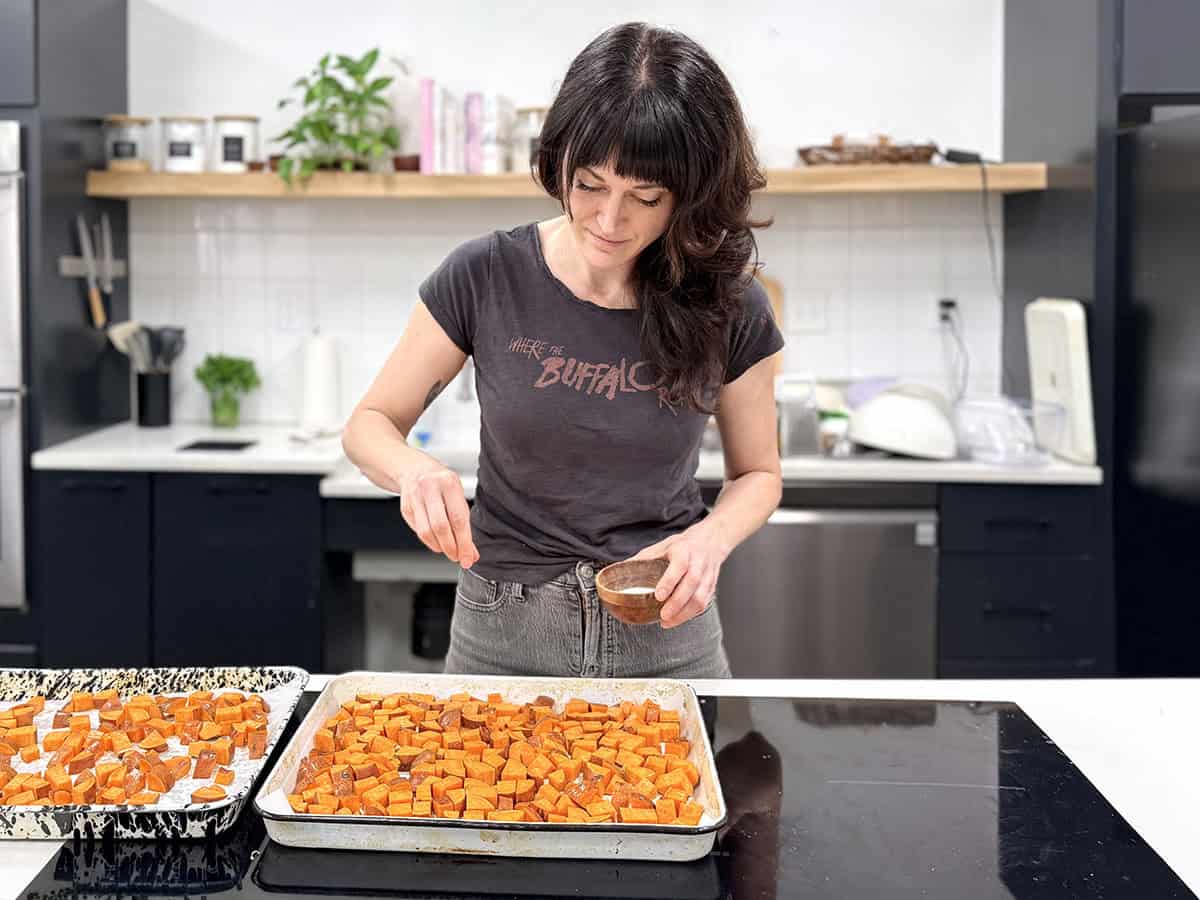
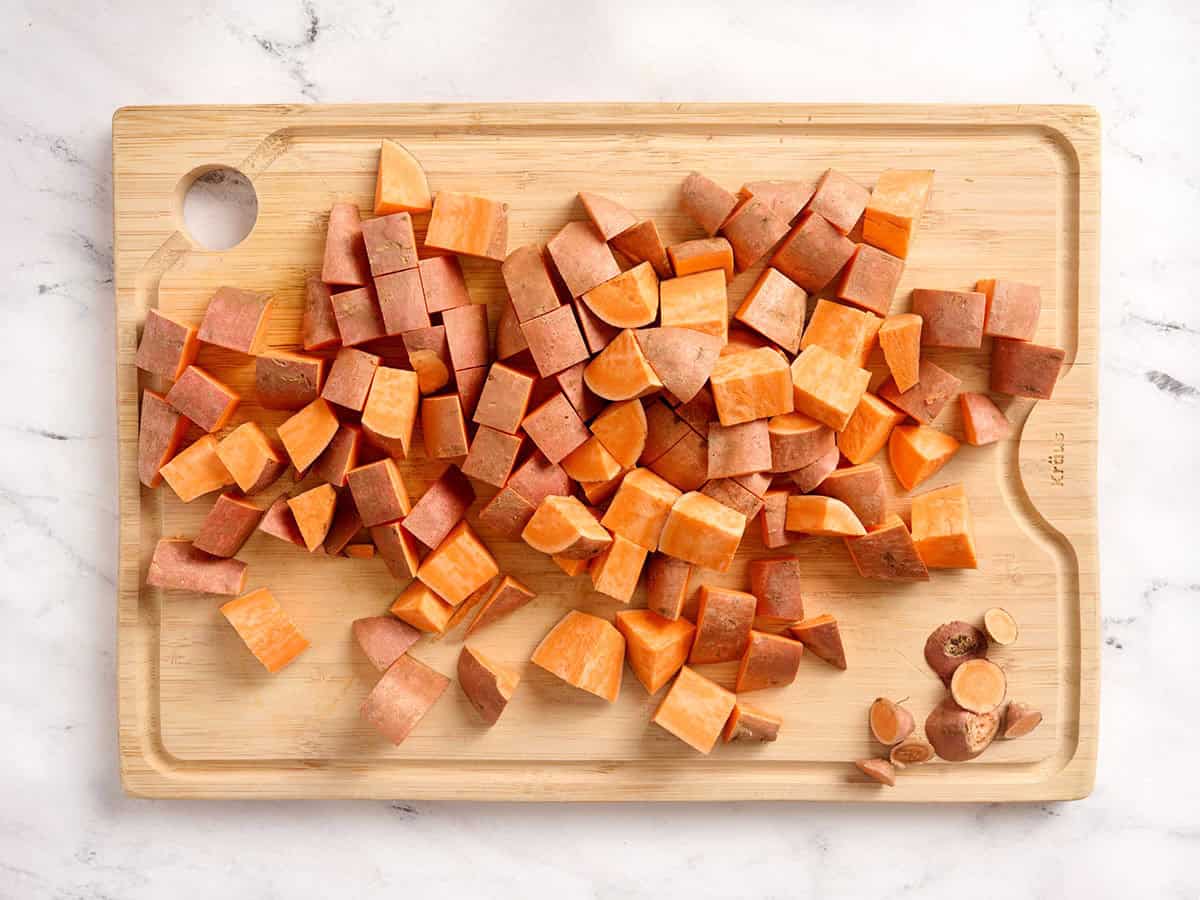
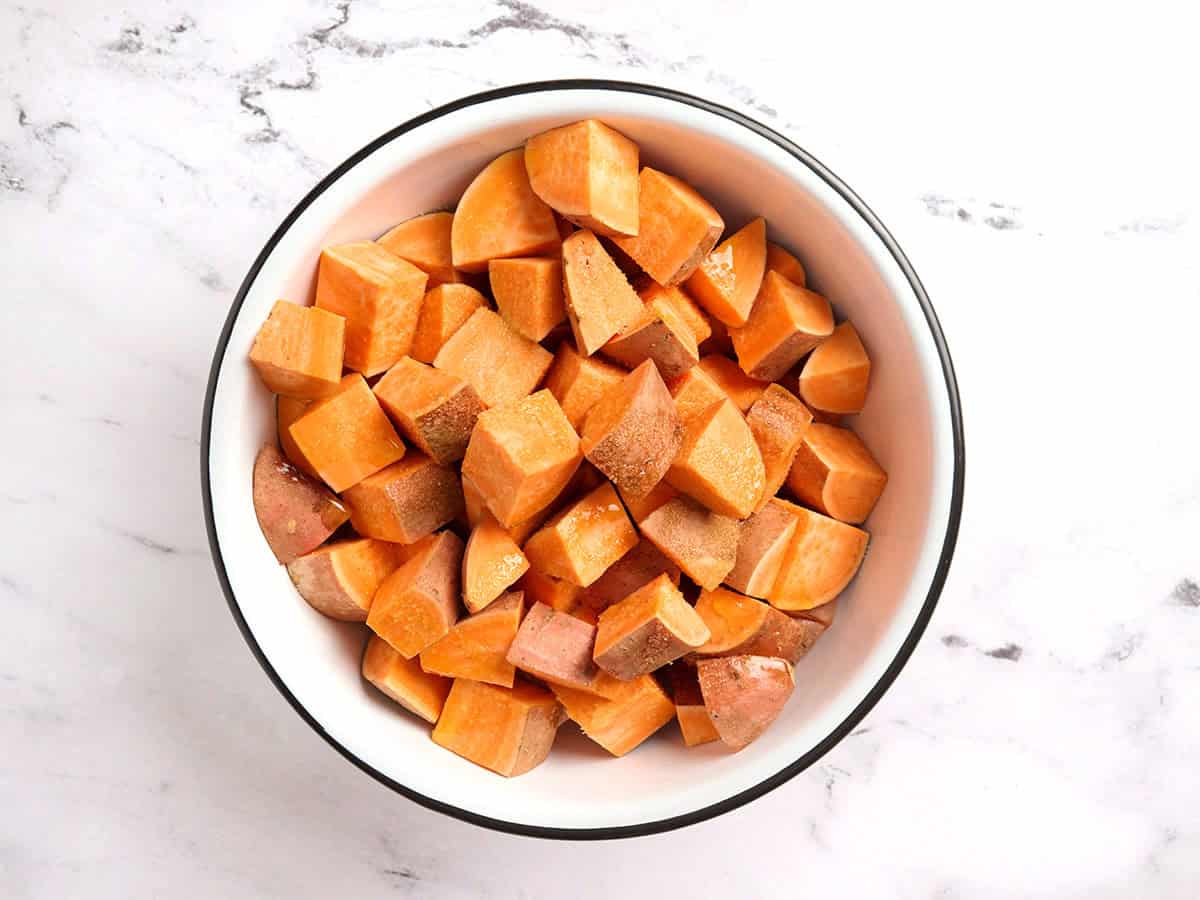
- Mechanical Processing (Minutes 10–15): The potatoes are dried with high-absorbency towels. The tapered ends are removed to prevent carbonization (burning) of smaller pieces. The tubers are then sliced into uniform cubes ranging from 0.5 to 1 inch. Uniformity is cited as the primary factor in ensuring all pieces reach the desired internal temperature simultaneously.
- Seasoning and Integration (Minutes 15–17): In a large mixing bowl, the cubes are tossed with 2 tablespoons of olive oil and 0.5 teaspoons of salt. This coating serves a dual purpose: the oil acts as a heat conductor and prevents sticking, while the salt draws out a minute amount of surface sugar to enhance browning.
- Primary Roasting Phase (Minutes 17–32): The seasoned cubes are spread across the preheated pan. They remain undisturbed for 15 minutes to allow the initial crust to form on the contact side.
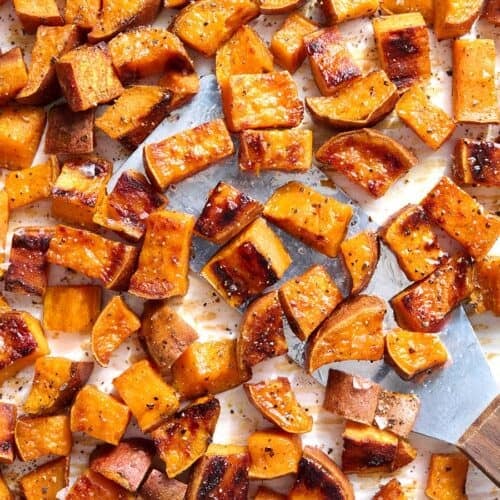
- Inversion and Final Roasting (Minutes 32–40): A thin spatula is used to flip the cubes, exposing the secondary sides to the hot metal. A final 10-minute roasting period completes the process.
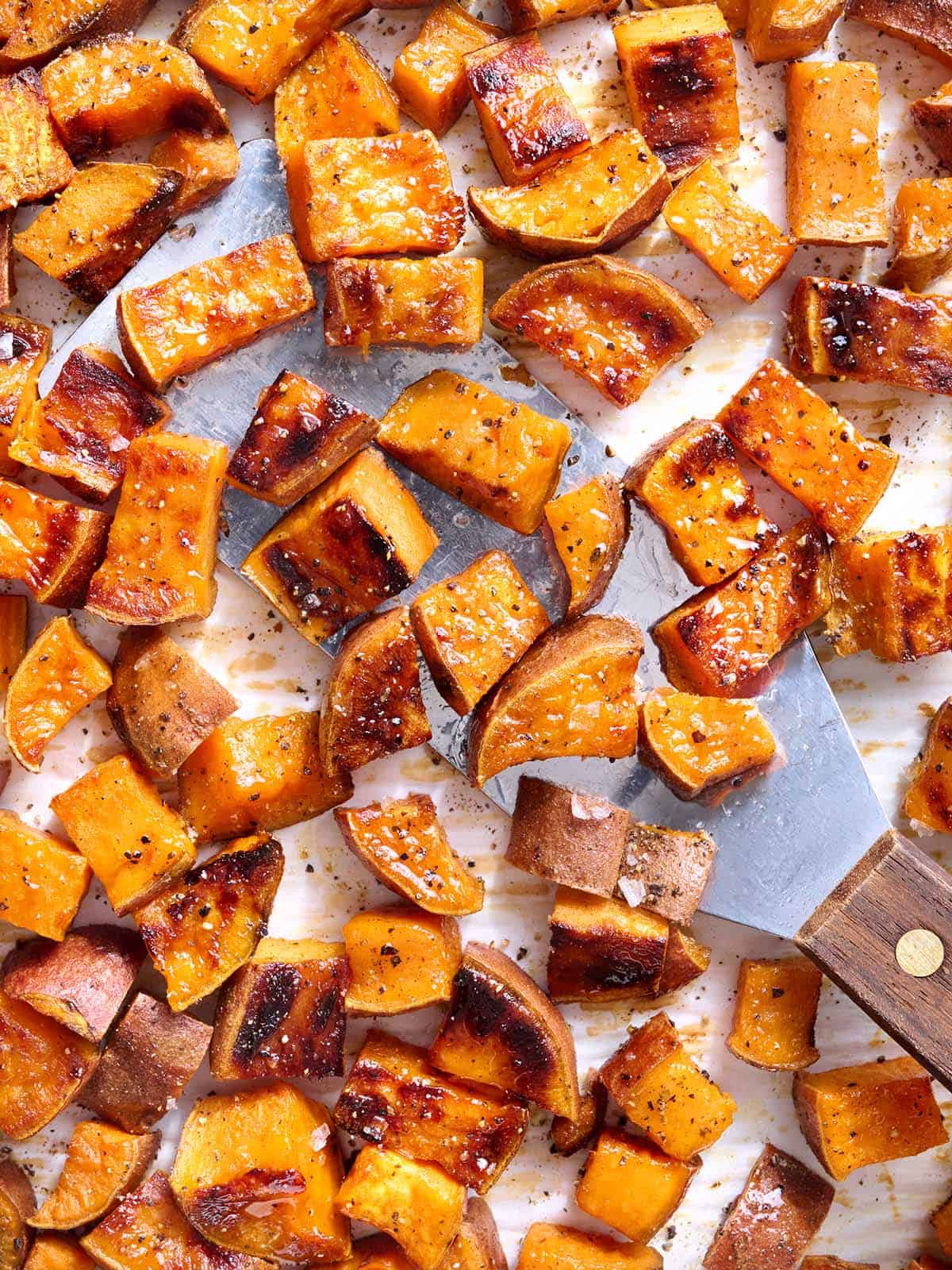
- Quality Assessment: The procedure concludes with a fork-tenderness test. Successful execution results in deeply browned edges and a soft center that offers no resistance to a knife or fork.
Nutritional Profile and Agricultural Context
The sweet potato, or Ipomoea batatas, is recognized by nutritionists as a nutrient-dense carbohydrate source. Data from the United States Department of Agriculture (USDA) indicates that a single serving of roasted sweet potatoes provides significant percentages of the Daily Value (DV) for several essential micronutrients. Notably, the high concentration of beta-carotene—a precursor to Vitamin A—is responsible for the vegetable’s characteristic orange hue.
A standard serving under this preparation method contains approximately 257 calories, 46 grams of carbohydrates, and 7 grams of dietary fiber. The inclusion of the skin in the roasting process is a deliberate choice by the Nashville Test Kitchen to maximize fiber intake and preserve the structural integrity of the cube. Beyond Vitamin A, sweet potatoes are a significant source of Vitamin C, potassium, and various antioxidants. This nutritional density makes them a preferred alternative to refined grains or white potatoes in therapeutic diets and athletic meal planning.
Economic Analysis of Low-Cost Meal Solutions
In the context of 2024’s economic climate, where food price volatility remains a concern for many consumers, the Budget Bytes philosophy offers a data-driven approach to household management. The total recipe cost of $2.63 represents a significant value proposition compared to pre-packaged or restaurant side dishes.
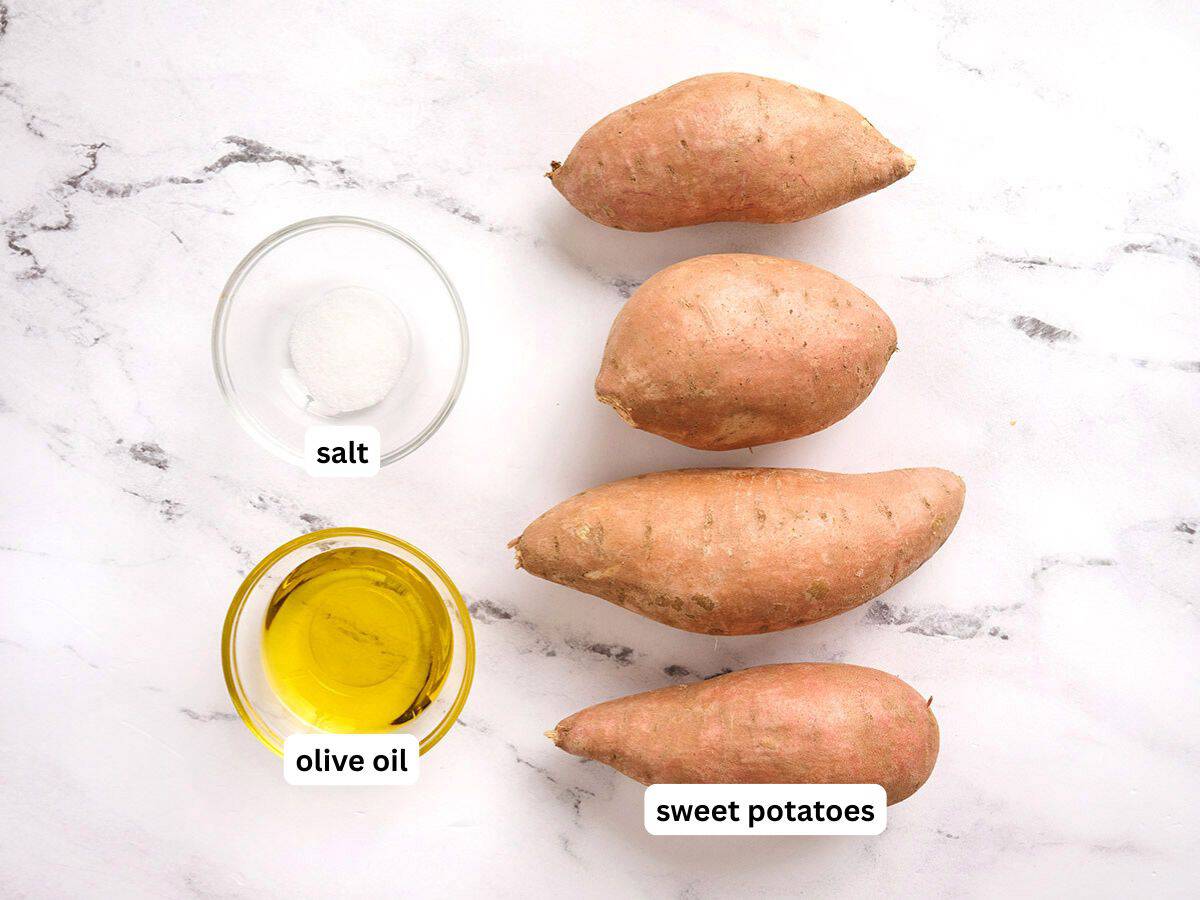
The cost breakdown is as follows:
- Sweet Potatoes (2 lbs): Approximately $1.98 (based on average national retail prices of $0.99/lb).
- Olive Oil (2 Tbsp): Approximately $0.60.
- Salt (0.5 tsp): Approximately $0.05.
This pricing structure results in a cost-per-serving of $0.66, placing the dish well below the threshold of most processed alternatives. Financial analysts suggest that the adoption of "back-pocket" recipes—dishes that require fewer than five ingredients and under 60 minutes of labor—is a primary driver in reducing overall household expenditure without sacrificing nutritional standards.
Statements and Professional Perspectives
Jess Rice, the lead developer of the recipe at the Nashville Test Kitchen, noted the versatility of the dish as its strongest asset. Rice, whose background includes serving as a private chef for high-profile clients and a professor of culinary theory, emphasized that while the base recipe is minimalist, it serves as a "culinary canvas."
"We rigorously test these recipes to ensure they are accessible to home cooks of all skill levels," Rice stated during the development phase. She further highlighted the sensory appeal of the dish, noting that the natural sweetness of the potato, enhanced by high-heat roasting, often appeals to younger demographics who might otherwise reject vegetable-centric dishes. The absence of added sugars or cornstarch—additives often found in commercial preparations—was a specific goal of the testing process to keep the dish "whole-food focused."
Broader Implications for Food Trends and Meal Prepping
The rise of "Meal Prep" culture has transformed the way urban populations consume food. By preparing large batches of versatile components like roasted sweet potatoes, individuals can construct varied meals throughout the week, reducing decision fatigue and the likelihood of purchasing expensive convenience foods.
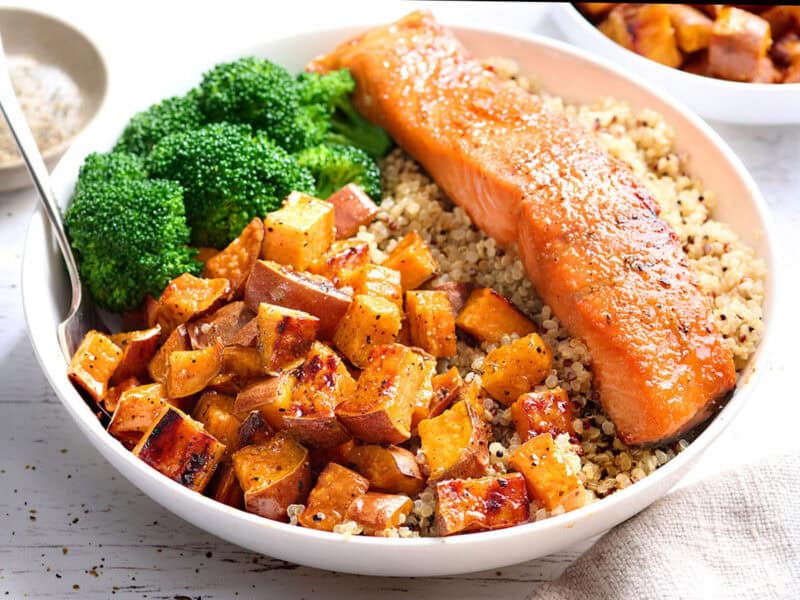
The Nashville Test Kitchen recommends dividing the roasted batch into four 0.5-cup portions for refrigerated storage. When paired with a protein—such as pan-seared chicken or chickpeas—and a fibrous green vegetable, these potatoes form the "complex carbohydrate" pillar of the modern "Power Bowl."
Furthermore, the recipe addresses the growing demand for dietary-inclusive options. Being naturally gluten-free, vegan, and dairy-free, the dish complies with a wide array of medical and ethical dietary restrictions. This makes it a strategic staple for communal dining and large-scale meal planning.
Storage, Reheating, and Food Safety Protocols
To maintain the quality of the roasted sweet potatoes over several days, the Nashville Test Kitchen has issued specific storage guidelines. Leftovers must be allowed to reach room temperature before being placed in airtight containers. This prevents the accumulation of condensation, which would otherwise compromise the texture and lead to premature spoilage.
For reheating, the test kitchen advises against the exclusive use of microwaves if the goal is to retain the crisp exterior. While a microwave is sufficient for heating (45-60 seconds), the use of an air fryer or oven at 350°F is recommended to restore the "freshly roasted" flavor profile. For long-term storage, the potatoes may be frozen for up to three months. The recommended protocol involves flash-freezing the cubes in a single layer on a parchment-lined sheet before transferring them to a vacuum-sealed bag to prevent freezer burn.
As the culinary landscape continues to shift toward efficiency and affordability, the standardization of such foundational recipes provides a critical resource for maintaining public health and economic stability at the household level. The Nashville Test Kitchen’s latest contribution underscores the intersection of professional culinary technique and practical home application.
