

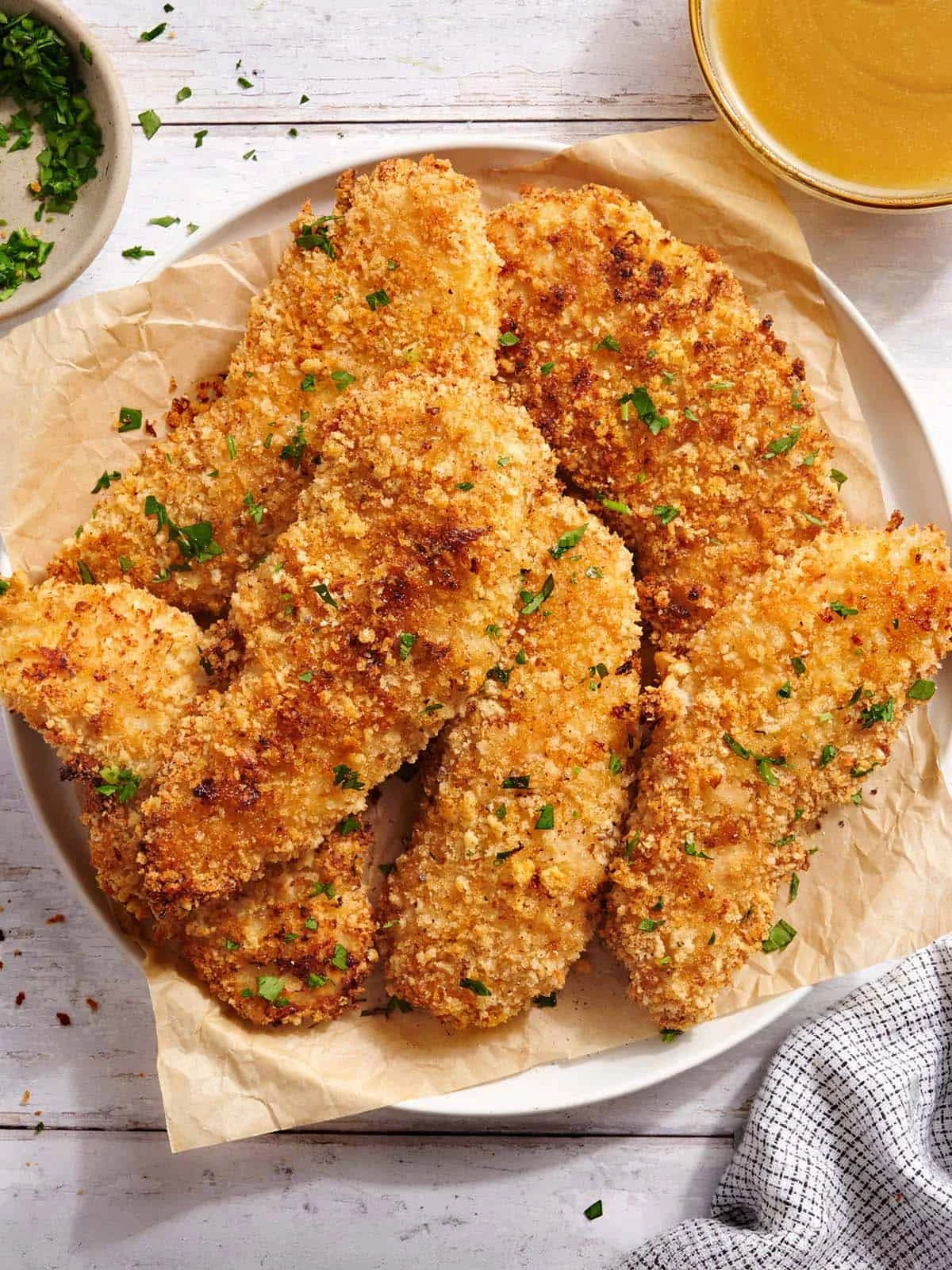
The evolution of home culinary practices has seen a significant shift toward health-conscious, cost-effective alternatives to traditional fast-food staples. Recent data from culinary research facilities, including the Nashville Test Kitchen, highlights a growing preference for oven-baked poultry over traditional deep-fried methods. This transition is driven by a dual demand for reduced caloric intake and the mitigation of rising food costs associated with the quick-service restaurant (QSR) industry. The development of a standardized recipe for classic oven-baked chicken tenders serves as a primary example of how simple pantry ingredients and innovative preparation techniques can replicate the sensory experience of commercial fried chicken while offering superior nutritional profiles and significant financial savings.
The Economic Landscape of Home-Prepared Poultry
Economic analysis of the current grocery market reveals that home-prepared chicken tenders offer a substantial reduction in per-serving costs compared to national fast-food chains. Based on recent procurement data from major retailers such as Walmart, the price of raw chicken tenders is approximately $4.92 per pound. When accounting for supplemental ingredients such as Greek yogurt, panko breadcrumbs, and seasonings, the total cost for a four-serving batch is estimated at $7.03. This results in a unit cost of approximately $1.76 per serving.
In contrast, consumer price indices for QSR entities like Chick-fil-A indicate that a three-piece chicken strip meal can range between $5.00 and $6.00. By adopting home-preparation methods, consumers can produce nearly three times the volume of food for the same capital expenditure. This 66% reduction in cost per unit is a critical factor for households managing tightening grocery budgets amidst inflationary pressures. Furthermore, the ability to purchase meat in bulk during promotional periods and utilize freezing technology further enhances the long-term economic viability of this culinary model.
Culinary Methodology and Technical Innovation
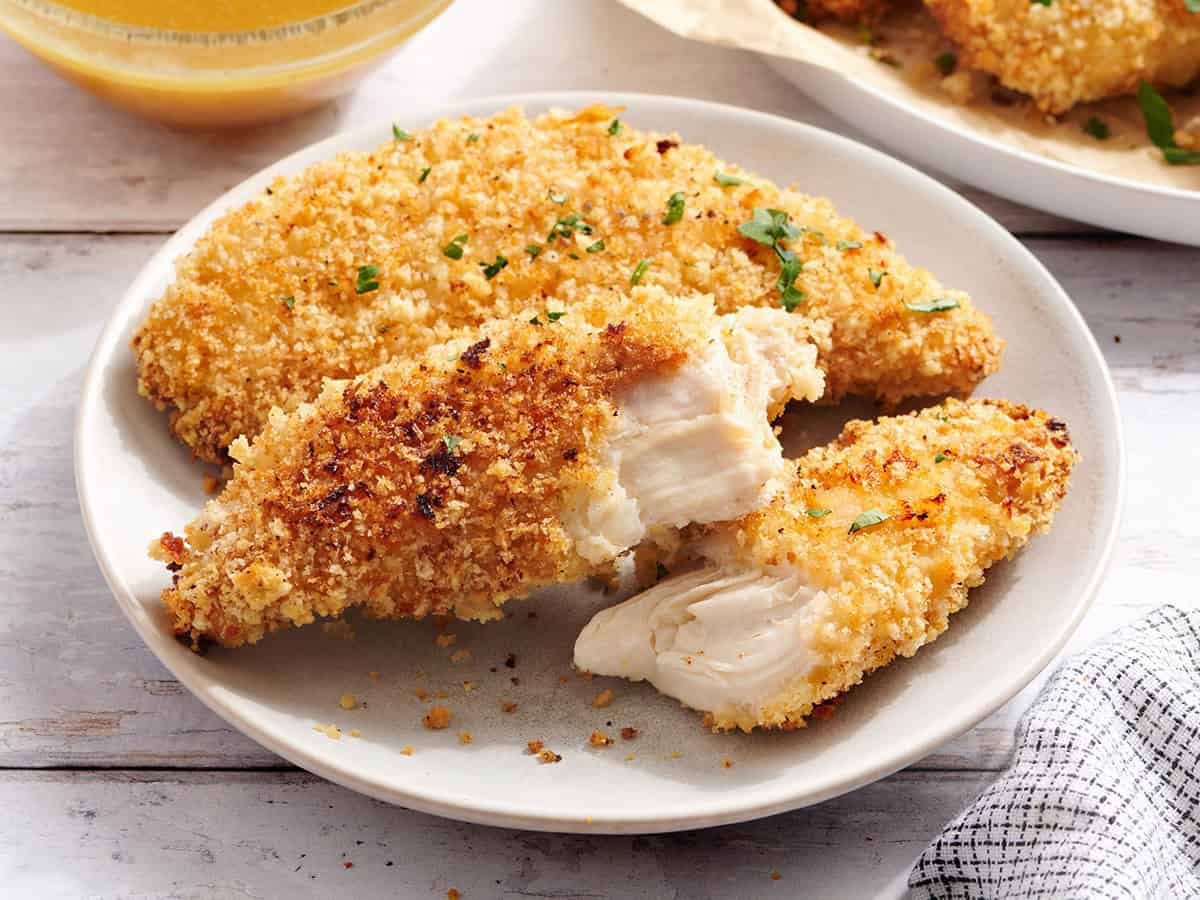
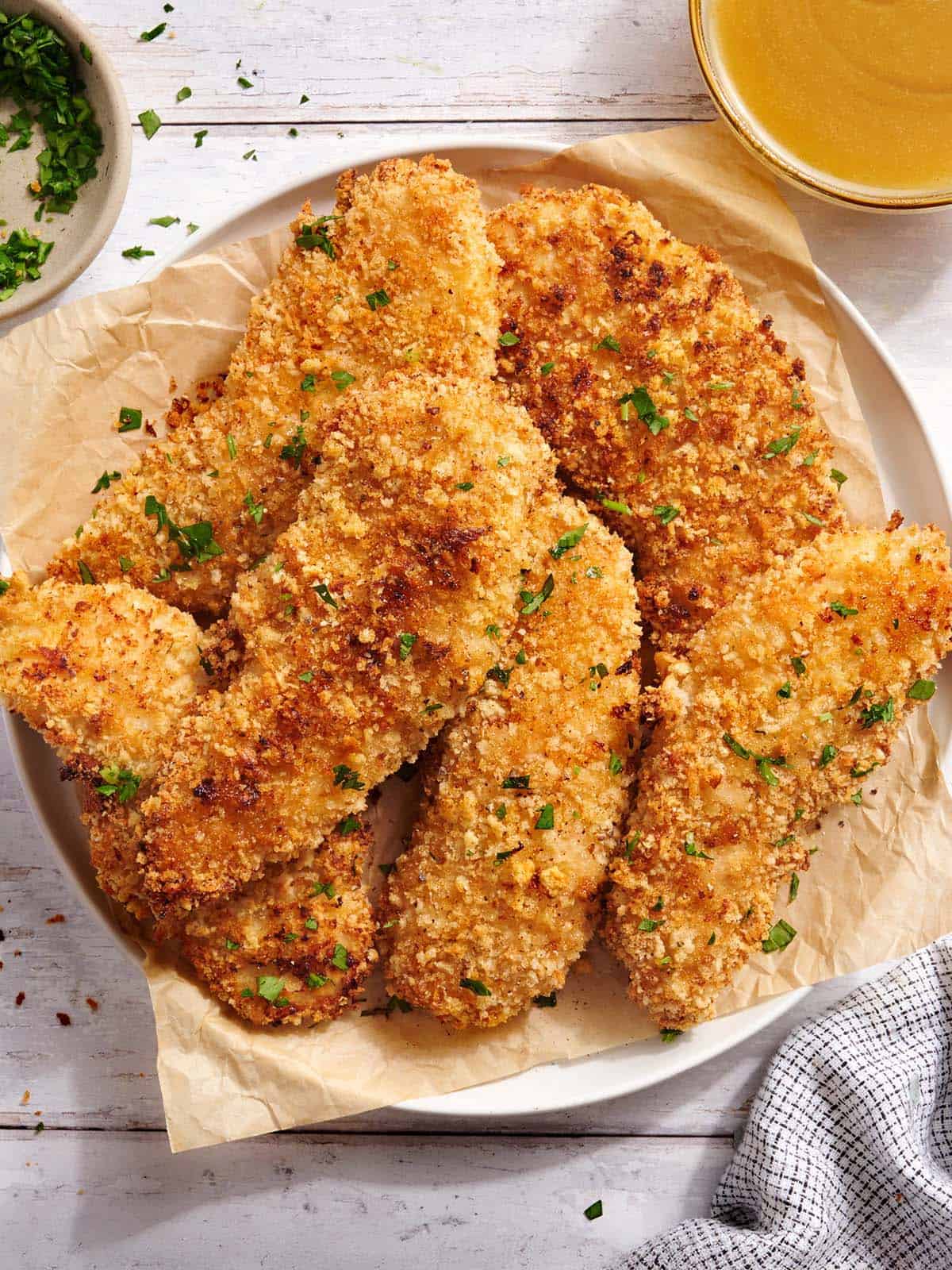
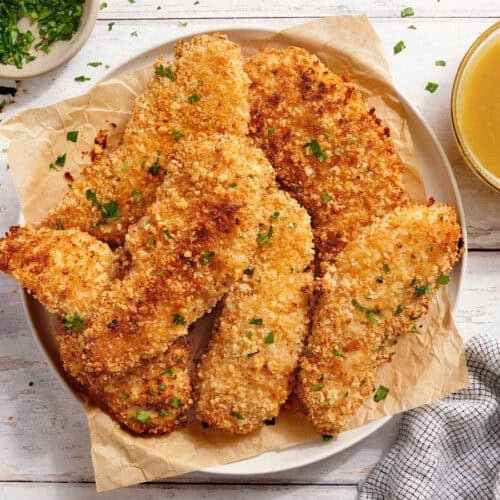
The success of the oven-baked chicken tender relies on specific technical innovations that ensure a "crispy on the outside, juicy on the inside" texture without the use of a deep fryer. The methodology departs from the traditional three-stage dredging process—flour, egg wash, and breadcrumbs—in favor of a more streamlined and nutritionally dense binding agent: plain Greek yogurt.
The Role of Greek Yogurt as a Binder and Tenderizer
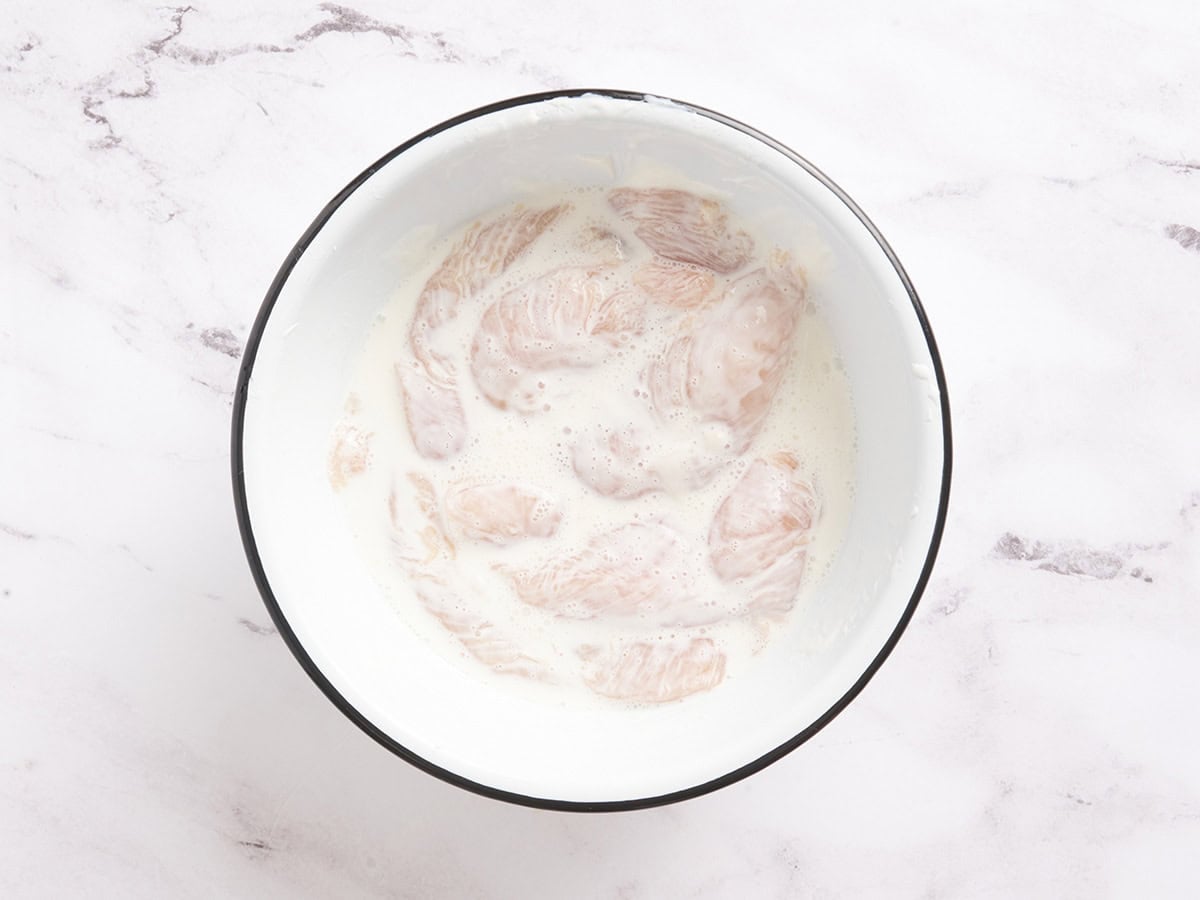
The use of Greek yogurt serves multiple functional purposes in the preparation process. Chemically, the lactic acid present in the yogurt acts as a mild tenderizing agent, breaking down the protein structures in the chicken breast to ensure moisture retention during the high-heat baking process. Logistically, the viscosity of the yogurt, when thinned slightly with water, provides a superior adhesive surface for the breadcrumbs compared to standard egg washes. This ensures a consistent coating that does not detach from the meat during consumption.
Pre-Toasting Panko for Optimal Texture
A significant challenge in oven-baking breaded items is achieving the golden-brown aesthetic and crunch associated with frying. Culinary analysts have determined that panko breadcrumbs—which are larger and airier than traditional breadcrumbs—require a "head start" in the browning process. By toasting the panko in a neutral oil and seasoning blend at 400°F for two to five minutes prior to breading the chicken, the crumbs achieve a deeply golden hue. This ensures that by the time the chicken reaches its safe internal temperature of 165°F, the exterior is fully crisped without the risk of overcooking the poultry.
Standardized Preparation Chronology
The preparation of these chicken tenders follows a rigorous sequence designed for efficiency and safety. The timeline begins with the preheating of the oven to 400°F and the preparation of the baking surface with parchment paper to prevent adhesion.
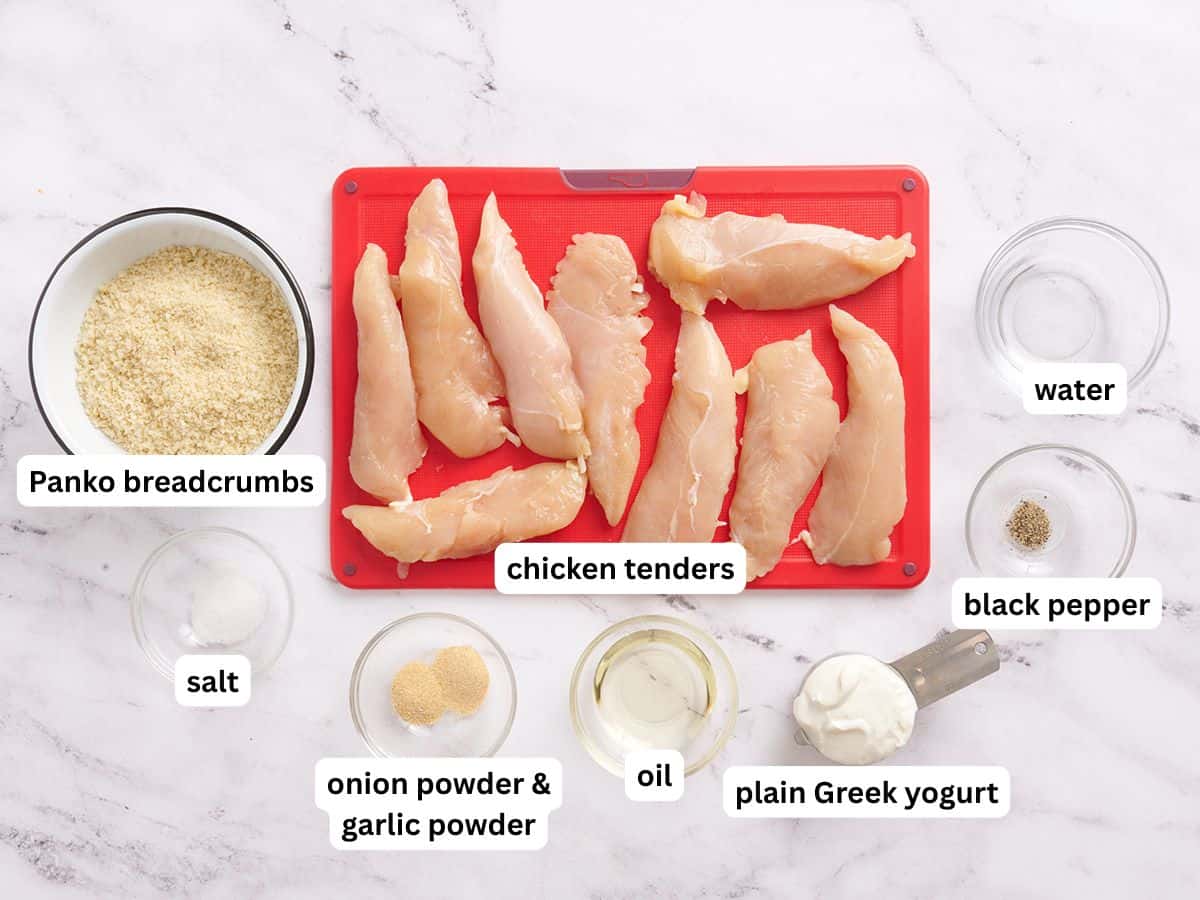
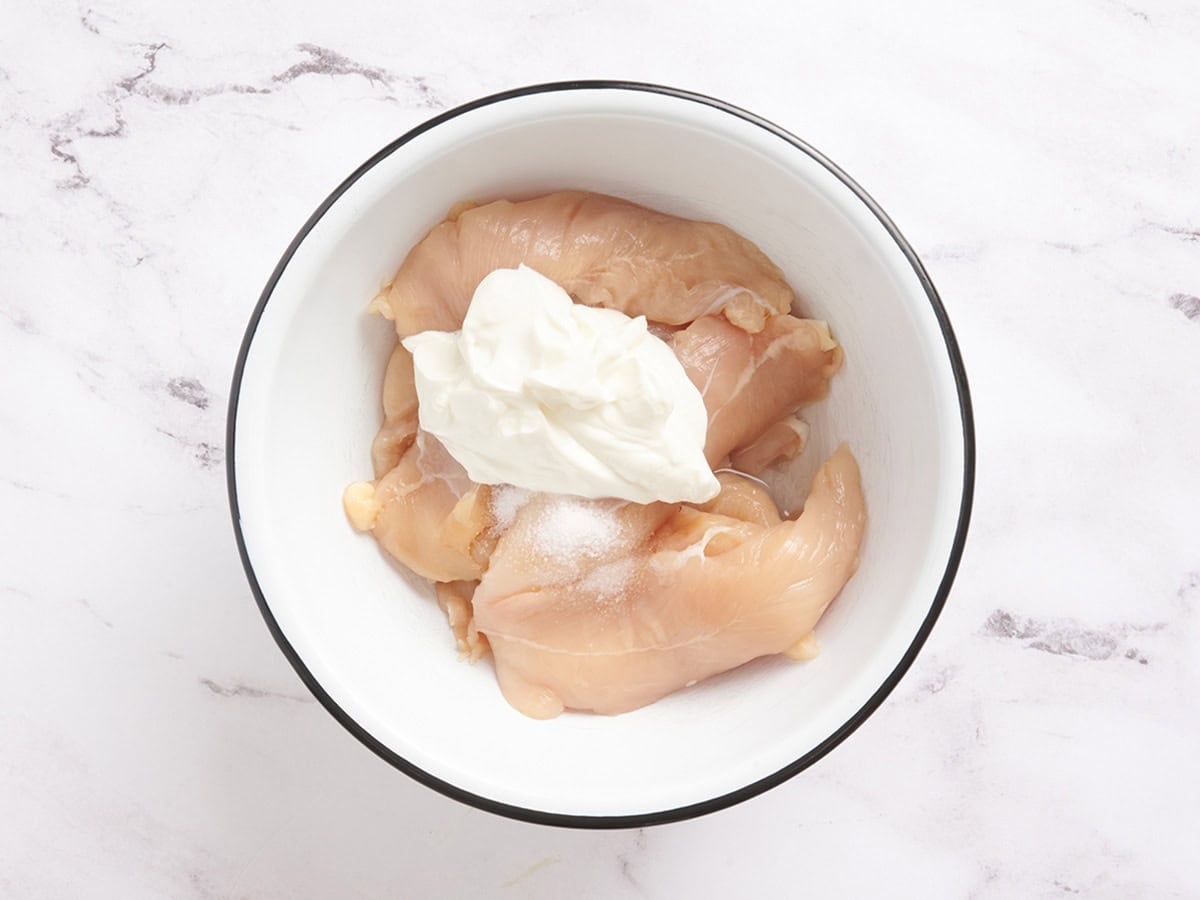
- Coating Phase: One pound of chicken tenders is combined with 1/3 cup of plain Greek yogurt, 1/4 teaspoon of salt, and 3 tablespoons of water. The mixture is tossed to ensure total saturation and then refrigerated.
- Seasoning Phase: The dry coating consists of 1 3/4 cups of panko breadcrumbs, 1/2 teaspoon each of onion and garlic powder, 1/4 teaspoon of salt, and 1/8 teaspoon of black pepper. Two tablespoons of neutral oil (such as canola or grapeseed) are integrated to facilitate even browning.
- Thermal Pre-treatment: The seasoned panko is spread on a baking sheet and toasted until lightly golden.
- Breading Phase: Each tender is removed from the yogurt mixture, allowing excess liquid to drain, and then pressed firmly into the toasted panko.
- Final Baking: The breaded tenders are baked for 30 minutes, with a mandatory inversion at the 15-minute mark to ensure uniform heat distribution.
Nutritional Analysis and Dietary Considerations
From a public health perspective, the nutritional profile of oven-baked chicken tenders offers a favorable alternative to the high-saturated-fat content of fried varieties. A standard serving of two tenders (approximately 1/4 lb of chicken) contains:
- Calories: 307 kcal
- Protein: 29g (58% of Daily Value)
- Total Fat: 11g (17% of Daily Value)
- Carbohydrates: 20g
- Sodium: 621mg (27% of Daily Value)
The high protein-to-calorie ratio makes this an ideal option for individuals focused on muscle maintenance and satiety. Additionally, the recipe is "egg-free" and "soy-free," making it accessible to individuals with common allergens. For those with specific dietary restrictions, the methodology can be adapted: gluten-free panko can be substituted for traditional crumbs, and dairy-free plain yogurt can replace the Greek yogurt, provided the consistency is adjusted to maintain its adhesive properties.
Versatility in Serving and Meal Integration
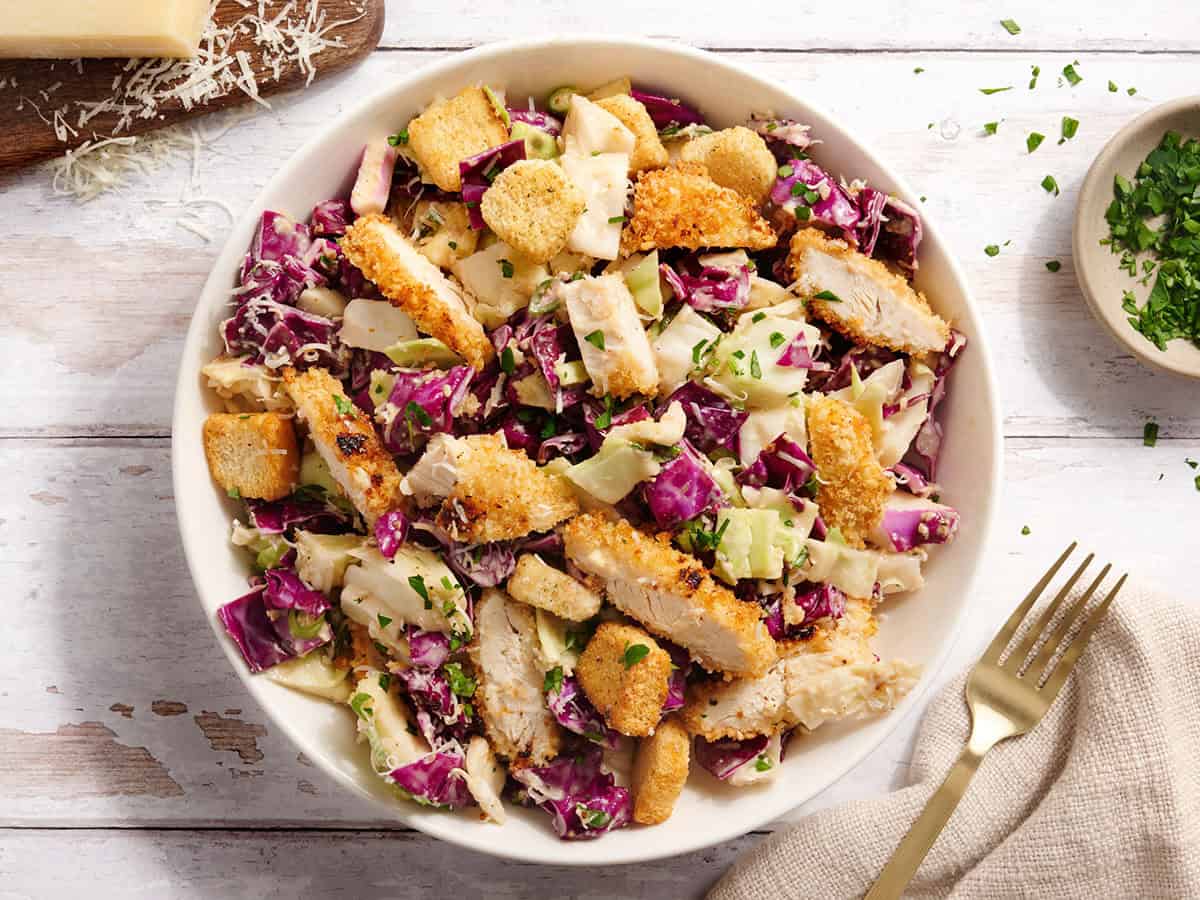
The utility of the chicken tender extends beyond a standalone entrée. Culinary professionals suggest several integration strategies to enhance the nutritional variety of the meal. Pairing the tenders with a "Caesar slaw" or a dense vegetable salad provides necessary fiber and micronutrients.
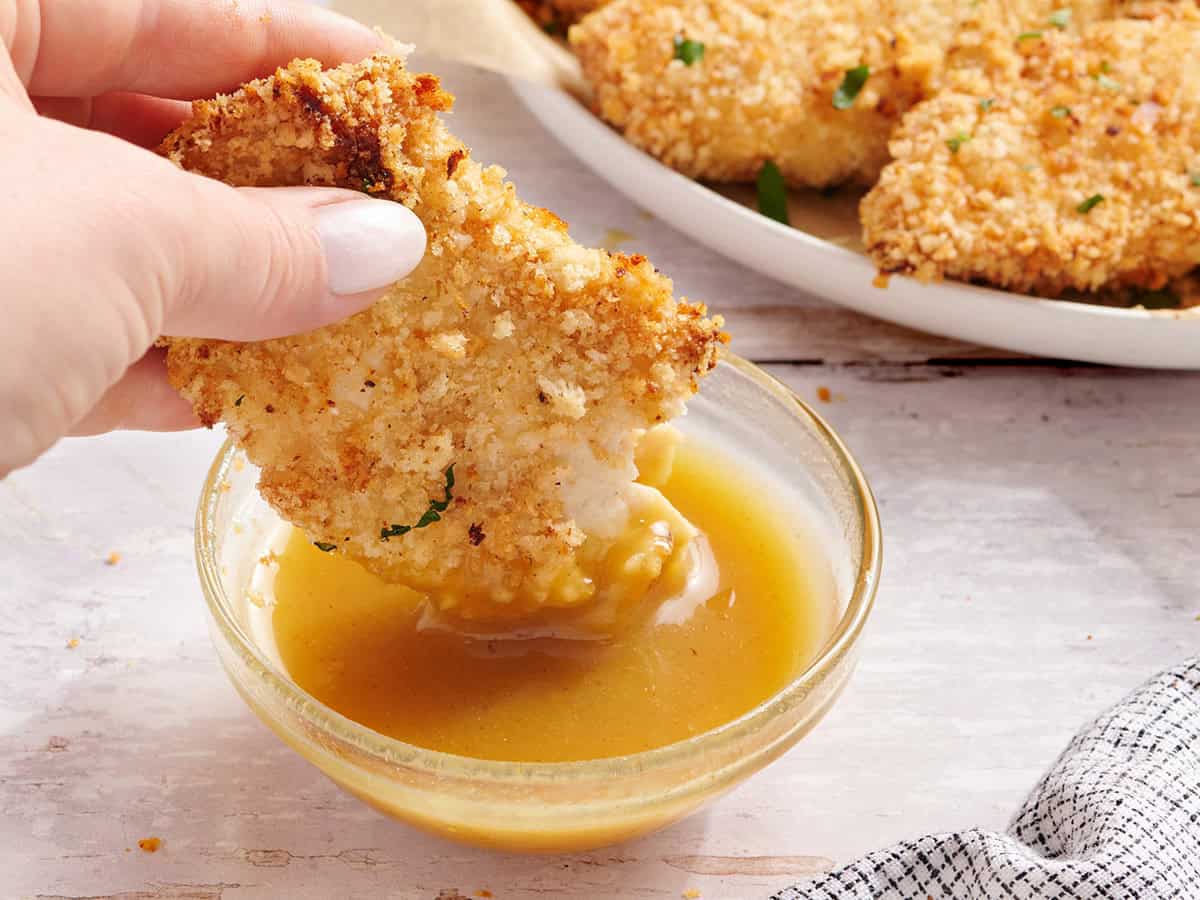
Dipping sauces remain a staple of the chicken tender experience. While honey mustard and homemade ranch are the most common recommendations, the use of these sauces also allows for the inclusion of raw vegetables (such as carrots or celery) into the meal, as the ranch can serve a dual purpose. For a more traditional "chicken-and-fries" presentation, the use of an air fryer for potato preparation is recommended to avoid overcrowding the oven and maintaining the crispness of both components.
Logistics of Storage, Freezing, and Reheating
One of the primary advantages of this specific recipe is its suitability for large-scale meal prep. In an era where time-poverty is a significant barrier to healthy eating, the ability to "flash freeze" these tenders provides a high-quality "convenience food" that lacks the "mystery ingredients" often found in ultra-processed frozen goods.
The Flash Freezing Protocol
To maintain the structural integrity of the breading, cooked tenders should be cooled completely and then arranged in a single layer on a parchment-lined sheet. They are placed in the freezer until solid, after which they can be transferred to a freezer-safe bag for up to three months. This prevents the tenders from adhering to one another, allowing for single-portion retrieval.
Reheating for Texture Preservation
While microwave reheating is an option, it often results in a softened exterior due to steam generation. For optimal texture, reheating should occur in a 400°F oven for 8–10 minutes or an air fryer for 4–6 minutes. This secondary thermal application removes residual moisture from the panko, restoring the original crunch.
Broader Impact and Market Implications
The move toward home-baked, high-protein meal prep reflects a broader societal trend toward "at-home" food management. As QSR prices continue to rise, the "Classic Chicken Tender" represents more than just a recipe; it is a strategic response to economic and health pressures. By utilizing scientific principles—such as acid-based tenderization and pre-toasting of dry ingredients—home cooks are now able to bridge the gap between "healthy" and "satisfying."
The implications of this shift are significant for the food industry. As consumers become more adept at replicating favorite restaurant flavors at a fraction of the cost and caloric density, the demand for transparency and value in commercial food products is likely to increase. For the modern household, the mastery of such "pantry-staple" recipes ensures that a chaotic schedule does not necessitate a compromise on nutritional standards or financial stability. This standardized approach to the classic chicken tender demonstrates that culinary excellence and budgetary discipline are not mutually exclusive goals in the contemporary kitchen.
