

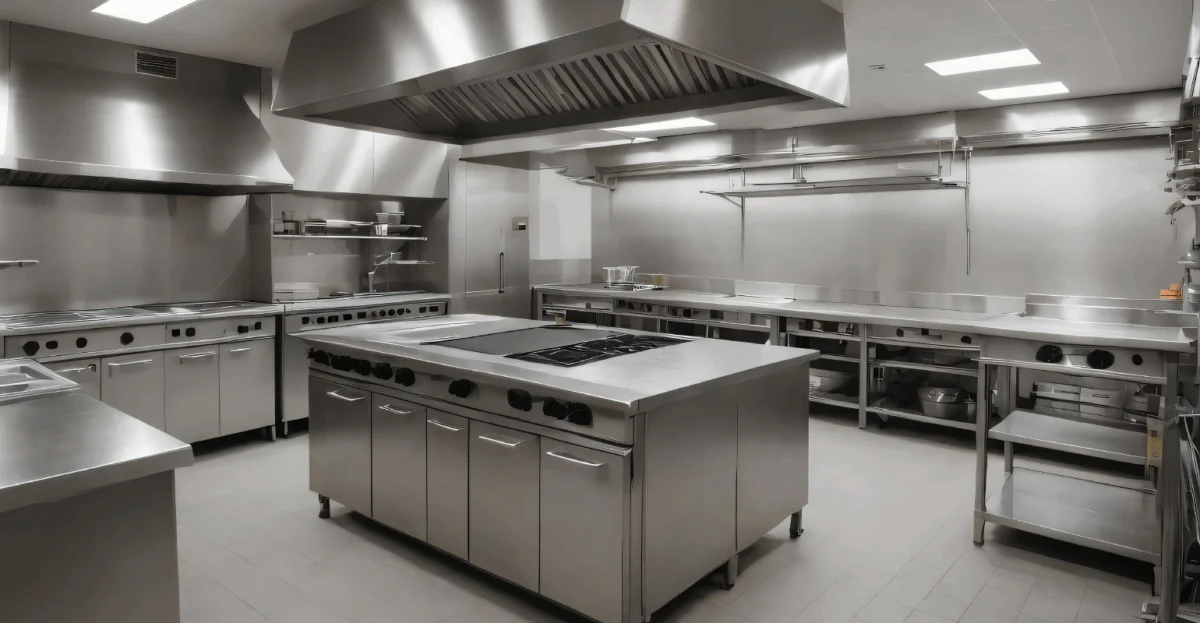
The landscape of restaurant operations is undergoing a profound transformation, with the procurement of essential equipment at the forefront of this evolution. Historically, restaurant operators have relied on tangible experiences – visiting brick-and-mortar stores and showrooms – to make critical decisions about purchasing items like combi ovens and prep tables. These are not mere acquisitions; they represent significant investments in a restaurant’s productivity, the consistency of its offerings, and ultimately, the experience delivered to its guests. However, in response to persistent labor shortages, the imperative to adapt service models, and the relentless pressure of rising operational costs, the foodservice industry is increasingly embracing online purchasing as a practical and strategic solution. This shift is fundamentally reshaping how restaurants equip themselves for success.
Strategic Kitchen Design Drives Equipment Choices
The foundational principle guiding equipment decisions for restaurant operators has always been a meticulous backward planning process, starting with the functional flow of the space. This integral aspect of structural planning dictates the selection of virtually every piece of equipment. As the industry continues its relentless pursuit of optimized layouts for enhanced efficiency, the choice of equipment has become inextricably linked with the overall architectural and operational design of a restaurant. The ideal piece of equipment is one that not only performs its intended function but also actively supports an efficient workflow, enabling staff to navigate seamlessly through preparation, cooking, and service zones. The weight of making the right product selection from the outset cannot be overstated, particularly when considering budgetary constraints. A poorly chosen or ill-fitting piece of equipment can lead to costly rework, significant operational disruptions, or premature replacement, thereby undermining financial stability.
For instance, a seemingly minor adjustment, such as upgrading a 30-inch-deep prep table to a 36-inch model, can have a cascading effect on space utilization. In a scenario where a walkway measures 42 inches, this upgrade could reduce it to a mere 36 inches. This reduction, while appearing marginal on paper, can create significant bottlenecks during peak service hours, such as a bustling Friday dinner rush, where servers laden with loaded trays must navigate tight spaces. The ability to meticulously review dimensions and perform cross-comparisons of products online empowers operators to proactively identify and mitigate these potential spatial challenges, thereby significantly increasing the likelihood of purchasing the correct equipment on the first attempt, saving both time and capital.
The Unfolding Digital Marketplace: Convenience and Accessibility
The digital realm offers a level of convenience that is remarkably well-aligned with the demanding realities of modern restaurant management. In an industry characterized by its fast-paced environment, operators are constantly juggling a complex array of responsibilities, including staffing, meticulous inventory checks, and the paramount task of ensuring exceptional guest service. This demanding schedule leaves precious little time for protracted procurement processes that often involve multiple site visits and lengthy consultations. Online platforms, by contrast, provide a streamlined and accessible solution. They empower restaurant teams to conveniently review detailed product specifications, compare a multitude of options side-by-side, and complete necessary internal approvals at their own pace and on their own schedule, all without the logistical hurdles of coordinating physical visits. This flexibility allows for browsing and decision-making to occur outside of traditional business hours, accommodating the unpredictable nature of restaurant operations.
While some operators may harbor reservations, stemming from a historical reliance on physically inspecting and testing equipment on a sales floor before committing to substantial financial outlays, the online ordering landscape has evolved significantly. It now incorporates robust mechanisms for quality assurance that mirror, and in some cases surpass, traditional methods. Detailed product specifications, a wealth of verified customer reviews, and the availability of dedicated support teams collectively provide a comprehensive level of upfront quality assurance. Instead of relying on fragmented conversations over time to build a complete understanding of a product, a holistic and instantly accessible digital representation of the product is readily available.
One of the most compelling advantages of purchasing restaurant equipment online is the unparalleled access to a broader and more diverse selection. Digital marketplaces aggregate extensive inventories from a vast array of manufacturers, encompassing a wide spectrum of product categories, sizes, and price points. This expansive reach allows operators to thoroughly evaluate a wide range of potential solutions without the need for time-consuming and costly travel between multiple physical stores.
Standardization and Customization in a Digital Era
For multi-unit restaurant brands embarking on regional expansions, this amplified product assortment proves invaluable in simplifying and standardizing operational efforts across new locations. Management can efficiently compare refrigeration packages, holding solutions, and other critical equipment across numerous sites, thereby ensuring a consistent brand experience and operational efficiency from store to store. This capability is crucial for maintaining brand integrity and streamlining training and maintenance protocols.
Conversely, for independent operators, online shopping liberates them from the limitations of what might be available through local suppliers. Owners can meticulously research models that precisely align with their specific footprint, unique menu mix, and defined budget requirements. Whether the task involves outfitting a compact bakery kitchen with specialized equipment or replacing a single, essential reach-in refrigerator, the expanded choice afforded by online platforms significantly increases the probability of finding the perfect operational fit, optimizing both functionality and cost-effectiveness.
Informed Decision-Making Through Data Consolidation
Digital platforms are instrumental in empowering operators to make truly informed purchasing decisions by simplifying the often complex process of equipment evaluation. These platforms consolidate critical information, including detailed product specifications, precise dimensions, essential performance metrics, and invaluable customer reviews, all within a single, easily accessible location. Instead of expending considerable effort piecing together disparate details from multiple, often unreliable sources, operators can conveniently evaluate options side-by-side. This direct comparison facilitates a rapid and accurate determination of which piece of equipment best meets their specific needs. With a comprehensive array of questions addressed across multiple product offerings, operators can proceed with a genuine and well-founded confidence in their purchasing decisions, mitigating the risks associated with significant capital expenditures.
Consider a scenario where a critical piece of equipment, such as a commercial dishwasher, experiences a breakdown. In a traditional setting, sourcing information about replacement parts or evaluating new units could be a time-consuming and frustrating process. Online, however, it becomes a straightforward task to verify the availability of replacement parts for the existing unit. If a new unit is necessitated, the purchasing process can commence immediately, with instant access to all the specifications required to thoroughly evaluate a range of options and make an informed decision. This self-directed ability to research and assess equipment independently significantly reduces the inherent uncertainty that often accompanies major capital investments.
Cost Optimization and Strategic Procurement
Cost remains a paramount concern for restaurants of all scales, and online purchasing offers a more transparent and efficient pathway to discovering equipment that aligns precisely with both operational requirements and budgetary limitations. For instance, when an operator is in the market for a new mixer, online platforms allow for an easy and direct comparison of different types, such as planetary mixers and countertop models. They can readily evaluate critical factors like bowl capacities, review the included attachments, and ascertain which option delivers the optimal value for the establishment’s specific production volume and needs. This enhanced level of transparency is crucial for maximizing the return on equipment investments. Furthermore, online platforms frequently offer additional cost savings through strategically timed sales events, clearance promotions, and attractive scratch-and-dent deals, further enhancing the financial prudence of online procurement.
The evolution of online procurement for restaurant equipment is not merely an alternative channel; it has unequivocally become a strategic resource. It facilitates faster and more comprehensive research, provides access to a broader and more diverse product selection, and offers greater purchasing flexibility. When operators are equipped with readily available, accurate information, a wide array of choices, and the autonomy to evaluate options on their own terms, they are demonstrably better positioned to outfit their businesses for enduring success and sustained growth in an increasingly competitive market. The digital revolution in this sector is not just about convenience; it’s about empowering restaurant owners with the tools and insights needed to make smarter, more cost-effective, and strategically sound equipment decisions.
