

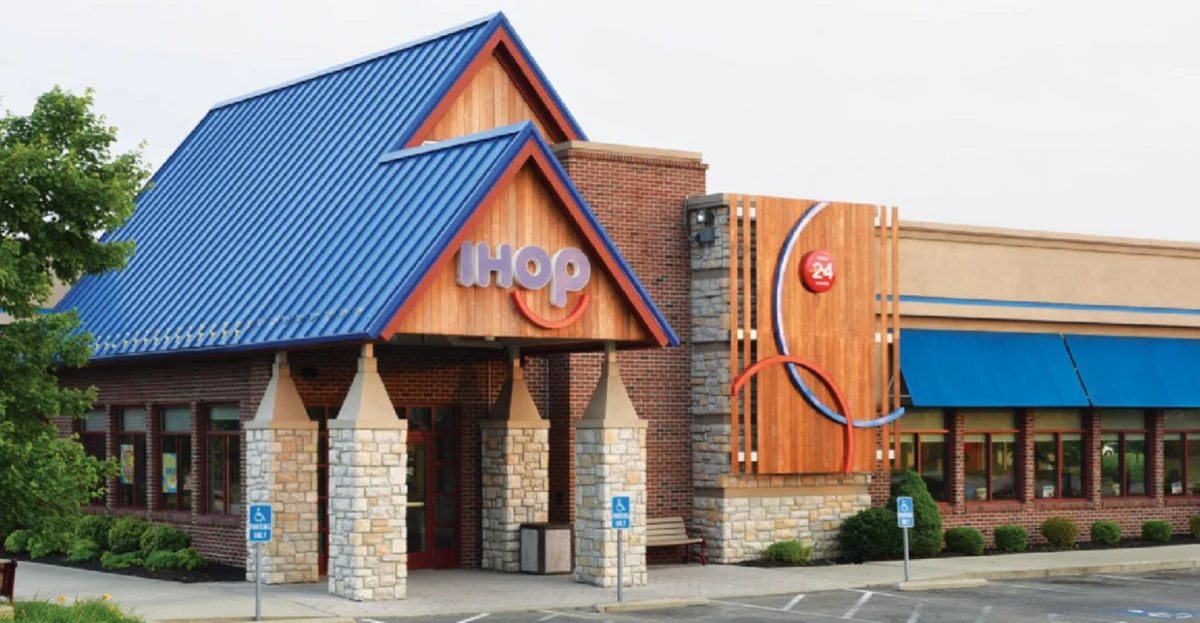
IHOP is making a significant return to its breakfast roots with the reintroduction of its highly anticipated Stuffed French Toast, a fan-favorite item that vanished from menus in 2020. This comeback marks a strategic move by the Dine Brands Global-owned chain to recapture customer loyalty and capitalize on nostalgic demand, amplified by a fresh, proprietary recipe and a contemporary marketing push. The revamped offering is now a distinct category on the IHOP menu, available in classic blueberry and strawberry flavors, promising an elevated indulgence for breakfast enthusiasts.
The resurrection of Stuffed French Toast is not merely a nostalgic nod; it’s a response to direct customer feedback. IHOP has invested in a new, proprietary injection process designed to infuse a richer, more decadent cream cheese filling into every slice of their signature brioche bread. This technological advancement is a direct result of consumer desire for a more pronounced and satisfying cream cheese experience, a hallmark of the original dish that many diners missed. The commitment to enhancing the product based on customer requests underscores a broader trend in the quick-service restaurant industry: the increasing importance of listening to and acting upon diner preferences to drive innovation and maintain relevance.
To celebrate the return of this cherished item, IHOP has launched a vibrant and contemporary marketing campaign titled "Fancy a French toast." The campaign strategically leverages the viral hit song "Pinky Up" by the emerging girl group Katseye. This partnership aims to inject a modern, youthful energy into the brand’s image, aligning the classic comfort of IHOP with current pop culture trends. The choice of a song associated with an empowering and stylish message like "Pinky Up" suggests an intention to position the Stuffed French Toast not just as a breakfast staple, but as a treat that offers a touch of everyday luxury. This approach seeks to broaden the appeal of the dish beyond its traditional breakfast demographic.
A Strategic Reintroduction in a Competitive Landscape
The reintroduction of Stuffed French Toast arrives at a pivotal moment for IHOP and the broader family dining sector. After a period of menu consolidation and operational adjustments necessitated by economic shifts and changing consumer habits, IHOP’s decision to bring back a popular, albeit complex, item signals a renewed focus on core strengths and customer-driven product development. The success of this initiative could set a precedent for how IHOP approaches menu engineering and marketing in the future, particularly in its efforts to differentiate itself from competitors like Denny’s and Waffle House, as well as fast-casual breakfast chains such as First Watch.
The six-year hiatus of the Stuffed French Toast from IHOP menus offers a valuable case study in product lifecycle management. Its disappearance in 2020 likely coincided with broader menu rationalization efforts across the industry in response to the COVID-19 pandemic, which prioritized operational efficiency and simplified supply chains. The fact that it has been brought back, and with significant product enhancement, indicates a careful analysis of its potential for profitability and brand equity. The investment in a new injection process suggests that IHOP views this as more than a limited-time offer, but rather a strategic long-term addition to its permanent menu, now elevated to its own distinct category.
Domino’s Faces Franchisee Challenges Amidst System Growth
In a separate development within the restaurant industry, Mile High Pizza Company, a significant Domino’s franchisee based in Ohio, has abruptly ceased operations at 13 of its locations. This sudden closure has raised questions about franchisee health and brand stability, though Domino’s corporate leadership has moved swiftly to allay concerns. The company has officially designated Mile High Pizza Company as a "former franchisee" and emphasized that this is an isolated incident, not indicative of the overall strength or performance of the Domino’s brand. This statement aims to reassure investors, other franchisees, and the public that the issues are specific to this particular operator.
The rapid closure of these 13 stores represents a notable disruption for Domino’s in the Ohio market. According to Domino’s own franchise disclosure documents, Mile High Pizza Company operated 25 locations at the close of 2025, meaning these 13 closures account for more than half of their portfolio. Local media reports identify Anthony Satterwhite as the owner of Mile High Pizza Company, who has been a franchisee with Domino’s since 2017. The reasons behind the abrupt cessation of business have not been publicly detailed by Mile High Pizza Company.
Despite this specific franchisee challenge, the broader Domino’s system continues to demonstrate robust growth. In the first quarter of the current fiscal year, the company added 19 net new stores domestically, followed by another 26 net new stores in the second quarter. This net growth contributes to an overall expansion of its footprint by 2.5% in 2025. This trajectory contrasts sharply with some of its primary competitors. For instance, both Papa Johns and Pizza Hut are facing significant store closures, with reports indicating hundreds of locations closing across both brands collectively this year. This highlights a diverging performance within the pizza delivery segment, with Domino’s maintaining a strong expansionary strategy.
Domino’s has stated its commitment to facilitating the transition of these closed stores to new ownership. This proactive approach is crucial for minimizing disruption to customers in the affected areas and for potentially retaining market share. The company’s emphasis on the isolated nature of this event is likely an effort to prevent a domino effect of franchisee concerns, especially given the competitive pressures and economic uncertainties that many small business owners face. The success of the transition process will be a key indicator of Domino’s ability to manage franchisee relations and support its network effectively.

Skyline Chili Appoints New CEO to Steer Growth
In a significant leadership change, Carl Stealey has been appointed as the new chief executive officer of Skyline Chili, a Cincinnati-based quick-service restaurant chain renowned for its unique chili-topping style. Stealey assumes leadership at a time when Skyline Chili has undergone substantial investment, brand expansion, and product innovation over the past three years. His mandate is to guide the brand through its next phase of growth, building upon the recent momentum.
Stealey brings a wealth of experience from previous leadership roles within the food and beverage industry. Most recently, he served as chief commercial officer at The Honey Baked Ham Company. Prior to that, he spent six years as president of the retail division of The Marzetti Company, a well-established producer of dressings, sauces, and baked goods. His background suggests a strong understanding of both retail and branded food operations, which will be crucial for Skyline Chili’s continued development.
The appointment of Stealey comes on the heels of several strategic initiatives undertaken by Skyline Chili. These include upgrades to its commissary and headquarters, expansions into consumer packaged goods (CPG) allowing customers to enjoy Skyline products beyond the restaurant, and a series of successful collaborations with other notable food brands. Notable partnerships have included those with Graeter’s Ice Cream and Dewey’s Pizza, which have generated buzz and introduced the brand to new audiences. The company has also bolstered its catering services, indicating a focus on expanding revenue streams and reaching diverse customer segments.
Dick Williams, who has been instrumental in the company’s recent trajectory, will transition from his role as CEO to chairman of the board. His family first acquired an interest in Skyline Chili in 2020, and he has served as CEO since 2023. Williams’ continued involvement as chairman signifies a commitment to maintaining strategic continuity and leveraging his experience as the company navigates its next chapter under Stealey’s leadership. This transition in leadership, coupled with ongoing strategic investments and expansions, positions Skyline Chili for continued evolution and growth in the competitive restaurant market. The company’s recent performance and strategic moves suggest a proactive approach to adapting and thriving in the dynamic food service landscape.
