


Shanghai stands at the epicenter of China’s rapidly evolving coffee landscape, a dynamic market that is not only transforming domestic consumption but also poised to exert significant influence on the global trade of high-quality green coffee. A comprehensive report from the U.S. Department of Agriculture’s Foreign Agricultural Service (FAS) highlights Shanghai’s dual role as a major coffee-consuming hub and a critical entry point for unroasted beans into the vast Chinese market. This surge in demand is driving a profound shift within China’s domestic coffee industry, moving away from aggressive price wars towards a pronounced emphasis on quality, traceability of origin, and artisanal preparation methods.
The implications of this burgeoning Chinese coffee culture are far-reaching. With global green coffee output remaining relatively static, China’s immense consumer base is increasingly intensifying competition for specialty-grade coffees, directly impacting established markets in North America and Europe. This intensified demand signifies a crucial juncture for coffee-producing nations, necessitating adaptation and innovation to meet the sophisticated tastes and preferences of this influential market.
The Unfolding Narrative of Shanghai’s Coffee Boom
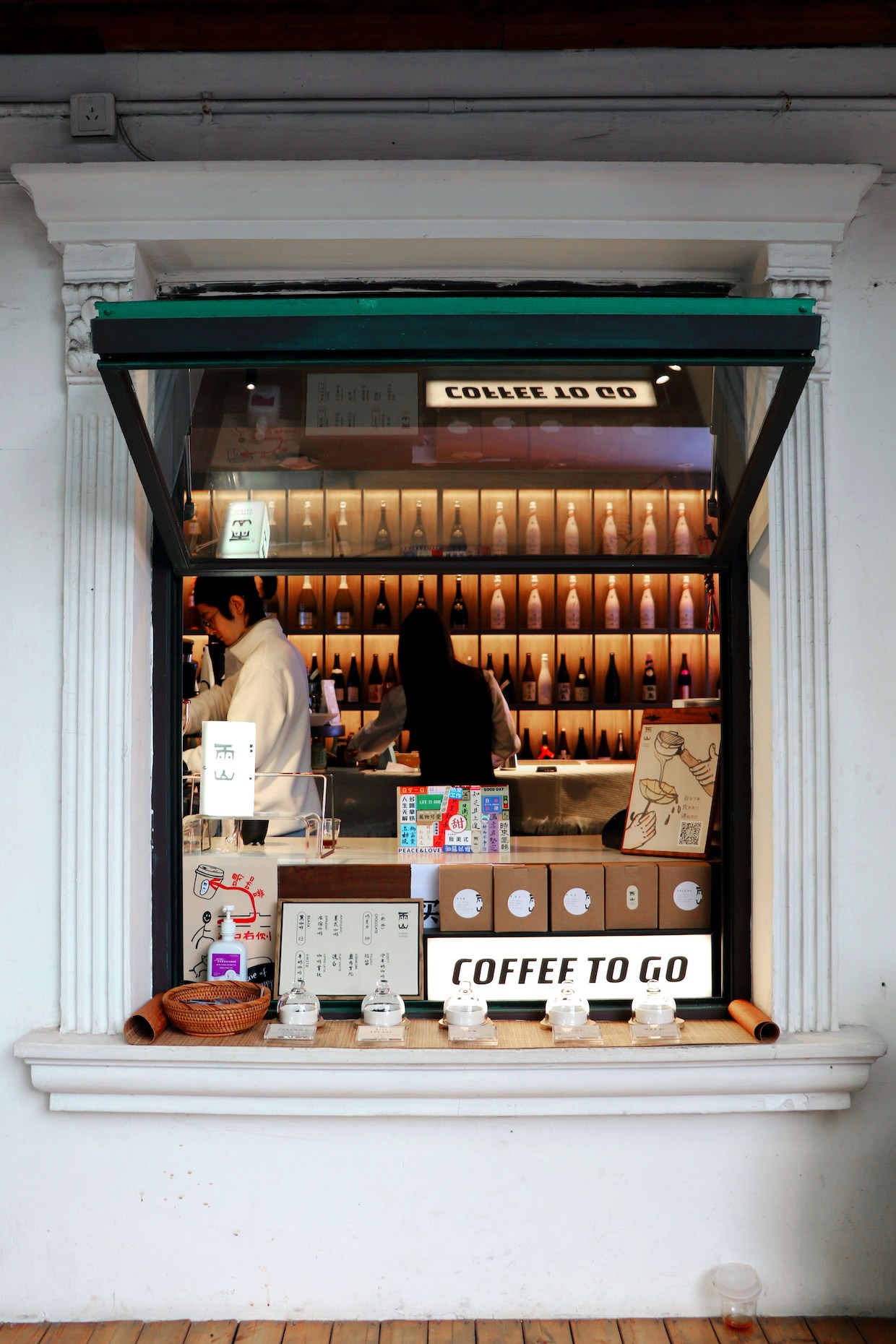
Shanghai’s coffee scene has witnessed explosive growth in recent years. According to the 2026 China Urban Coffee Development Report, the city boasted an impressive 10,336 coffee shops in 2025, a substantial increase from 6,193 in 2021. Within this burgeoning ecosystem, "specialty coffee" shops have carved out a significant niche, representing 18% of the total market. This growth is mirrored in per capita consumption, with Shanghai residents averaging an estimated 106 cups of coffee annually, far surpassing the national average of 29 cups.
Historically, the Chinese coffee market, and Shanghai in particular, has been characterized by fierce price competition. Between 2023 and 2024, domestic giants like Luckin Coffee and Cotti Coffee engaged in aggressive pricing strategies, often leveraging coupons to bring the price of a cup of coffee down to as low as RMB 9.9 (approximately $1.47 USD), according to FAS data. This period was marked by a "race to the bottom" in terms of price, aiming to capture market share through accessibility and affordability.

However, a discernible shift has been underway since 2025. The FAS report indicates a strategic recalibration by major players, with low-cost sellers reducing the frequency of deep discounts. Concurrently, higher-priced chains and independent specialty coffee shops have maintained or strengthened their market positions. This evolving consumer landscape suggests that purchasing decisions are increasingly being influenced by factors beyond mere price. Consumers are now placing greater value on "product quality and overall value," which encompasses a nuanced appreciation for coffee origin, meticulous preparation methods, and other differentiated product characteristics that signal a premium experience.
Shanghai as a Gateway for Green Coffee Imports
The transformation in Shanghai’s coffee consumption is having a direct impact on upstream supply chains, particularly the import of green coffee beans. A separate FAS report on the broader Chinese coffee market, released in January 2026, provides compelling evidence of this trend. In 2024, China imported a staggering 181,243 metric tons of unroasted coffee, valued at $837 million. This volume represents a remarkable increase of 218% compared to 2020, underscoring the exponential growth in demand for raw coffee beans.
Key suppliers to the Chinese market during this period included Brazil, Colombia, Ethiopia, and Vietnam. The report further highlights a growing demand for traceable, single-origin Arabica coffees, indicating a discerning palate developing among Chinese consumers who are seeking to understand the journey of their coffee from farm to cup.
Responding to Evolving Global Demand: Coffee-Producing Nations Adapt
Coffee-producing countries are actively responding to these evolving market dynamics. Ethiopia, a historic powerhouse in coffee cultivation, has seen its coffee exports to China surge dramatically. In the 2024/25 market year, Ethiopia’s coffee exports to China jumped by an astounding 264%, propelling China to become the country’s third-largest coffee destination. This is a significant climb from its 17th-place ranking just a decade prior, according to FAS data. This remarkable growth trajectory signals Ethiopia’s successful efforts to tap into the burgeoning Chinese market with its premium beans.
Brazil, another major global coffee producer, has also been strategically strengthening its ties with China. Amidst a period of elevated U.S. tariffs on Brazilian goods in the preceding year, Chinese authorities took a significant step by authorizing trade with 183 new Brazilian coffee exporters. This move was preceded by a landmark agreement where Luckin Coffee committed to purchasing an estimated 240,000 metric tons of Brazilian green coffee between 2025 and 2029. This substantial commitment underscores Brazil’s proactive engagement in securing its position within the Chinese market and highlights the strategic importance of Chinese demand for its coffee industry.
The Rise of Shanghai and its Surrounding Infrastructure as a Coffee Hub
Shanghai’s strategic location and robust infrastructure are pivotal to its role as a central hub for China’s coffee trade. The Port of Shanghai alone accounted for 28% of the value of China’s green coffee imports in 2025, according to Chinese customs data cited by FAS. When combined with the neighboring Jiangsu province, this region collectively accounted for a commanding 52% of the nation’s green coffee import value. This concentration underscores Shanghai’s indispensable position as the primary gateway for coffee beans entering China.
Further west of Shanghai, the city of Kunshan has emerged as a critical center for coffee roasting and logistics. In 2025, Kunshan’s roasted coffee output exceeded 180,000 metric tons, representing approximately 60% of the national production. This remarkable concentration of roasting capacity has attracted more than 40 international coffee companies, establishing operations within the city.
Major coffee industry players have recognized and invested in Kunshan’s strategic importance. In 2023, Starbucks opened its $220 million Coffee Innovation Park in Kunshan, a state-of-the-art facility designed to foster coffee research and development. This was followed in 2024 by Luckin Coffee’s $120 million roasting plant, which stands as China’s largest coffee roastery. Global green coffee trading conglomerate Neumann Kaffee Gruppe also established its first Chinese trading company in Shanghai in 2024, leveraging warehousing facilities in Kunshan and Yangshan to streamline its operations and supply chain management within the region. These substantial investments by global and domestic leaders signal a long-term commitment to Shanghai and its surrounding areas as a critical node in the global coffee supply chain.
The confluence of a rapidly growing consumer market in Shanghai, a strategic logistical advantage, and significant investment in processing and distribution infrastructure positions China, with Shanghai at its forefront, as an increasingly dominant force in the global coffee arena. This evolution is not merely about increased consumption but represents a qualitative shift towards higher standards and greater demand for premium coffee products, a trend that coffee producers and traders worldwide must navigate and adapt to in the years to come. The implications for global coffee sourcing, trade agreements, and the development of specialty coffee cultivation are profound, reshaping the industry’s future.
