

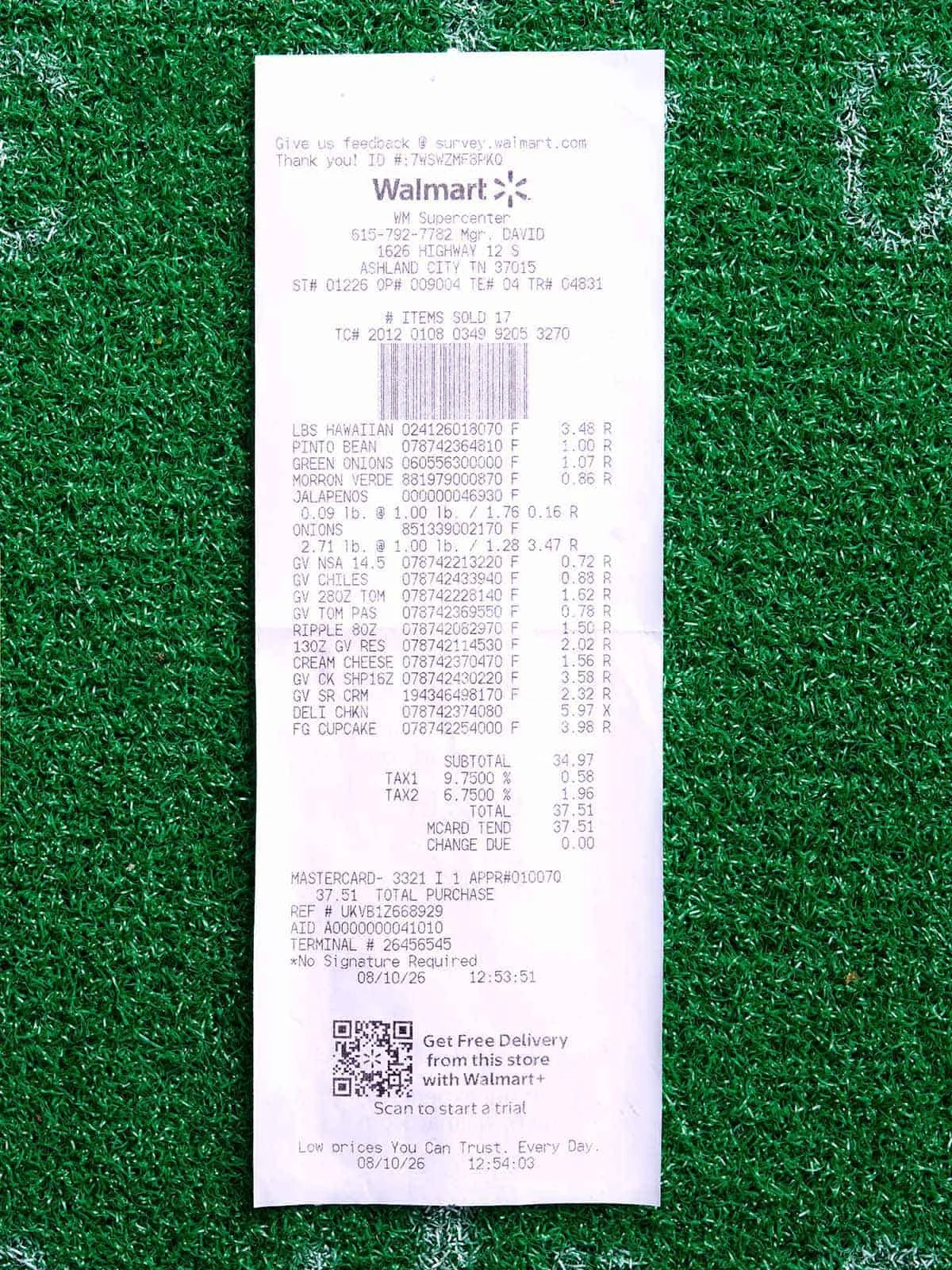
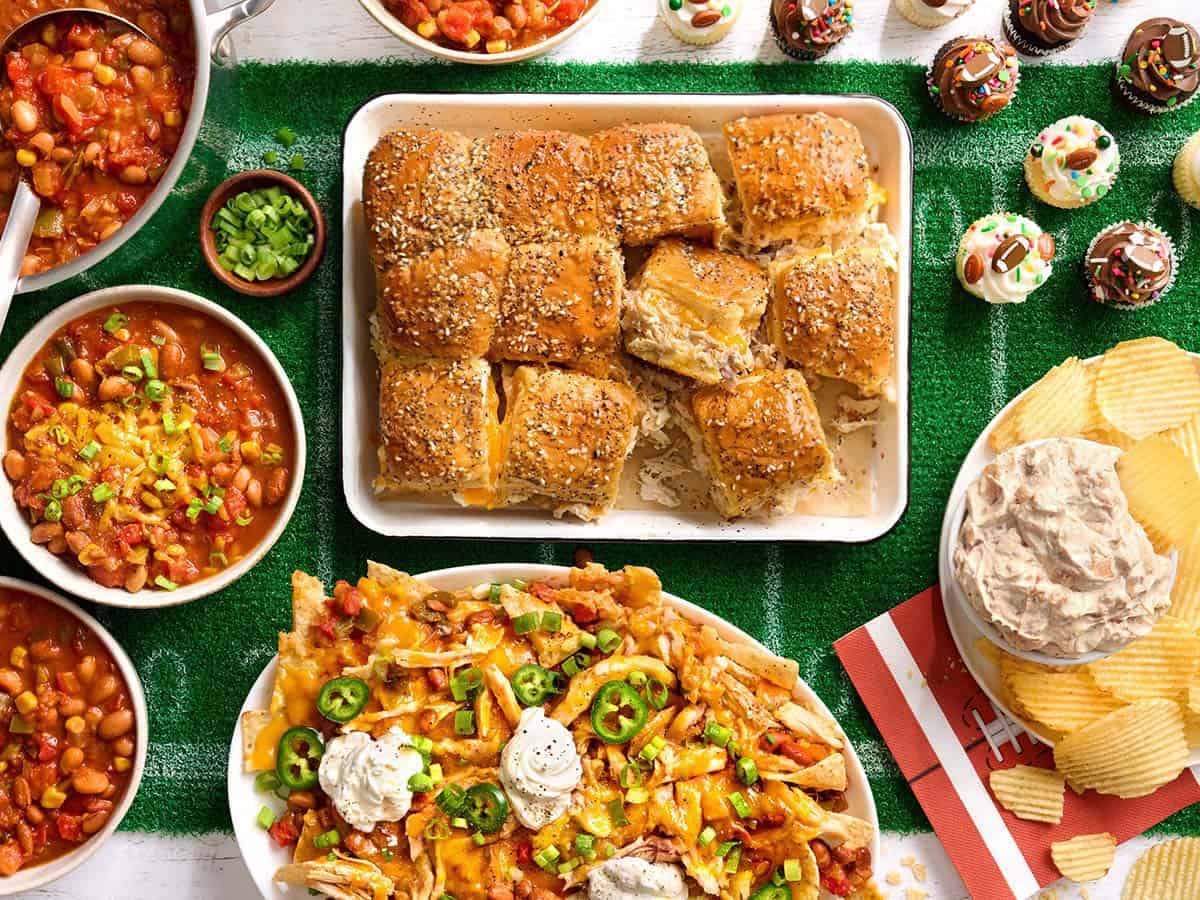
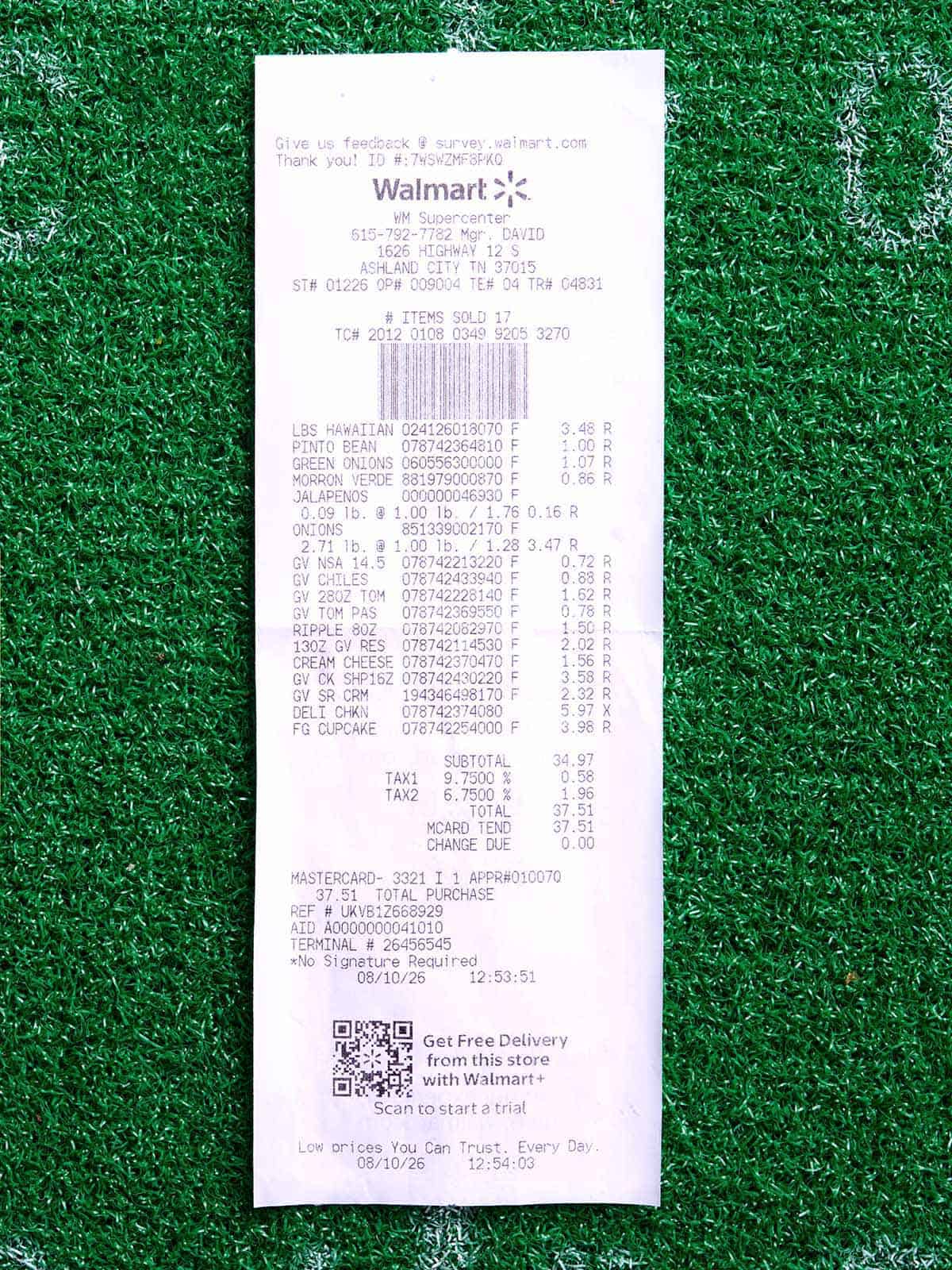
The Nashville Test Kitchen has successfully demonstrated that hosting a high-quality athletic watch party for eight individuals is possible on a budget of less than $40, providing a potential blueprint for consumers navigating a period of significant food price volatility. By utilizing strategic ingredient repurposing and leveraging the market reach of large-scale retailers, culinary experts at Budget Bytes finalized a five-course menu with a total expenditure of $37.51. This figure represents a per-person cost of approximately $4.69, a sharp contrast to the rising costs of commercial catering and dining out in the current economic landscape.
As the professional sports season reaches its peak, the financial pressure on hosts typically intensifies. Data from the United States Department of Agriculture (USDA) and various consumer price indices indicate that while overall inflation has shown signs of stabilization, the "food at home" category remains a primary concern for many households. The Nashville-based project aimed to mitigate these costs without compromising the social experience of "Game Day," a cultural staple in American society that often revolves around communal eating.
The Nashville Test Kitchen Methodology and Financial Breakdown
The challenge was conducted under rigorous conditions at the Nashville Test Kitchen, a facility dedicated to the development of accessible, cost-effective recipes. The primary objective was to create a "killer spread" that catered to diverse dietary preferences, including both meat-based and vegetarian options. To achieve the $37.51 total, the team focused on high-flavor, low-cost "budget boosters" such as jalapeños, sour cream, and bulk-purchased pantry staples.
A critical component of the financial strategy was the selection of the procurement site. The team opted to shop at Walmart, citing the retailer’s massive footprint in the United States grocery market. With over 90% of the U.S. population residing within 10 miles of a Walmart location, the choice was framed as a practical necessity for the average consumer. Despite the selection, the organization clarified that the project was not a sponsored partnership, maintaining an objective distance from the retailer while acknowledging its logistical utility for budget-conscious shoppers.
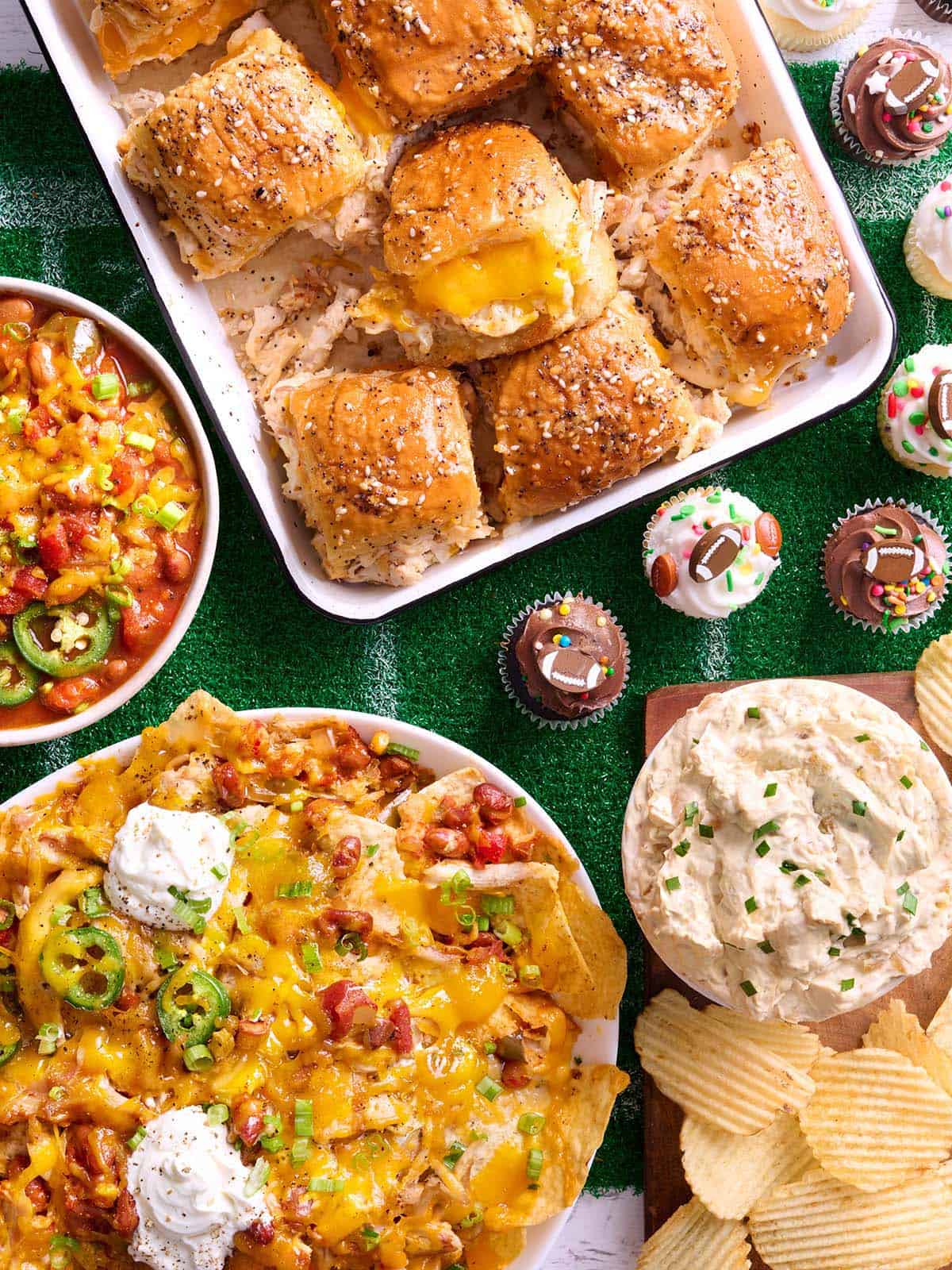
The final receipt included a variety of fresh produce, proteins, and bakery items. Notably, the team utilized a $3.98 tray of 12 festive mini cupcakes from the bakery department as a time-saving and cost-effective dessert solution. This decision highlighted a core tenet of the Nashville strategy: balancing "from-scratch" cooking with strategic store-bought shortcuts to manage both financial and temporal resources.
Strategic Menu Engineering: The Five Pillars of the Spread
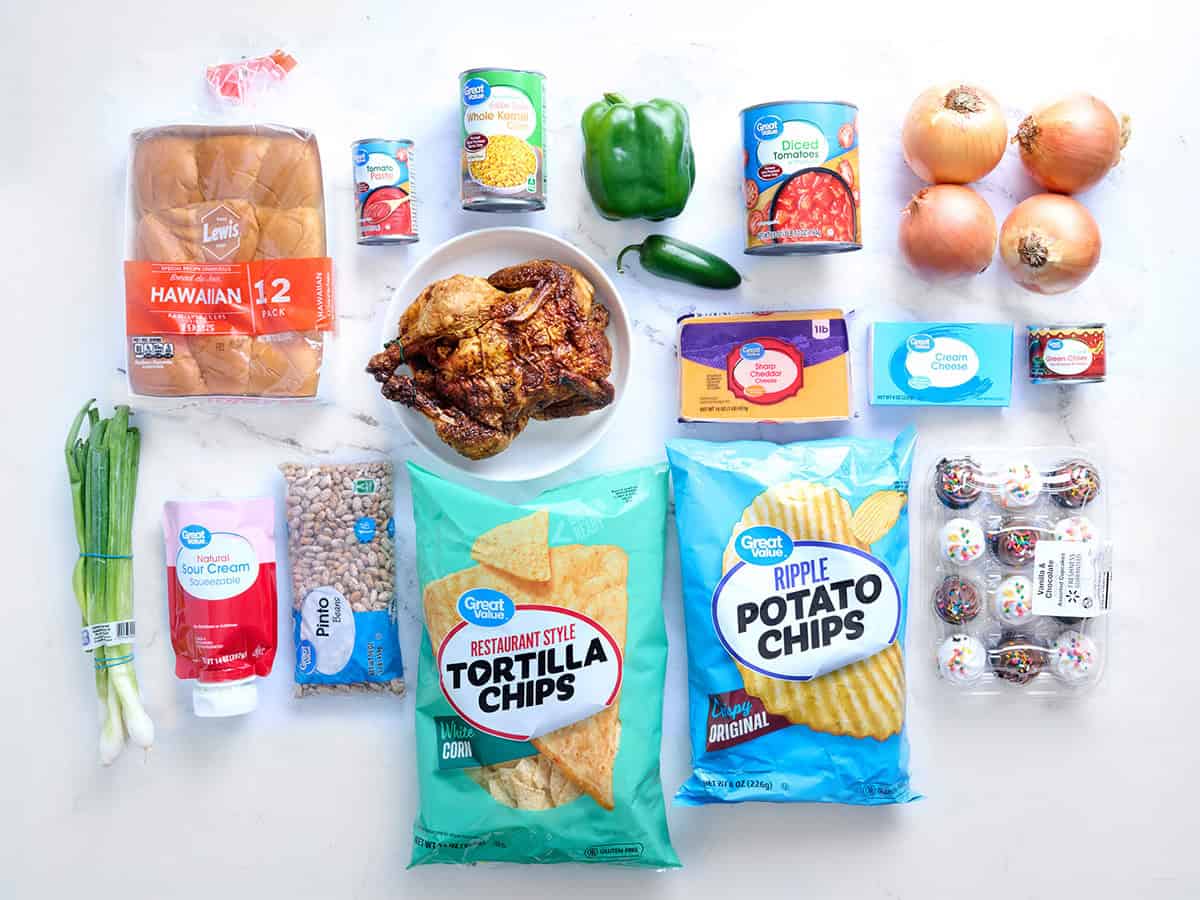
The menu was engineered to maximize ingredient utility across multiple dishes, a technique known in the culinary industry as "cross-utilization." This approach reduces waste and lowers the initial investment required for the grocery haul.
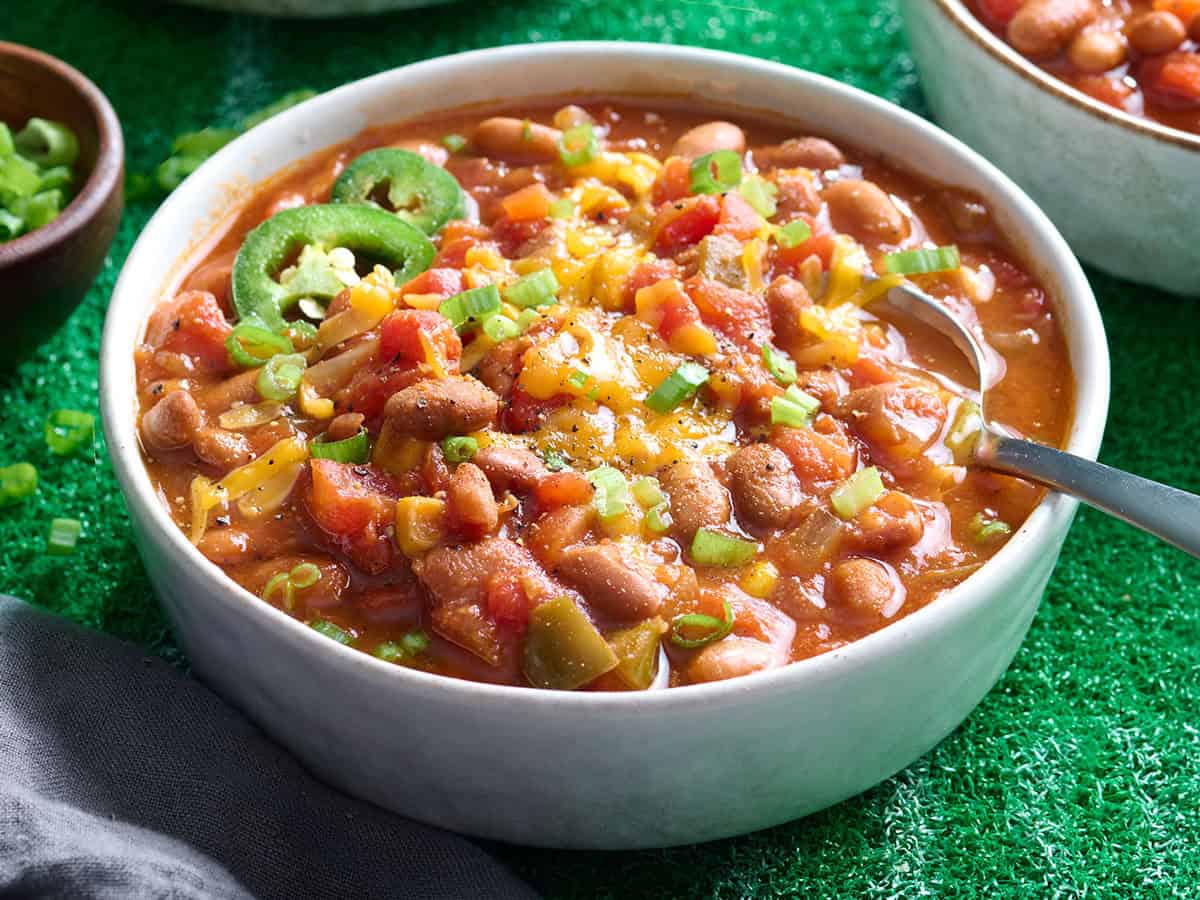
1. Vegetarian Bean Chili
The foundation of the spread was a hearty vegetarian chili, designed to serve as both a standalone dish and a topping for other menu items. According to Jess Rice, a chef professor and lead contributor at Budget Bytes, the chili relies on inexpensive canned beans, diced tomatoes, and corn. Rice emphasized the importance of simmering the tomatoes to extract umami depth and recommended the inclusion of molasses—a shelf-stable pantry item—to balance the acidity and heat. As a vegan-friendly option, the chili ensured inclusivity for guests with varying dietary restrictions.
2. Chili Cheese Nachos
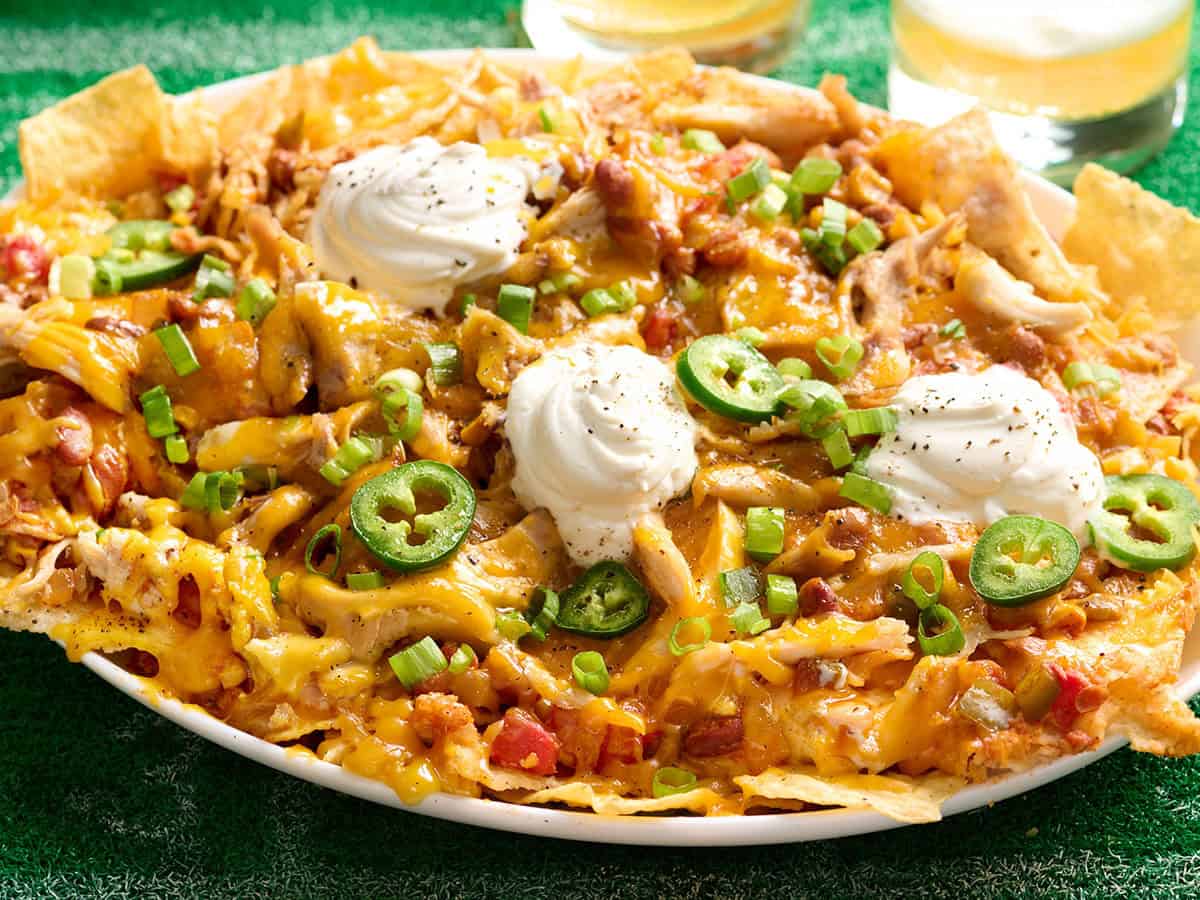
In a move to maximize the value of the chili, the team repurposed a portion of the pot to create nachos. By utilizing the same sharp cheddar cheese and sour cream purchased for other dishes, the cost of the nachos was essentially absorbed into the primary ingredient list. Jennie, a member of the test kitchen team, noted that nachos serve as an ideal "flexible" dish, allowing hosts to clear out leftover rotisserie chicken or vegetable scraps, thereby further increasing the value of the initial grocery spend.
3. Creamy Chicken Sliders
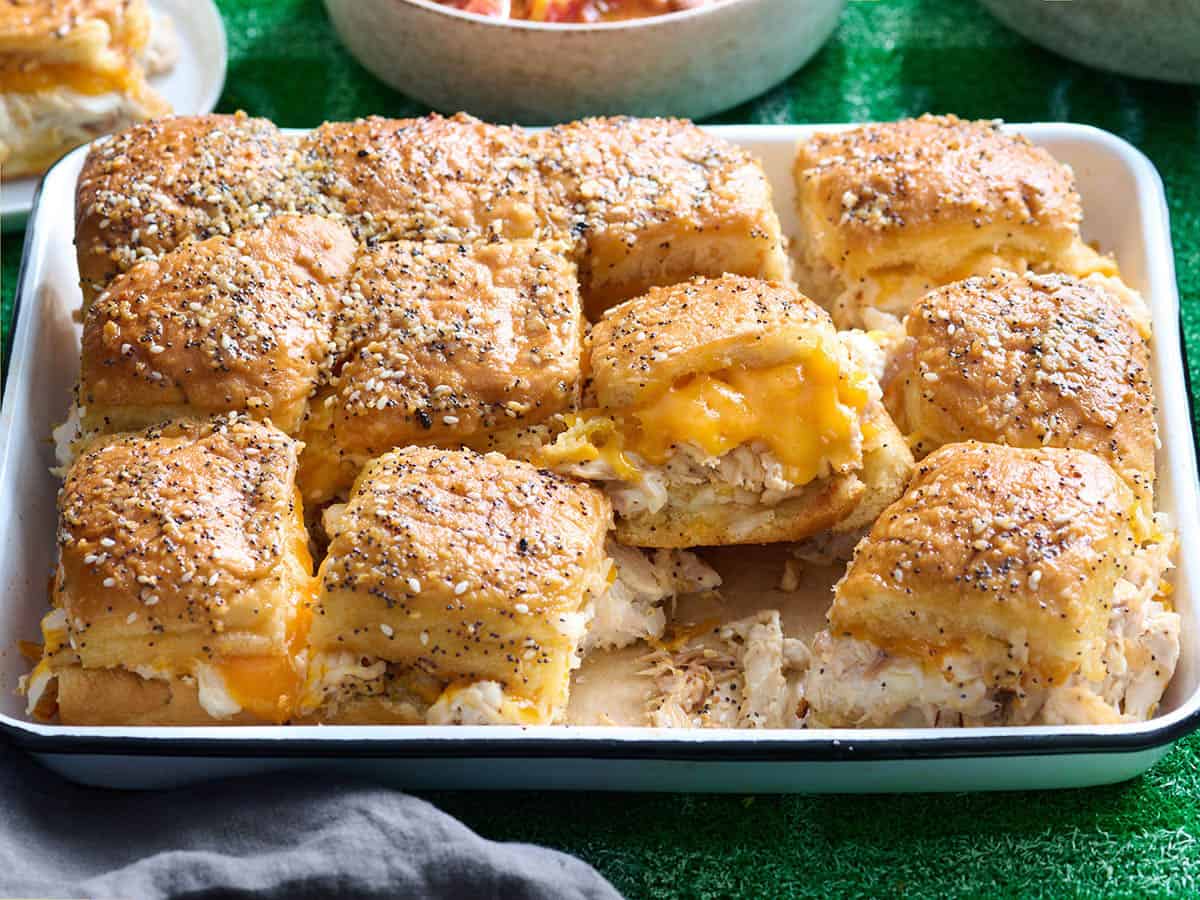
The meat-centric portion of the menu featured sliders made from sweet Hawaiian rolls and rotisserie chicken. To maintain the budget, the team performed a series of "smart swaps." Melissa, a culinary analyst involved in the project, explained that yellow onions were substituted for more expensive red onions, and sour cream was used in place of mayonnaise. This eliminated the need to purchase multiple condiments, as the sour cream was already required for the chili and the French onion dip.
4. Homemade French Onion Dip
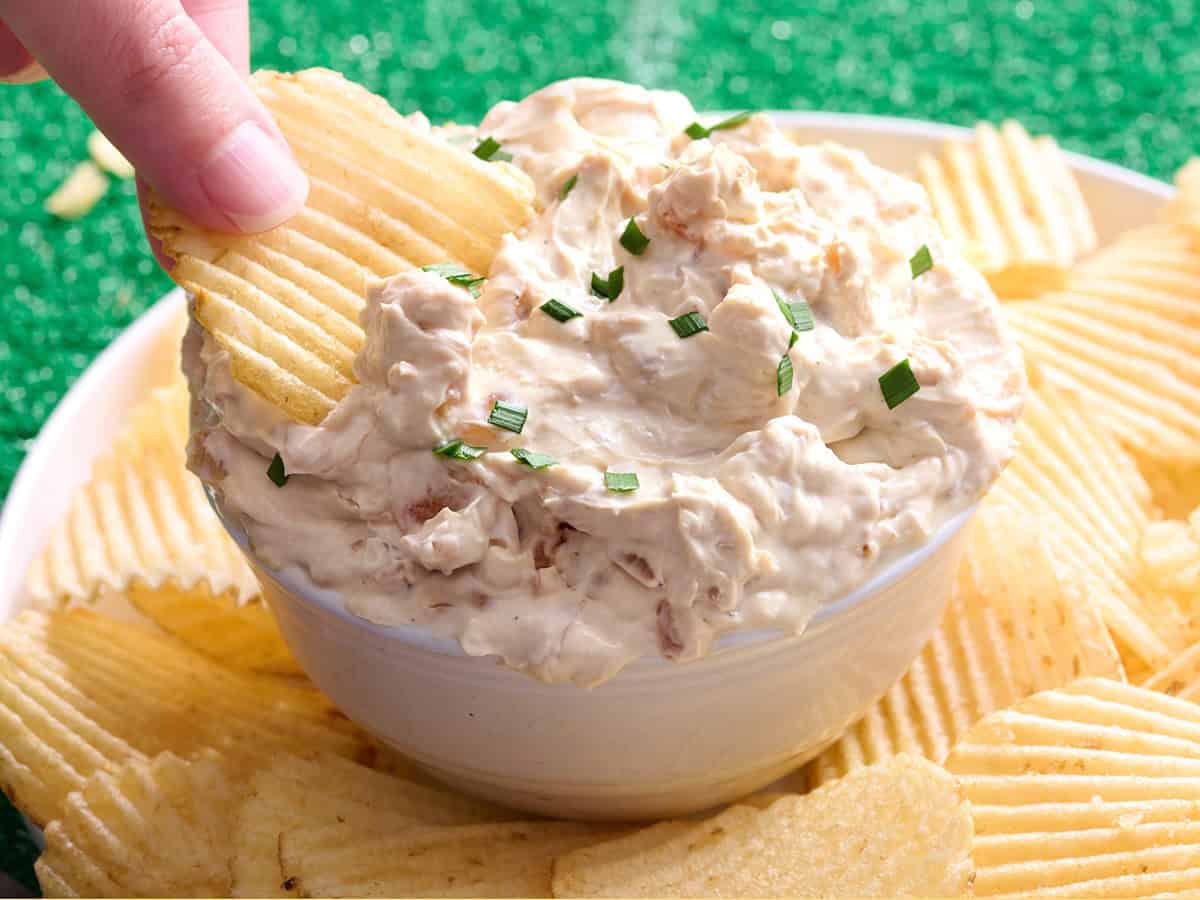
The French onion dip served as the primary appetizer, utilizing caramelization to transform low-cost yellow onions into a premium-tasting product. The recipe required only half a pound of onions—costing approximately 50 cents—combined with sour cream and cream cheese. This dish exemplifies the Nashville Test Kitchen’s philosophy of using labor (in the form of slow-caramelizing onions) to add value to inexpensive raw materials.
5. Festive Bakery Cupcakes
The final component was a $3.98 tray of store-bought cupcakes. The team argued that the labor-to-cost ratio for baking cupcakes from scratch—including the purchase of specialized ingredients like frosting and decorations—often exceeds the cost of a pre-made bakery item during high-volume events.
Economic Context and Consumer Behavior
The success of the $40 Game Day challenge arrives at a time when the "Super Bowl Indicator" and other economic markers suggest that consumers are increasingly looking for ways to scale back luxury spending. According to market research, the average American spends over $85 on food and beverages for major sporting events. The Nashville Test Kitchen’s ability to reduce this by more than 50% suggests a significant shift in how entertaining can be approached during periods of economic contraction.
Data from the Bureau of Labor Statistics shows that the price of poultry and dairy has fluctuated significantly over the last 24 months. By focusing on beans as a protein source in the chili and using a single rotisserie chicken to provide meat for both sliders and nachos, the Budget Bytes team demonstrated a resilient shopping strategy that is less susceptible to price spikes in specific commodity groups.
Official Responses and Expert Analysis
Jess Rice, whose background includes work as a private chef for high-profile clients and a restaurateur in the Nashville vegan scene, provided insight into the project’s goals. "Hosting a watch party shouldn’t mean fumbling your entire grocery budget for the week," Rice stated. She emphasized that the Nashville Test Kitchen rigorously tests every recipe to ensure they are "easy, affordable, and delicious," aiming to provide a professional standard of quality at a fraction of the cost.
Financial analysts suggest that this "bottom-up" approach to party planning reflects a broader trend in consumer behavior known as "intentional spending." By downloading prepared grocery lists and following structured meal plans, consumers can avoid the "impulse buys" that often inflate grocery bills at checkout. The Nashville team’s provision of a free, downloadable grocery list is a tactical move to assist consumers in maintaining this discipline.
Broader Impact and Long-Term Implications
The implications of this budget-friendly spread extend beyond a single afternoon of football. The techniques highlighted—repurposing ingredients, substituting expensive condiments for multi-use staples, and prioritizing low-cost produce like onions and jalapeños—are foundational skills for financial wellness.
Furthermore, the social impact of affordable entertaining cannot be overlooked. As social isolation remains a concern in post-pandemic society, the ability to gather communities without the barrier of high costs is a vital component of social health. The Nashville Test Kitchen’s $37.51 receipt serves as evidence that financial constraints do not have to dictate the quality of communal experiences.

In conclusion, the $40 Game Day challenge is more than a culinary feat; it is a data-driven response to the current economic climate. By combining professional culinary techniques with strategic retail choices, the Nashville Test Kitchen has provided a scalable model for affordable hosting that is likely to be adopted by budget-conscious households across the country. As the "Big Game" and other major sporting events approach, the "Nashville Model" offers a clear path toward sustainable, low-cost celebration.
