

The quest for satisfying and healthy breakfast options often leads to exploring alternatives to conventional flour-based pancakes. For those adhering to a Paleo lifestyle or seeking a high-protein, naturally gluten-free start to their day, a well-crafted almond flour pancake recipe offers a compelling solution. These lightly sweet Paleo pancakes, primarily composed of almond flour with a touch of tapioca starch for optimal texture, deliver a taste and mouthfeel remarkably close to traditional pancakes, defying common misconceptions about grain-free baking.
The Science Behind a Superior Paleo Pancake
The success of these Paleo pancakes hinges on a thoughtful combination of ingredients designed to overcome the inherent challenges of gluten-free and grain-free baking. Almond flour, a staple in Paleo cuisine, provides a robust protein and healthy fat base. However, relying solely on almond flour can sometimes result in a dense or overtly nutty flavor profile. The inclusion of tapioca starch is crucial for achieving a balanced texture. This naturally gluten-free starch acts as a binder and contributes to the pancakes’ tender, moist crumb, while also ensuring the batter is easily pourable and develops the desired structure.
"With a combination of almond flour and tapioca starch, they have structure, the batter is easily pourable, and the pancakes are super moist and tender," explains the recipe’s creator. This synergistic approach ensures that the pancakes don’t just mimic traditional versions but stand on their own as a delicious and satisfying breakfast. The recipe aims to eliminate the faint, sometimes off-putting almond flavor that can plague other almond flour-based baked goods, instead producing a taste that is indistinguishable from "regular" pancakes to the uninitiated palate.
A Deeper Dive into Recipe Components and Preparation
The creation of these Paleo pancakes involves a straightforward yet precise process, emphasizing the importance of ingredient quality and preparation. The dry ingredients, typically almond flour, tapioca starch, baking powder, and salt, are combined thoroughly. This initial step is critical to ensure even distribution of leavening agents and to prevent any localized bitterness from concentrated baking powder. The natural oils in almond flour can sometimes lead to clumping, making vigorous whisking essential to achieve a homogenous dry mix.

Following the dry ingredients, wet components such as milk (often a non-dairy alternative like coconut milk in Paleo recipes), melted coconut oil, eggs, and a natural sweetener like honey are incorporated. The batter is then allowed to rest for approximately ten minutes. This brief resting period is vital; it allows the flours to fully absorb the liquid, resulting in a slightly thicker batter that yields fluffier pancakes. Preparing the batter immediately can lead to thinner, less structured pancakes.
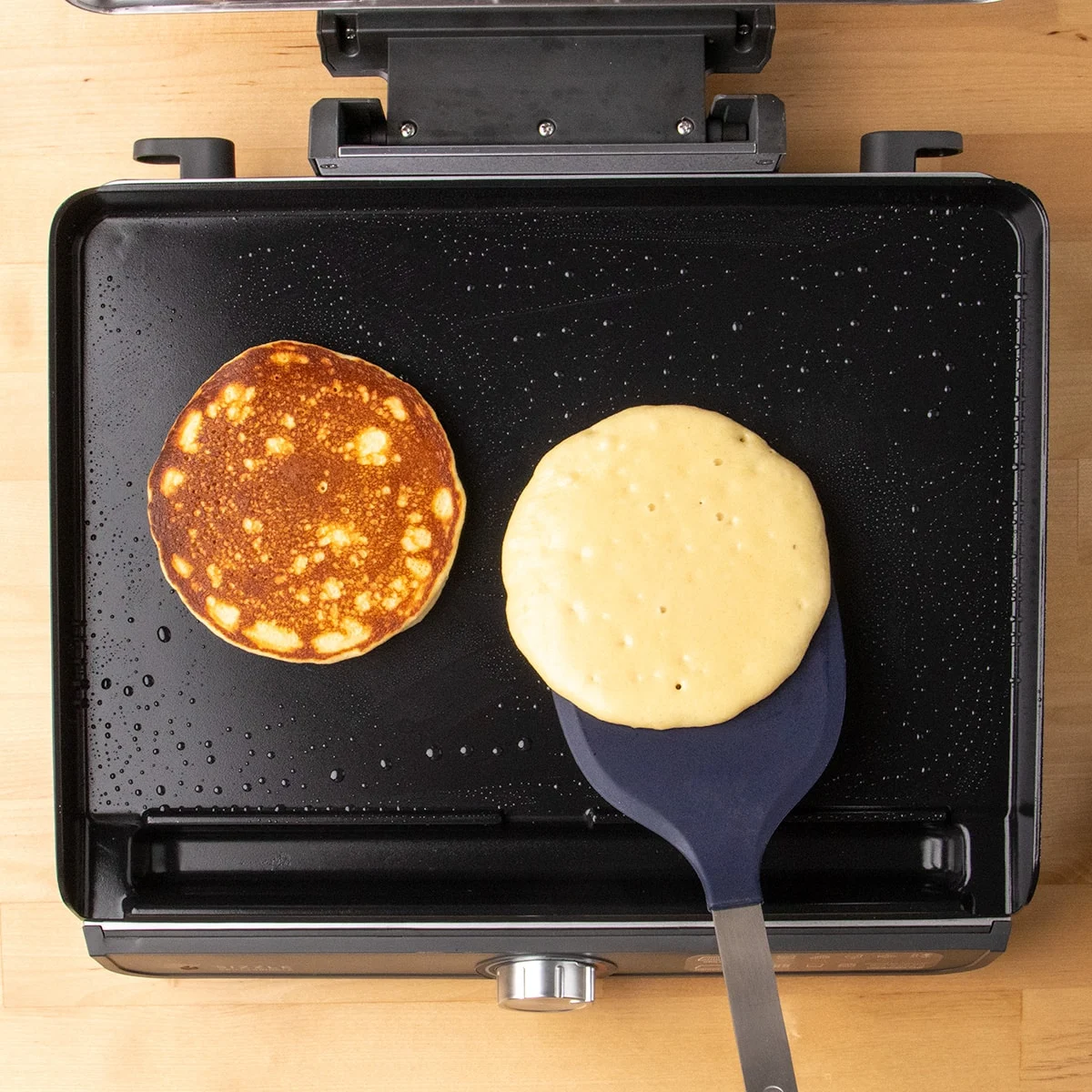
Cooking these pancakes requires attention to heat management. An electric griddle set between 325°F and 350°F, or a non-stick or seasoned cast iron skillet over medium heat, is recommended. Almond flour’s high fat content makes it prone to burning, so maintaining a moderate temperature is key. Greasing the cooking surface, even if non-stick, helps ensure even browning, particularly around the edges. The batter is poured in approximately 1/4-cup portions. The pancakes are ready to be flipped when large bubbles form on the surface and the edges appear set and matte, rather than shiny. A quick flip and an additional 30 seconds to a minute of cooking time on the second side completes the process. Cooked pancakes can be kept warm in a low oven (around 200°F) while the remaining batter is cooked.
Expert Tips for Optimal Paleo Pancake Perfection
Achieving consistent, delicious results with Paleo pancakes involves a few nuanced techniques:
Make the Dry Mix Ahead
For enhanced convenience, the dry ingredients can be pre-mixed. However, due to the high fat content of almond flour, which can lead to rancidity, it’s advisable to store this dry mix in the freezer or refrigerator. Prior to use, the mix should be allowed to reach room temperature, as cold almond flour can exacerbate clumping issues.
Measure Dry Ingredients by Weight
Precision is paramount in baking, and this holds true for gluten-free and grain-free recipes. Using a digital kitchen scale to weigh almond flour and tapioca starch ensures accurate measurements, which directly impacts the final texture and consistency of the pancakes. Volume measurements can be notoriously inconsistent with flours.

Use Finely Ground Almond Flour
The texture of almond flour significantly influences the final pancake. Finely ground, blanched almond flour integrates seamlessly into the batter, creating a smooth texture without grittiness. If your almond flour appears coarse, sifting it once or twice before measuring can improve its texture and dispersability.
Navigating Ingredient Substitutions and Dietary Needs
While the core recipe is designed for optimal Paleo adherence, thoughtful substitutions can accommodate various dietary restrictions:
Nut-Free Alternatives
For individuals with nut allergies, coconut flour pancakes offer a viable nut-free alternative. Alternatively, finely sifted and blanched hazelnut flour or sunflower seed flour can be considered. It’s important to note that sunflower seed flour may interact with baking soda, potentially causing a slight green hue in the pancakes, though they remain safe for consumption.
Egg-Free Adaptations
The recipe can be adapted for an egg-free diet by replacing each egg with a "chia egg" (one tablespoon of chia seeds mixed with three tablespoons of water, allowed to gel). For both eggs, a mixture of two tablespoons of tapioca starch, half a teaspoon of additional baking powder, and two tablespoons of milk can serve as a binder.
Fat and Starch Flexibility
Coconut oil can be substituted with vegetable shortening or butter if dairy is permissible. Tapioca starch, a key component for flexibility, can be replaced with arrowroot starch or superfine sweet white rice flour if strict Paleo adherence is not required.

Storage and Make-Ahead Strategies
These Paleo pancakes are remarkably freezer-friendly. Once cooled, individual portions can be wrapped tightly in freezer-safe materials and stored for future enjoyment. To reheat, frozen pancakes can be placed in a toaster oven at approximately 300°F for 1-2 minutes, until warmed through.
Nutritional Profile and Potential Implications
A single serving of these Paleo pancakes, typically defined as one pancake, provides approximately 215 calories, 16 grams of carbohydrates, 7 grams of protein, and 15 grams of fat. This protein-rich composition contributes to satiety, making them an excellent option for sustained energy throughout the morning. The use of natural sweeteners like maple syrup, which is considered Paleo-compliant, offers a less processed sugar alternative compared to refined sugars.
The broader implications of such recipes extend to the growing demand for allergen-friendly and health-conscious food options. As more individuals explore gluten-free, grain-free, and Paleo diets for various health reasons, recipes like these empower them to enjoy familiar comfort foods without compromising their dietary principles. The accessibility and adaptability of this almond flour pancake recipe highlight the increasing innovation within the alternative flour baking space, making healthy eating both practical and delicious.
Frequently Asked Questions
Is maple syrup Paleo?
Yes, pure maple syrup is considered Paleo-compliant as it is a natural, unrefined sweetener.
Can I use almond meal instead of almond flour?
No, almond meal, which contains the almond skins, will result in a gritty texture and will not bind properly in the batter, negatively impacting the pancake’s consistency.

Is it better to make these pancakes on a pan or griddle?
An electric griddle is often preferred for its consistent temperature control and ample cooking surface, which is beneficial for managing the almond flour’s tendency to burn.
How do I keep the pancakes from burning?
Maintain a moderate cooking temperature (below 350°F on an electric griddle) and ensure the batter has set sufficiently before flipping.
Why are my Paleo pancakes flat?
Flat pancakes can result from inaccurate flour measurements (especially if not weighed), the use of almond meal instead of finely ground almond flour, or insufficient resting time for the batter.
