


The emergence of recipes like Skinnytaste’s Air Fryer Fried Chicken signifies a broader shift in modern culinary practices, where traditional comfort foods are being re-engineered to meet contemporary demands for healthier preparation methods without sacrificing taste or texture. This particular recipe, which achieves a crispy exterior and juicy interior using significantly less oil than conventional deep frying, exemplifies the growing influence of air fryer technology in home kitchens and the continuous innovation within the healthy eating movement.
The Ascendancy of Air Frying Technology
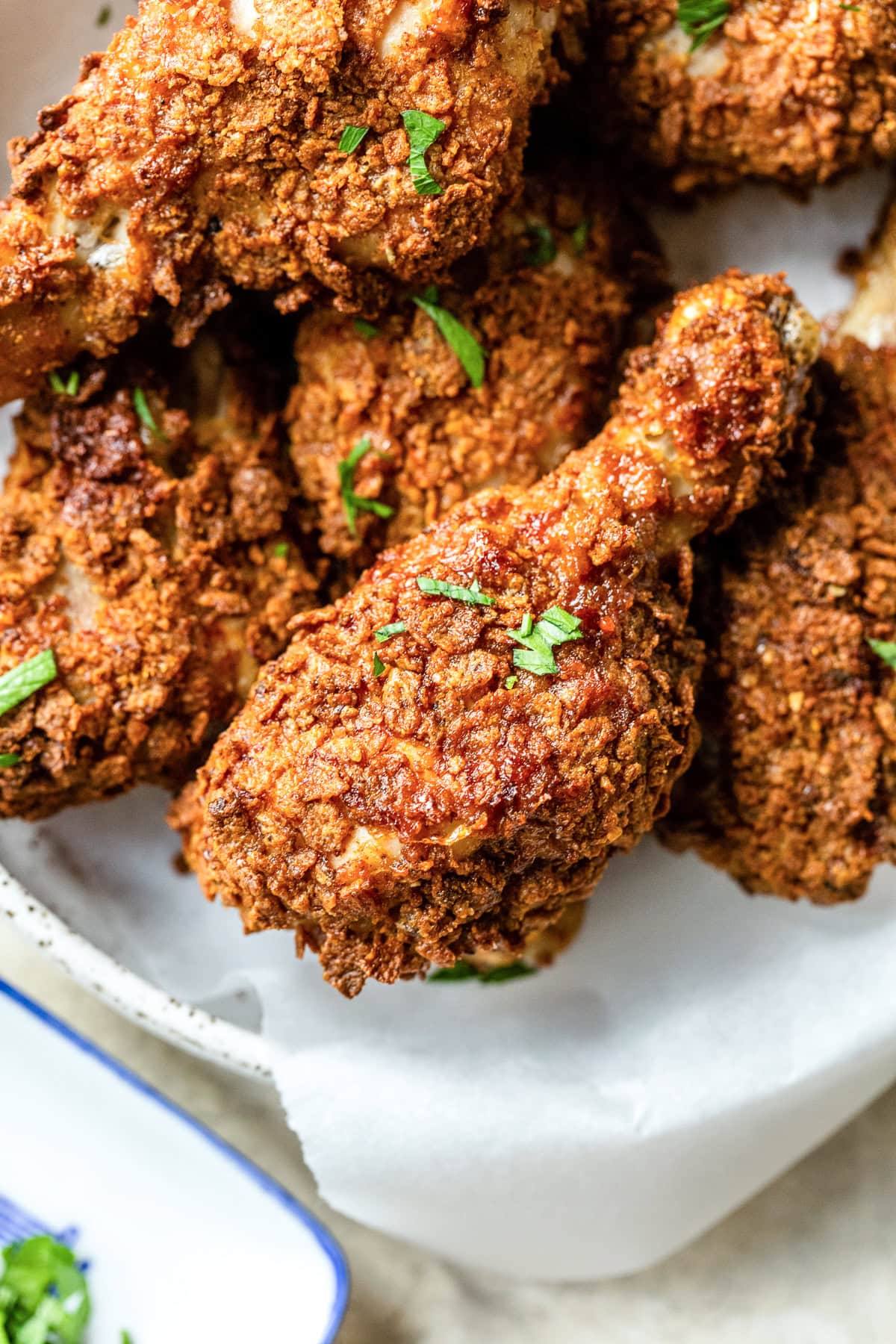
The air fryer, a countertop convection oven designed to simulate deep frying with hot air and minimal oil, has witnessed an explosive growth in popularity over the past decade. First introduced to the consumer market in 2010, air fryer sales experienced a significant surge, particularly from 2017 onwards, with market research firms reporting double-digit percentage increases year-over-year. By 2020, during the initial phases of the global pandemic, air fryer sales saw an unprecedented spike, as consumers spent more time cooking at home and sought convenient, healthier ways to prepare meals. Analysts estimate that by 2025, the global air fryer market could exceed $1 billion, driven by continuous product innovation and increasing household penetration.
This widespread adoption is rooted in several key factors. Consumers are increasingly health-conscious, seeking ways to reduce fat intake without eliminating beloved dishes. Air fryers address this directly by requiring only a fraction of the oil used in deep frying, often just a tablespoon or a light spray. Furthermore, the appliance offers unparalleled convenience: faster cooking times compared to conventional ovens, minimal preheating, and easier cleanup due to the contained cooking environment and reduced oil splatter. For dishes like fried chicken, which traditionally involve messy and oil-intensive deep-frying processes, the air fryer presents a transformative alternative.
Skinnytaste’s Innovative Approach to Comfort Food

Skinnytaste, founded by Gina Homolka, has long been a leading voice in the realm of lightened-up recipes, demonstrating how to enjoy flavorful, satisfying meals with a focus on nutritional balance. Homolka’s culinary philosophy centers on making healthy eating accessible and enjoyable, a mission perfectly aligned with the capabilities of the air fryer. Her popular oven-fried chicken recipe, a precursor to the air fryer version, already showcased a commitment to reducing fat while maintaining the essence of the dish. The transition to an air fryer iteration was a logical progression, leveraging the technology to enhance crispness and further reduce cooking time.
The recipe’s success lies in its clever adaptations. Instead of a traditional flour-and-egg dredge followed by a deep-fat fry, Homolka’s method employs a coating of light mayonnaise and seasoned bran flakes. The mayonnaise serves as a binder and contributes to moisture, while the bran flakes, when sprayed lightly with olive oil and exposed to the air fryer’s circulating hot air, develop a remarkably crispy, golden crust. This innovative coating not only provides a satisfying texture but also adds fiber and reduces the overall caloric and fat content compared to standard breading and deep-frying. The specific recommendation to use kosher salt, and to adjust if using regular table salt, underscores the meticulous attention to detail that defines Skinnytaste’s recipe development, ensuring optimal flavor balance even with healthier ingredients.
The Science Behind the Crisp: Reduced Fat, Enhanced Flavor

The air fryer’s ability to create a crispy texture with minimal oil is a testament to the principles of convection cooking. The powerful fan rapidly circulates superheated air around the food, creating a Maillard reaction—a chemical process responsible for the browning and flavor development—on the food’s surface. This process effectively "fries" the exterior by dehydrating it, leading to a crunchy texture akin to deep frying, but without the oil immersion.
From a nutritional standpoint, this method represents a significant improvement. Traditional deep-fried chicken can absorb a substantial amount of oil, leading to high levels of saturated and trans fats, which are linked to various health concerns. By contrast, the air-fried version drastically cuts down on these unhealthy fats. The Skinnytaste recipe provides an illustrative nutritional breakdown: 386 kcal, 12g fat (2g saturated fat) per two drumsticks, alongside a robust 55g of protein. While a direct comparison to a generic deep-fried recipe can vary widely based on preparation, it is generally understood that air frying can reduce fat content by 70% to 80% or even more, making it a compelling choice for individuals managing their weight, cholesterol, or cardiovascular health. The high protein content in the chicken also contributes to satiety, making it a fulfilling meal option.
Consumer Demand and Market Implications

The popularity of air fryer fried chicken recipes reflects broader consumer trends. There is an increasing desire for "healthier comfort food," where individuals can enjoy indulgent flavors and textures without the guilt or adverse health impacts. This demand is further amplified by busy lifestyles, which necessitate quick and easy meal preparation solutions. The 22-24 minute cooking time for drumsticks in an air fryer, significantly faster than traditional oven baking (40-45 minutes), directly addresses this need for efficiency.
Food bloggers and recipe developers like Gina Homolka play a crucial role in responding to and shaping these trends. By rigorously testing and publishing recipes that effectively utilize new kitchen technologies, they provide practical solutions that resonate with millions of home cooks. The integration of affiliate links for recommended products such as perforated parchment paper and air fryer magnets within the recipe instructions also highlights the evolving monetization strategies in the digital culinary space, connecting content directly with consumer purchasing decisions for relevant kitchen tools.
Expert Perspectives on Air Frying and Healthy Eating

Nutritionists often advocate for cooking methods that reduce added fats while retaining the nutritional integrity of ingredients. Dr. Emily Hayes, a registered dietitian, commented, "The air fryer is a fantastic tool for healthier cooking. It allows people to enjoy dishes that might otherwise be reserved for special occasions due to their high fat content. Recipes like air-fried chicken make it easier to incorporate lean protein into a balanced diet without compromising on the sensory experience of crispy food."
Culinary experts also acknowledge the air fryer’s versatility. Chef David Chen, known for his modern American cuisine, stated, "The air fryer isn’t just a gadget; it’s a legitimate cooking method that offers excellent results for a variety of dishes, especially those requiring a crispy finish. The ability to cook chicken evenly and quickly, while achieving that desired texture, makes it invaluable for both home cooks and professional kitchens looking for efficient, healthier alternatives." Appliance manufacturers, such as those from Philips (the original creator of the air fryer), continue to invest in research and development, enhancing air fryer capabilities with smart features, larger capacities, and improved energy efficiency, further solidifying its place as a staple kitchen appliance.
Practical Tips and Customization for Home Cooks

To ensure optimal results, several practical considerations are emphasized. The instruction to avoid stacking chicken pieces in the air fryer basket is critical; overcrowding leads to steaming rather than crisping, defeating the purpose of the appliance. Cooking in batches ensures proper air circulation and even browning. Pre-spraying the breaded chicken with olive oil and re-spraying after flipping are key steps to developing that coveted golden, crispy crust. The use of an instant-read thermometer to confirm an internal temperature of 165°F (74°C) is a fundamental food safety practice, ensuring the chicken is fully cooked and safe for consumption.
The recipe’s adaptability further enhances its appeal. Variations can include different cuts of chicken (thighs, wings, tenders, breasts), each requiring slight adjustments in cooking time. The seasoning blend—typically paprika, garlic powder, onion powder, and cayenne pepper—can be customized with other spices such as smoked paprika, chili powder, or Italian seasoning to create diverse flavor profiles. For those seeking gluten-free options, substituting bran flakes with gluten-free cornflakes or gluten-free breadcrumbs is a viable alternative. These variations underscore the recipe’s flexibility, allowing home cooks to personalize the dish to their preferences and dietary needs.
Broader Impact and Future Outlook
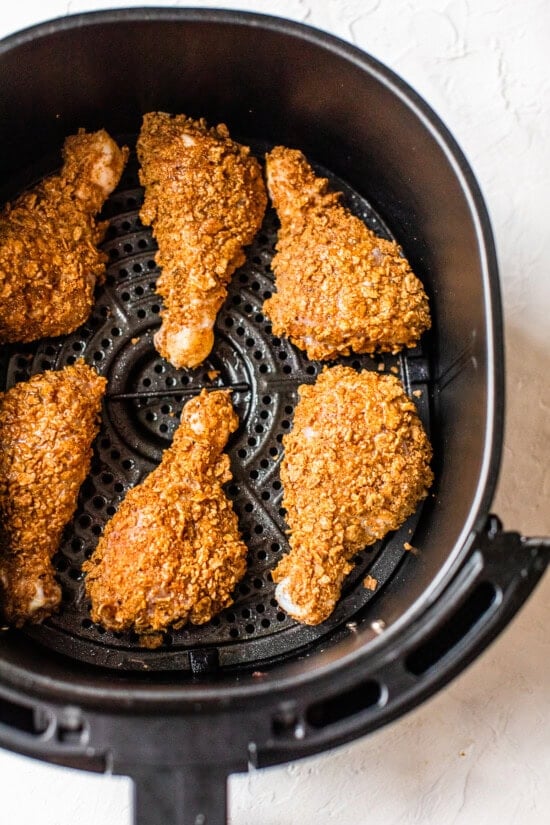
The popularity of recipes like Air Fryer Fried Chicken reflects a significant cultural shift towards more mindful eating without sacrificing enjoyment. It highlights how kitchen technology, guided by innovative recipe development, can empower individuals to make healthier choices that fit into their busy lives. The sustained growth of the air fryer market and the continuous stream of "lightened-up" recipes suggest that this trend is not fleeting. Instead, it represents a permanent evolution in how people approach home cooking, blending tradition with innovation.
This culinary movement also has implications for food sustainability, as reduced oil usage means less waste. Furthermore, the accessibility of such recipes through platforms like Skinnytaste contributes to a more informed public, fostering greater culinary confidence and promoting healthier dietary habits on a broad scale. As technology advances and consumer preferences evolve, the interplay between innovative kitchen appliances and creative recipe development will undoubtedly continue to reshape the landscape of home cooking, making beloved comfort foods more accessible and nutritious for everyone.
