

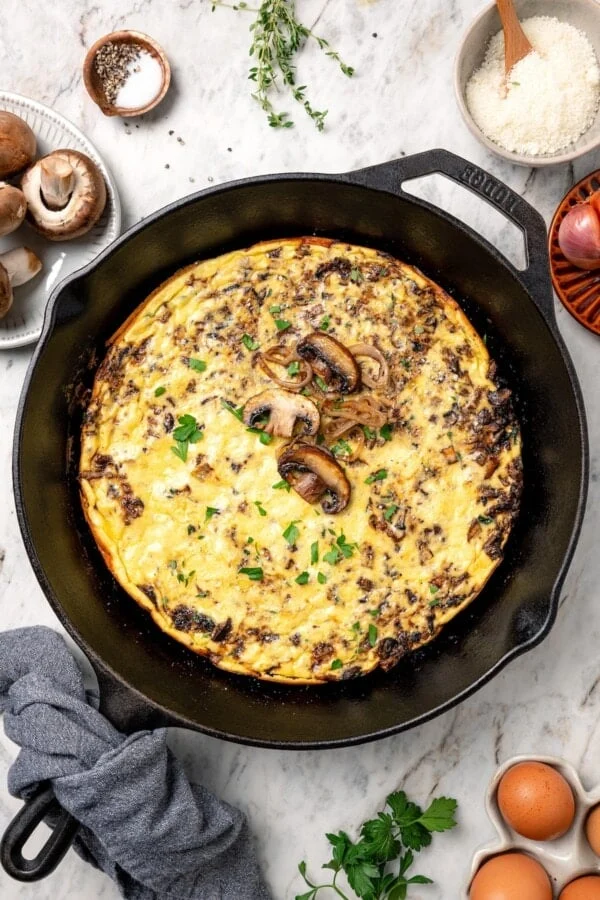
This aromatic mushroom frittata, featuring a blend of egg whites, sautéed mushrooms, shallots, and cheese, stands out as a high-protein, effortlessly prepared gourmet meal adaptable for breakfast, brunch, or the increasingly popular "brinner" concept (breakfast for dinner). Achieving readiness in approximately 30 minutes, seamlessly transitioning from stovetop to oven, this dish exemplifies efficiency without compromising on flavor or nutritional value, catering to modern demands for quick yet wholesome culinary options.
The Frittata: An Italian Culinary Staple with Global Appeal
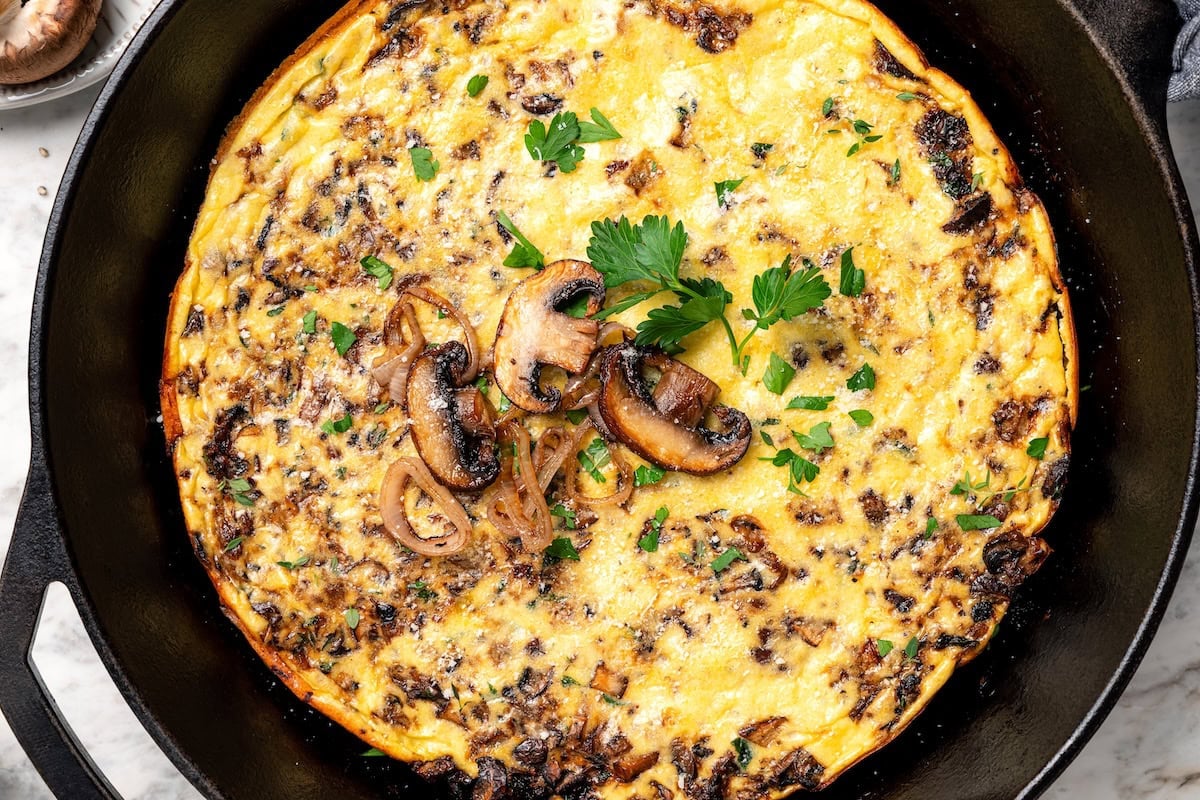
Originating from Italy, the frittata is a distinguished egg-based dish that occupies a unique position within global cuisine, often described as a sophisticated hybrid between a crustless quiche and an open-faced omelet. Its name, derived from the Italian verb "friggere," meaning "to fry," hints at its initial stovetop preparation. Historically, frittatas served as a resourceful meal, utilizing leftover ingredients bound together with eggs. Unlike an omelet, which is typically folded and served quickly, a frittata is cooked slowly over a low heat or baked in an oven, allowing for a firmer, more substantial texture that can be sliced like a pie. This characteristic also distinguishes it from a quiche, which traditionally features a pastry crust. The versatility of the frittata, accommodating a wide array of vegetables, cheeses, and meats, has contributed to its enduring popularity and widespread adoption in various culinary traditions beyond Italy, making it a staple in many households seeking both convenience and robust flavor.
Nutritional Powerhouse: The Strategic Role of Egg Whites and Mushrooms
The prominence of egg whites in this frittata recipe is a direct reflection of contemporary dietary trends emphasizing high-protein, lower-fat consumption. Egg whites are a lean source of protein, delivering all nine essential amino acids crucial for muscle repair, growth, and overall bodily function, with minimal calories and virtually no cholesterol or saturated fat. A single large egg white typically contains around 3.6 grams of protein and only 17 calories. Utilizing a majority of egg whites, as in this recipe, significantly boosts the protein content while keeping the caloric and fat intake moderate, aligning with the dietary goals of individuals focused on weight management, athletic performance, or general wellness. Nutritionists frequently highlight egg-based dishes for their satiety-inducing properties, which can aid in controlling hunger and preventing overeating, making them an excellent choice for any meal.
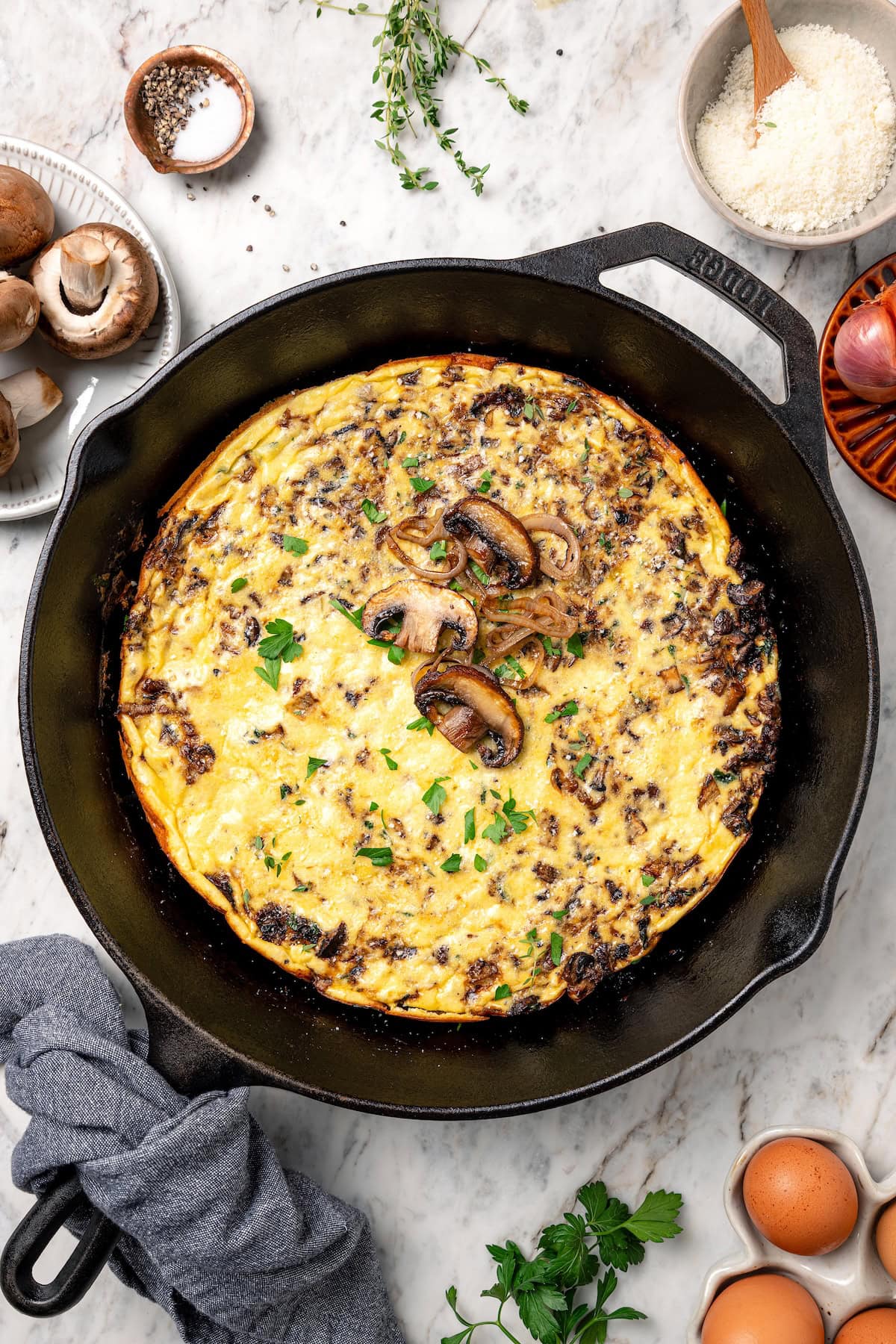
Complementing the egg whites, the inclusion of sautéed mushrooms further elevates the dish’s nutritional profile and flavor complexity. Mushrooms are celebrated for their distinctive umami taste, a savory fifth basic taste that adds depth and richness to dishes without relying on high-fat ingredients. Beyond their flavor, mushrooms are a low-calorie source of essential vitamins and minerals, including B vitamins (riboflavin, niacin, pantothenic acid), selenium, potassium, and antioxidants. These nutrients play vital roles in energy metabolism, immune function, and protecting cells from oxidative damage. The specific variety of mushrooms used can subtly alter the flavor profile; cremini (baby bella) mushrooms, often recommended for their earthy flavor and firm texture, are particularly well-suited for frittatas, contributing a robust base that pairs excellently with the delicate sweetness of shallots. Their inclusion also caters to the growing interest in plant-forward diets, offering a hearty vegetable component that is both satisfying and beneficial.
Shallots, though small, contribute significantly to the frittata’s aromatic foundation. Milder and sweeter than onions with a hint of garlic, shallots soften beautifully when sautéed, releasing complex, delicate flavors that enhance the overall savory profile without overpowering the mushrooms or eggs. Nutritionally, shallots offer vitamins A and C, iron, and dietary fiber, along with various antioxidants. The addition of fresh herbs, such as parsley or chives, provides a burst of freshness and an additional layer of aromatic complexity, while freshly grated Pecorino Romano cheese introduces a sharp, salty tang that complements the earthy mushrooms and creamy egg base, along with a beneficial dose of calcium.
The Rise of "Brinner" and Culinary Versatility

The concept of "brinner," or breakfast for dinner, has transcended novelty to become a recognized and popular culinary trend, reflecting a broader shift in dining habits that prioritizes flexibility, comfort, and ease. This phenomenon is driven by several factors: the inherent comfort food appeal of breakfast items, the generally quick preparation times associated with many breakfast dishes, and the desire for diverse meal options that break from traditional dinner norms. A high-protein frittata perfectly encapsulates the essence of "brinner," offering a substantial and satisfying meal that feels both indulgent and wholesome.
Culinary experts often commend the frittata for its unparalleled adaptability, making it suitable for any meal occasion. For breakfast or brunch, it serves as an elegant centerpiece, easily portioned and paired with fresh fruit or a simple green salad. As a lunch option, cold or reheated slices provide a convenient and nutritious packed meal. Its ability to serve as a quick yet gourmet dinner, requiring minimal active cooking time, addresses the needs of busy weeknights, offering a healthier alternative to takeout. This versatility extends to its accompaniment; while delicious on its own, it can be served with roasted potatoes, a side of crispy bacon, or a vibrant mixed greens salad, allowing for tailored meal experiences.
Artisanal Preparation: A Stovetop-to-Oven Method for Optimal Results

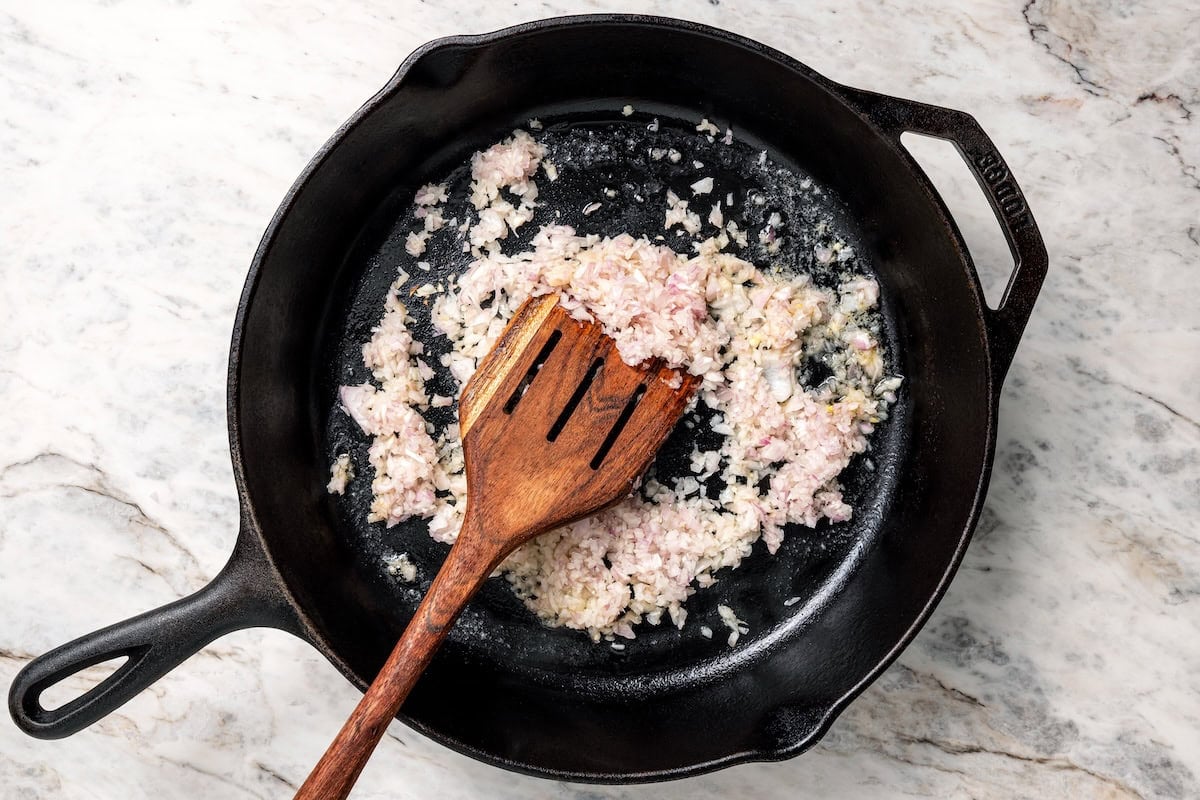
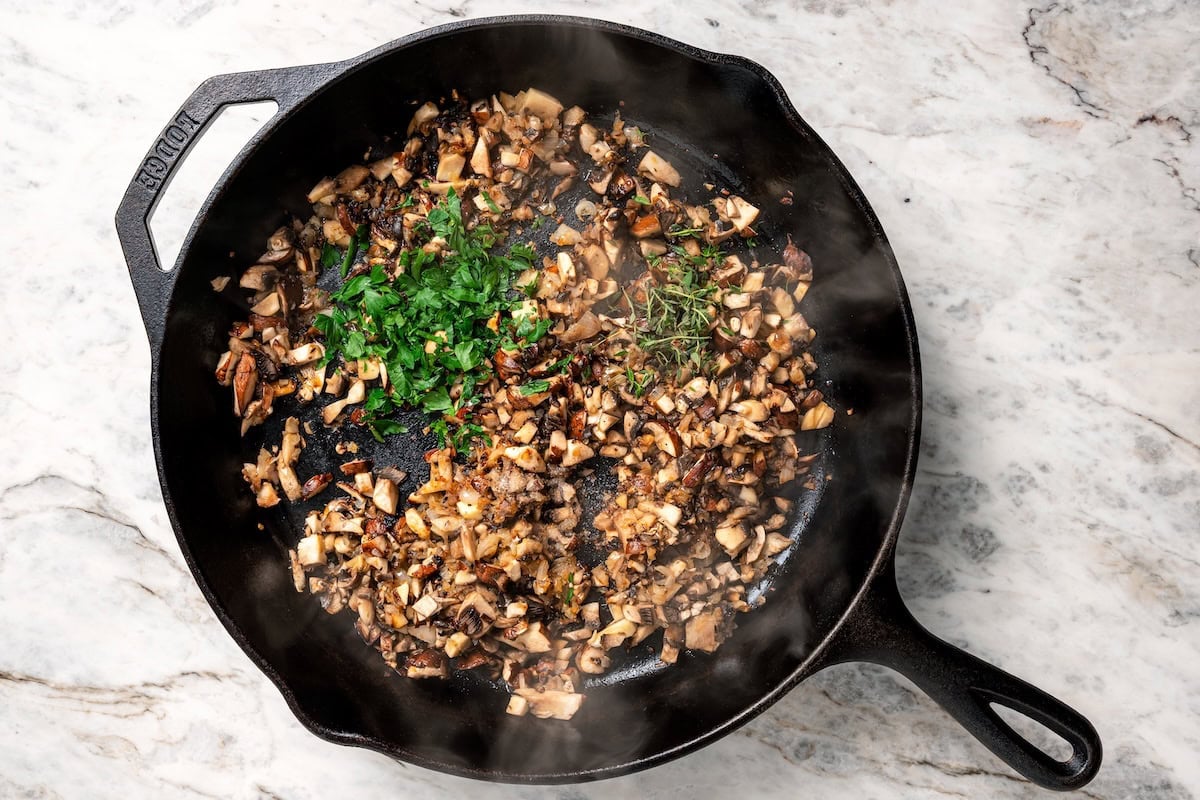
The preparation of this mushroom frittata highlights an efficient cooking methodology that is both beginner-friendly and yields consistently excellent results: the stovetop-to-oven technique. This method begins by sautéing the aromatic ingredients—shallots and mushrooms—in an oven-safe skillet, ideally cast iron. Cast iron skillets are prized in professional kitchens for their exceptional heat retention and even heat distribution, which are crucial for developing a uniform crust on the frittata base and ensuring thorough cooking. After the aromatics are softened and flavorful, the whisked egg white mixture is poured over them, and the skillet is briefly returned to the stovetop to set the edges. The crucial next step involves transferring the skillet directly to a preheated oven to allow the frittata to finish cooking through gently and evenly.
This dual-stage cooking process offers distinct advantages. Unlike traditional omelets that require careful flipping, the frittata’s stovetop-to-oven journey eliminates the need for intricate maneuvers, simplifying the cooking process and reducing the risk of breakage. The oven’s ambient heat ensures the top and center of the frittata cook uniformly, resulting in a light, airy texture with a beautifully golden-brown finish. The savory aroma that permeates the kitchen during the sautéing phase, a hallmark of well-executed home cooking, further enhances the anticipation of this gourmet dish.
Economic and Practical Implications for the Modern Home Cook
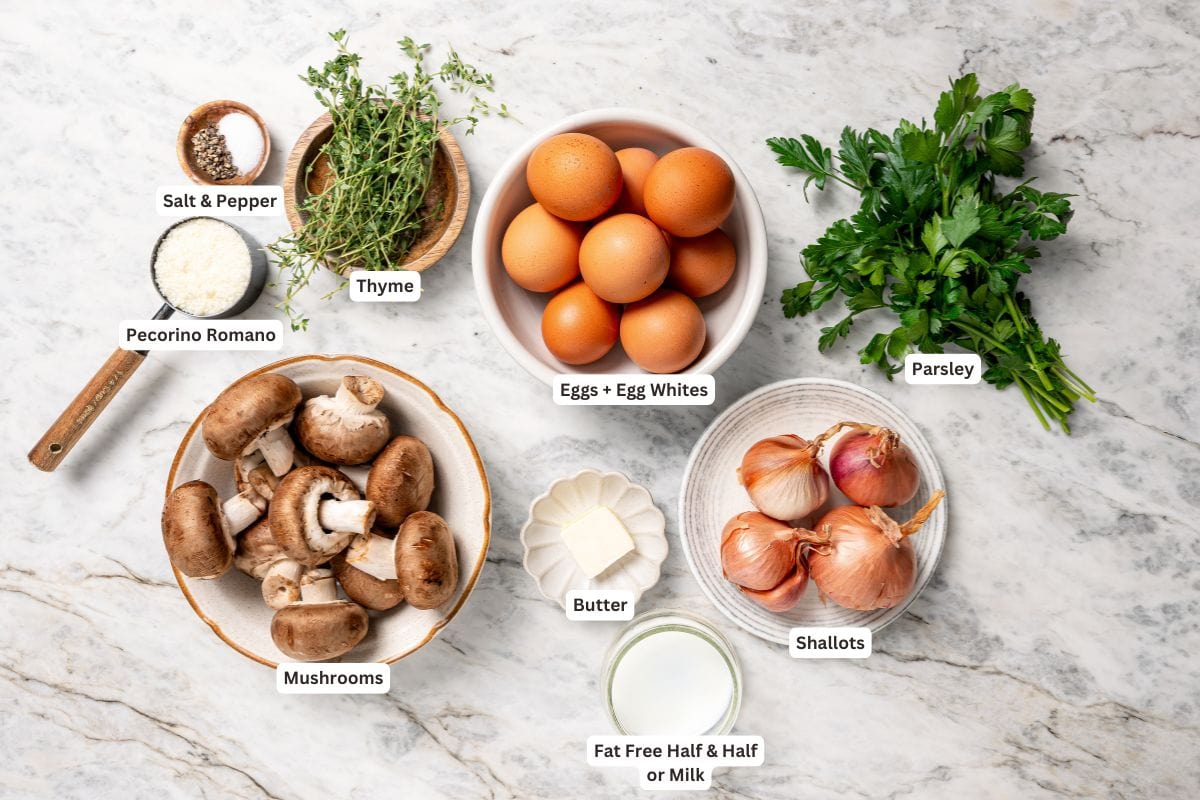
In an era where both time and budget are precious commodities, the mushroom and shallot frittata presents significant practical advantages for the home cook. The ingredients—eggs, mushrooms, shallots, and cheese—are generally affordable and widely accessible, making it an economically sound choice for regular meal rotation. The entire preparation and cooking process, completed in under 30 minutes, aligns perfectly with the demands of fast-paced lifestyles, providing a substantial, homemade meal without extensive time commitment.
Furthermore, the frittata is an excellent candidate for meal preppers. Its ability to be cooked in a single skillet streamlines cleanup, a considerable benefit for busy individuals. Once cooled, slices of frittata can be easily stored, offering ready-to-eat portions for subsequent meals. This makes it a sustainable option, minimizing food waste by allowing for efficient ingredient utilization and providing convenient grab-and-go options throughout the week. The simplicity of its ingredient list and preparation method empowers even novice cooks to create a dish that tastes and looks professionally prepared, fostering confidence and engagement in home cooking.
Adaptability and Customization: A Canvas for Culinary Creativity
The inherent adaptability of the frittata is one of its most compelling attributes, transforming it from a mere recipe into a versatile culinary canvas. While the mushroom and shallot combination offers a classic, deeply satisfying flavor profile, the dish readily welcomes a myriad of variations, allowing cooks to tailor it to personal preferences, seasonal availability, or dietary requirements. For instance, incorporating other vegetables like fresh spinach, Swiss chard, bell peppers, or zucchini can boost fiber and nutrient content, adding vibrant colors and textures. These vegetables should be sautéed until tender before the egg mixture is added to prevent excess moisture in the final product.
Protein additions, such as diced ham, cooked chicken sausage, or crumbled turkey bacon, can further augment the frittata’s satiety and flavor. The choice of cheese is another avenue for customization; while Pecorino Romano lends a sharp, salty kick, alternatives like goat cheese offer a creamy tang, feta provides a briny crumble, and cheddar or Gruyère contribute a milder, nutty richness. Different fresh herbs, from dill and chives to thyme and rosemary, can entirely shift the aromatic character of the dish. This adaptability makes the frittata an ideal meal for individuals with specific dietary needs, allowing for easy adjustments to create low-carb, high-fiber, or vegetarian-friendly versions without compromising on taste or quality.
Storage, Reheating, and Longevity for Modern Lifestyles
The practicality of the mushroom frittata extends to its make-ahead and storage capabilities, making it an invaluable asset for efficient meal planning. Once cooked and allowed to cool to room temperature, the frittata can be covered tightly or transferred to an airtight container and refrigerated for up to 3 to 4 days. This makes it an ideal candidate for batch cooking at the beginning of the week, providing nutritious meals or snacks that are readily available.
For reheating, individual slices can be gently warmed in a microwave, though care should be taken not to overcook, which can result in a rubbery texture. A more desirable method for maintaining texture and flavor is to reheat slices in a preheated oven or toaster oven at a moderate temperature (around 300°F/150°C) until warmed through, typically taking about 10-15 minutes. This gentle reheating helps to restore the frittata’s original texture and prevents it from drying out. Freezing is also an option for longer-term storage; slices can be individually wrapped and frozen for up to one month, though the texture may become slightly softer upon thawing and reheating. These storage solutions underscore the frittata’s role as a convenient, time-saving, and healthy option for busy individuals and families.
Conclusion: A Culinary Cornerstone for Contemporary Dining
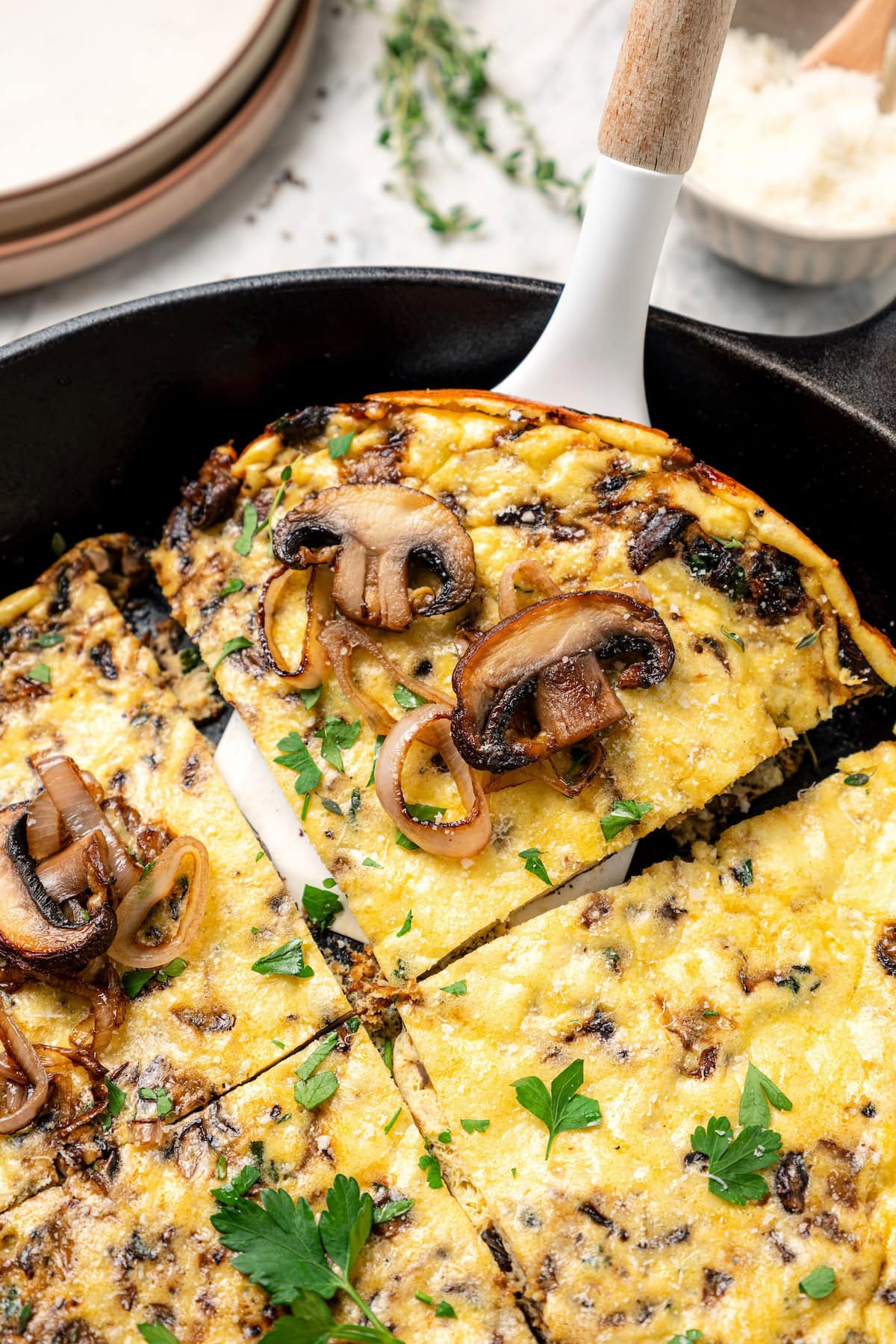
The high-protein mushroom and shallot frittata represents more than just a recipe; it embodies a practical, nutritious, and versatile culinary solution perfectly suited for the demands of contemporary lifestyles. Its foundation in classic Italian tradition, combined with modern nutritional considerations like high protein and lean ingredients, positions it as a sophisticated yet accessible dish. The efficient stovetop-to-oven preparation, alongside its adaptability to various ingredients and meal times—from a hearty breakfast to a satisfying "brinner"—cements its status as a culinary cornerstone for health-conscious diners and busy home cooks alike. Its enduring appeal lies in its ability to deliver gourmet flavor and significant nutritional benefits with remarkable ease, affirming the frittata’s place as a truly timeless and adaptable meal.
