

The agricultural cycle of the northern hemisphere has entered its late summer phase, marking the peak harvest period for the eggplant, a versatile nightshade that dominates produce markets from mid-July through early October. As temperatures remain high and harvest yields reach their zenith, the eggplant—scientifically known as Solanum melongena—becomes a focal point for both culinary innovation and economic meal planning. Historically recognized for its spongy texture and ability to absorb complex flavors, the eggplant serves as a cornerstone of Mediterranean, Middle Eastern, and Southeast Asian cuisines. This seasonal surge provides a strategic opportunity for consumers to access high-quality produce at reduced market prices, often significantly lower than the costs associated with greenhouse-grown or imported varieties available during the winter months.
The Seasonal Economics of Eggplant Production
Agricultural data indicates that eggplant prices typically stabilize at their lowest annual points during August and September. This trend is driven by the plant’s biological requirement for warm soil and consistent sunlight, which allows for high-yield harvests across diverse geographic regions, including the American South and the Mediterranean basin. For budget-conscious households, this period represents a critical window for reducing grocery expenditures while maintaining nutritional density.
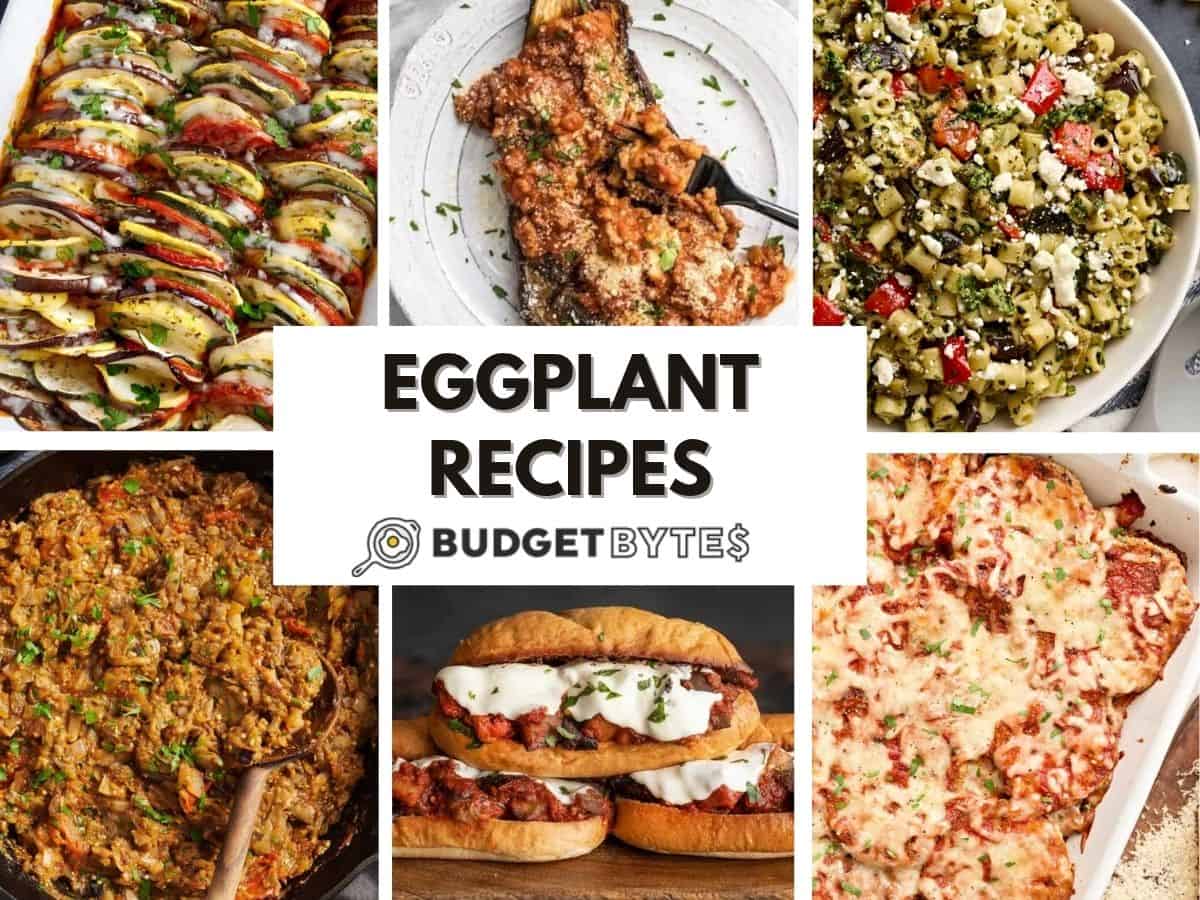
The culinary team at the Nashville Test Kitchen, led by Chef Jess Rice, has conducted extensive testing to identify 12 specific applications that maximize the eggplant’s utility. These recipes are designed to address common consumer hesitations regarding eggplant preparation, such as moisture management and texture control. By utilizing techniques ranging from high-heat roasting to slow-simmering in acidic bases, these methods transform the vegetable into a hearty, cost-effective alternative to animal proteins.
Traditional and Modern Interpretations of Ratatouille
Among the most enduring applications for late-summer produce is Ratatouille, a rustic vegetable stew originating from the Provence region of France. Traditionally a "peasant dish" designed to utilize a surplus of harvest vegetables, Ratatouille has evolved into various modern iterations that prioritize efficiency without sacrificing the integrity of the ingredients.
-
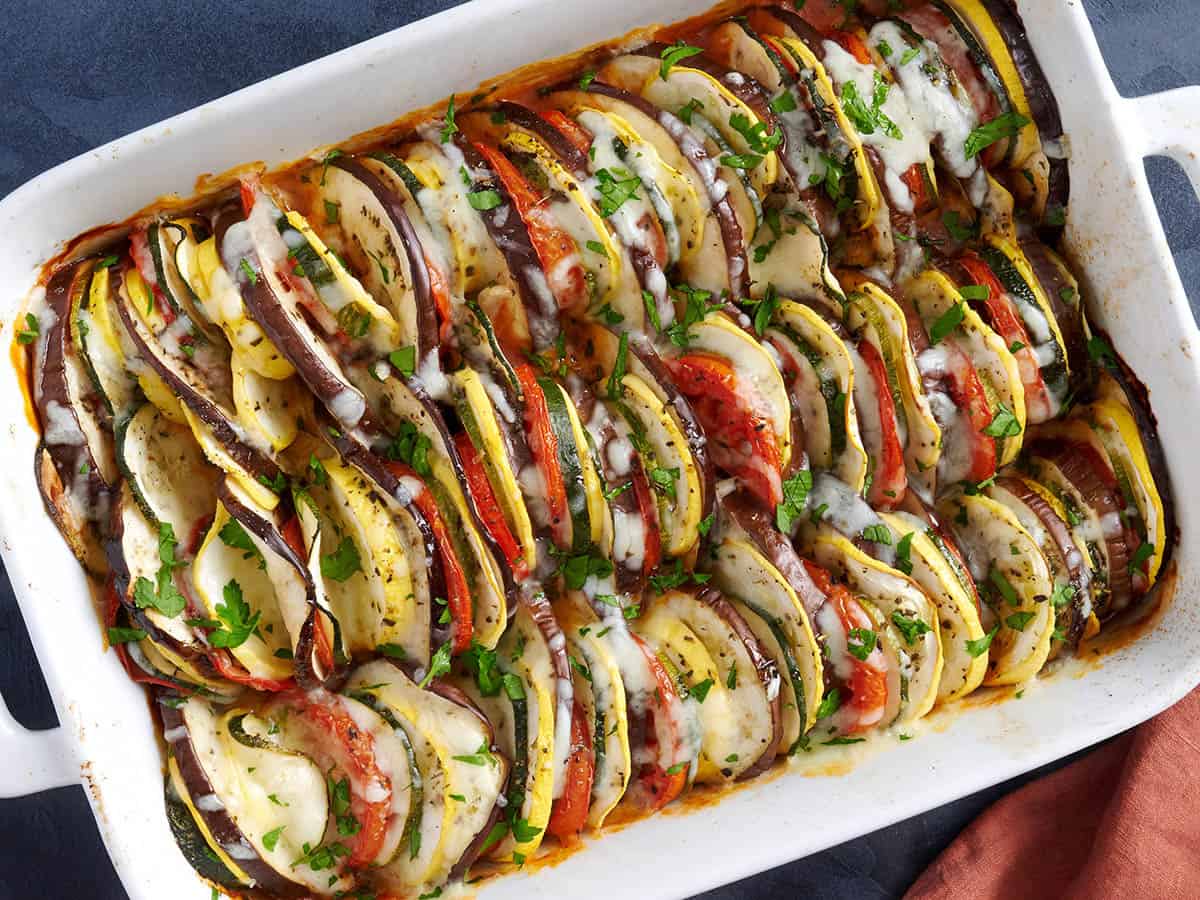
Oven-Roasted Ratatouille: Moving away from the traditional chunky stew, modern techniques often employ a tian-style arrangement. By layering thin slices of eggplant, zucchini, yellow squash, and tomatoes over a base of marinara sauce, cooks can achieve a visually striking dish that benefits from the concentrated flavors of oven roasting. Economic analysis of this preparation suggests a cost of approximately $7.02 per recipe, or $0.88 per serving, making it an elite option for low-cost, high-yield dining.
-
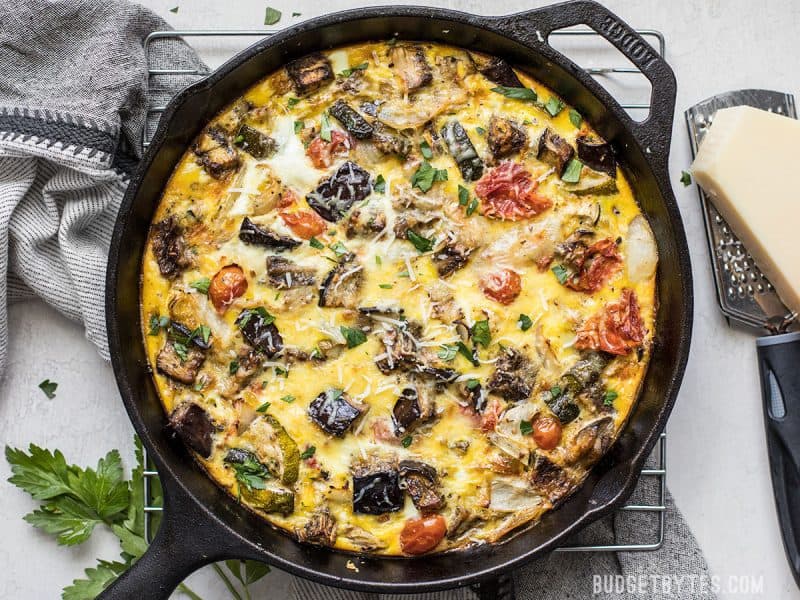
Ratatouille Frittata: The integration of summer vegetables into an egg-based frittata provides a protein-rich variation of the Provencal classic. This method is particularly effective for "bumper crops," where an abundance of produce must be consumed quickly. With eggs stabilizing in price after recent market volatility, a frittata serving eight people can be produced for roughly $0.92 per serving. This application highlights the eggplant’s ability to provide structure to soft-textured dishes like baked eggs.
Eggplant as a Strategic Meat Substitute and Extender
In the context of rising food inflation, the eggplant’s dense, "meaty" texture allows it to function as a primary component in main courses, either replacing meat entirely or extending smaller portions of ground protein.
-
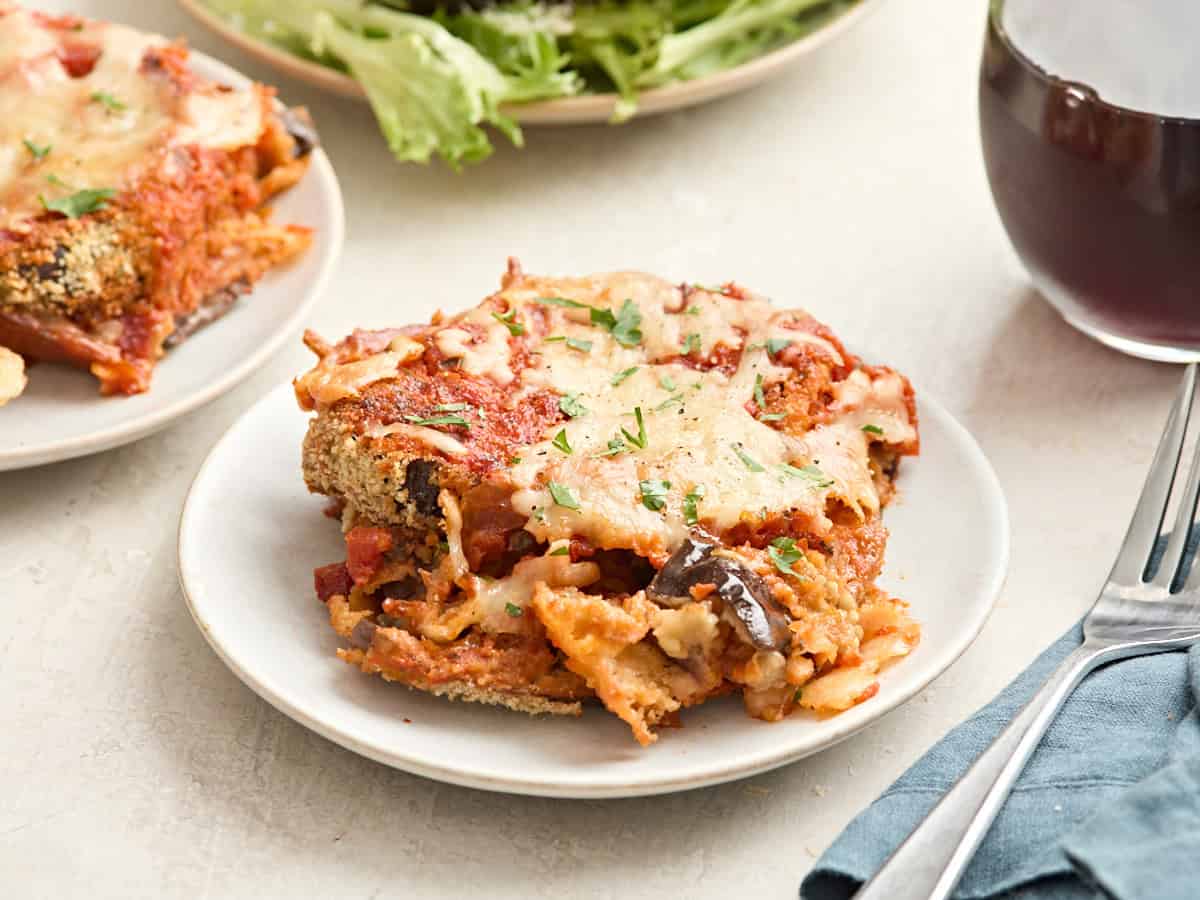
Eggplant Parmesan: A staple of Italian-American cuisine, this dish traditionally involves frying breaded eggplant slices. However, health-conscious and cost-efficient modern updates recommend baking the eggplant. This reduction in oil usage lowers the overall caloric density and simplifies the cleanup process. At a cost of $1.11 per serving, it remains one of the most affordable comfort foods in the vegetarian repertoire.
-
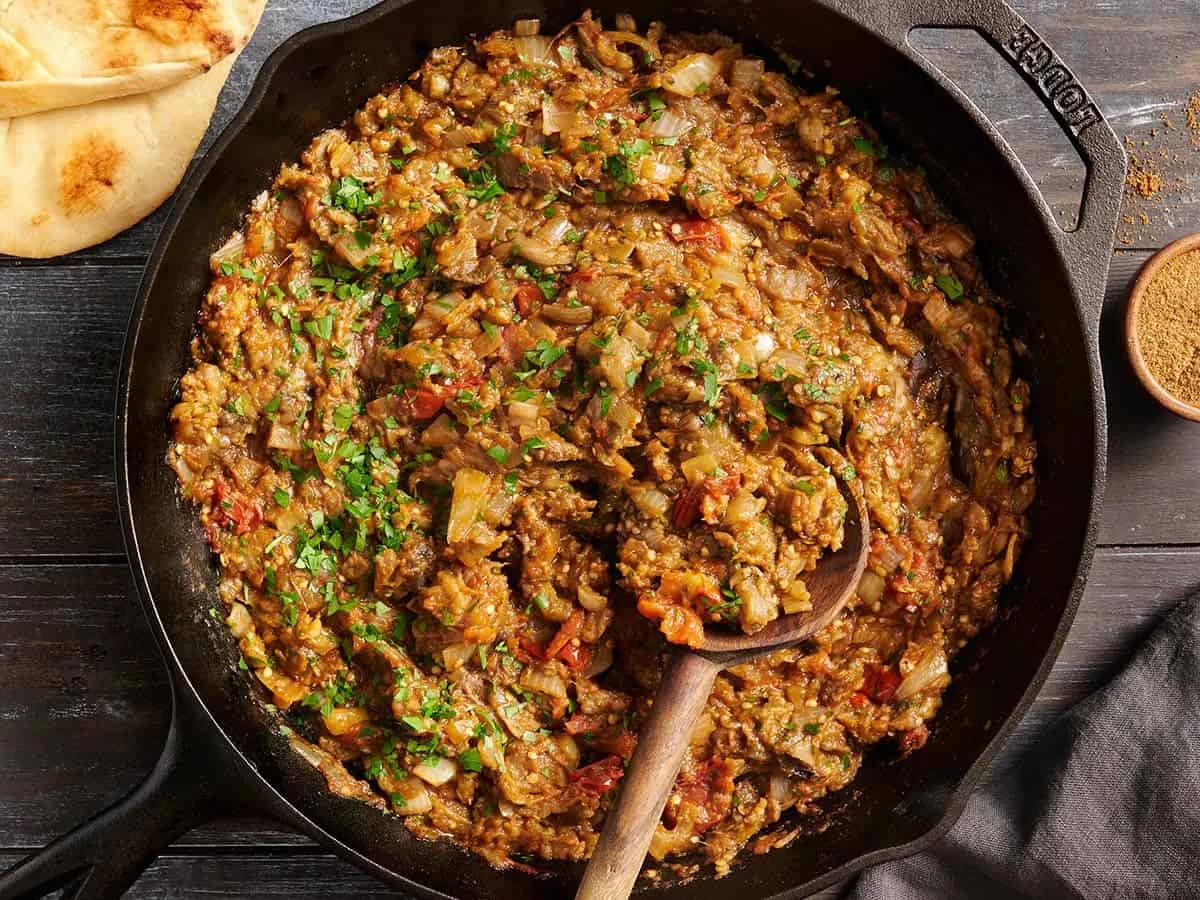
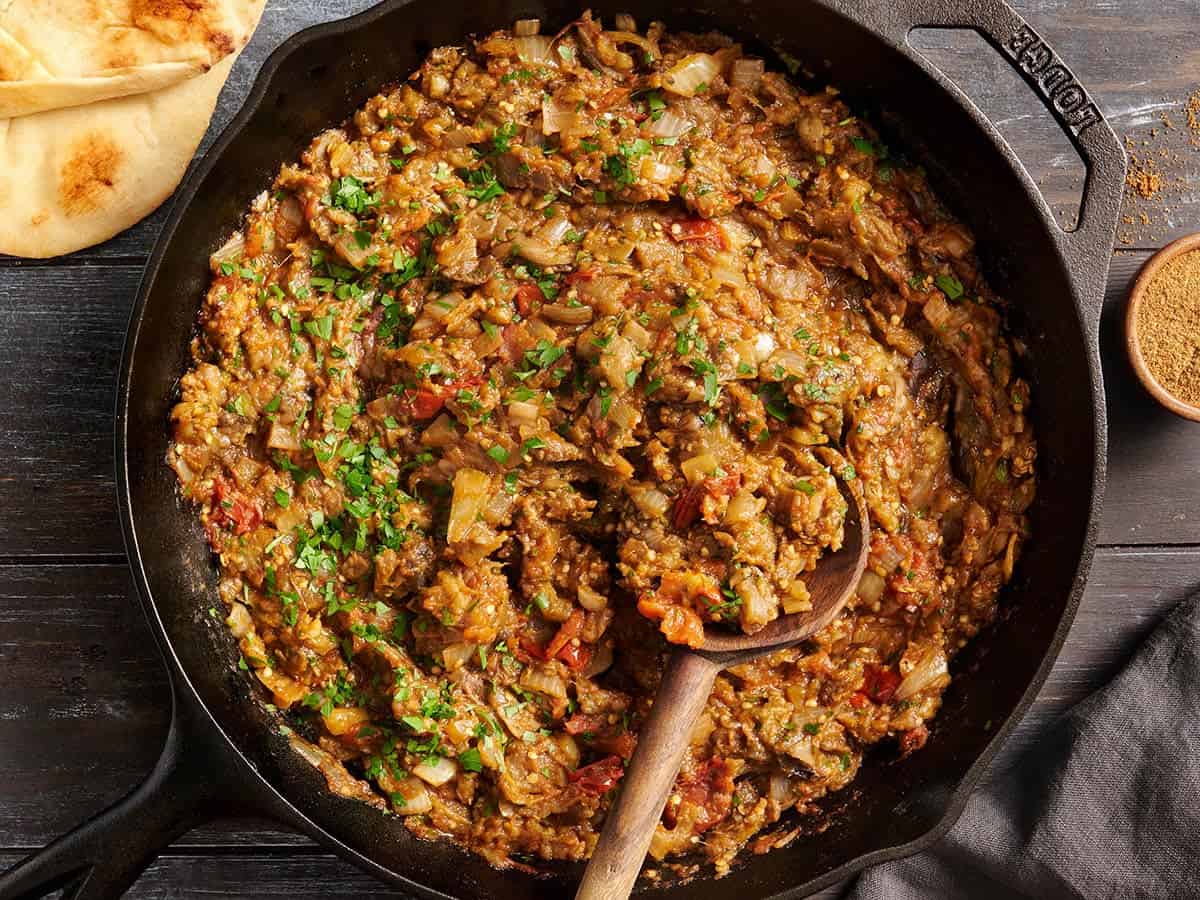
Eggplant Curry (Inspired by Baingan Bharta): This preparation utilizes the smoky depth of roasted eggplant, mashing the pulp into a base of aromatics including garlic, ginger, and red curry paste. This dish is notable for its flavor development over time; like many stews and curries, it is often considered superior when consumed the following day. The Nashville Test Kitchen notes that this recipe costs approximately $1.83 per serving, providing a significant saving compared to restaurant-purchased Indian cuisine.
-
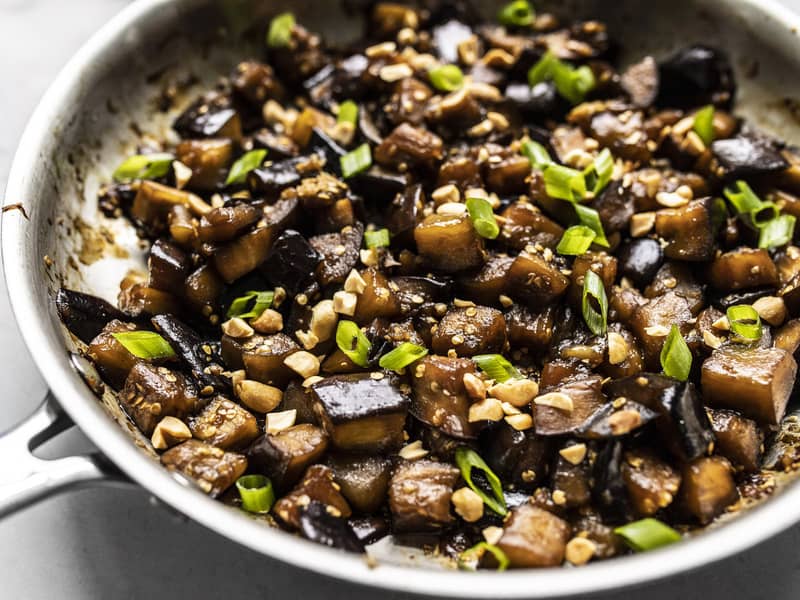
Soy Glazed Eggplant Stir Fry: For rapid meal preparation, the eggplant’s ability to absorb sauces makes it ideal for stir-frying. A simple glaze of soy sauce, ginger, and garlic can transform a single eggplant into a four-serving meal in under 20 minutes. At less than $1.00 per serving, this dish exemplifies the efficiency of plant-based weeknight cooking.
-
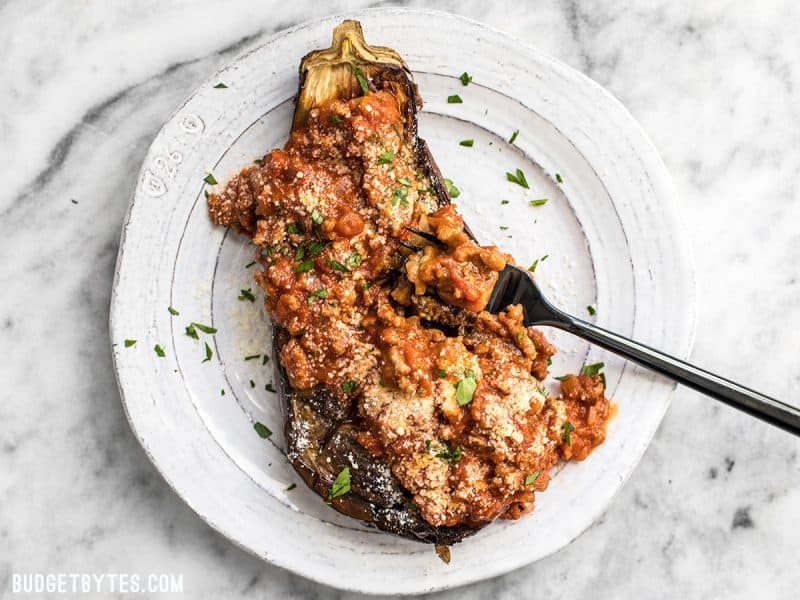
Roasted Eggplant with Meat Sauce: In this application, the eggplant serves as a vessel. By roasting eggplant halves and topping them with a lean meat sauce, cooks can use a mere half-pound of ground beef to satisfy four adults. This strategy reduces the per-serving cost of meat-heavy dishes to approximately $2.06, demonstrating a hybrid approach to budget-friendly dieting.
-
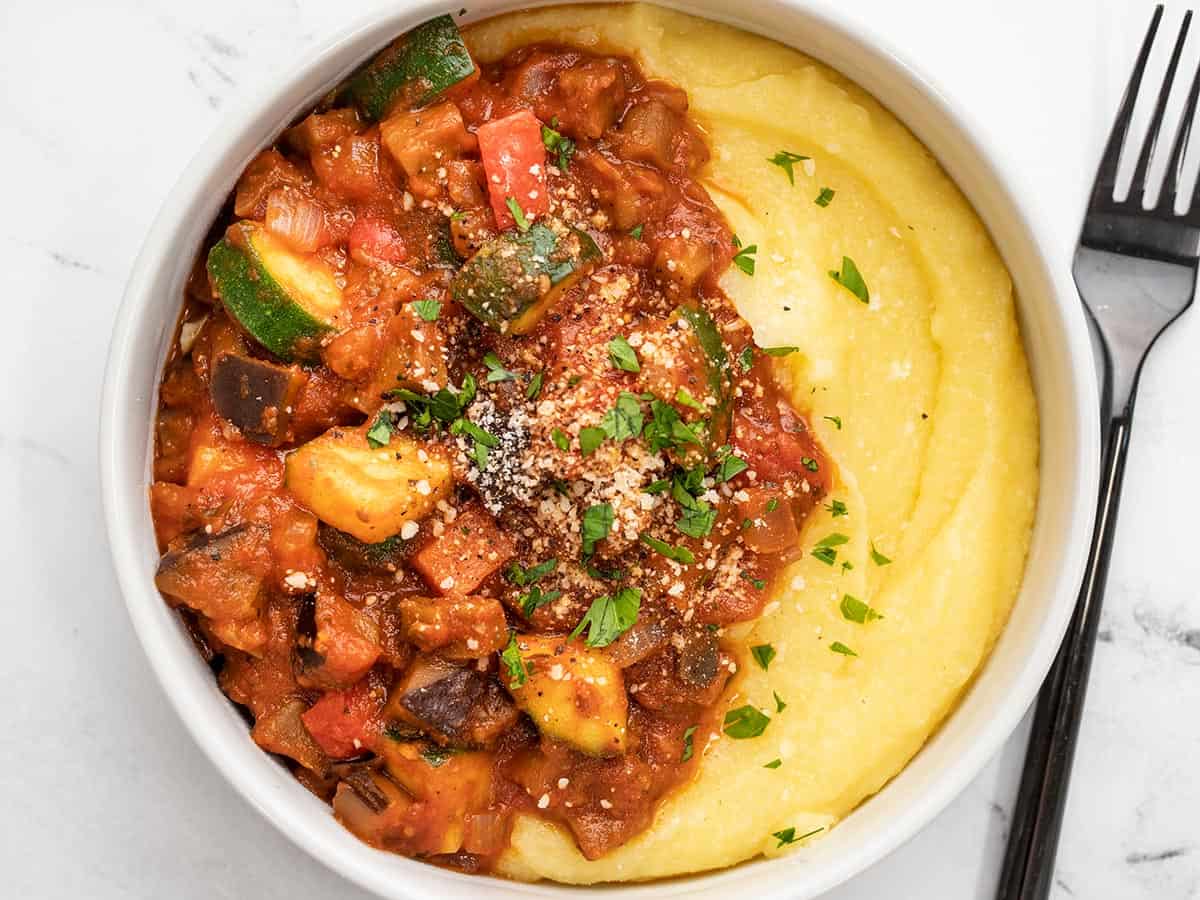
Summer Vegetables in Red Sauce over Polenta: This dish utilizes a braising technique to meld the flavors of eggplant, bell peppers, and zucchini. When served over a low-cost starch like Parmesan polenta, the meal provides a complete nutritional profile for $1.36 per serving.
Innovations in Pasta and Grain-Based Applications
The intersection of eggplant and pasta offers two distinct culinary paths: the rich, savory depth of a cooked sauce and the bright, acidic profile of a cold salad.
-
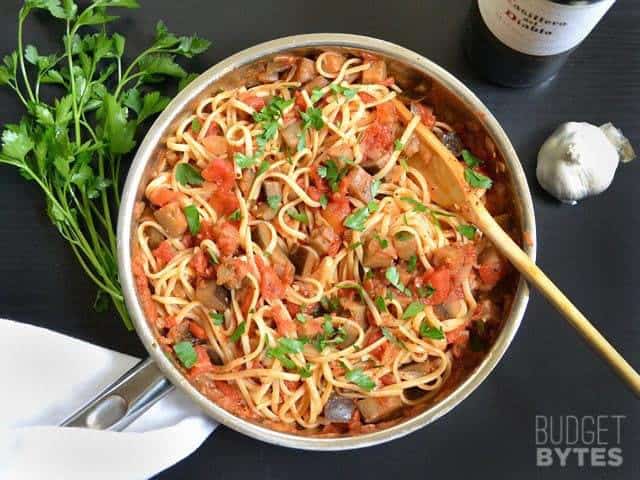
Pasta with Eggplant Sauce: A key finding from the Nashville Test Kitchen involves the use of anchovy paste as a "secret ingredient" to provide umami depth to eggplant-based tomato sauces. This technique mimics the savory profile of meat-based ragus at a fraction of the cost ($1.05 per serving).
-
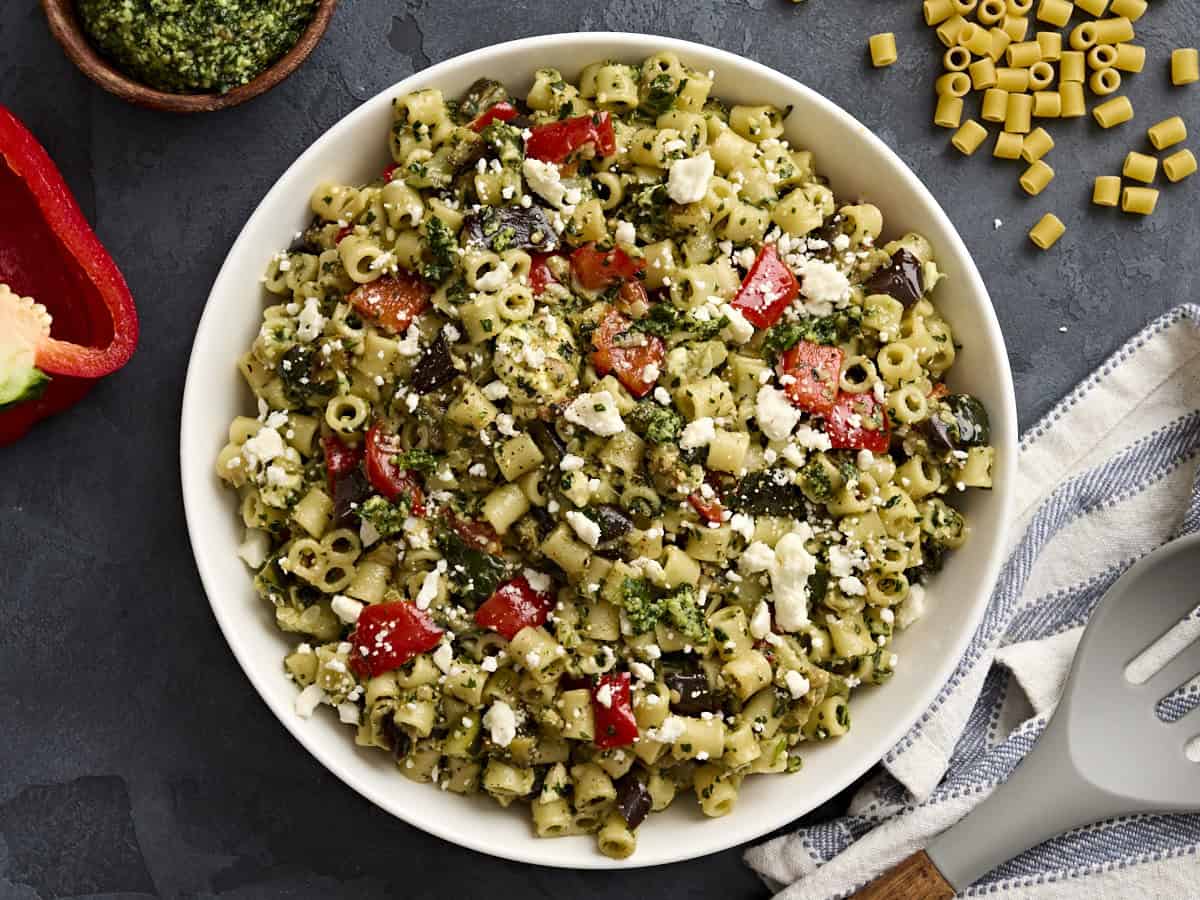
Ditalini Pasta Salad: Utilizing small, tubular ditalini pasta, this salad incorporates roasted eggplant, zucchini, and feta cheese tossed in pesto. This preparation is specifically designed for meal prep and large-scale social gatherings, where the durability of roasted eggplant allows the salad to maintain its texture over several days.
Appetizers and Portable Lunch Solutions
Beyond dinner mains, the eggplant’s versatility extends to dips, sandwiches, and portable pockets, offering solutions for midday meals and social entertaining.
-
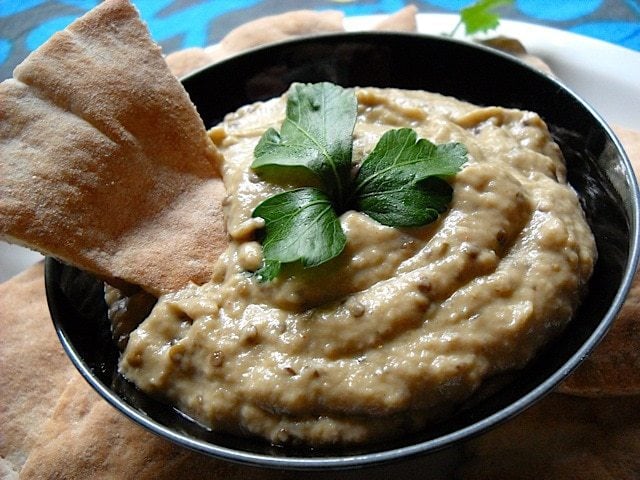
Baba Ganoush: This Levantine staple relies on the charring of whole eggplants to create a creamy, smoky dip. When combined with tahini and lemon juice, it serves as a nutritionally superior alternative to many processed snacks. The home-prepared version costs roughly $0.77 per serving, providing a significant value proposition over store-bought hummus or specialty dips.
-
Eggplant Mozzarella Sandwiches: By sautéing eggplant in marinara and pairing it with melted mozzarella on garlic-butter toasted rolls, cooks can create a vegetarian sandwich that rivals the satiety of a traditional sub. To maintain structural integrity, experts recommend assembling these sandwiches immediately before consumption while storing the components separately.
-
Oven-Roasted Greek Stuffed Pitas: This "sheet pan" approach involves roasting chicken, eggplant, and Mediterranean vegetables in a single tray. The resulting mixture, seasoned with lemon and garlic, is then stuffed into pita pockets. At $1.37 per serving, this recipe offers a balanced, protein-forward lunch that utilizes the eggplant to add volume and moisture to the poultry.
Nutritional Profile and Health Implications
The inclusion of eggplant in the late-summer diet offers significant health benefits. Eggplants are high in fiber and contain various vitamins and minerals, including manganese, folate, and potassium. Perhaps most notably, the skin of the eggplant is rich in nasunin, a powerful antioxidant that has been studied for its potential to protect cell membranes, particularly in brain cells. By utilizing the whole vegetable—including the skin—in many of the aforementioned recipes, consumers can maximize their intake of phytonutrients.
Furthermore, the shift toward eggplant-centric meals aligns with broader public health recommendations to increase vegetable consumption while reducing reliance on processed meats. The low caloric density of eggplant (approximately 25 calories per 100 grams) makes it an ideal ingredient for those seeking to manage weight without sacrificing volume or flavor.
Broader Impact and Culinary Conclusion
The strategic use of eggplant during its peak season is more than a culinary preference; it is an exercise in sustainable and economically sound household management. As the global food supply chain continues to face challenges related to climate and logistics, the ability to cook with seasonal, locally available produce becomes a vital skill.
The 12 recipes developed and tested in the Nashville Test Kitchen provide a roadmap for navigating the end of the summer harvest. From the rustic traditions of Provence to the bold spices of the Indian subcontinent, the eggplant proves to be a global chameleon, capable of anchoring a wide array of flavors. By understanding the timing of the harvest and the specific techniques required to handle this unique vegetable, home cooks can ensure that every eggplant brought home from the market is transformed into a nutritious, affordable, and flavorful meal. As autumn approaches, these recipes offer a final, delicious celebration of the summer’s bounty.
