

As the sun rises over American households in the summer of 2026, the cost of the morning meal has become a stark indicator of a shifting global trade landscape. For many families, the routine $100 grocery excursion of 2024 has evolved into a $140 expenditure, a 40% increase that reflects more than just standard inflationary pressure. According to data from the U.S. Congress Joint Economic Committee (JEC), American families have seen their annual expenditures on goods and services rise by over $3,500 since early 2025. While energy and housing remain significant factors, the kitchen table has become the front line of an escalating trade war characterized by packaging surcharges, import duties, and geopolitical instability.
The current economic climate is defined by a complex web of trade policies that have steadily permeated every aisle of the supermarket. From seasonal price spikes on Mexican produce to broad-based tariffs on aluminum and steel inflating the cost of basic canned staples, these duties are reshaping consumer behavior. As of July 2026, the retail environment is grappling with the aftermath of a fresh round of tariffs targeting 60 trading partners, introducing baseline duties of 10% to 12.5%, and in some cases, reaching as high as 50% for specific imports from Canada and 25% from Brazil.
A Chronology of Trade Volatility: 2024–2026
To understand the current pricing crisis, one must look at the trajectory of the last 24 months. Following the post-pandemic stabilization of 2024, where grocery inflation had flattened to a manageable baseline, a series of legislative and executive actions fundamentally altered the market.
In early 2025, the administration introduced aggressive tariffs on green coffee imports from Brazil and Colombia, as well as emergency duties on European dairy and spirits. While the administration argued these measures were necessary to protect domestic interests, the Supreme Court issued a landmark ruling in February 2026, striking down the broad use of emergency tariff frameworks under previous executive interpretations.
However, the relief was short-lived. By July 2026, the administration pivoted to alternative legal avenues to reinstate and expand the tariff regime. This latest round of "reciprocal" trade measures has introduced significant upward pressure on essential categories including beef, seafood, and confectioneries. Concurrently, international tensions—specifically the ongoing conflict involving Iran—have driven up the cost of diesel fuel and synthetic fertilizers, further compounding the logistical overhead for both domestic and international food suppliers.
The Mechanics of Food Inflation: Metal, Meat, and Imports
The surge in grocery bills in 2026 is driven by three primary catalysts: packaging costs, protein shortages, and import dependency.

The Metal Packaging Tax
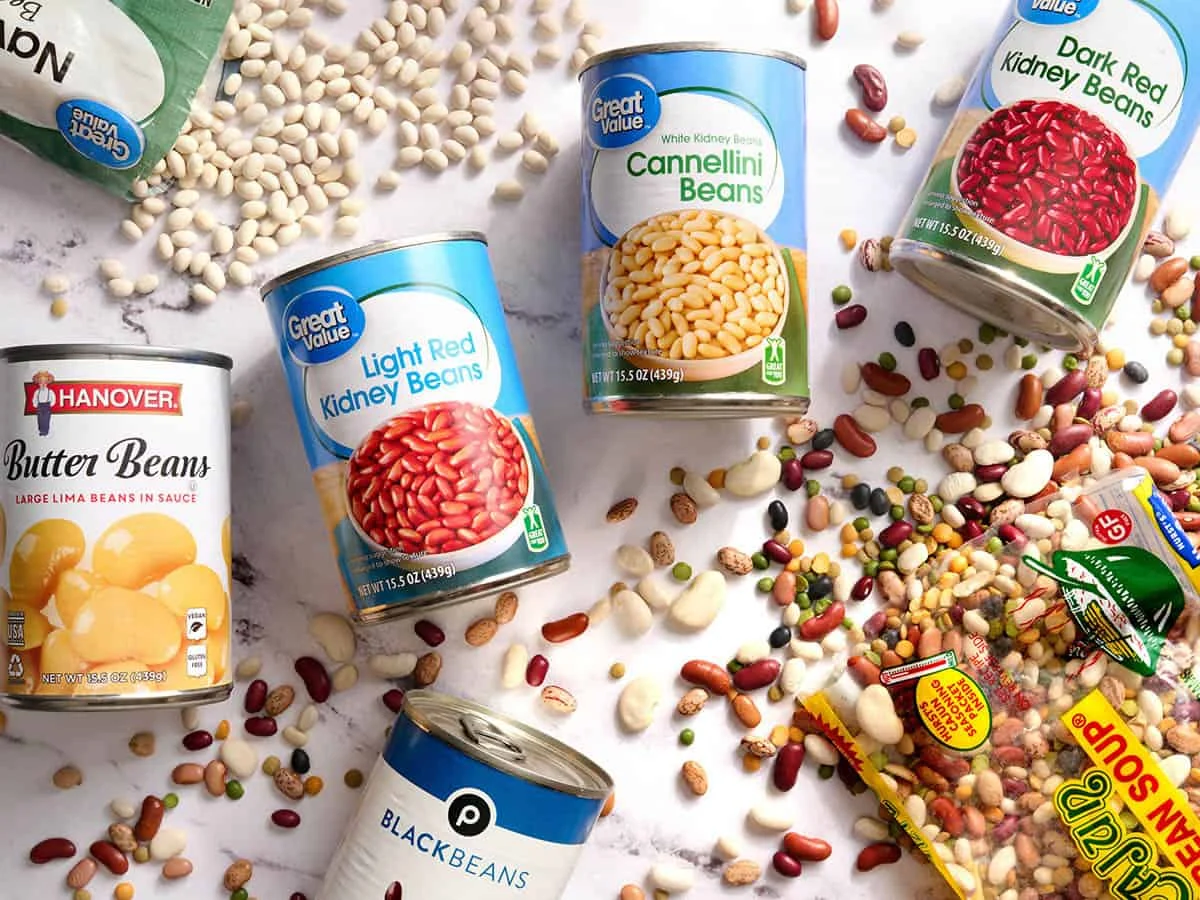
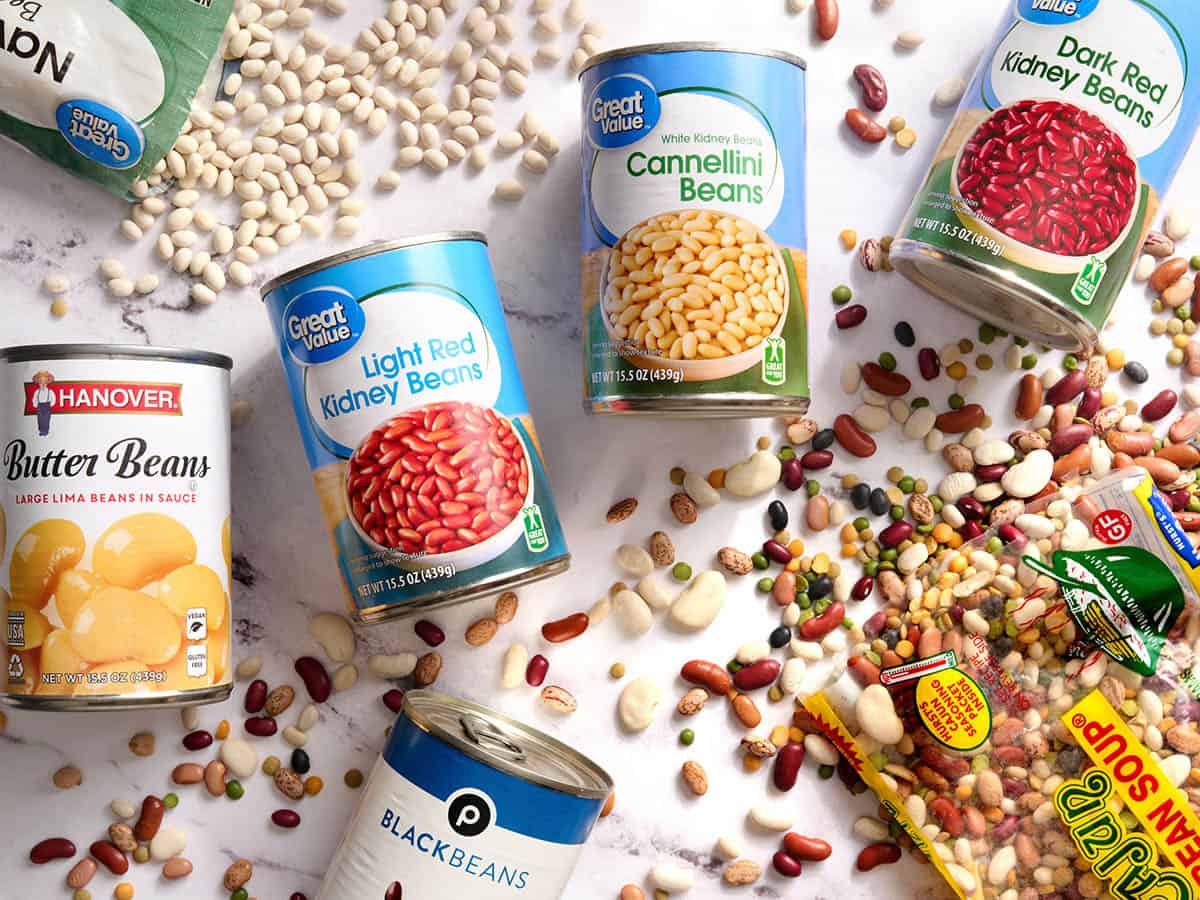
Canned goods, traditionally the refuge of the budget-conscious shopper, have seen some of the most dramatic price increases. This "metal crunch" is not a result of the food quality itself but the container. Food-grade tinplate steel and aluminum, much of which is imported or processed using foreign raw materials, are subject to Section 232 trade duties. When importers pay these taxes at the port, the costs are compounded through a "middleman markup" system. By the time a can of beans reaches the shelf, the tariff has been magnified by distributors and retailers, turning a marginal tax into a significant retail price hike.
The Ground Beef Crisis
The United States is currently facing a historic domestic cattle shortage, the lowest inventory in decades. To satisfy the national demand for ground beef, the U.S. relies on importing lean beef trimmings from Australia and Brazil to blend with domestic fat trimmings. New pricing friction on these imports, combined with the domestic supply vacuum, has sent retail ground beef prices to record highs. USDA monthly updates for July 2026 show that while some produce has stabilized, beef continues to see month-over-month increases.
The Tomato Suspension Agreement
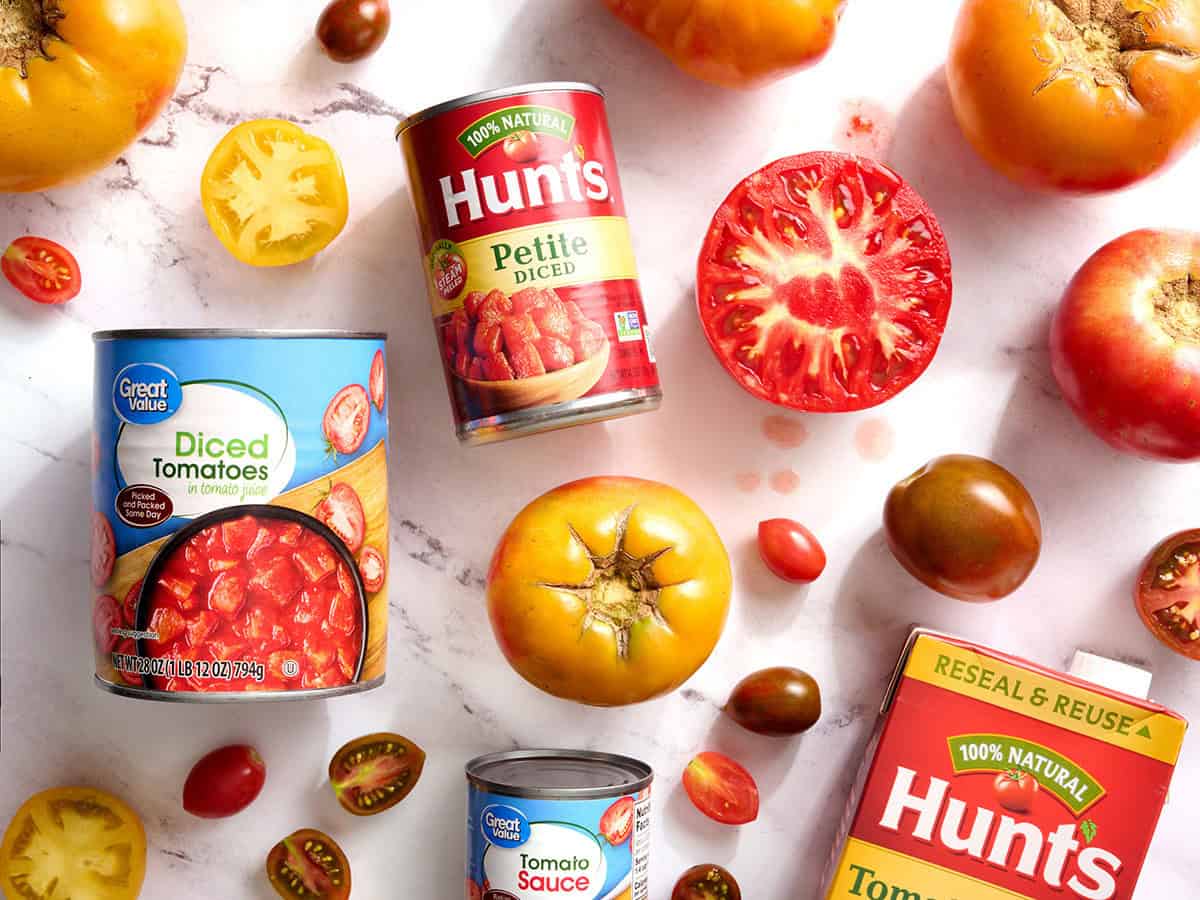
The withdrawal from the U.S.-Mexico Tomato Suspension Agreement has triggered a 17% tariff on imported Mexican tomatoes. Given that Mexico provides approximately 70% of the fresh tomatoes consumed in the U.S., particularly during the winter and shoulder seasons, this policy has had a direct and immediate impact on the produce aisle. Even during peak domestic harvest months, U.S. farms often lack the infrastructure to meet total national demand for specific varieties, leaving consumers to foot the bill for the 17% import tax.
Comparative Case Study: The 2024 vs. 2026 Recipe Analysis
To quantify the impact of these policies, economic analysts have re-costed popular domestic recipes from 2024 against July 2026 market prices. The results illustrate how trade markups hit the dinner plate with varying intensity.
1. Seafood and Legume Stews
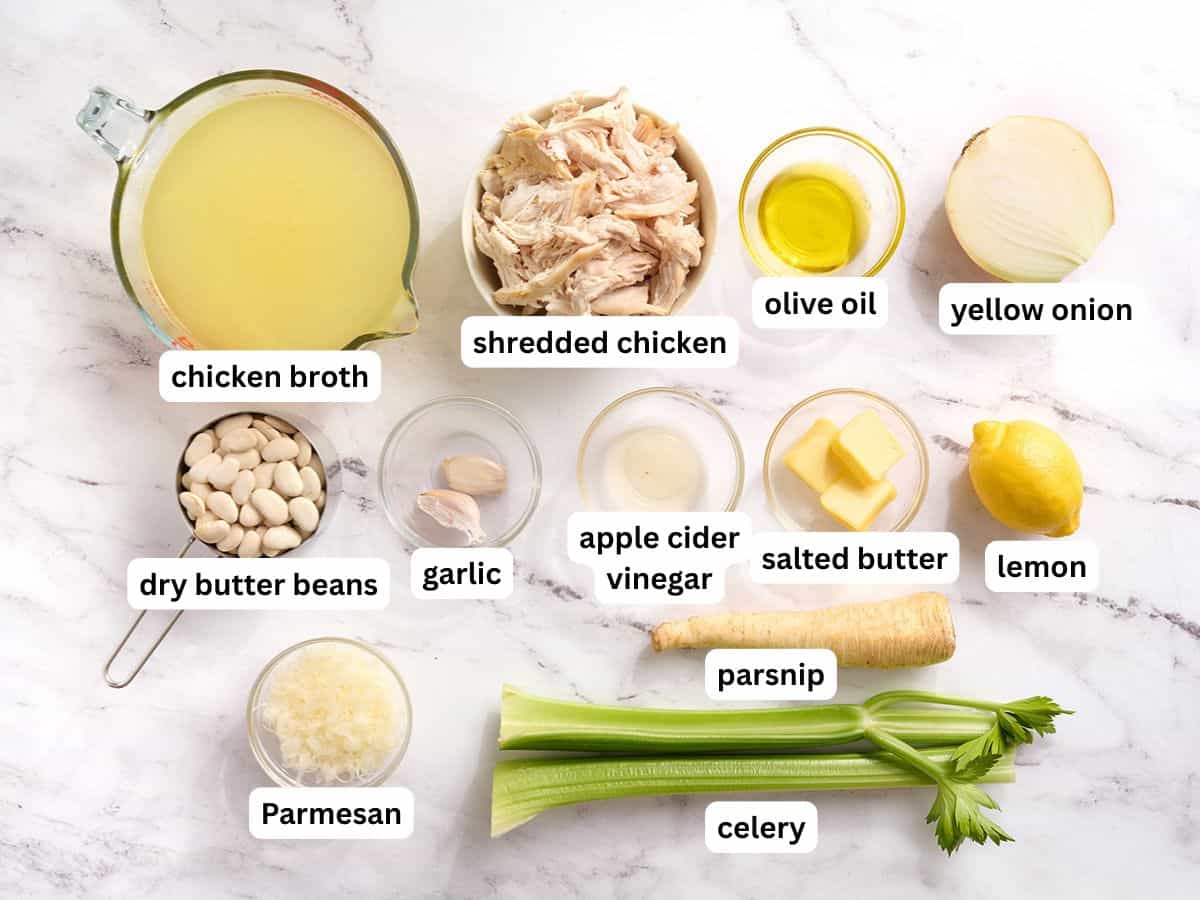
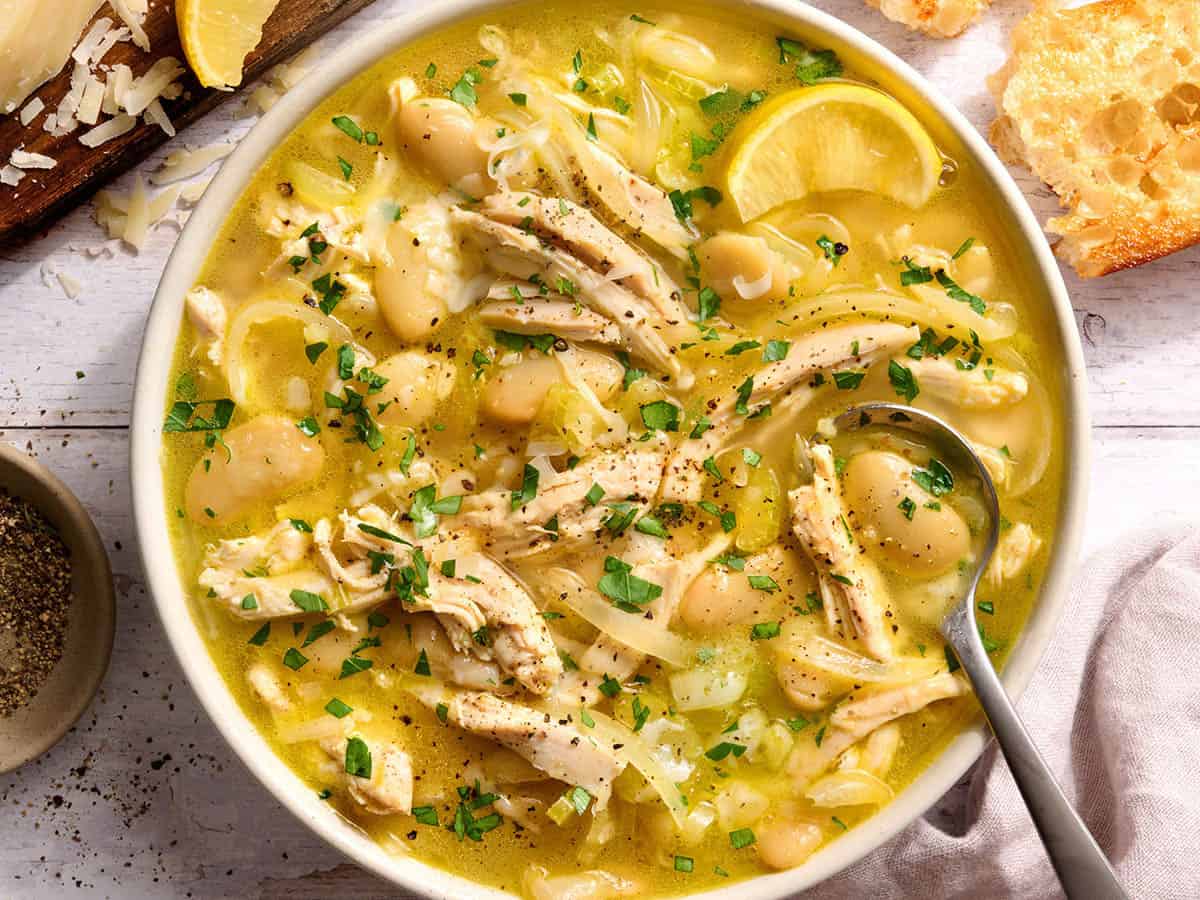
A standard shrimp and white bean stew that cost approximately $11.22 to prepare in 2024 now costs $15.69, a nearly 40% increase. The data reveals that two 15-ounce cans of beans accounted for over a third of this increase due to the aforementioned metal tariffs. Additionally, because 90% of shrimp consumed in the U.S. is imported, the category is highly vulnerable to ocean shipping rates and port tariffs. In this specific case, 1lb of shrimp rose by 23% in two years.
2. Produce-Heavy Entrees
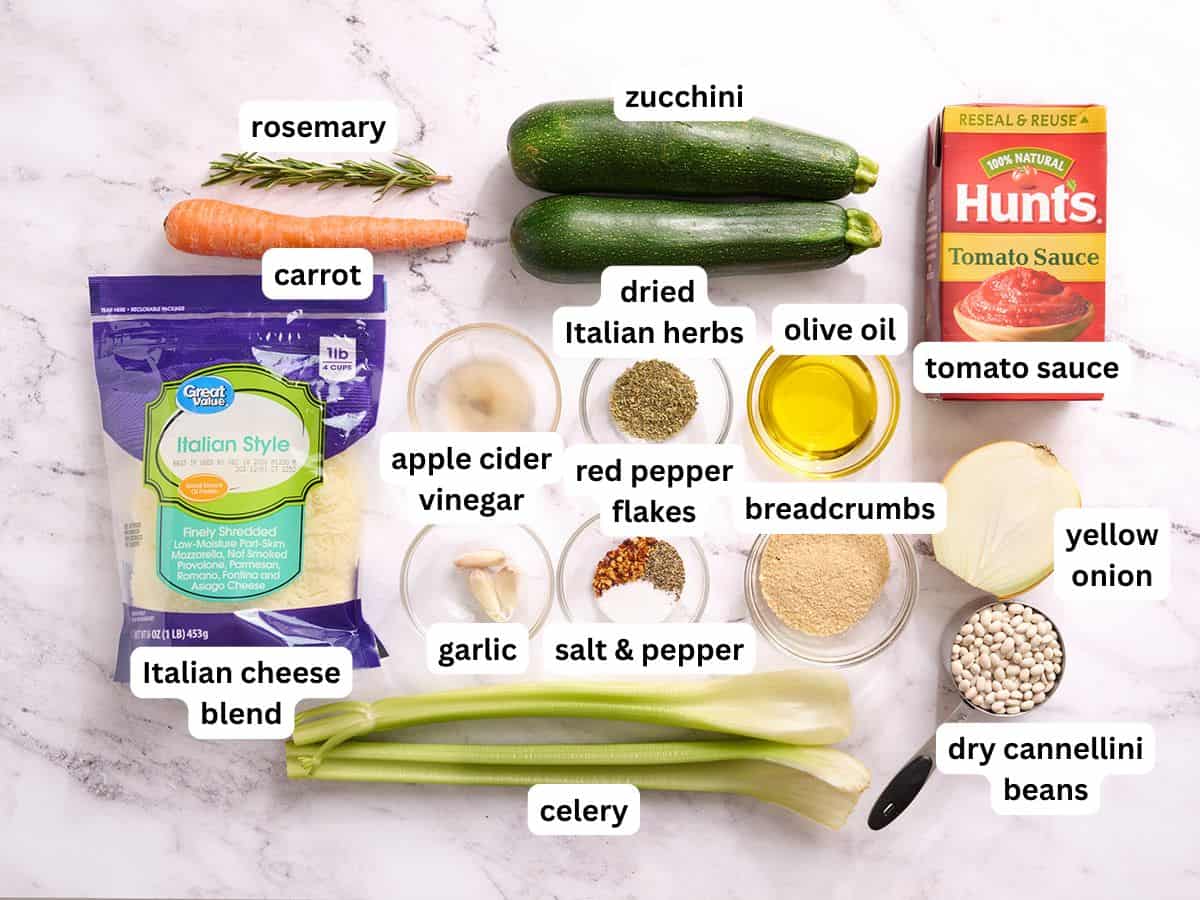
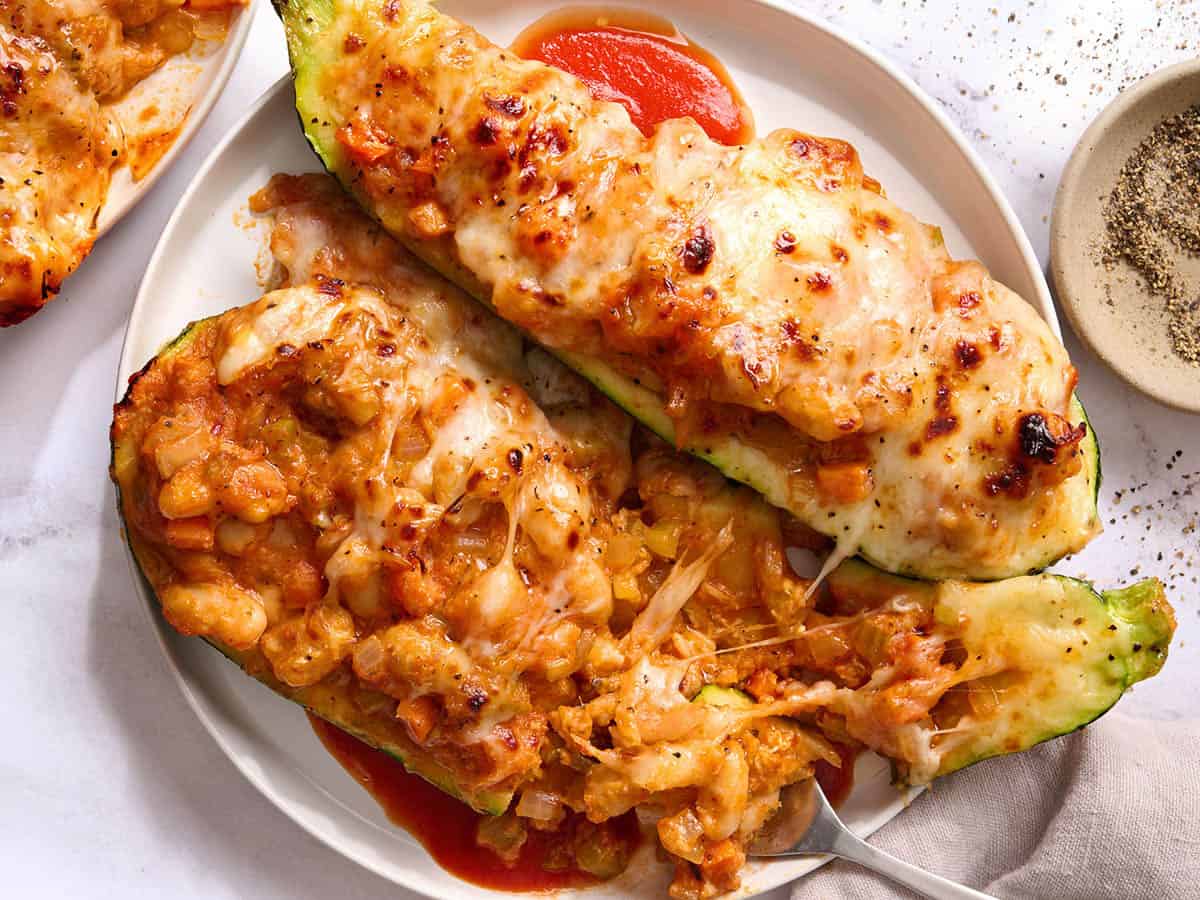
Recipes relying on fresh "slicer" tomatoes, such as stuffed tomatoes or fresh salsas, have seen costs jump by over 46%. In 2024, four fresh tomatoes might have cost $4.00; in July 2026, that price has neared $8.00 in several urban markets. Interestingly, the same analysis found that zucchini and other locally harvested summer squashes actually dropped in price during the same period, as they are grown abundantly within the U.S. and require less specialized refrigeration and international transport.
3. Pasta and Staples
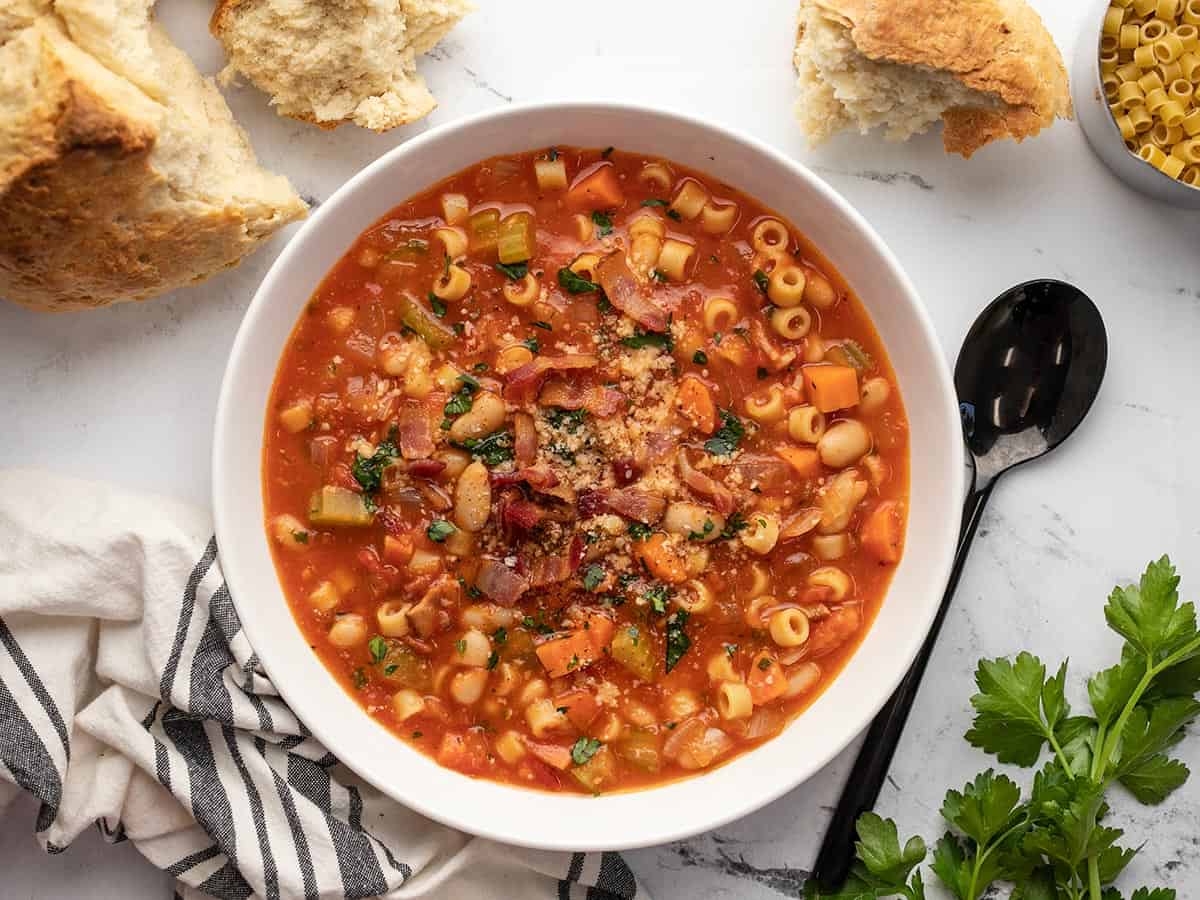
Pasta e Fagioli, a classic pantry-staple meal, showed a more moderate increase of 27.5%. The primary drivers here were again canned tomatoes and beans. However, the ditalini pasta portion of the meal remained relatively flat in cost. Analysts attribute this to the use of domestic store brands that utilize U.S.-grown durum wheat, effectively bypassing the international trade restrictions that have inflated the price of artisanal Italian imports.
Supporting Data: USDA and BLS Market Indicators
The latest Bureau of Labor Statistics (BLS) and USDA Economic Research Service (ERS) reports provide a granular look at the commodities most affected by the 2026 trade climate:
- Fresh Tomatoes: Up $0.78 per lb (reflecting the 17% Mexican import tariff).
- Coffee: Up $0.56 per lb (despite the reversal of some 2025 tariffs, supply chain lag persists).
- Seafood: Inflation in this sector continues to outpace the general Consumer Price Index (CPI), as 80-90% of the supply remains subject to anti-dumping and Section 301 tariffs.
- Sugar and Confectionery: Imports from Canada and Europe face elevated costs due to restrictive import allowances and reciprocal duties, keeping domestic candy manufacturing costs high.
- Frozen Potato Products: Heavy reliance on Canadian imports for frozen fries has kept wholesale restaurant costs elevated, leading to a "fry inflation" at fast-food outlets.
Industry and Political Reactions
The continuation of high-tariff policies has drawn a mixed response from stakeholders. Agricultural groups in the Midwest have expressed concern over retaliatory duties on U.S. soybeans and pork, particularly from the Chinese market. Meanwhile, some domestic manufacturers have praised the tariffs for creating a "level playing field," though they acknowledge the increased costs for consumers.
In Congress, the debate remains polarized. Legislative records show that numerous votes have been held to either support or reject the current administration’s tariff framework. Most recently, a vote regarding the rejection of cost-raising tariffs on Canadian imports saw a narrow margin, reflecting the deep divide over whether trade protectionism is worth the inflationary cost to the American household.
Retail giants have also begun to shift their strategies. Major chains like Walmart and Kroger are increasingly promoting "Domestic-Only" supply chains and store-brand products to shield consumers from the most volatile import duties. By sourcing products that never cross an international border, these retailers can offer "tariff-proof" alternatives, though supply for these items often struggles to keep pace with shifting demand.
Broader Implications for the 2026 Midterms
As the 2026 midterm elections approach, the "grocery store tax"—as some critics have labeled the tariff regime—is expected to be a central campaign issue. Voters are increasingly connecting legislative votes in Washington to the prices they see at the checkout counter. The "war in Iran" and its impact on domestic production costs through fuel and fertilizer surcharges have only added to the urgency of the conversation.
Economic analysts suggest that unless there is a significant de-escalation in global trade tensions or a major shift in domestic agricultural output, the high-cost environment for groceries will persist into 2027. For the average American family, the strategy has shifted from seeking the best deals to seeking the most "tariff-resilient" goods. This involves a move away from canned packaging toward dry or frozen goods, a preference for domestic store brands over imports, and a pivot toward proteins like chicken and pork that are less dependent on the international blending markets that affect beef and seafood.
The 2026 grocery landscape is a testament to the fact that in a globalized economy, a tax at the port is ultimately a tax at the kitchen table. While the macro-economic goal of these tariffs may be to bolster domestic industry, the micro-economic reality for the American consumer is a period of sustained and significant budget realignment.
