

Globally, an estimated one in five individuals in employment are living in poverty. This stark reality, detailed in reports by the International Labour Organization (ILO), is a direct consequence of how modern global supply chains are structured. From the fields where coffee beans are cultivated to the factories assembling garments, and the farms producing fruits, intricate systems are in place that suppress wages, even as they generate significant value for international markets. This persistent issue has injected a renewed sense of urgency into the long-standing debate surrounding living wages. In 2024, the ILO took a significant step by formally endorsing general principles for defining and calculating living wages across diverse national contexts, providing crucial guidance on wage-setting methodologies and implementation strategies. A living wage, in this context, signifies pay sufficient for a worker and their family to afford a decent standard of life, encompassing not just basic necessities but also opportunities for education, healthcare, and savings.
Researchers specializing in living wages, labor conditions, and sustainable livelihoods, with a particular focus on global value chains in Africa, are at the forefront of this critical discussion. Their argument is clear: the growing international recognition of the concept of living wages shifts the fundamental question from whether workers should earn enough to live on, to the more complex challenge of how to achieve this goal in practice. Turning this principle into a tangible reality, however, is far from straightforward. Recent research, drawing on evidence from various African nations, highlights that well-intentioned initiatives aimed at increasing wages can sometimes yield unintended negative consequences. Conversely, alternative approaches, meticulously tailored to local economic and social contexts, are beginning to demonstrate more promising and sustainable outcomes.
This body of research emphasizes that meaningful change is achievable, but it necessitates a fundamental shift in focus. Instead of relying solely on compliance-driven, "tick-box" approaches and policing mechanisms, a more collaborative framework is required. This collaborative model involves fostering genuine partnerships between buyers, suppliers, workers, and a wider array of actors operating across the entire value chain. Critically, it demands a move away from the pervasive practice of constant cost-cutting, often achieved through depressed wages and precarious employment, towards supply chains that actively support and promote sustainable livelihoods for all involved.
The Root Causes of Low Wages in Global Supply Chains
The analytical work undertaken by these researchers has delved deep into the complexities of living wages, labor conditions, and social innovation within supply chains across diverse sectors, including agriculture and tourism. A consistent finding across these studies is that global supply chains frequently subject suppliers and, by extension, their workers, to immense pressure to reduce operational costs. This pressure stems from the inherent structure of the contemporary global economy, which is organized through highly complex, cross-border supply chains. Products ranging from agricultural commodities like fruit and coffee to manufactured goods such as clothing, are typically produced in lower-income countries and subsequently distributed and sold in more affluent markets.
While these intricate global systems can undeniably drive efficiencies and create economic opportunities, they also tend to concentrate significant power in the hands of large multinational buyers, including major supermarket chains and global brands. These dominant entities typically exert considerable control over pricing structures, operational standards, and purchasing conditions. The economic consequence of this power imbalance is that lead companies often capture the lion’s share of the value generated throughout the supply chain. In stark contrast, suppliers, and particularly the workers at the base of these chains, receive a disproportionately smaller portion of the final product’s value. In certain industries, producers might only capture a mere fraction of the final retail price. To remain competitive and meet the demanding requirements of these powerful buyers, suppliers find themselves under perpetual pressure to minimize costs. In this environment, wages are frequently treated as a variable expense, susceptible to reduction, leading to what is often described as a "race to the bottom," where countries and companies engage in a relentless competition to maintain the lowest possible labor costs.
When Well-Intentioned Interventions Backfire
The research has illuminated instances where well-meaning efforts to improve working conditions and wages have inadvertently led to negative outcomes. Over the past two decades, numerous governments and corporations involved in global supply chains have implemented standards and certification schemes with the explicit aim of enhancing labor conditions. These initiatives often include specific mandates related to labor rights, health and safety protocols, and, in some cases, provisions for living wages. However, the evidence suggests that these compliance-centric approaches can fall short of their intended goals and, in some scenarios, can even exacerbate existing problems.
The fruit export industry in South Africa provides a compelling case study. Supermarkets in the United Kingdom and across Europe impose stringent quality and labor standards on fruit producers. Simultaneously, these buyers exert downward pressure on prices, demanding high volumes of produce. To meet these rigorous standards, farmers often incur higher operational costs. However, these increased costs are frequently not offset by commensurate higher payments from the buyers. In response, many farmers resort to cutting labor costs as the most accessible avenue. This can manifest as replacing permanent, full-time workers with temporary, seasonal staff, increasing the workload for existing employees, or reducing employee benefits. Consequently, labor standards that were ostensibly designed to improve working conditions can paradoxically contribute to the proliferation of more precarious forms of employment.
Collaborative Approaches: The Key to Sustainable Livelihoods
Given the limitations of purely standards-driven approaches, the research sought to identify what strategies do prove effective. Through in-depth case studies, the researchers examined initiatives in inclusive tourism in South Africa, specialty coffee production in Uganda, and chili farming across Malawi, Mozambique, and Zimbabwe. These case studies revealed that more collaborative and locally grounded approaches can indeed make a significant positive difference in the livelihoods of workers.
One notable example is Nando’s "PERi Farms" initiative. This restaurant group collaborates with smallholder chili farmers in Malawi, Zimbabwe, and Mozambique. The program provides essential technical support, facilitates access to necessary agricultural inputs, and offers guaranteed purchase agreements for their produce. This comprehensive support system has demonstrably helped farmers increase their incomes, enabling them to invest in their children’s education and improve their housing conditions. The initiative, which has garnered attention for its inclusive model, underscores the potential for corporate social responsibility to drive tangible improvements at the grassroots level.
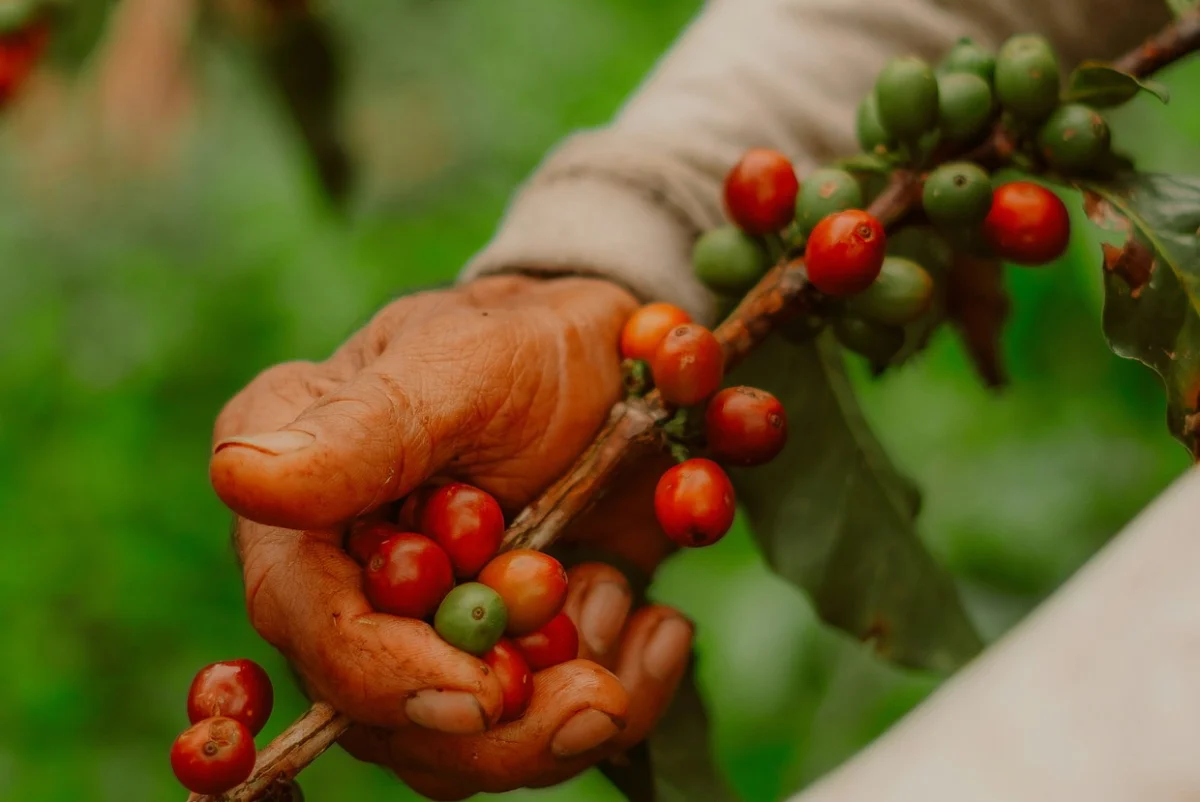
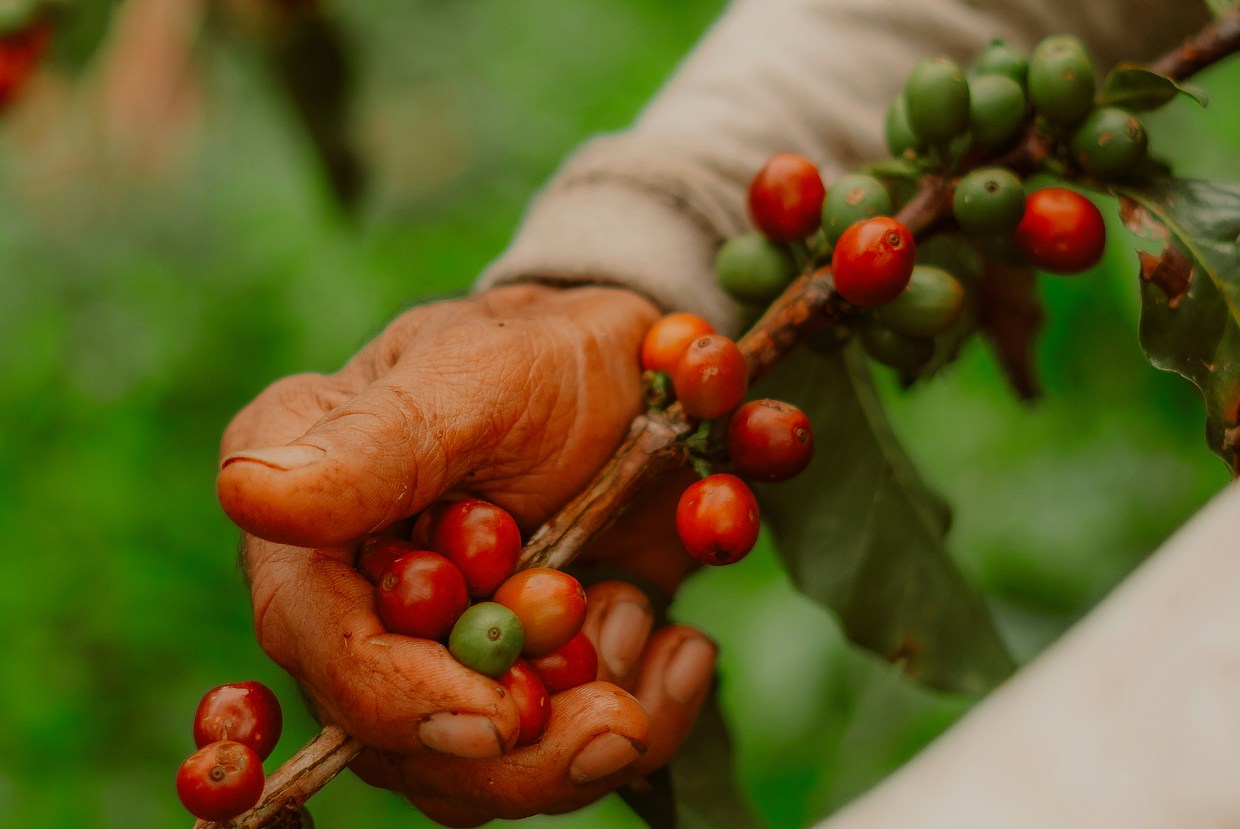
In Uganda, Mountain Harvest, a social enterprise operating within the coffee sector, exemplifies another successful model. This organization works directly with coffee farmers, offering premium prices for their coffee beans, a strategy explicitly designed to enhance farmers’ financial well-being. Beyond fair pricing, Mountain Harvest actively supports farmers in diversifying their income streams by cultivating alternative crops such as macadamia and avocado. The enterprise’s deep understanding of the local coffee farming context has enabled it to implement targeted interventions that improve conditions specifically for women employed seasonally as coffee bean sorters—a demographic often overlooked in broader supply chain analyses.
Within South Africa’s vital tourism sector, the NGO Fair Trade in Tourism has developed a certification standard that moves beyond mere compliance. This standard integrates mandatory living wage requirements with crucial support mechanisms, including mentoring programs, peer-to-peer learning opportunities, and capacity-building initiatives designed to strengthen tourism businesses. Research examining this program has indicated that participating businesses report improved working conditions, higher rates of staff retention, and enhanced service quality, suggesting a virtuous cycle of improved labor practices and business performance.
The Pillars of Success: Collaboration, Relationships, and Human Value
The success of these three distinct initiatives can be attributed to a set of shared, fundamental characteristics. Firstly, these approaches recognize that increasing wages cannot be achieved in isolation. Sustainable wage growth is inextricably linked to a more equitable distribution of value throughout the entire supply chain, which includes the imperative of paying fairer prices to suppliers. This recalibration of value distribution is crucial for enabling suppliers to absorb higher labor costs without jeopardizing their own economic viability.
Secondly, these successful models are built upon the foundation of long-term, stable relationships rather than fleeting, transactional engagements. By fostering enduring partnerships, suppliers gain the confidence and security necessary to make sustained investments in their workforce, including training, benefits, and improved working conditions. This stability is a stark contrast to the precariousness often inherent in short-term, high-pressure purchasing agreements.
Thirdly, these initiatives thrive on genuine collaboration. They actively involve a diverse range of stakeholders, including businesses, non-profit organizations, and local community actors. This multi-stakeholder approach ensures that interventions are deeply rooted in the realities of local contexts, making them more relevant, effective, and sustainable.
Finally, and perhaps most importantly, these approaches fundamentally shift the perception of workers. Instead of being viewed merely as a cost to be minimized, workers are recognized as valuable human beings whose contributions are essential to the quality, innovation, and long-term sustainability of any business. This human-centered perspective underpins the commitment to ensuring fair compensation and dignified working conditions.
The Path Forward: A Call for Systemic Change
Achieving widespread living wages across global supply chains will necessitate a transformation that extends far beyond the implementation of mere standards or regulations. Corporations have a critical role to play in fundamentally rethinking their sourcing practices. This includes a re-evaluation of how pricing is determined, how supplier relationships are managed, and how value is distributed along the entire chain. Governments and international organizations must ensure that labor standards are not only enforced but are actively supported through collaborative mechanisms that go beyond punitive measures.
Consumers also hold significant power in this ecosystem. By consciously choosing to support businesses that demonstrate a genuine commitment to prioritizing fair wages and ethical labor practices, consumers can exert market pressure that incentivizes more responsible corporate behavior. This collective action, from corporate strategy to governmental policy and consumer choice, is essential for dismantling the current structures that perpetuate worker poverty and for building supply chains that are not only economically efficient but also socially just and sustainable. The journey towards living wages is a complex one, but the evidence from these pioneering initiatives provides a clear roadmap for a more equitable and humane global economy.
