

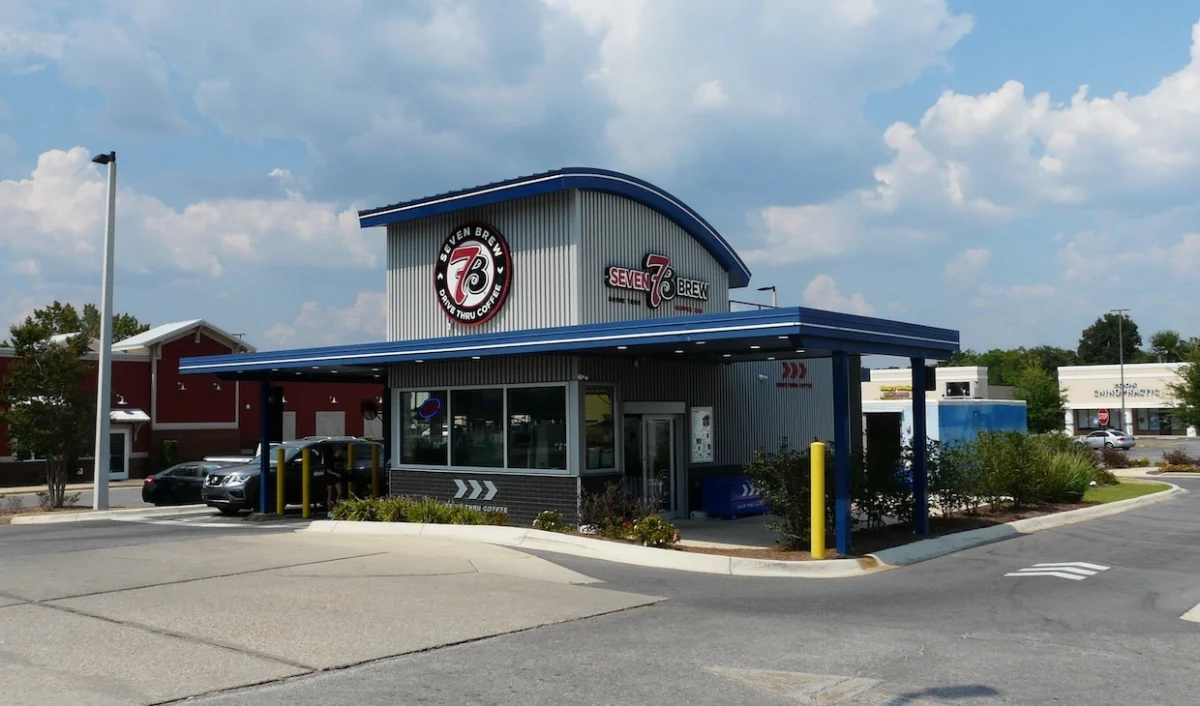
In a significant development within the competitive drive-through service industry, Arkansas-based coffee chain 7 Brew has emerged as the winning bidder in a bankruptcy auction for a substantial portfolio of former Salad and Go locations. The acquisition, valued at approximately $143.2 million, will grant 7 Brew control over 73 prime real estate leases across four states, marking a strategic and rapid expansion for the burgeoning coffee brand. This move effectively sidelines national rival Dutch Bros, which had initially shown interest in acquiring a portion of these shuttered sites.
The Auction Outcome and Key Details
The decisive bid was submitted by Brew Culture LLC, the parent company operating as 7 Brew, through a notice filed on September 1st in the U.S. Bankruptcy Court for the Southern District of Texas. The court officially named 7 Brew as the successful bidder, confirming their offer of roughly $143.2 million. This proposed transaction, contingent upon final bankruptcy court approval, encompasses 73 Salad and Go leases, strategically distributed across key markets. Arizona, a state where Salad and Go was founded, will see the largest influx with 41 locations, followed by Texas with 20, and six each in Nevada and Oklahoma. The deal also includes associated site-related assets and select customer lists, though it notably excludes the Salad and Go brand itself.
Dutch Bros’ Initial Pursuit and Withdrawal
The competitive landscape for these valuable drive-through locations was initially shaped by Arizona-based Dutch Bros. As a significant player in the drive-through coffee market, Dutch Bros had previously expressed strong interest. A subsidiary, Boersma Bros LLC, had initially agreed to acquire assets connected to 51 Salad and Go drive-through locations, primarily in Arizona and Nevada, for a sum of $105 million. This initial agreement also included a provision for taking over an additional 14 leases in Texas and Oklahoma for a nominal fee of $50.
However, in a statement released on August 31st, Dutch Bros announced its decision not to increase its offer for the Salad and Go sites. The company reaffirmed its commitment to its ambitious growth trajectory, aiming to reach 2,029 shops by 2029, a significant expansion from its reported 1,225 locations as of June 30th. This strategic decision by Dutch Bros opened the door for 7 Brew to pursue the larger portfolio without facing further escalation in the bidding war.
Strategic Implications for 7 Brew
The acquisition represents an unprecedented and accelerated expansion opportunity for 7 Brew, particularly in markets where its presence is currently limited. In Arizona, the company currently operates only two shops, and in Nevada, it has yet to establish a physical footprint. The addition of 41 and six locations in these states, respectively, will dramatically increase 7 Brew’s market share and brand visibility. Across the broader U.S., 7 Brew currently boasts over 800 locations spread across 38 states, a testament to its rapid growth since its acquisition in 2020.
The physical footprint of the former Salad and Go restaurants aligns remarkably well with 7 Brew’s established operational model. The chain is known for its compact, double-drive-through format, a design that minimizes physical space requirements and optimizes customer throughput, mirroring the efficient layout of the Salad and Go units. This synergy in physical infrastructure suggests a smoother and more cost-effective integration process for 7 Brew.
The company’s expansion strategy has largely been driven by franchising, a model that has proven effective in scaling its operations. The acquisition of these established sites, complete with existing infrastructure, will likely accelerate this growth and reduce the time and capital typically required for new site development.
Background of Salad and Go
Salad and Go was established in Gilbert, Arizona, in 2013, with a mission to provide a healthier alternative to conventional fast-food offerings. The brand pioneered a unique model that combined small, drive-through-only restaurants with a network of centralized food-production facilities. This approach aimed to ensure freshness and affordability for its health-conscious customer base. At its zenith, Salad and Go operated 146 locations, establishing a notable presence in its home state and beyond.
The company’s financial struggles became apparent in late 2025. In September of that year, Salad and Go closed approximately 41 underperforming locations, signaling early signs of distress. The situation worsened in January when all remaining restaurants in Texas and Oklahoma ceased operations. The final blow came on August 5th, the day before filing for Chapter 11 bankruptcy protection, when the approximately 70 remaining locations across its network were abruptly closed. This rapid decline from a prominent player to bankruptcy underscores the challenges of scaling and maintaining profitability in the fast-casual drive-through segment.
The Broader Impact on the Drive-Through Market
The acquisition by 7 Brew of the Salad and Go locations is more than just a real estate transaction; it represents a significant shift in the competitive landscape of the drive-through service industry. The rapid expansion of brands like 7 Brew and Dutch Bros highlights a consumer preference for convenience and speed, particularly in the post-pandemic era. The success of this model is predicated on efficient operations, strategic site selection, and an understanding of local consumer demand.
The bankruptcy of Salad and Go, a company that aimed to disrupt the fast-food industry with a health-focused offering, also serves as a cautionary tale. While innovation is crucial, the ability to adapt to market dynamics, manage operational costs, and maintain consistent customer demand are equally vital for long-term survival. The failure of Salad and Go to achieve sustainable profitability, despite its initial promise, may indicate the intense competition and high operational costs associated with the drive-through model, even for those offering perceived healthier options.
For 7 Brew, this acquisition is a bold strategic move that could solidify its position as a major national competitor. By acquiring prime real estate and established drive-through infrastructure at a bankruptcy auction, the company is able to bypass many of the typical hurdles and costs associated with new market entry. This allows for a more aggressive and rapid expansion, potentially outpacing competitors who rely on traditional development methods.
The influx of 7 Brew locations into Arizona and Nevada could also influence consumer choices and the competitive environment for other beverage and fast-food providers in those states. The company’s focus on a double-drive-through model, coupled with a diverse menu of coffee, energy drinks, and other beverages, offers a compelling value proposition for consumers seeking quick and convenient options.
Looking Ahead: The Future of Drive-Through Brands
The drive-through segment of the food and beverage industry continues to demonstrate robust growth, driven by evolving consumer lifestyles and technological advancements that enhance efficiency. The success of brands like 7 Brew and Dutch Bros, and the struggles of Salad and Go, offer valuable insights into the factors that contribute to success and failure in this dynamic market.
For 7 Brew, the integration of the former Salad and Go sites will be a critical next step. The company will need to effectively transition these locations into its operational fold, ensuring brand consistency, maintaining quality standards, and fostering customer loyalty. The company’s proven franchising model, combined with its strategic acquisition approach, positions it for continued expansion.
The competitive response from other national and regional players will also be a key factor to watch. As 7 Brew consolidates its gains, other drive-through brands will likely intensify their efforts to capture market share and innovate to meet consumer demands. The ongoing evolution of consumer preferences, including a potential growing interest in healthier and more sustainable options, will also shape the future of this sector.
The outcome of this bankruptcy auction is a clear indicator of the strategic importance of prime drive-through real estate and the aggressive growth ambitions of major players in the industry. 7 Brew’s decisive bid signals a strong intent to capitalize on this opportunity and further cement its position as a dominant force in the rapidly expanding drive-through market. The coming months will reveal the full impact of this acquisition on 7 Brew’s expansion strategy and the broader competitive landscape.
