


The culinary landscape is continually evolving, driven by consumer demand for healthier options that do not compromise on taste or texture. A significant development in this regard is the widespread adoption of the air fryer, an appliance that has dramatically transformed how classic comfort foods, particularly fried chicken, are prepared at home. By utilizing rapid air circulation, air fryers deliver the coveted crispy exterior of deep-fried chicken with a fraction of the oil, presenting a compelling alternative for health-conscious individuals and busy households alike. This innovation underscores a broader trend in food preparation, where technology enables healthier reinterpretations of beloved dishes, making them more accessible and less guilt-inducing.
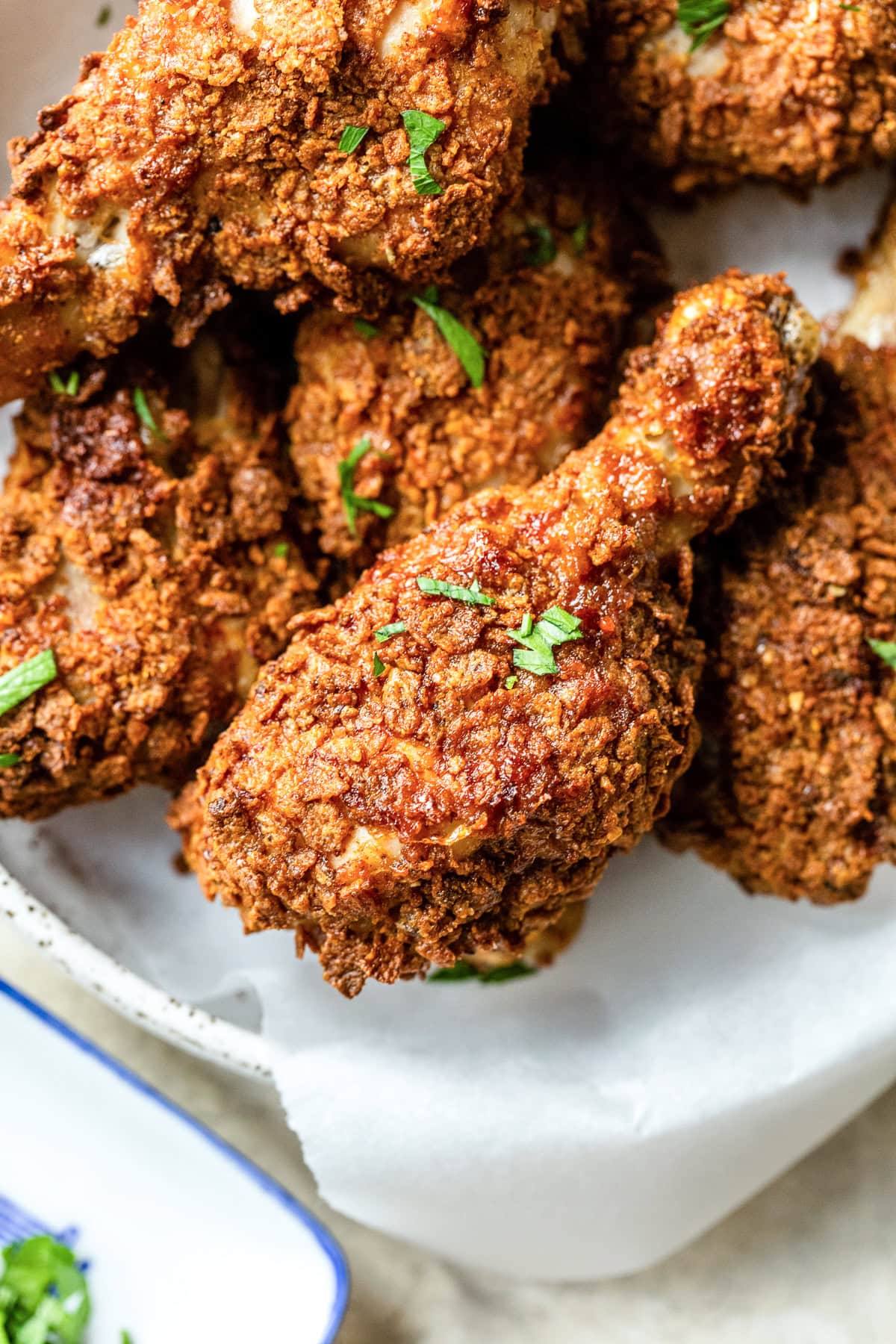
The allure of fried chicken has spanned generations and cultures, cementing its status as a global comfort food. Traditionally, achieving its signature crispy skin and juicy interior involved submerging chicken pieces in a bath of hot oil, a method known for its rich flavor but also its substantial fat content. For decades, this indulgent preparation was a treat reserved for special occasions or restaurant visits, primarily due to the mess, time, and health implications associated with deep frying at home. Efforts to lighten this classic, such as oven-frying, provided a less oily alternative but often fell short in replicating the intense crispness characteristic of deep-fried versions. The advent of the air fryer has, however, largely bridged this gap, offering a superior texture profile that rivals its deep-fried counterpart while significantly reducing the oil requirement.
The air fryer, often perceived as a miniature convection oven, operates by circulating superheated air around food at high speeds. This process creates a Maillard reaction on the food’s surface, leading to browning and crisping without the need for vast quantities of oil. For fried chicken, this translates to a golden, crunchy coating and tender, succulent meat, mimicking the sensory experience of deep-frying but with a starkly different nutritional outcome. Culinary experts have noted that this technology taps into a fundamental human preference for crispy textures, allowing consumers to indulge in these sensations more frequently and sustainably within a balanced diet.

From a health perspective, the shift from deep-frying to air frying represents a substantial improvement. Traditional deep-fried chicken can absorb a considerable amount of oil, leading to high levels of saturated and trans fats, which are linked to increased risks of cardiovascular disease, obesity, and other chronic health conditions. In contrast, air-fried chicken typically uses only a tablespoon or two of oil, or even just a light spray, resulting in a significant reduction in caloric and fat intake. According to data from the Centers for Disease Control and Prevention (CDC) and the American Heart Association, reducing dietary saturated and trans fats is a critical component of preventing heart disease. The air fryer aligns perfectly with these public health recommendations, offering a practical tool for consumers to prepare healthier meals without sacrificing flavor or culinary satisfaction. Nutritional analyses of air-fried chicken show a considerable decrease in total fat and calories, making it a viable option for those managing weight or adhering to dietary restrictions. For instance, a typical serving of air-fried chicken drumsticks, prepared with a light coating and minimal oil, might contain around 386 calories, 12 grams of fat (with only 2 grams saturated), and 55 grams of protein, a stark contrast to the often double or triple fat content of a deep-fried equivalent.
The method for preparing air-fried chicken, as exemplified by popular recipes, often involves an innovative approach to breading. Instead of a traditional flour and egg dredge, many recipes opt for a binder like light mayonnaise, which helps the breading adhere and contributes to moisture, followed by a seasoned coating. A particularly effective coating often involves crushed bran flakes mixed with various spices such as kosher salt, black pepper, garlic powder, onion powder, and paprika. This combination provides a distinct crunch and flavor profile. The use of kosher salt, with its larger crystal size, is frequently specified, implying a need for careful measurement if substituting with finer table salt to avoid over-salting. After coating, a crucial step involves a light spray of olive oil, which acts as a catalyst for browning and crisping in the air fryer, often applied once before cooking and again after flipping the chicken halfway through the process. This two-stage oil application ensures an even, golden-brown finish.

The chronology of the air fryer’s ascent to kitchen staple is relatively recent. While convection ovens have existed for decades, the compact, countertop air fryer gained significant traction in the mid-2010s. Early adopters praised its ability to quickly "fry" foods with less oil, initially focusing on items like french fries and frozen snacks. However, its versatility quickly became apparent, leading to an explosion of recipes for main courses, including meats, vegetables, and even desserts. Food bloggers and culinary websites played a pivotal role in popularizing these new applications, demonstrating the appliance’s capabilities and providing accessible recipes. The rapid growth of the air fryer market, with global sales soaring year-over-year, indicates a strong consumer interest in efficient, healthier cooking solutions. Major appliance manufacturers have responded by continuously innovating, introducing models with larger capacities, smarter features, and more intuitive controls, further cementing the air fryer’s place in modern kitchens.
One of the most appealing aspects for home cooks is the convenience and reduced mess associated with air frying. Unlike deep-frying, which requires handling large volumes of hot oil, dealing with splatters, and disposing of used oil, air frying is a relatively clean process. Lining the air fryer basket with perforated parchment paper can simplify cleanup even further, preventing food from sticking and minimizing residue. The cooking time for air-fried chicken drumsticks is remarkably efficient, typically ranging from 22 to 24 minutes at 370°F (approximately 188°C), which is considerably faster than conventional oven baking, which might take 40-45 minutes. This speed makes air-fried chicken a viable option for weeknight dinners, appealing to families seeking quick yet wholesome meal solutions. Critical to ensuring food safety and optimal doneness, culinary guidelines emphasize the use of an instant-read thermometer to confirm chicken reaches an internal temperature of 165°F (74°C).

The versatility of air-fried chicken extends beyond the basic drumstick. While drumsticks are a popular choice due to their consistent cooking and juicy texture, other cuts like thighs, wings, and even boneless breasts can be adapted for air frying with minor adjustments to cooking time and temperature. Seasoning variations offer endless possibilities, allowing cooks to customize the flavor profile to their preference. From classic Southern spices to smoky paprika, zesty lemon-herb blends, or fiery cayenne pepper, the air fryer accommodates a wide array of culinary explorations. Furthermore, the accompanying dishes can range from traditional Southern comfort foods like mashed potatoes, coleslaw, and macaroni and cheese to lighter, vegetable-focused sides such as roasted broccoli, corn on the cob, or a fresh garden salad, catering to diverse dietary needs and preferences.
The broader implications of the air fryer’s impact on food culture are significant. It has empowered home cooks to reclaim control over their dietary choices, offering a practical tool to enjoy traditionally high-fat dishes in a more health-conscious manner. This aligns with a global movement towards mindful eating and healthier lifestyles, where consumers are increasingly seeking ways to balance indulgence with wellness. Appliance manufacturers and food companies are also adapting, with a growing number of products specifically designed for air fryer use, from pre-seasoned meats to specially formulated breadings. The continued innovation in air fryer technology, alongside the proliferation of creative recipes, suggests that this appliance is not merely a passing fad but a foundational shift in how many households approach meal preparation.

In conclusion, the air fryer has not just offered an alternative cooking method; it has initiated a quiet revolution in home kitchens, particularly for cherished dishes like fried chicken. By marrying the desire for crispy, flavorful food with the imperative for healthier eating, it addresses a core tension in modern diets. The ease of use, reduced mess, faster cooking times, and significant health benefits underscore its transformative power. As consumer awareness around diet and health continues to grow, and as culinary technology advances, the air fryer stands as a testament to how innovation can enhance quality of life, allowing individuals to savor their favorite foods in a way that supports their overall well-being.
