

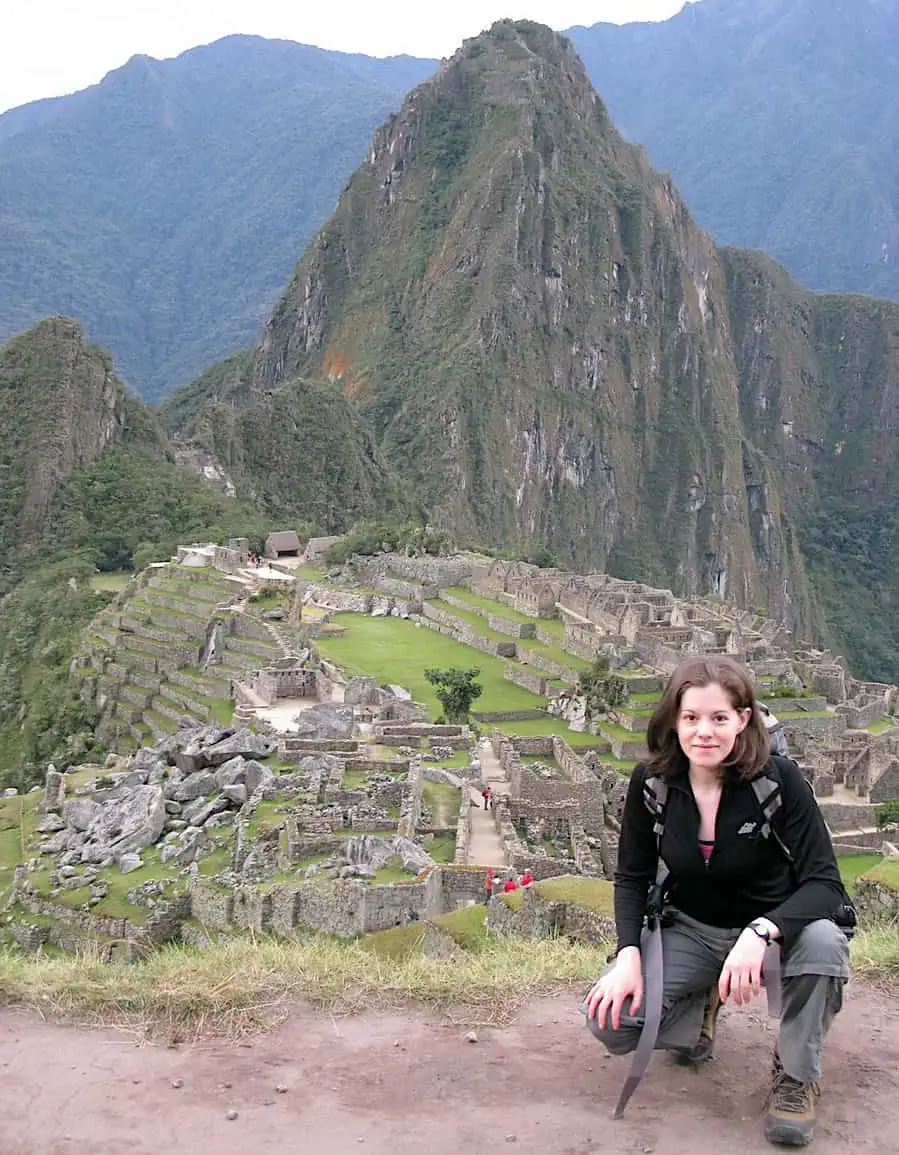
The life of Jodi Ettenberg, a former corporate lawyer and the founder of the travel platform Legal Nomads, has become a significant case study in the intersection of chronic illness, psychological resilience, and the unexpected restoration of personal history. After a series of life-altering events—ranging from a debilitating medical injury in 2017 to the miraculous recovery of digital archives lost nearly fifteen years ago—Ettenberg’s narrative provides a profound look into the concept of "living grief" and the societal challenges faced by those with invisible disabilities. Her journey, which transitioned from climbing Indonesian volcanoes to a predominantly bed-bound existence, highlights the fragility of physical health and the enduring power of human serendipity.
The 2017 Medical Inflection Point and the Reality of Spinal CSF Leaks
The trajectory of Ettenberg’s life shifted irrevocably in August 2017, just one week after her birthday. Following a lumbar puncture—a routine medical procedure intended to diagnose or treat various conditions—she sustained a spinal cerebrospinal fluid (CSF) leak. A spinal CSF leak occurs when a hole or tear forms in the dura mater, the tough outer membrane that holds the fluid surrounding the brain and spinal cord. When this fluid escapes, the brain loses its buoyant cushion, often leading to "orthostatic headaches," which are characterized by severe pain that intensifies when the patient is upright and dissipates when lying flat.
Medical data suggests that spontaneous spinal CSF leaks affect approximately 5 in 100,000 people annually, though iatrogenic leaks (those caused by medical procedures like lumbar punctures) are a recognized complication. For Ettenberg, the condition became chronic and "unfixable," despite a brief period of success following a blood patch procedure in 2018. This condition effectively ended her career as a world-traveling food writer and advocate, forcing her into a life of limited mobility and "living grief."
The Chronology of Physical Trauma: From 1980 to the Present
To understand Ettenberg’s current medical complexity, one must look back to a formative injury sustained in the mid-1980s. At the age of six, while playing on a playground structure in Montreal, Ettenberg was intentionally stepped on by another child, causing her to fall roughly 12 feet onto a cement surface. In the 1980s, playground safety standards were significantly less stringent than modern regulations, often lacking the rubberized flooring and guardrails now common in municipal parks.
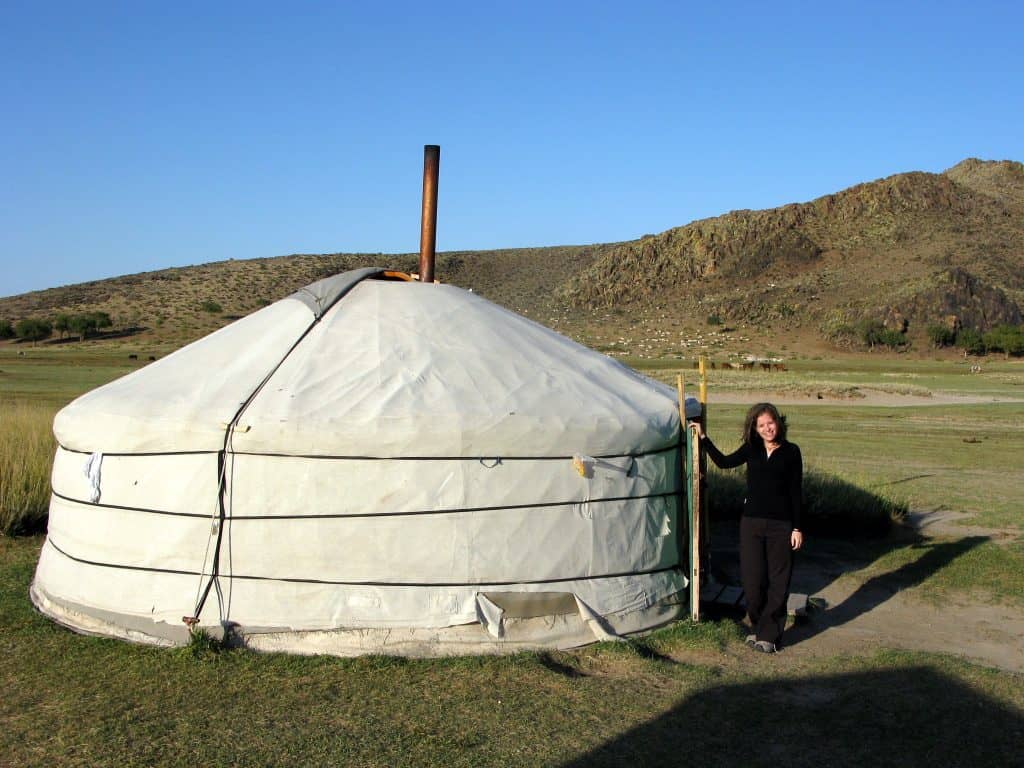
While she miraculously escaped paralysis, the fall resulted in a fractured rib and long-term spinal sensitivity. This early trauma created a physiological baseline of pain that Ettenberg managed for decades, attributing her discomfort to the fall rather than the underlying genetic issues, such as Ehlers-Danlos Syndrome (EDS), which are often comorbid with spinal CSF leaks. Despite this, she established a tradition of climbing mountains on her birthday—climbing Gunung Rinjani in Indonesia and South Sister in Oregon—as a way to reclaim her body from the "what ifs" of her childhood accident. That tradition was halted by the 2017 injury, creating what she describes as a "void" in her annual commemorations.
Understanding Living Grief and Ambiguous Loss
A central theme of Ettenberg’s recent reflections is the distinction between bereavement grief and "living grief." While bereavement follows the finality of death, living grief involves the ongoing loss of function, identity, and autonomy associated with chronic illness.

Ettenberg references the work of Dr. Pauline Boss, who in 1999 pioneered the theory of "Ambiguous Loss." This psychological framework describes losses that remain unclear and unresolved. Traditionally applied to families of those with dementia or soldiers missing in action, the concept is increasingly used to describe the experience of the chronically ill. In these cases, the person is physically present but the "version" of themselves that could work, travel, or socialize is absent.
The societal implications of this type of grief are significant. Unlike the structured rituals of mourning a death—such as funerals or established periods of bereavement—living grief lacks a social roadmap. Ettenberg notes that patients with chronic, invisible illnesses often face "othering" or "blaming," where friends, family, or society at large may suggest that the patient is not "fighting hard enough" to recover. This disconnect between the expectation of linear medical progress and the reality of fluctuating disability leads to profound social isolation.
The Brooklyn Burglaries: A Double Loss of Identity
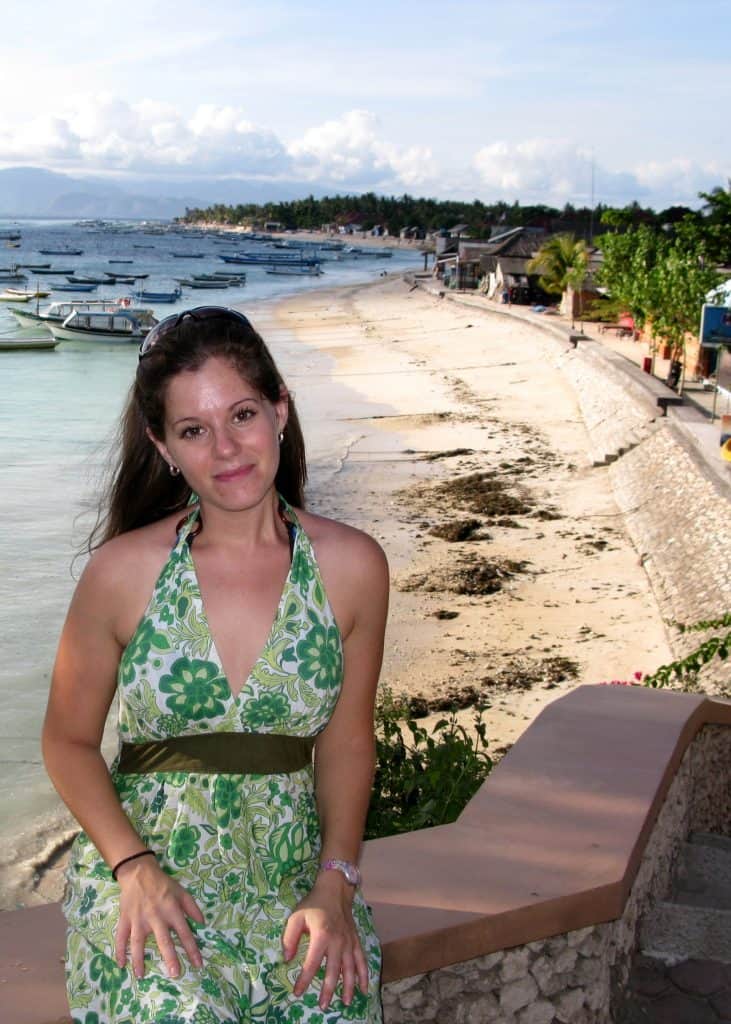
Intertwined with Ettenberg’s medical struggles is a history of significant property crime that resulted in the loss of her professional and personal archives. In 2010, while living in Brooklyn, Ettenberg’s apartment was burgled. The thief stole her laptop and all her external hard drives, which contained the only copies of her photos from her original round-the-world trip (2008–2010), her law school graduation, and irreplaceable family photos. At the time, cloud storage was not yet the industry standard, and the loss was deemed permanent.

In a bizarre coincidence, a second burglary occurred in 2017, at the exact time Ettenberg was undergoing the lumbar puncture that would disable her. While this second theft resulted in the loss of hardware, her adoption of cloud backups after the 2010 incident prevented a second total loss of data. However, the 2010 archives remained missing for nearly fifteen years, serving as a digital metaphor for the life she could no longer lead.
The Digital Restoration: A Flea Market Miracle
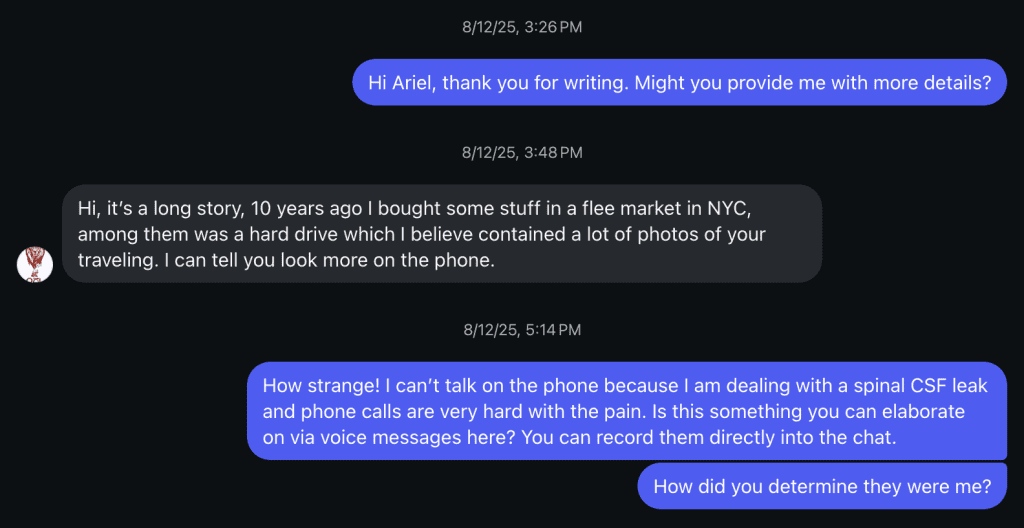
The narrative took an unexpected turn in August 2023, shortly before Ettenberg’s 46th birthday. She was contacted via Instagram by Ariel, a New York City-based filmmaker. Ariel reported that over a decade prior, he had purchased several used external hard drives at a Brooklyn flea market from an elderly vendor.

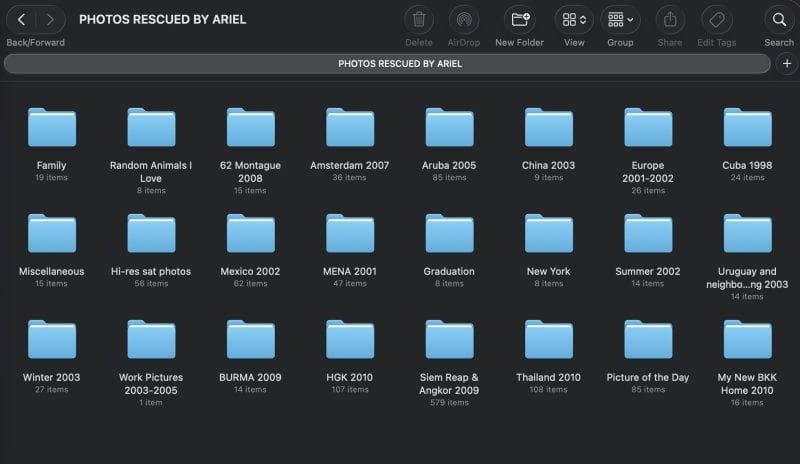
Upon attempting to reformat the drives, Ariel discovered thousands of personal photos. Recognizing that the images represented significant life milestones—including a graduation and global travel—he chose to back up the data onto his own servers before reformatting the original drives. He intended to find the owner, but personal tragedies and the demands of his career as a filmmaker delayed the search for years.
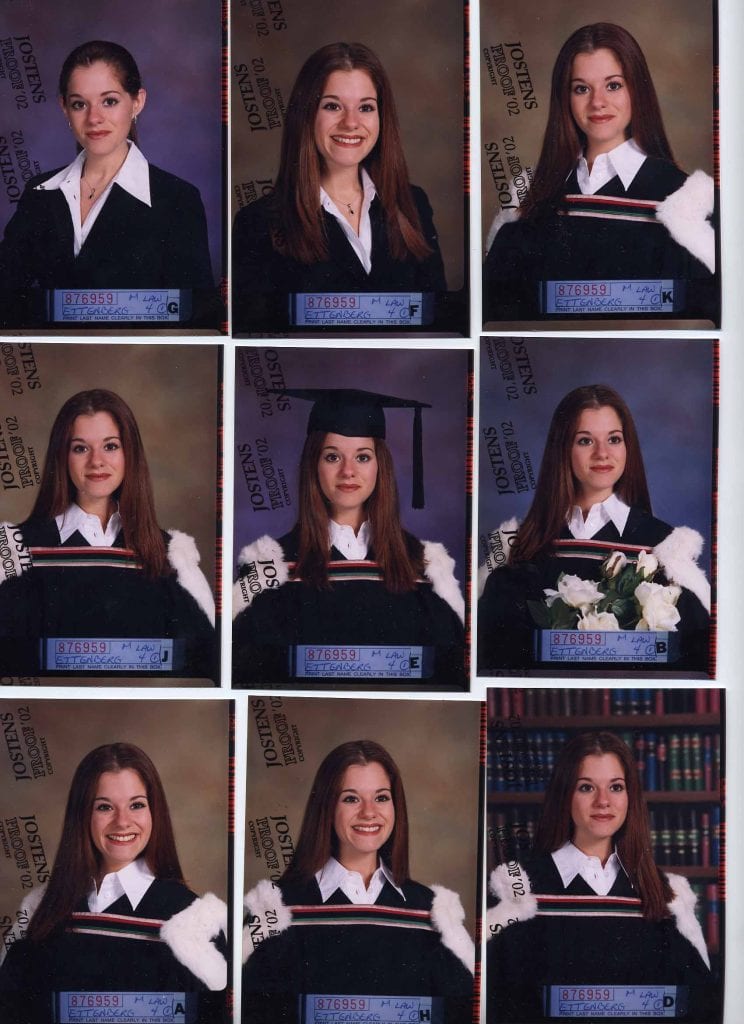
In 2023, Ariel rediscovered the folders and used the names visible on graduation proofs to track Ettenberg down through social media. The verification process was straightforward; despite the years that had passed, Ariel and Ettenberg’s peers noted that her appearance remained easily recognizable. On her birthday, Ariel provided Ettenberg with a download link containing the entirety of her lost 2010 archives.
Impact and Implications: The Role of Memory in Chronic Illness
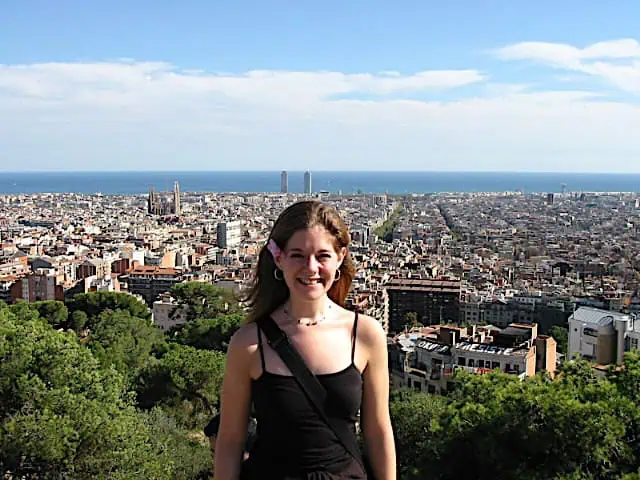
The recovery of these memories has had a documented impact on Ettenberg’s psychological state. For years, she had avoided looking at travel-related content, as the "granularity of loss" was too painful to confront. However, the return of the photos provided a new perspective, allowing her to transition from a state of mourning for her lost life to a state of wonder at what she had accomplished.
This event highlights several broader implications for the chronic illness community:
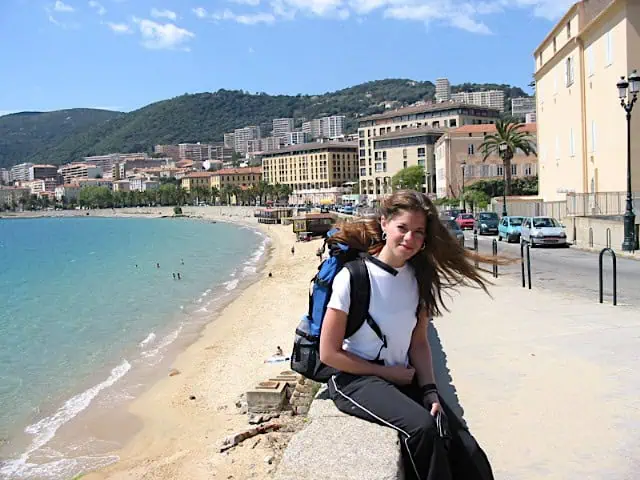
- The Importance of Personal Narrative: For those whose futures are limited by disability, the ability to access and "own" their past is vital for maintaining a sense of self.
- The Ethics of Digital Citizenship: Ariel’s decision to preserve and eventually return the data, rather than deleting it, represents an act of digital altruism that restored a decade of history to a stranger.
- The Complexity of Invisible Disability Advocacy: Ettenberg’s story continues to bring attention to the "spinal CSF leak" community, a group that often struggles for diagnosis and validation within the traditional medical system.
Conclusion: Navigating the 40s from a Bed-Bound Perspective
As Jodi Ettenberg enters her 47th year, her life remains a study in contradictions. She is a world traveler who is now mostly confined to a bed; she is a former lawyer who now advocates for patient rights; and she is a victim of multiple thefts who has been the recipient of extraordinary human kindness.

While the "living grief" of her condition remains a daily challenge, the restoration of her digital memories has provided a "bright spot" in a decade defined by physical limitations. Her experience serves as a reminder that while medical science may not yet have the tools to fix every physical ailment, the combination of community support, psychological reframing, and serendipitous acts of kindness can provide a different kind of healing. Ettenberg continues to write and advocate from Ottawa, Canada, contributing to medical papers and sharing her journey with a global audience that has followed her from the peaks of Bali to the quiet resilience of her current life.
