

The landscape of the global gin market underwent a seismic shift in 1999 when William Grant & Sons introduced Hendrick’s Gin. Produced at the Girvan Distillery in Scotland, the brand did not merely enter the market; it redefined the "super-premium" category by pivoting away from the traditional London Dry style. By incorporating essences of Bulgarian rose and cucumber, Hendrick’s paved the way for the "New Western" or "Contemporary" gin movement. In recent years, under the guidance of Master Distiller Lesley Gracie, the brand has expanded this legacy through the "Cabinet of Curiosities," a series of limited-edition experimental releases. As of September 2024, the portfolio has grown to include several distinct expressions, each attempting to capture a specific botanical theme or atmosphere. Analyzing these releases from the least successful to the most definitive reveals the complexities of modern flavor science and the challenges of balancing innovation with the core identity of a legacy brand.
The Genesis of the Cabinet of Curiosities
The Cabinet of Curiosities project was officially inaugurated with the opening of the Hendrick’s Gin Palace in 2018. This $17 million facility in Girvan serves as a center for botanical research and experimental distillation. Lesley Gracie, who has been with the brand since its inception, utilizes the "Cabinet" as a platform to release small-batch, time-limited expressions that explore flavors beyond the signature rose and cucumber profile. These releases are typically available for approximately 12 to 24 months before being replaced by the next "curiosity," creating a sense of urgency and collectability in the spirits market. This strategy aligns with broader industry trends toward premiumization and limited-edition marketing, which have seen the global gin market grow to a valuation of approximately $14 billion as of 2023.
Chronology of Major Releases
The timeline of the Hendrick’s portfolio reflects a strategic cadence of innovation designed to maintain consumer interest in an increasingly crowded artisanal market:
- 1999: Launch of the original Hendrick’s Gin.
- 2017/2018: Introduction of Hendrick’s Orbium, initially as a bartender-focused release.
- 2019: Release of Midsummer Solstice and the travel-retail exclusive Amazonia.
- 2021: Launch of Hendrick’s Lunar.
- 2022: Introduction of the maritime-themed Neptunia.
- 2023: Release of the floral-heavy Flora Adora.
- 2024: Launch of Grand Cabaret, inspired by 17th-century fruit distillates.
Detailed Analysis and Ranking of the Portfolio
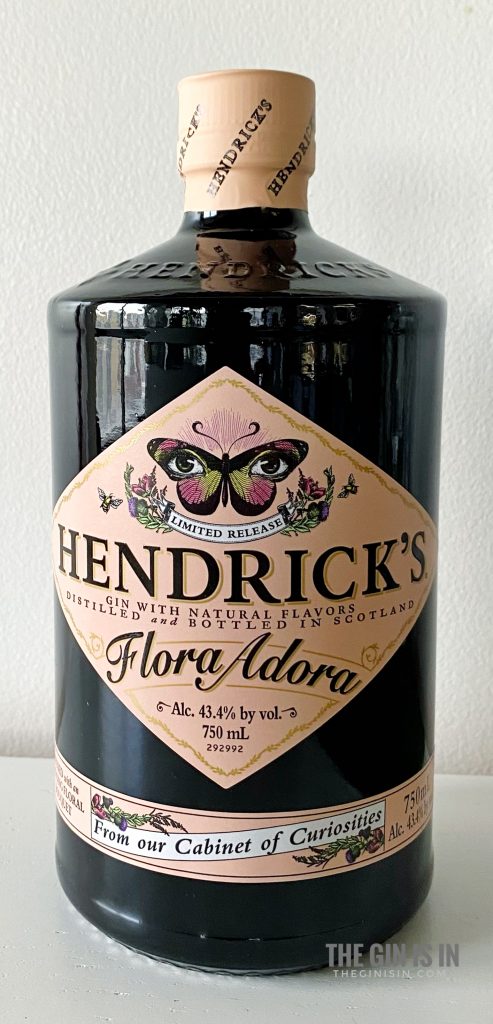
8: Hendrick’s Flora Adora (2023)
Introduced in 2023, Flora Adora was marketed as a tribute to the pollinators of the Scottish coast. The botanical bill features lavender, hibiscus, and rose, aiming for a garden-fresh aroma. However, market reception has been polarized. While the gin offers a complex nose of honeysuckle and tuberose, the palate is frequently described as overwhelming. The intensity of the floral agents, particularly the lavender, can lead to a "soapy" finish when mixed, a common pitfall in floral-forward spirits. Industry analysts suggest that Flora Adora represents an extreme in the "contemporary gin" spectrum, potentially alienating those who prefer the structural integrity of juniper.
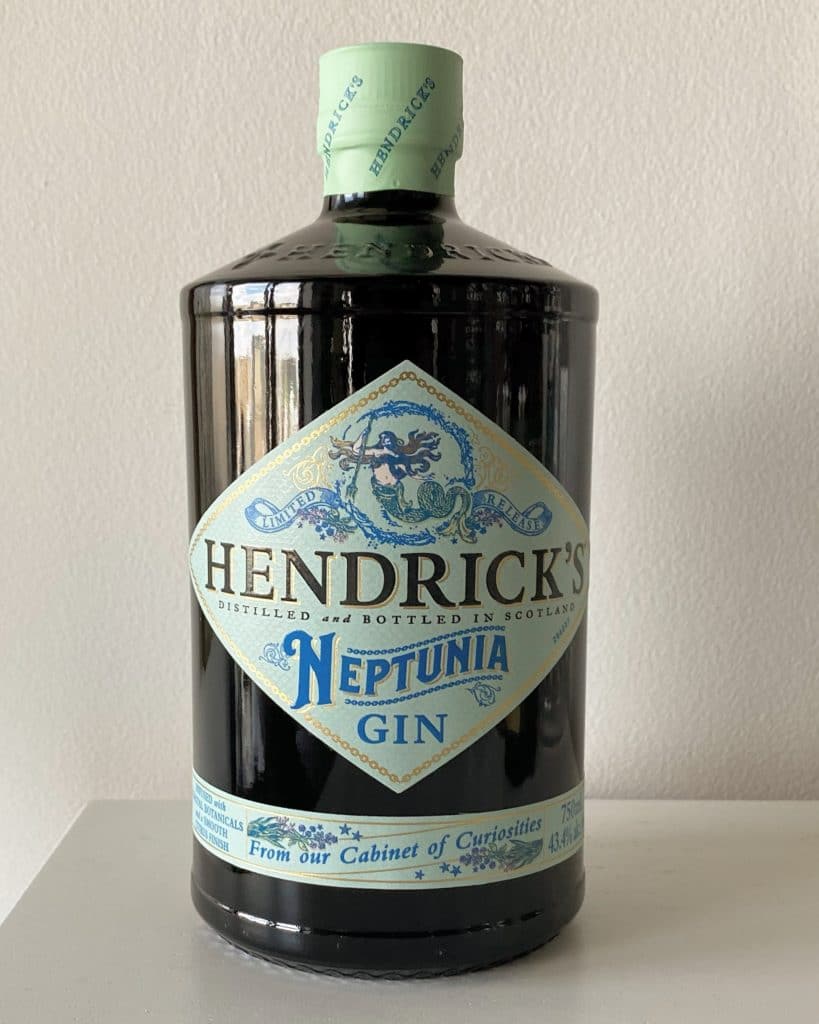
7: Hendrick’s Neptunia (2022)
Neptunia sought to capture the "maritime" trend that has gained traction with brands like Gin Mare. It utilizes coastal botanicals to create a briny, savory profile. The initial citrus notes transition into a finish that suggests sea salt and herbal scrub. While technically proficient, Neptunia is often cited as a challenging mixer. Its savory character can clash with traditional tonic waters, and critics have described the flavor profile as "chaotic," attempting to balance floral, herbal, and saline notes without a clear dominant theme. Despite this, it remains a favorite among enthusiasts of the "savory gin" movement.
6: Hendrick’s Amazonia (2019)
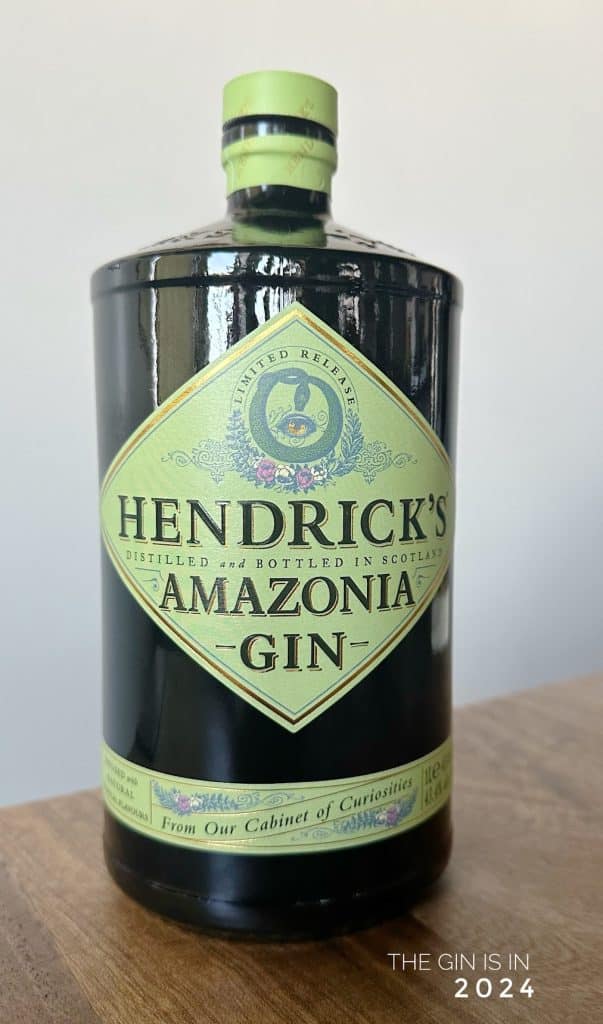
Originally released as a Travel Retail exclusive, Amazonia was inspired by Gracie’s 2013 expedition to the Venezuelan rainforest. The gin incorporates tropical elements, with a heavy emphasis on fruit notes that mirror pineapple and passionfruit. While it features high-quality botanicals like tonka bean and pink peppercorn, the "fruit-heavy" nature of the distillate moves it significantly away from the traditional gin identity. It is often viewed more as a novelty or a base for tropical cocktails (such as a French 75 variant) rather than a versatile staple for the home bar.
5: Hendrick’s Lunar (2021)
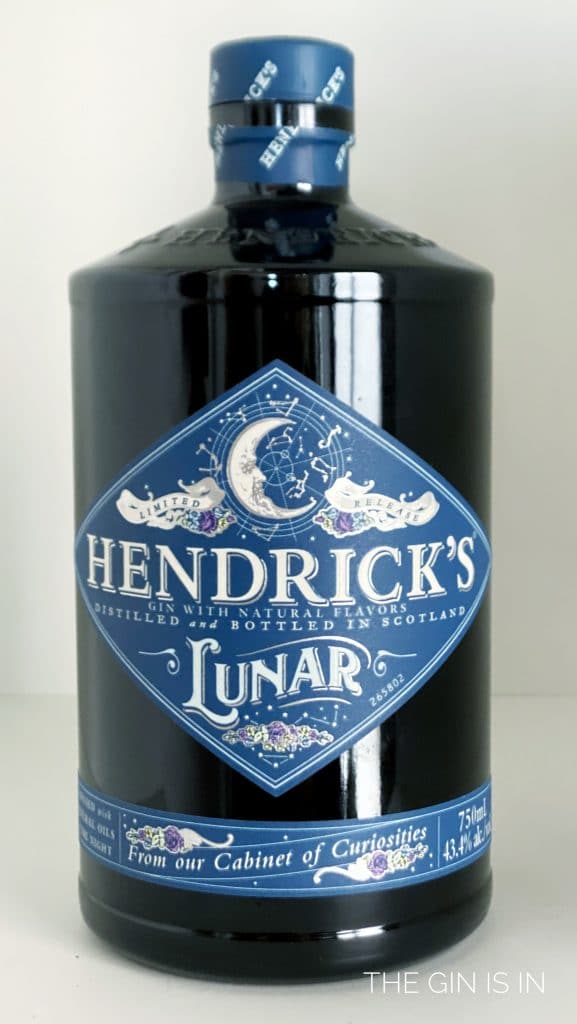
Launched during a period of high home-consumption during the global pandemic, Lunar was marketed as a "nocturnal" gin. It emphasizes warmth and spice over the bright citrus of the flagship. The palate features violet and jasmine balanced by black peppercorn and coriander. Lunar is widely regarded as a successful mid-tier release because it maintains a respectable balance between its floral nose and its spicy heart. It functions well in both a classic Negroni and a standard Gin and Tonic, appealing to those who find the original Hendrick’s too light.
4: Hendrick’s Orbium (2017)
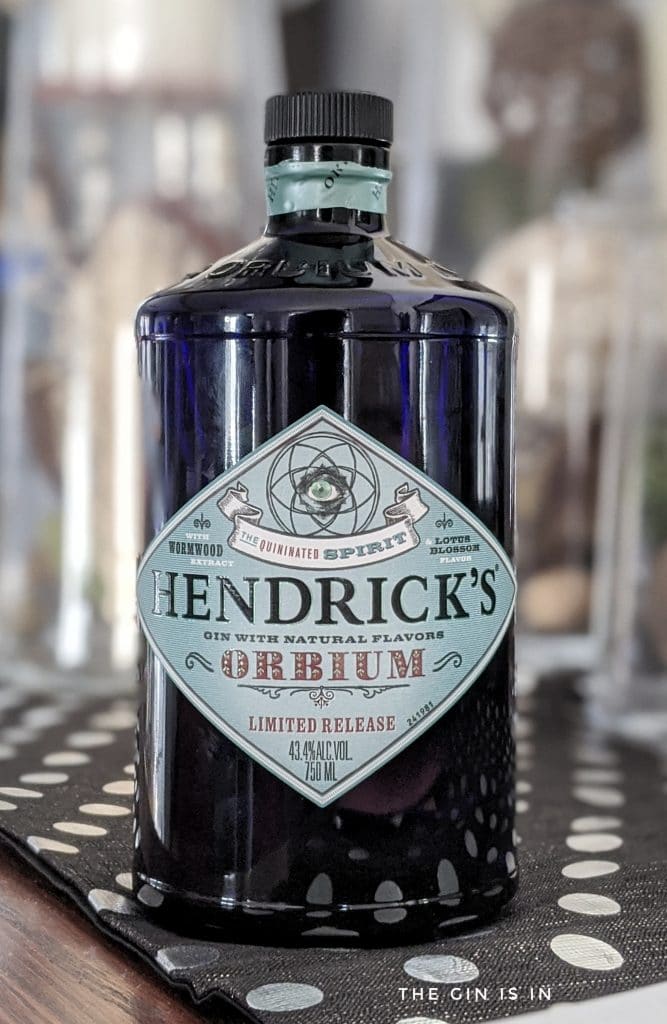
Orbium represents the most "intellectual" of the releases. By adding quinine, wormwood, and blue lotus blossom post-distillation, Gracie created a gin that essentially contains the DNA of a cocktail within the spirit itself. The bitterness of the wormwood and quinine provides a structural depth that is rare in contemporary gins. While polarizing due to its inherent bitterness, Orbium is highly respected by professional bartenders for its ability to stand up in a Martini or a Gin and Tonic without the need for high-sugar mixers.
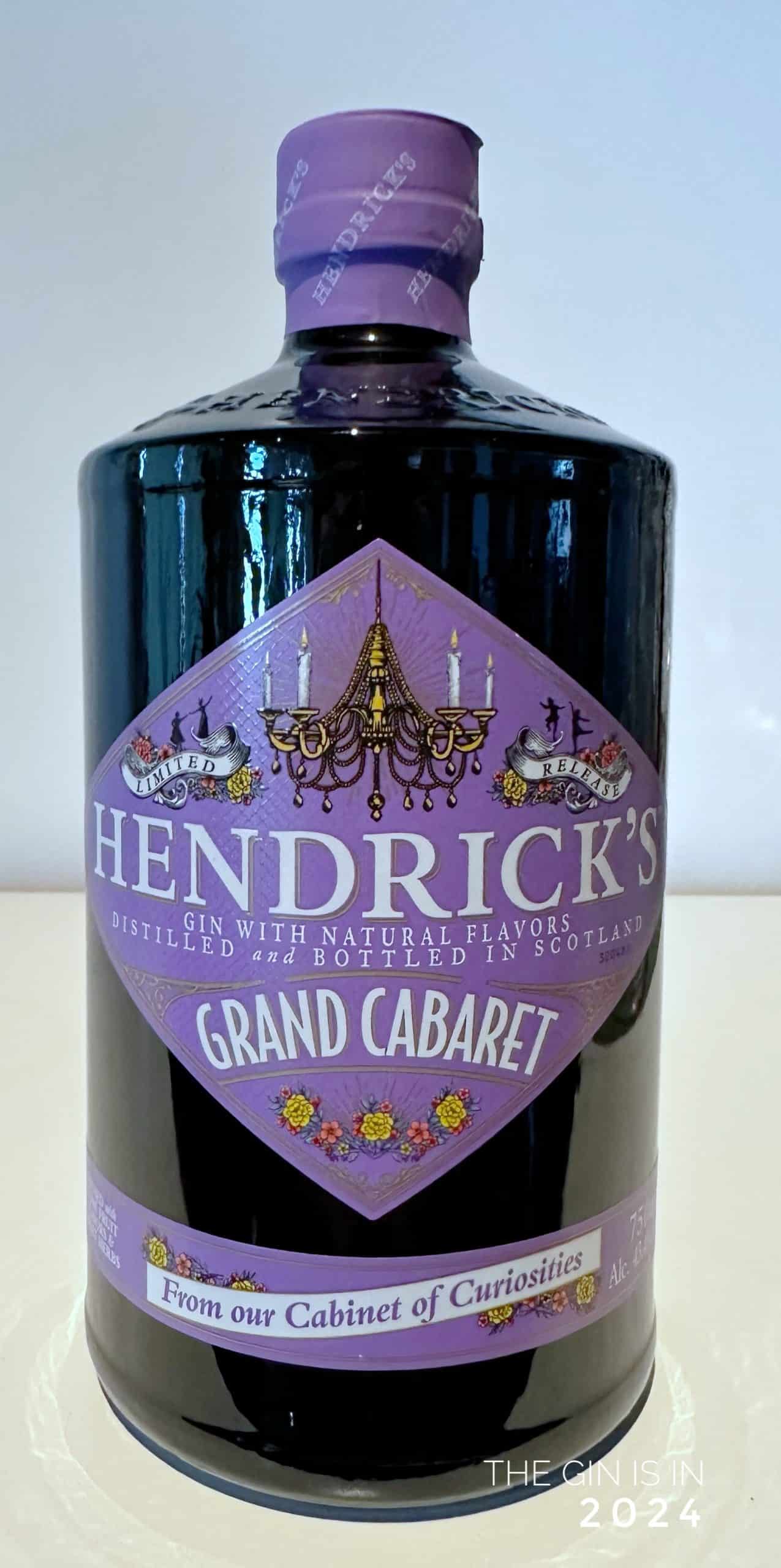
3: Hendrick’s Grand Cabaret (2024)
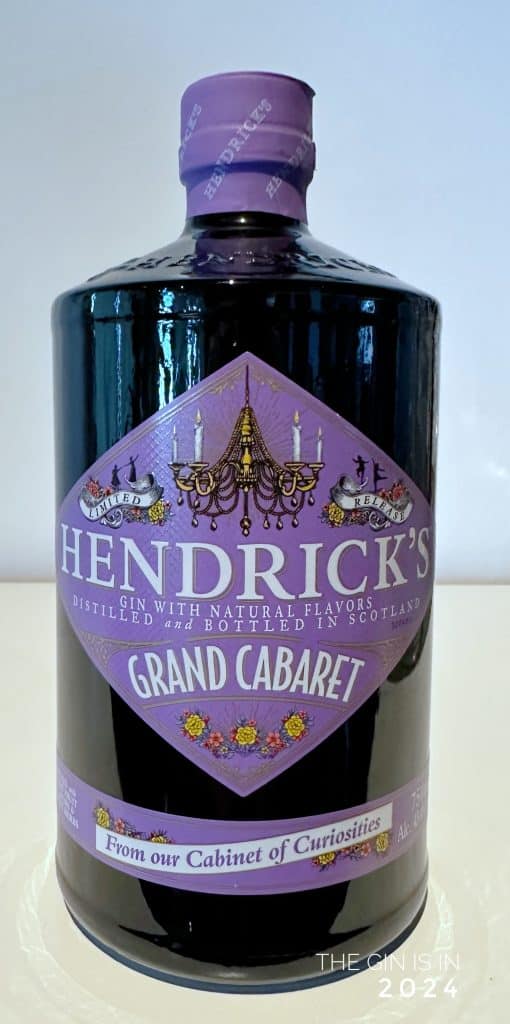
The most recent addition to the Cabinet, Grand Cabaret, draws inspiration from historic stone fruit distillates of the 17th century. Focusing on apricot and mirabelle plum, the gin offers a decadent, jammy profile that is surprisingly well-anchored by juniper and elderflower. Unlike the earlier fruit-forward Amazonia, Grand Cabaret manages to feel sophisticated rather than "tropical," making it a highly effective component for light, effervescent drinks like a Gin Fizz or a Spritz.
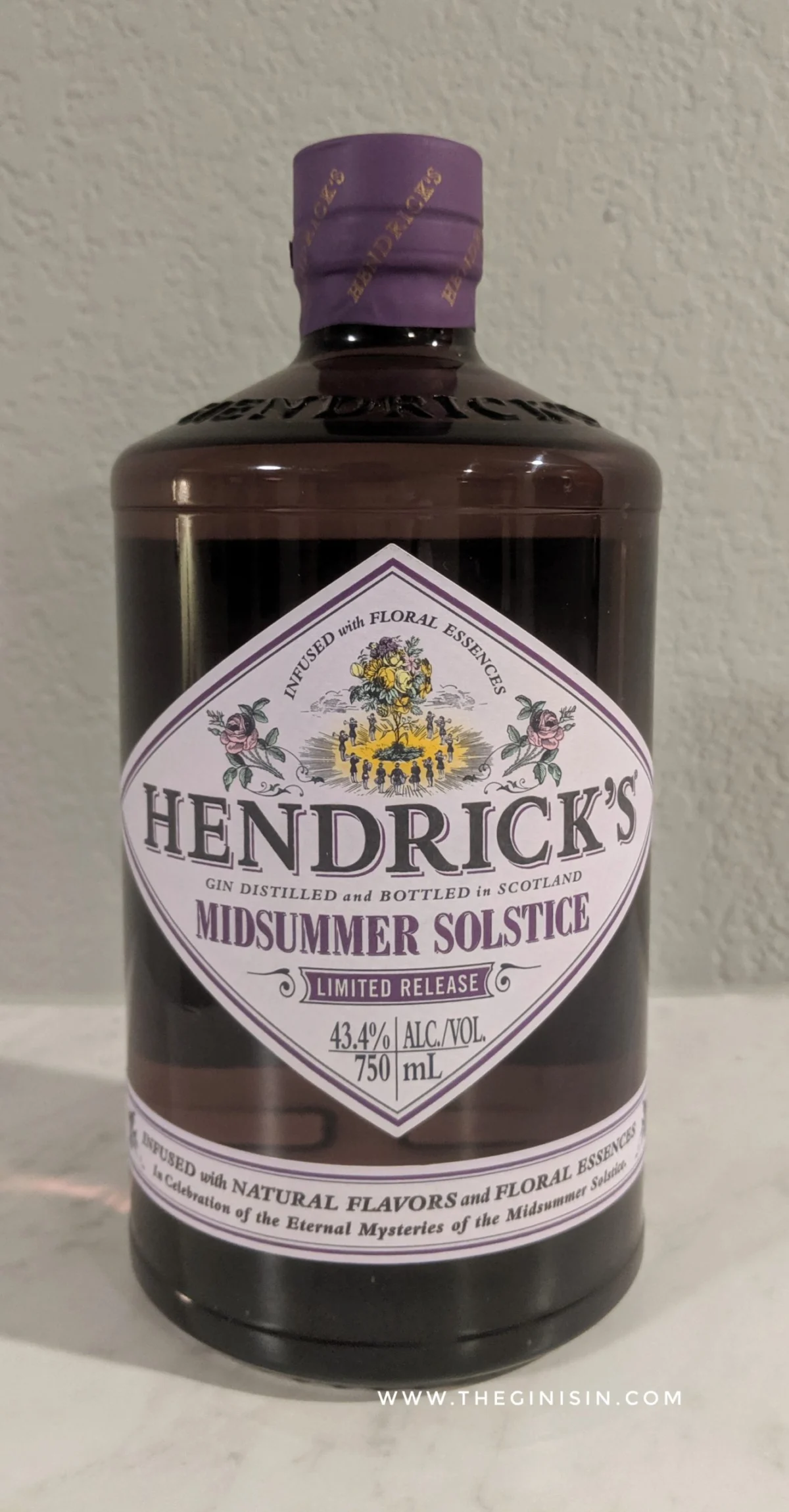
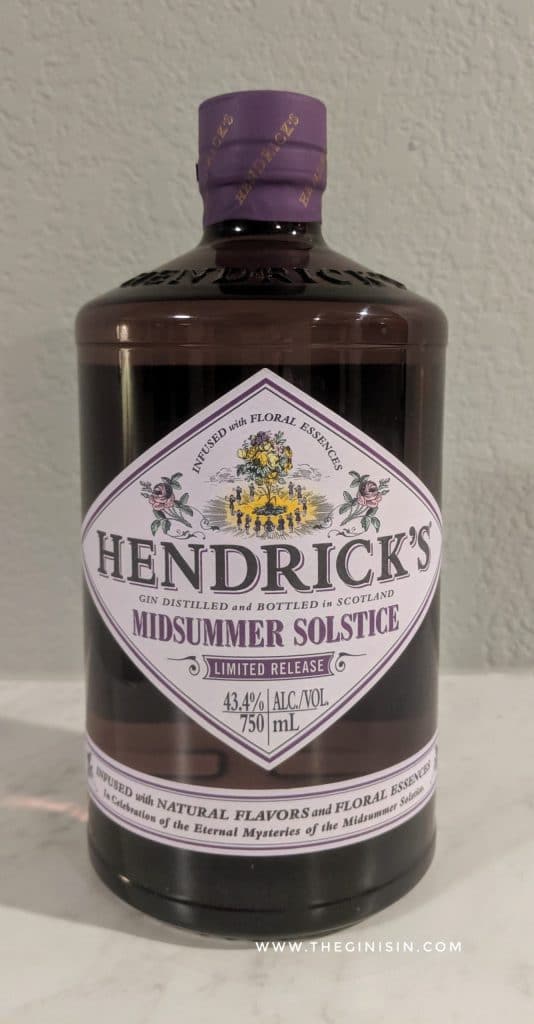
2: Hendrick’s Midsummer Solstice (2019)
For many enthusiasts, Midsummer Solstice remains the high-water mark of the experimental series. It successfully captured the "pink gin" trend without relying on artificial coloring or excessive sugar. The infusion of "deeply floral" essences resulted in a spirit that tasted of raspberry, strawberry, and rose, yet retained enough juniper to be unmistakably gin. Its discontinuation led to a secondary market for remaining bottles, highlighting its status as the most commercially and critically successful limited edition in the brand’s history.
1: Hendrick’s Flagship (1999)
Despite 25 years of competition and internal experimentation, the original Hendrick’s Gin remains the gold standard of the portfolio. Its success is rooted in its unique production method: the blending of spirits from two different stills. The Bennett, an antique copper pot still, produces a heavy, oily spirit with deep botanical flavors. The Carter-Head still produces a much lighter, more delicate spirit. When these are blended and infused with rose and cucumber, the result is a balanced, versatile, and iconic gin. It remains the top choice for its ability to bridge the gap between traditionalists and modernists.
Technical Specifications and Distillation Excellence
The technical prowess of Hendrick’s lies in its dual-still system. The Bennett still, dating back to 1860, requires a 24-hour steep of botanicals before distillation, resulting in a robust liquid. In contrast, the Carter-Head still (1948) uses a botanical basket in the neck of the still, allowing vapors to pass through the ingredients in a process known as steam infusion. This creates the ethereal, floral notes that define the brand.
Supporting data from market research firms such as IWSR (International Wine and Spirits Record) indicates that Hendrick’s continues to hold a significant share of the super-premium gin market. The "Cabinet of Curiosities" strategy has been credited with maintaining brand "top-of-mind" awareness, preventing the flagship from becoming stagnant in a market that sees hundreds of new craft entries annually.
Industry Implications and Market Impact
The broader impact of the Hendrick’s model is evident in how other major spirits conglomerates have approached their portfolios. Brands like Tanqueray and Beefeater have followed suit with their own "Malacca" or "Crown Jewel" limited releases. However, Hendrick’s remains distinct due to the singular vision of Lesley Gracie.
Industry analysts note that while not every "Curiosity" is a universal success—as seen with the critiques of Flora Adora—the project serves a vital R&D function. It allows the brand to test the limits of botanical infusion and consumer palate shifts. The move toward savory (Neptunia) and stone fruit (Grand Cabaret) profiles suggests that Hendrick’s is closely monitoring global culinary trends to ensure its products remain relevant to a demographic that increasingly values "flavor experiences" over brand loyalty alone.
As the gin category continues to evolve, the Cabinet of Curiosities stands as a case study in how a legacy brand can utilize experimental small-batch releases to reinforce its position as a market leader. While the flagship remains the most balanced and versatile expression, the variations provided by the limited editions ensure that Hendrick’s continues to define the boundaries of what gin can be in the 21st century.
