

The landscape of American gastronomy is undergoing a significant transformation, with a growing number of esteemed restaurants dedicating unprecedented attention and creativity to daytime service. Traditionally, the culinary spotlight has shone brightest on dinner, with many of the nation’s most celebrated establishments, including those vying for "Best New Restaurant" accolades, operating exclusively during evening hours. While exceptions like Agnes and Sherman in Houston or The Wayland Mill in Seattle have long offered daily daytime hours, and Broken Spanish Comedor in Los Angeles provided weekend brunch, these were historically outliers. However, a noticeable shift is now firmly underway, indicating a concerted effort by hospitality professionals to reimagine and elevate breakfast, lunch, happy hour, and even the late-afternoon slump into compelling, destination-worthy experiences.
This evolution is not entirely nascent; observers within the industry noted similar stirrings last year with a focus on revitalizing breakfast menus. Yet, the current observation by scouting teams across the nation suggests a deeper, more intentional commitment to all non-dinner dayparts. Chefs and restaurateurs are no longer treating daytime service as merely a perfunctory offering to fill hours, but as an opportunity for culinary expression, innovation, and strategic business growth. This burgeoning trend reflects a broader cultural shift, influenced by changing work patterns, evolving consumer preferences, and a desire for varied dining experiences that extend beyond the traditional evening meal.
The Economic and Societal Catalysts Driving Daytime Dining
The impetus behind this culinary pivot is multi-faceted, encompassing both economic imperatives for restaurants and significant shifts in consumer behavior. In the wake of global events that reshaped work-life dynamics, the proliferation of remote and hybrid work models has granted many individuals greater flexibility in their daily schedules. This flexibility translates into increased opportunities for daytime leisure and dining, moving beyond quick, functional meals to more deliberate, enjoyable culinary excursions. Consumers, now accustomed to more fluid routines, are actively seeking out high-quality food and inviting atmospheres throughout the day, whether for a productive work session, a casual business meeting, or a leisurely social gathering.
From a business perspective, expanding into robust daytime service offers several compelling advantages for restaurateurs. Maximizing kitchen and front-of-house staff utilization across more hours of the day can improve operational efficiency and profitability. It diversifies revenue streams, reducing reliance solely on the competitive and often high-overhead dinner segment. Furthermore, offering more accessible price points for lunch or breakfast can attract a broader demographic, building a loyal customer base that might not always opt for a full dinner experience. Industry reports and market analyses consistently indicate a steady growth in the café, brunch, and lunch segments, underscoring a viable market ripe for innovation. This strategic expansion allows establishments to solidify their presence in the community, fostering a sense of routine and accessibility that traditional dinner-only spots may miss.
A Chronology of Culinary Evolution: From Necessity to Intentionality
Historically, daytime dining in the U.S. was largely bifurcated: utilitarian grab-and-go options for workers, or casual diners and coffee shops for more relaxed meals. Fine dining was almost exclusively an evening affair, often characterized by multi-course meals and a more formal atmosphere. The concept of "brunch" gained popularity in the mid-20th century as a weekend indulgence, but it often remained distinct from a restaurant’s core identity.
The early 2000s saw a gradual increase in "all-day café" concepts, particularly in urban centers, catering to a growing demand for coffee and lighter fare. However, these often prioritized convenience and a casual ambiance over ambitious culinary offerings. The real turning point, as noted by industry observers, began to solidify around 2023-2024. This period marked a discernible shift where chefs, previously focused solely on evening tasting menus or innovative dinner concepts, began to apply the same level of creative rigor and ingredient sourcing to their daytime offerings. The recognition of "14 spots waking up the breakfast menu" in 2025 served as an early indicator that breakfast was no longer merely about eggs and toast, but an arena for culinary exploration.
The current year, 2026, represents an acceleration of this trend. What was once an adaptation to changing lifestyles or an attempt to fill vacant hours has evolved into a deliberate strategy to offer distinct, high-quality experiences across all dayparts. This signifies a maturation of the all-day concept, where every meal, from morning pastries to late-afternoon cocktails, is crafted with purpose and culinary integrity.
Spotlight on Innovation: Exemplary Daytime Establishments of 2026
This new wave of daytime dining is showcased by a diverse array of establishments across the country, each bringing a unique culinary vision to the forefront. These restaurants are not just serving food; they are crafting narratives, celebrating heritage, and fostering community through their daytime offerings.
Babychan, Nashville, TN: Japanese Comfort and Culinary Depth
In Nashville’s vibrant Germantown, Babychan, from the acclaimed team behind Kisser (a Best New Restaurant of 2024), stands as a prime example of elevated all-day dining. Owners Brian Lea and Leina Horii have meticulously curated a Japanese-inspired café and bakery that transcends simple casual fare. While patrons can enjoy classic comfort dishes like kabocha salad with yuzu honey vinaigrette, chicken katsu or egg salad sandos, and hearty curry rice or unagi bowls for lunch, Babychan truly distinguishes itself through its specials. Dishes like doria, a sophisticated Japanese gratin featuring seafood short-grain rice, panko, Gruyère, and a dashi-spiked béchamel, demonstrate a commitment to showcasing lesser-known, yet equally delicious, aspects of Japanese cuisine. Beyond sit-down meals, the café’s takeout window offers exquisite Japanese-inspired pastries, such as black sesame Swiss rolls, and Okinawan lattes made with Japanese brown sugar and various spices, catering to those seeking a quick yet refined treat. Babychan’s strategic closing time of 3 PM underscores its dedication to perfecting the daytime experience, creating a unique niche in Nashville’s competitive culinary scene. Its success illustrates that a restaurant can achieve critical acclaim and a devoted following by focusing exclusively on daytime excellence.
Chainsaw, Los Angeles, CA: Venezuelan Vibrancy from Pop-Up to Permanent Fixture
Los Angeles’s Melrose Hill welcomes Chainsaw, a vibrant café born from the immensely popular dinner-party series hosted by Venezuelan chef Karla Subero Pittol in her Echo Park garage. What began as a buzzy pop-up in 2020 has successfully transitioned into a brick-and-mortar establishment, retaining its original "party in a garage" spirit. The interior, adorned with a warm yellow wall melting into pink like a sunset, and mismatched furnishings, exudes an inviting, communal atmosphere. Chainsaw expertly balances its role as both a café and a true restaurant, offering a focused menu that highlights Venezuelan flavors. The tight selection of incredible arepas, filled with savory stewed beef, various cheeses, and beans, are a testament to Chef Pittol’s heritage and skill. Larger plates like pork milanesa and even whole fried fish cater to heartier appetites. The dessert offerings, though few, are memorable, particularly the infamous passionfruit-lime icebox pie, which provides a bright, puckery finish that encourages lingering over another coffee. Chainsaw embodies the trend of chefs bringing sophisticated techniques and authentic flavors to a daytime setting, transforming casual fare into an art form and demonstrating the enduring appeal of a concept rooted in community and culinary passion.
Javelina, Portland, OR: Reclaiming Indigenous Foodways for the Modern Palate
In Portland, Javelina, which opened in early 2025, made history as the city’s first Indigenous restaurant, spearheaded by chef Alexa Numkena-Anderson. Javelina’s mission is profound: to explore and celebrate Native techniques and foodways, thoughtfully integrating North American ingredients with ancestral cooking methods. During the day, the restaurant bravely reclaims fry bread, a dish with a complex history tied to Indigenous groups adapting to U.S. government rations. At lunch, fry bread takes center stage, serving as the base for seared elk or bison chili tacos, or forming the buns for an American-style cheeseburger. This conscious reappropriation transforms a symbol of historical hardship into a vehicle for culinary pride and innovation. By night, Javelina offers an à la carte menu or the "Inisha Table," a tasting menu deeply rooted in Turtle Island’s native proteins—bison, duck, goose, rabbit, and tribal-caught fish—paired with heirloom corns, beans, and other indigenous ingredients. Javelina’s ambition is evident, not only in its culinary prowess but also in its cultural significance, paving the way for a deeper appreciation of Indigenous gastronomy within the mainstream dining scene, proving that daytime dining can also be a powerful platform for cultural storytelling and education.
La Jefa, Philadelphia, PA: A Phoenix Rising with Guadalajara’s Spirit
The story of La Jefa in Philadelphia is one of resilience and reinvention. Emerging from the ashes of a devastating 2023 fire that shuttered Tequila’s Casa Mexicana, the city’s pioneering fine-dining Mexican restaurant, La Jefa embodies the Suros family’s (father David and son Dan) vision for heritage and innovation. In 2025, Tequila’s was reborn, and within its reimagined space, La Jefa (an homage to family matriarch Annette Cipolloni) found its home. This café, mezcal bar, and restaurant is a vibrant celebration of Guadalajara’s foodways, the elder Suro’s ancestral home. Daytime at La Jefa is an ode to Mexican-style pastries, offering various conchas, fragrant morning buns, and savory danishes, alongside seasonally driven lunch and brunch fare. Drinks infused with agave, corn, and jamaica (hibiscus) echo heritage flavors in house coffees and teas. As the afternoon progresses, the chic, moody space transitions, with expertly crafted mezcal cocktails taking center stage, accompanied by sophisticated bar bites like chicharron tetelas and nopales. La Jefa’s journey from tragedy to triumph, melding tradition with a contemporary all-day concept, serves as a testament to the enduring power of family vision and culinary passion in shaping a community’s dining culture.
Milli by Metric, Chicago, IL: The All-Day Café Redefined
Chicago’s Milli by Metric exemplifies the ideal all-day café for the modern urbanite. Its aesthetic—a blend of a loose typeface logo, woodsy details, sage-green banquettes, and wavy orange wall treatments—evokes a contemporary, inviting "rec room" vibe. The sprawling space, thoughtfully divided into three distinct areas, is designed for lingering, accommodating "keyboard warriors" and casual diners alike. Coffee and tea aficionados are well-served by an extensive, rotating menu. However, Milli truly shines under head baker Lou Turner, whose masterful laminated creations feature imaginative flavor combinations. From pickled green strawberries and fresh peas to whipped labneh with Banyul vinegar glaze, the artful Viennoiserie spans both sweet and savory, demonstrating a whimsical yet sophisticated approach to baked goods. As the workday winds down, Milli seamlessly transitions into "apero mode," replacing buzzy coffee drinks with a curated selection of natural wines, available by the glass or bottle. Milli by Metric showcases how an all-day concept can excel across multiple dayparts, offering a dynamic environment that caters to diverse needs throughout the day, from morning caffeine to evening socializing.
Vato, Brooklyn, NY: Northern Mexican Burritos and Beyond
In Brooklyn’s Park Slope, Vato, from chef Fidel Caballero of Michelin-starred Corima, is rapidly becoming a neighborhood staple and a destination for burrito connoisseurs. Vato’s menu is built around exceptional house-made flour tortillas, a hallmark of Northern Mexican cuisine. These tortillas are expertly wrapped around compelling fillings such as burnt ends and cheese, pollo en mole, beans, and mushroom chorizo, elevating a classic street food to a culinary art form. The sweet offerings are equally captivating: yuzu conchas with their crackly shell and pillowy crumb paired with puckering yuzu curd, guava donuts shimmering behind a glass case, and generously frosted cinnamon rolls that have garnered a dedicated following. Vato’s ability to combine high-quality, authentic flavors with an accessible, neighborhood-friendly format makes it a standout. Its proximity to Prospect Park also offers the enticing option of a gourmet picnic, further enhancing its appeal as a versatile daytime dining destination. Vato illustrates how focused excellence in a seemingly simple category can create a profound impact and quickly embed a restaurant into the daily routine of a community.
Wilde’s, Los Angeles, CA: British Charm Meets California Cool
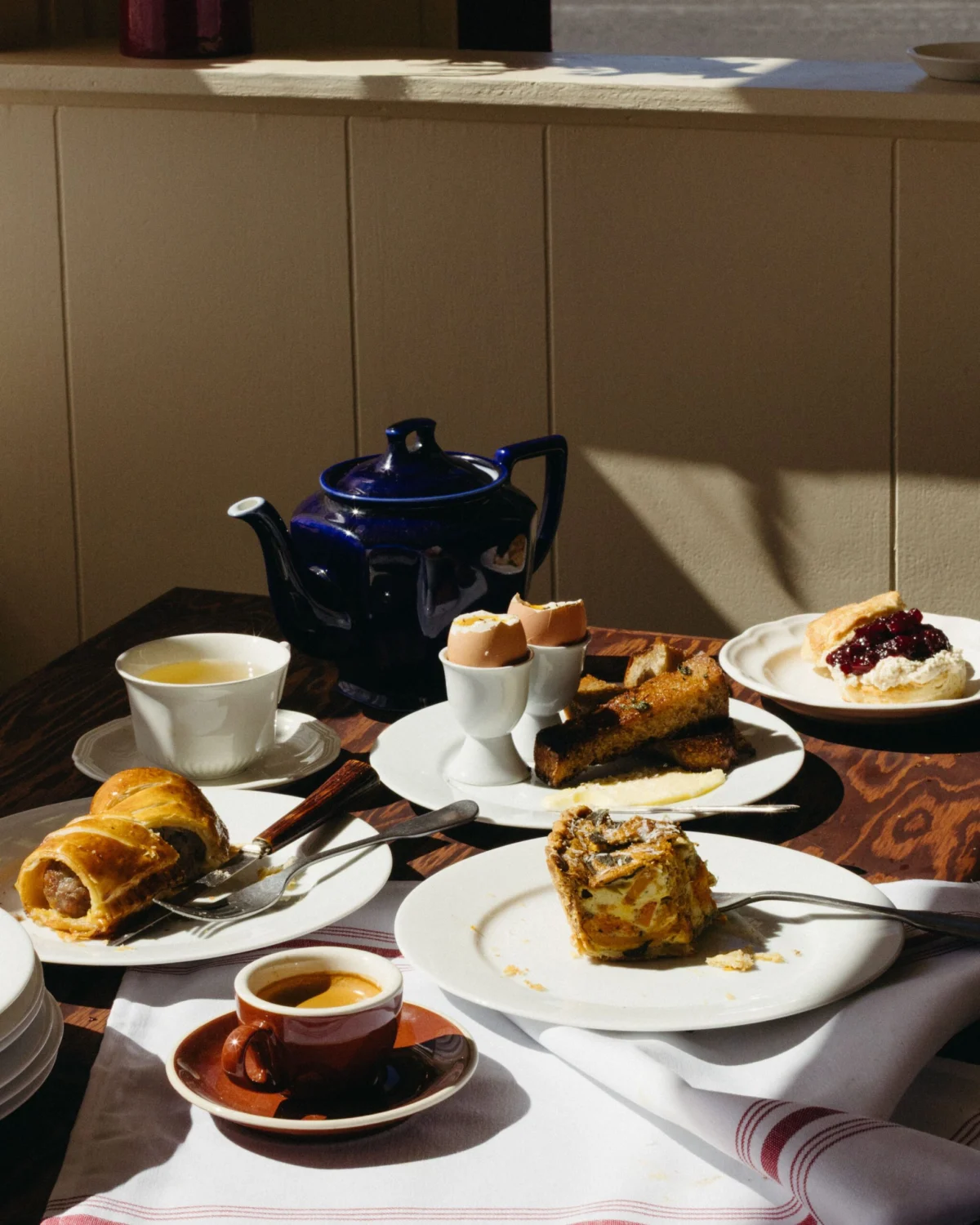
Wilde’s, co-owned by best friends Natasha Price (executive chef) and Tatiana Ettensberger (wine director), has boldly brought British cuisine to the perennially sunny climate of Los Angeles, charming diners with its unique identity. During the day, Wilde’s cultivates a relaxed and breezy atmosphere, drawing a cool, young clientele who sip coffees, nibble on pastries, and enjoy a breakfast-leaning menu. Daytime highlights include lofty scones served with clotted cream and seasonal jam, hefty flaky sausage rolls made with Peads & Barnetts pork, and classic egg soldiers accompanied by streaky bacon. These offerings demonstrate a commitment to authentic British comfort food executed with high-quality ingredients. As evening approaches, the ambiance shifts to a moodier, sexier vibe, warmed by candlelight and furnished with pints of Guinness or glasses of natural wine. The dinner menu rotates seasonally, featuring mainstays like crisp and light battered skate, incredibly rich meat pies (best shared), and traditional bangers and mash. Wilde’s success lies in its unapologetic embrace of British culinary identity, presented without gimmickry, instead focusing on effortless cool and exceptional execution. It proves that even niche cuisines, when handled with integrity and style, can thrive in diverse markets, enriching the daytime dining scene with unique cultural flavors.
Broader Implications and the Future of Dining
The burgeoning trend of sophisticated daytime dining carries significant implications for the broader restaurant industry and urban life. For restaurateurs, it represents a crucial strategy for financial resilience and growth. By maximizing kitchen output and staff engagement across extended hours, businesses can navigate economic fluctuations more effectively and build stronger, more diversified revenue models. This approach also fosters a more dynamic culinary landscape, encouraging chefs to innovate beyond traditional dinner formats and explore new ingredient combinations and preparation methods for lighter, yet equally impactful, daytime meals.
From a community perspective, these elevated daytime establishments contribute to more vibrant and active urban centers throughout the day. Cafes and lunch spots become essential social hubs, fostering connection and providing inviting spaces for work, meetings, and leisure. This shift also impacts urban planning, potentially leading to more mixed-use developments that integrate residential, commercial, and dining options, creating more livable and engaging neighborhoods.
While challenges such as staffing for extended hours and marketing to distinct dayparts remain, the collective success of these pioneering establishments suggests a promising future. The industry is moving towards a model where culinary excellence is expected and delivered at all times of the day, not just after sunset. This enrichment of daytime dining is not merely a passing fad but a fundamental redefinition of what it means to dine out, signaling a more inclusive, dynamic, and ultimately, more delicious future for American gastronomy.
