

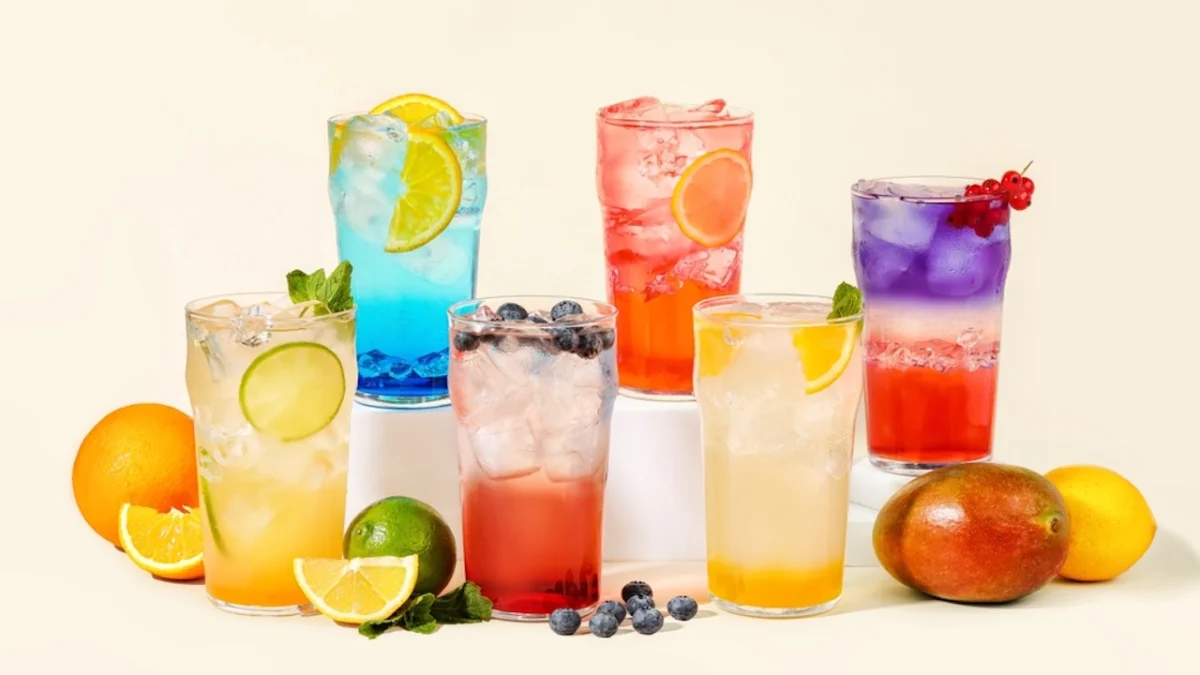
The landscape of the restaurant industry is undergoing a significant transformation, with beverage innovation rapidly ascending from a supporting role to a central pillar of growth and customer engagement. This shift is driven by a palpable consumer appetite for novel flavors, expanded drink selections, and immersive beverage-centric experiences. The National Restaurant Association, in its comprehensive "2026 Restaurant Beverage Trends" report, sponsored by The Coca-Cola Company, highlights that a substantial majority of restaurant operators recognize the potent influence of beverages on attracting and retaining customers. Specifically, 87% of full-service operators and 80% of limited-service operators view beverages as a critical driver of restaurant traffic. This sentiment is further underscored by the increasing importance operators place on offering a wider array of drink choices, a trend that has amplified compared to previous years.
Michelle Korsmo, President and CEO of the National Restaurant Association, articulated the evolving consumer mindset, stating, "Beverages are more than just a drink for today’s consumers – they’re looking for something that feels personal, memorable, and worth going out for. Our Restaurant Beverage Trends report shows a real opportunity for restaurant operators. Beverages can help restaurants stand out, deliver more value to guests, and drive growth through an elevated experience, unique flavors, and customizable options." This perspective encapsulates the broader industry understanding that beverages have transcended their utilitarian function to become integral components of the dining experience, capable of enhancing customer satisfaction and fostering brand loyalty.
The proliferation of beverage-focused concepts, such as Swig, HTeaO, and specialized coffee chains like Ziggi’s and Scooter’s, has intensified the competitive pressure for restaurants to differentiate through inventive drink menus. This surge in specialized beverage providers has compelled larger chain restaurants to re-evaluate and expand their offerings, moving beyond traditional branded sodas and iced tea. The trend indicates a strategic pivot towards house-crafted beverages, often featuring seasonal ingredients and unique flavor profiles, designed to capture the attention of discerning consumers. This strategic evolution in beverage offerings is not merely about diversification but about cultivating unique selling propositions that can resonate with modern diners.
Driving this dynamic trend are younger demographics, namely Gen Z and millennials. The report reveals that 71% of these younger consumers believe their favorite restaurant beverages provide flavor experiences that are difficult to replicate at home, a sentiment that underscores the value placed on unique culinary explorations. Furthermore, approximately seven in ten younger adults express a desire for more extensive beverage options on restaurant menus. This preference for novelty and exploration extends to all age groups, with 72% of all surveyed consumers indicating that restaurants serve as valuable venues for discovering new beverages. This adventurous spirit in beverage selection, with 54% of consumers stating they enjoy trying new drinks, presents a significant opportunity for operators to curate exciting and diverse drink portfolios.
A notable emerging opportunity lies in the realm of beverage-only purchases, particularly among the younger, value-conscious demographic. The data indicates that 37% of consumers make beverage-only purchases at least weekly, with this figure rising to 50% for Gen Z adults and 47% for millennials. These purchases are most frequently made in the afternoon, a timeframe traditionally considered outside peak meal service hours. This presents restaurants with a valuable opportunity to drive traffic and revenue during off-peak periods, by strategically marketing and merchandising their beverage selections to cater to this growing trend of "drink runs."
The Multifaceted Role of Modern Beverages
Beyond quenching thirst or providing refreshment, beverages are increasingly recognized for their functional and wellness-oriented attributes. Consumers are actively seeking out drinks that offer health benefits, cater to specific dietary needs, or provide a novel and memorable experience through customization. This demand necessitates a strategic approach to menu development, moving beyond simply increasing the number of options to curating a "smarter" beverage mix that aligns with consumer preferences and market trends.
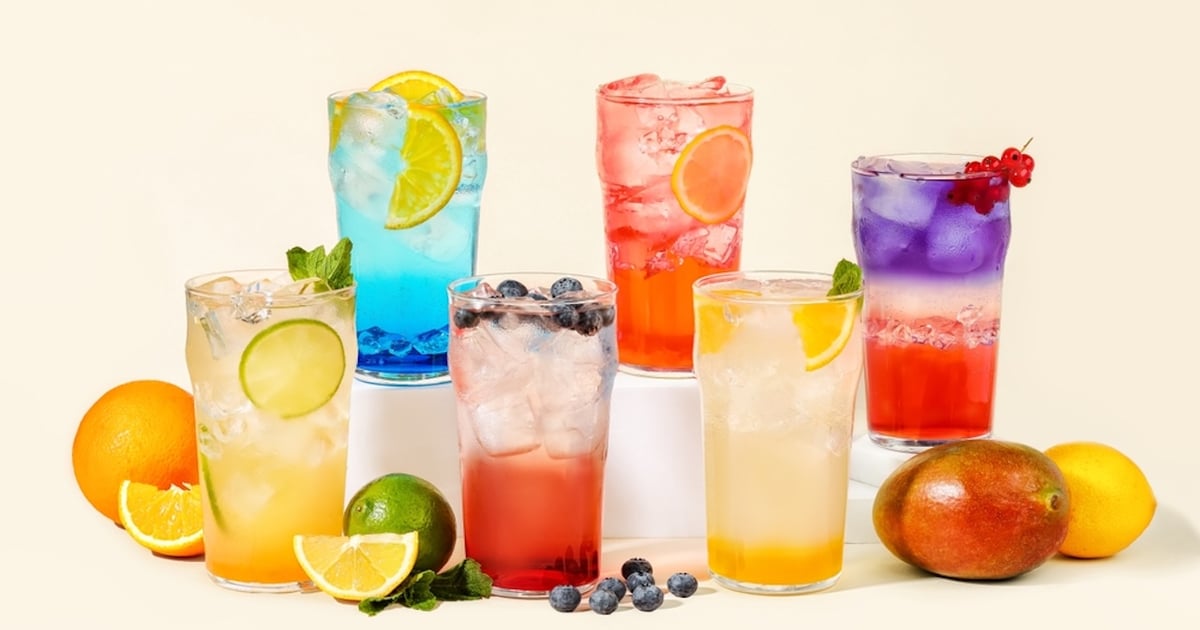
The "2026 Restaurant Beverage Trends" report provides granular insights into the specific categories gaining traction. Limited-service operators are prioritizing growth in areas such as coffee (46%), tea (31%), smoothies (29%), lemonades (27%), energy drinks (26%), and wellness beverages (24%). This reflects a strong consumer interest in beverages that can be integrated into daily routines or offer perceived health advantages. Full-service establishments, meanwhile, are expanding their portfolios to include both traditional and emerging alcoholic and non-alcoholic options. This includes mixed cocktails (55%), alcohol-free cocktails (49%), beer (45%), wine (42%), and alcohol-free beer (39%). The significant interest in alcohol-free alternatives highlights a growing trend towards mindful consumption and the desire for sophisticated beverage experiences without alcohol.
Addressing the Delivery Dilemma: Packaging as a Bottleneck
The burgeoning delivery sector presents another significant avenue for beverage sales, yet it is currently hindered by inadequate packaging solutions. A substantial 83% of delivery customers express a willingness to include drinks in their orders more frequently if improved packaging could better accommodate a wider variety of beverage options. This percentage escalates to 89% among Gen Z and millennial consumers, underscoring the urgency for innovation in this area. Furthermore, two-thirds of restaurant operators indicate they would increase their beverage promotions for delivery orders if packaging improvements made transportation easier and more reliable. The current limitations in packaging can lead to spills, temperature fluctuations, and compromised product integrity, thereby deterring both consumers and operators from fully capitalizing on the delivery channel for beverages. Addressing this logistical challenge is paramount to unlocking further growth in off-premise dining.
Industry Context and Future Implications
The insights from the "2026 Restaurant Beverage Trends" report are particularly significant given the current economic climate and evolving consumer behaviors. Following a period of significant disruption, the restaurant industry is actively seeking new avenues for growth and differentiation. The emphasis on beverages represents a strategic investment in an area that can offer high margins and a direct impact on customer perception and loyalty. The report, compiled by association economists, draws on surveys of both operators and consumers, providing a robust and data-driven overview of current market dynamics and future trajectories.
The findings suggest a paradigm shift in how restaurants approach their beverage programs. It is no longer sufficient to offer a standard selection of soft drinks. Operators must now consider beverages as integral to their brand identity, a source of culinary creativity, and a potent tool for driving traffic and revenue across all service channels. The success of beverage-forward concepts serves as a testament to this evolving consumer demand, and traditional restaurants that fail to adapt risk falling behind.
The increasing sophistication of consumer palates, particularly among younger generations, demands a level of creativity and customization that mirrors the culinary offerings. This includes a greater emphasis on artisanal ingredients, unique flavor pairings, and the incorporation of functional benefits, such as probiotics, adaptogens, or ingredients known for their energizing or calming properties. The demand for "better-for-you" options is not limited to food; it extends significantly to beverages, where consumers are actively seeking healthier alternatives to traditional sugary drinks.
The report’s emphasis on delivery packaging also highlights a critical area for operational improvement. As off-premise dining continues to be a dominant force, ensuring that beverages can be delivered safely and effectively is crucial for maintaining customer satisfaction and encouraging repeat business. Innovations in spill-proof lids, insulated containers, and secure packaging designs will be essential for restaurants looking to maximize their beverage sales through delivery and takeout channels.
Looking ahead, the trends identified in the "2026 Restaurant Beverage Trends" report signal a sustained focus on beverage innovation. Restaurants that embrace this evolution by investing in creative menu development, exploring new beverage categories, and optimizing their delivery strategies are likely to experience significant growth and a strengthened competitive position in the dynamic and ever-changing foodservice industry. The beverage is no longer an afterthought; it is a pivotal element in crafting memorable dining experiences and driving business success.
