

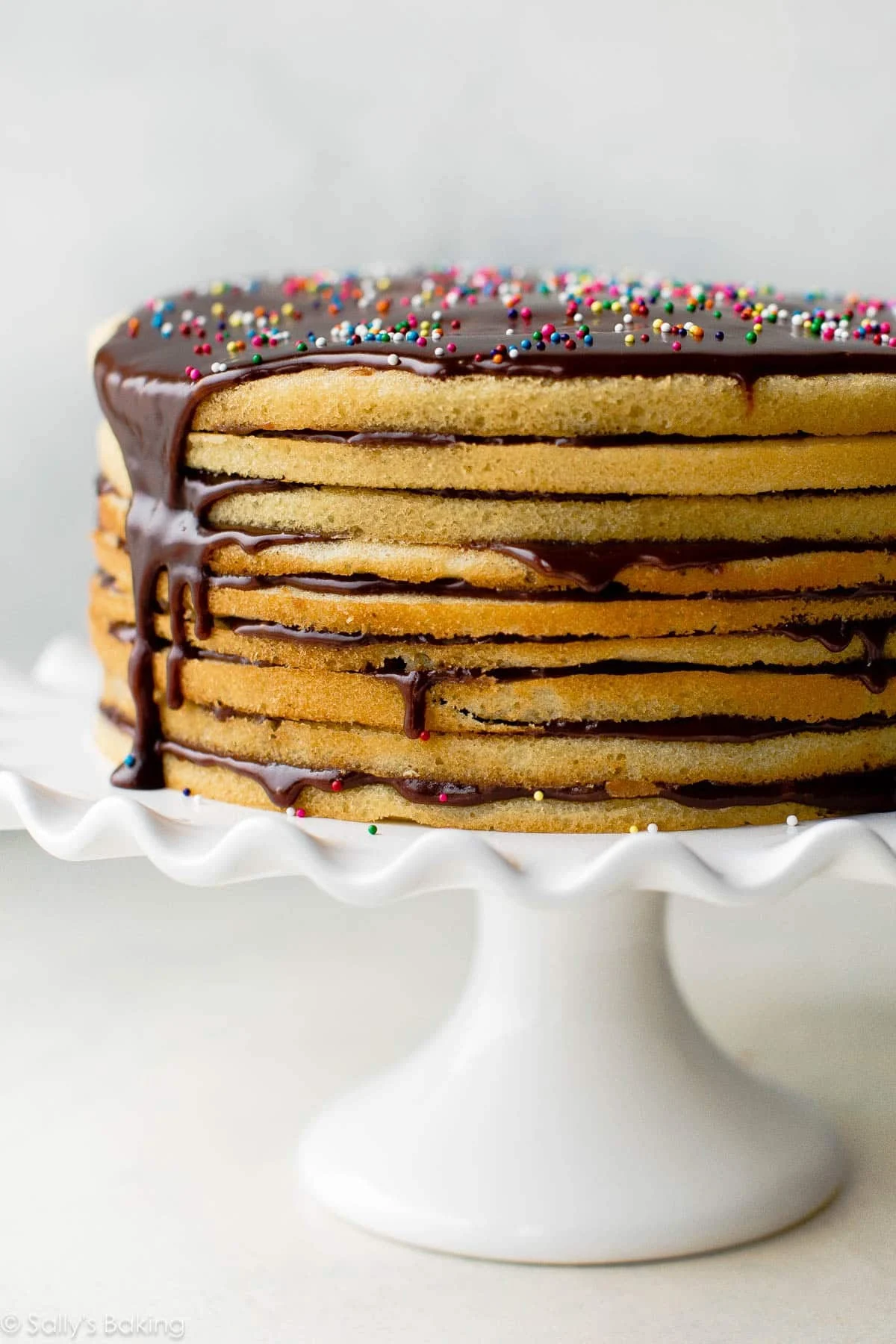
The Smith Island Cake, a distinctive confection featuring nine thin layers of moist yellow cake enveloped in a rich, fudgy chocolate icing, stands as Maryland’s official state dessert. This visually striking culinary masterpiece, while appearing complex, is celebrated for its surprisingly straightforward preparation, particularly the rapid baking and cooling of its individual layers and the simplicity of its poured fudge icing. First documented in its current form in 2018 and subsequently refined, the recipe has undergone minor yet significant enhancements, including a slight increase in baking powder for improved lift, a reduction in cake sugar for better balance, and an enriched chocolate content in the signature icing.
Historical Roots and Island Heritage
The origins of the Smith Island Cake are deeply entwined with the unique culture and geography of Smith Island itself, a remote community nestled in the Chesapeake Bay, accessible only by boat. For generations, this cake has been a staple, particularly among the island’s watermen. Historically, during the arduous autumn oyster harvest, these multi-layered cakes were packed and sent with the watermen, serving as a sustaining and comforting treat during their long stints at sea. The cooked fudge icing, a defining characteristic of the cake, was not merely a matter of taste; its robust, cooked consistency offered practical advantages, preserving better and remaining stable longer than many other types of frosting in the challenging maritime environment. This tradition underscores the cake’s resilience and its integral role in the island’s heritage, reflecting the resourcefulness and culinary ingenuity of its inhabitants. The designation of Smith Island Cake as Maryland’s official state dessert in 2008 further cemented its status as a significant cultural emblem, acknowledging its deep roots and enduring popularity within the state. This honor places it among a select few state desserts across the United States, highlighting its exceptional character and historical significance.
The Anatomy of a Layered Masterpiece
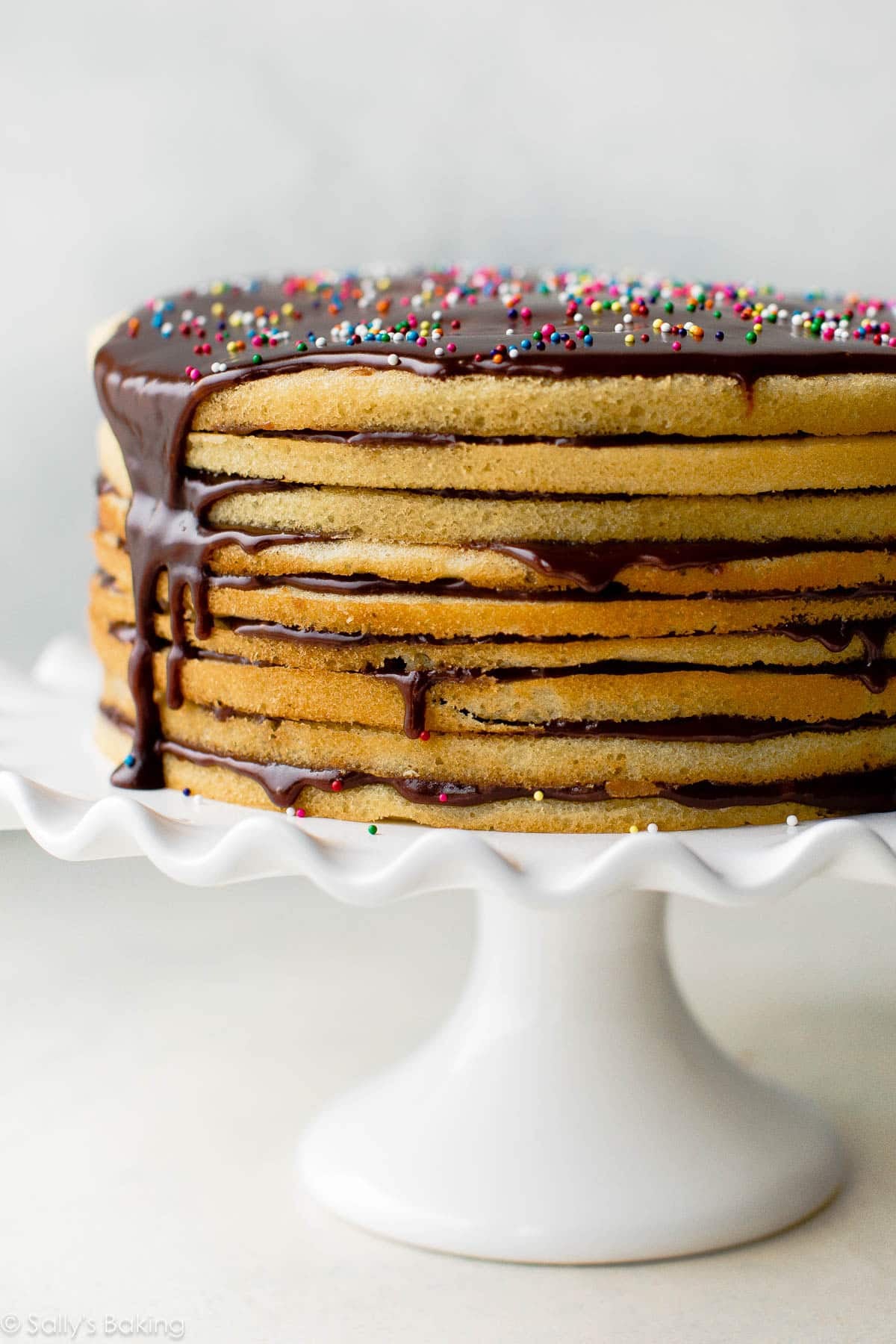
At its core, the Smith Island Cake is defined by its impressive verticality, typically boasting eight or more, and most famously, nine ultra-thin layers of tender yellow cake. This distinct layering technique is paramount to the cake’s identity and texture. Unlike traditional layer cakes where thick cakes are baked and then horizontally sliced, each delicate layer of a Smith Island Cake is baked individually. This method, while seemingly more labor-intensive, ensures consistent thickness and even baking across all layers, eliminating the challenges associated with uniformly slicing a thicker cake. The relatively short baking time—approximately 11-12 minutes per layer due to their thinness—renders the process more manageable than one might initially perceive, especially when baking in batches.
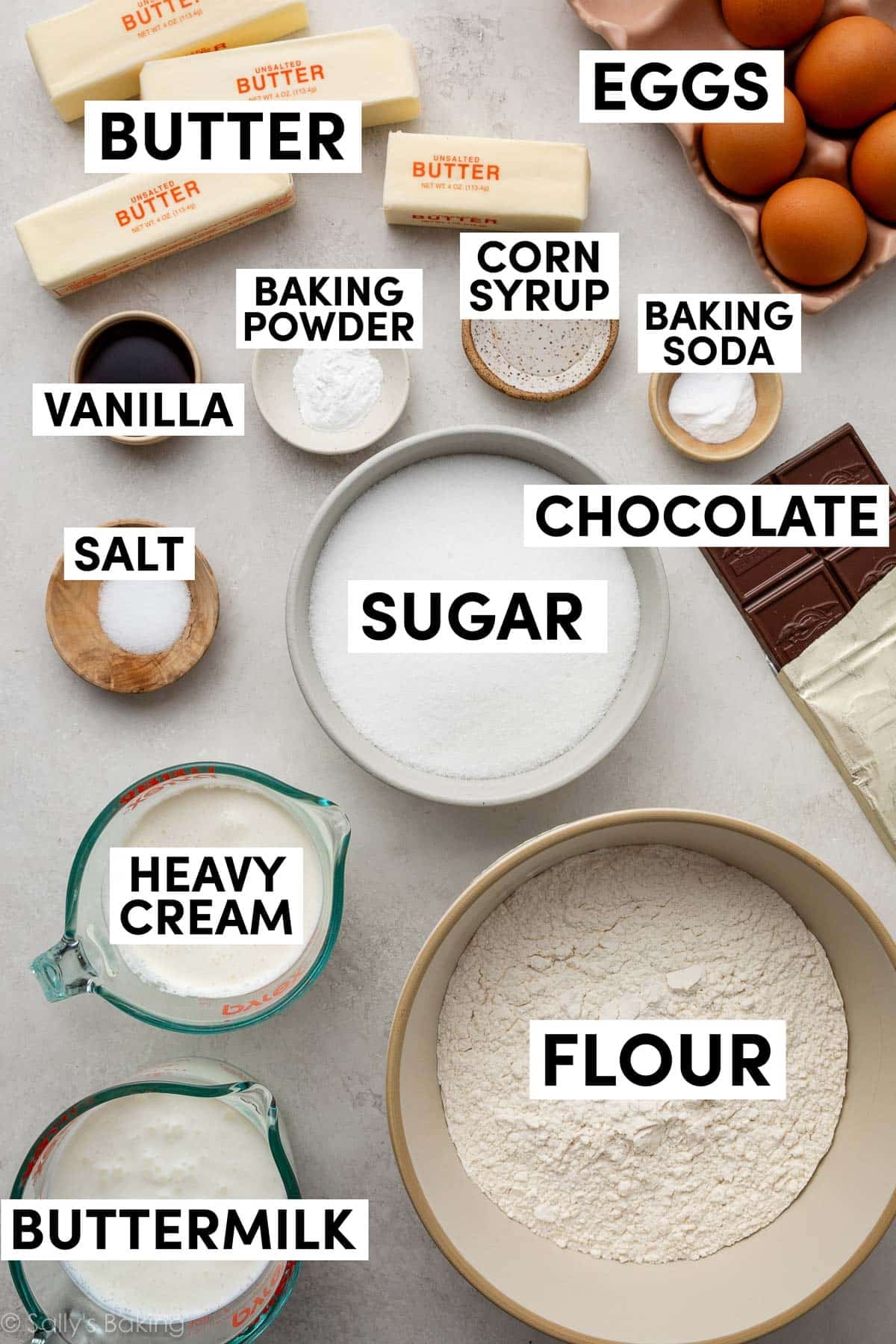
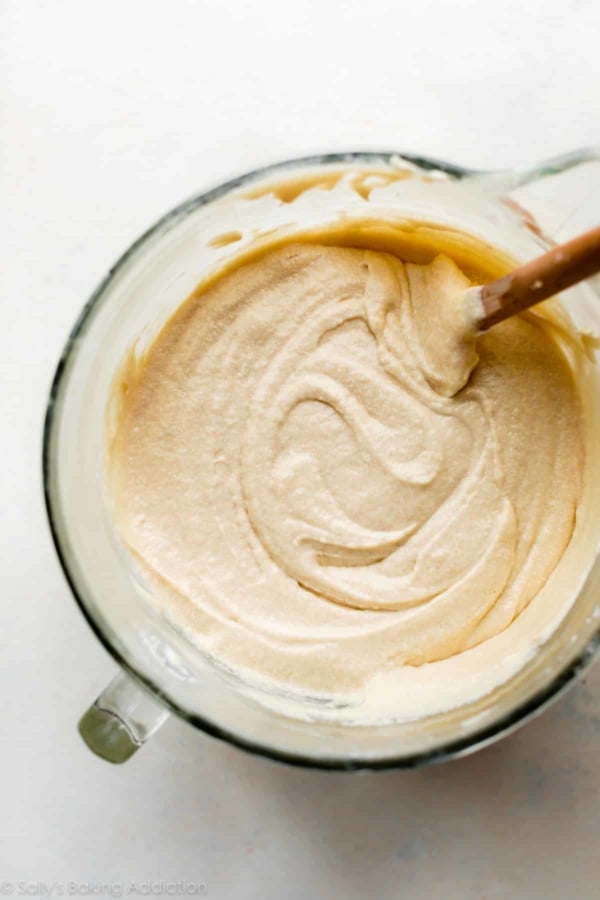
The yellow cake batter itself is a classic composition, relying on foundational baking ingredients such as all-purpose flour, granulated sugar, eggs, and crucially, buttermilk. The inclusion of buttermilk imparts a subtle tang and contributes significantly to the cake’s signature moistness, while also interacting with baking soda to create a tender crumb. Creamed butter and sugar form the base, providing structure and richness. The updated recipe specifically calls for a slightly increased amount of baking powder, which helps to achieve a desirable lift in these thin layers without causing them to become overly puffy or difficult to stack. For optimal results, all ingredients are recommended to be at room temperature, facilitating a smooth and homogenous batter. The prepared batter is then meticulously divided, with approximately 200-210 grams (just under 1 cup) allocated to each 9-inch cake pan. The use of greased parchment paper rounds is a critical step in ensuring these delicate, thin layers release cleanly from the pans without tearing, a common pitfall with such fragile baked goods. Upon removal from the oven, the layers cool quickly, requiring gentle handling during assembly.
The Signature Cooked Chocolate Fudge Icing
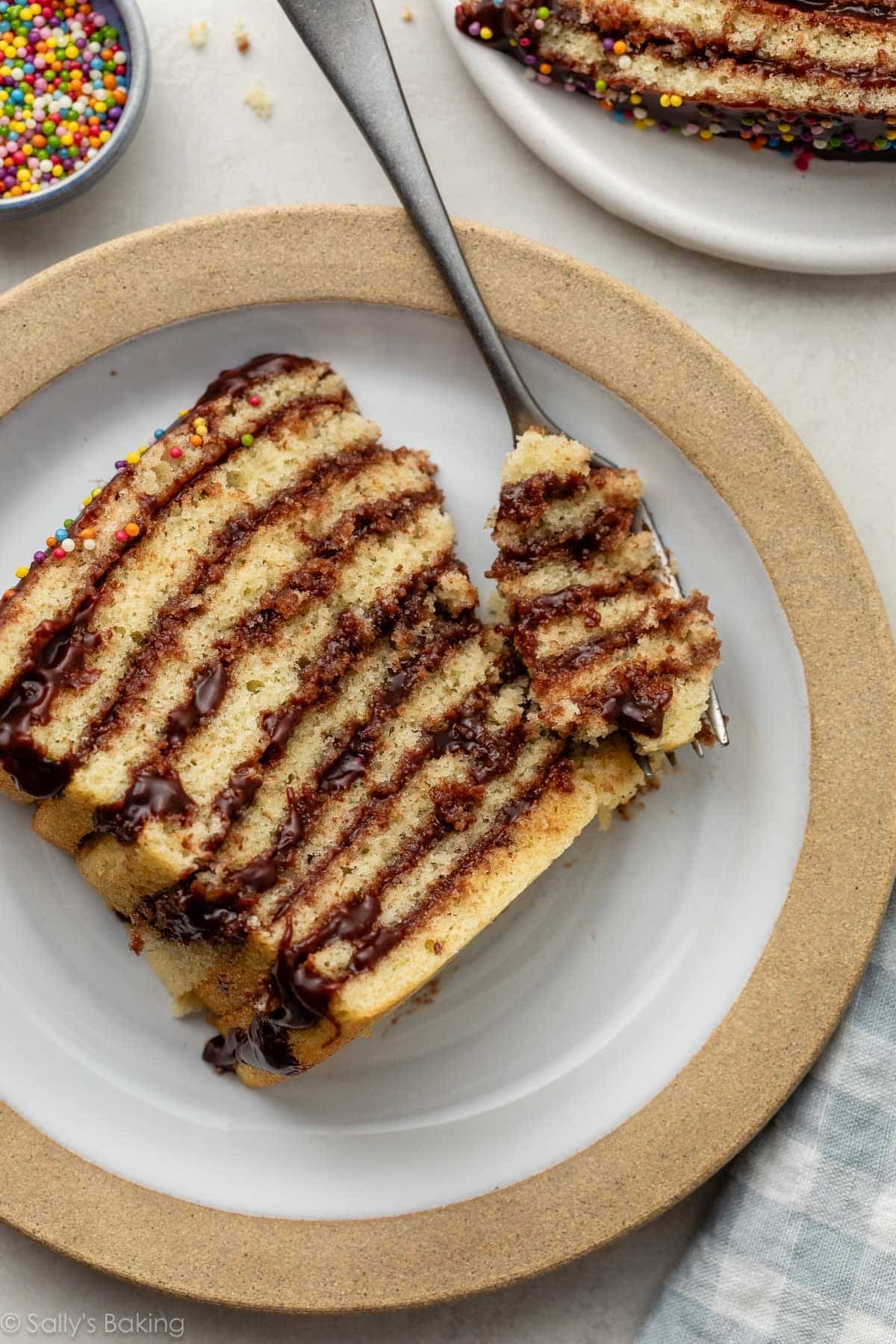
While the yellow cake layers provide a delightful foundation, the cooked chocolate fudge icing is unequivocally the defining feature and the "hallmark" of the Smith Island Cake. Its distinct texture and flavor profile are what elevate this dessert from a simple layer cake to a regional icon. The preparation of this icing is a stovetop process, demanding careful attention to temperature and cooling. It is typically recommended to prepare the icing first, allowing ample time for it to cool and achieve the necessary thickened, spreadable consistency while the cake layers are being baked and cooled.
The icing recipe has been thoughtfully enhanced, with the amount of chocolate increased from 4 ounces to 6 ounces in recent updates. This adjustment yields a noticeably thicker icing with a more pronounced and decadent chocolate flavor. Key ingredients include butter, chopped chocolate (bittersweet chocolate is often preferred for its deep flavor that elegantly counterbalances the icing’s sweetness), granulated sugar, heavy cream, and optionally, corn syrup. The mixture is brought to a boil for approximately two minutes, or until it reaches a temperature of around 220°F (104°C). This precise temperature control is vital for achieving the correct fudge-like consistency upon cooling. Initially, the icing will be quite fluid, akin to a warm hot fudge sauce or chocolate ganache, but as it cools, it progressively thickens into a rich, spreadable frosting that sets beautifully between and over the cake layers. The addition of vanilla extract and a pinch of salt at the end enhances the overall flavor profile, adding depth and complexity to the chocolate. The interaction between the moist cake layers and the cooling fudge icing is where the magic truly happens; the icing slightly seeps into the porous cake, ensuring that nearly every bite offers a harmonious blend of soft yellow cake and rich, creamy fudge.
Assembling the Iconic Layers
The assembly of a nine-layer Smith Island Cake, despite its grand appearance, is notably straightforward once the cake layers are cooled and the icing has achieved its optimal thickened state. The process involves placing a single cake layer on a cake stand or serving plate, followed by a generous spoonful of the chocolate fudge icing, which is then spread evenly into a thin layer. This sequence is repeated for each subsequent cake layer, culminating in a towering, impressive dessert.
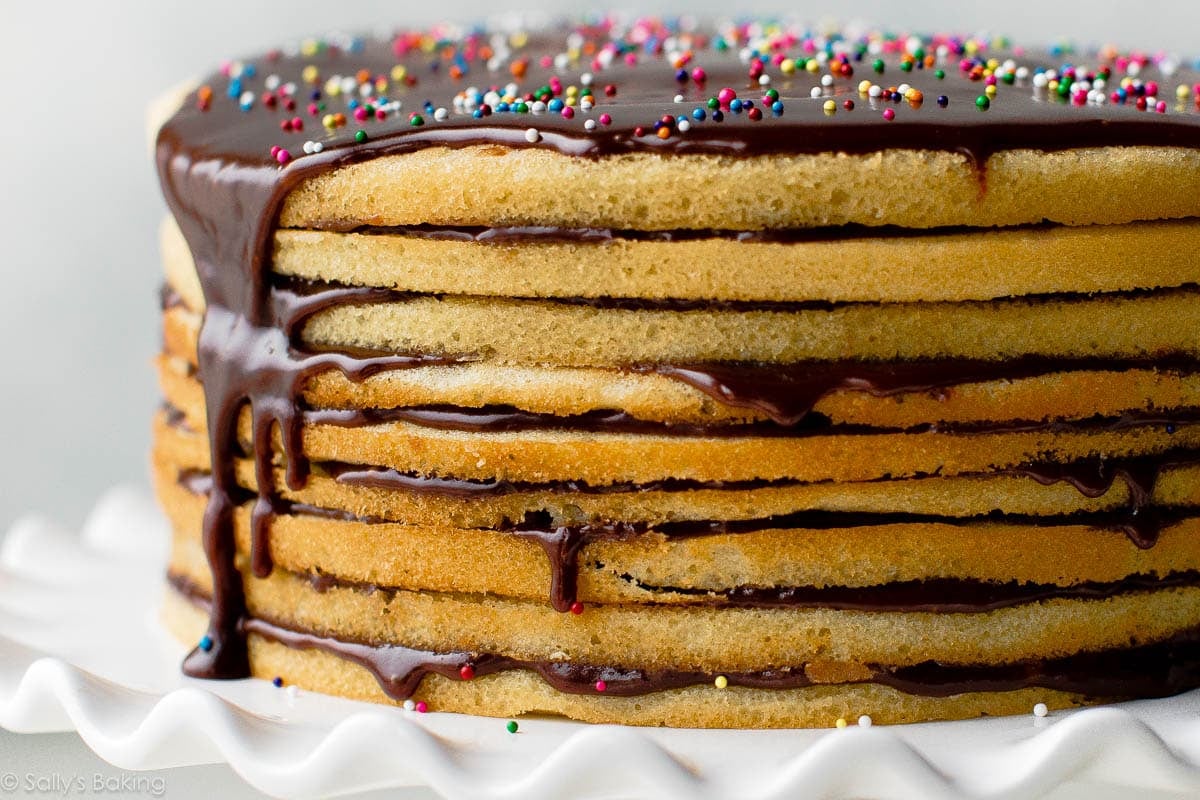
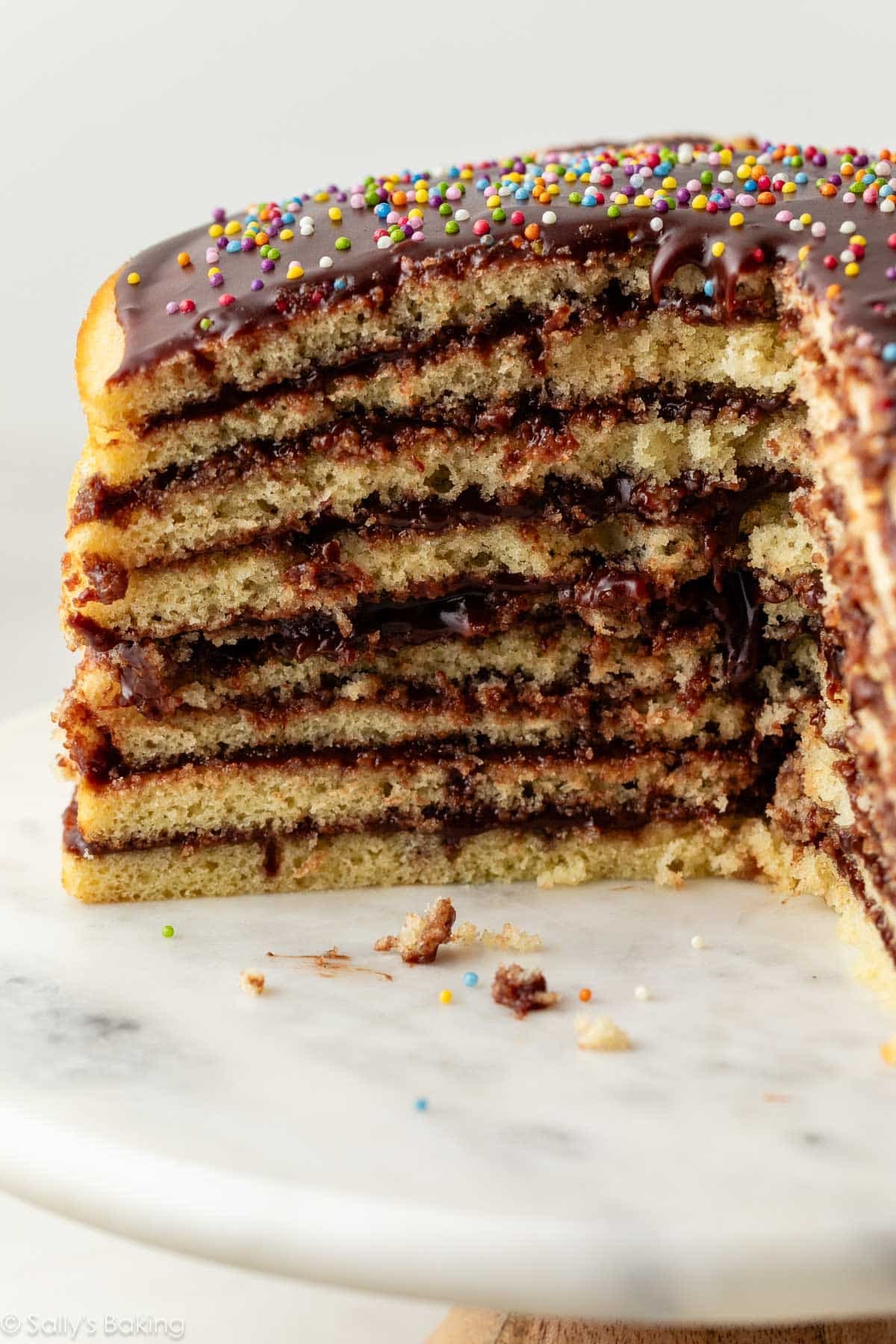
One of the charming aspects of the Smith Island Cake’s presentation is its rustic elegance. There is no expectation of perfectly smooth, meticulously precise icing. As the layers are assembled and the icing is spread, it is natural for some of the rich chocolate fudge to drip artfully down the sides of the cake. This characteristic "drip" is not a flaw but rather an integral part of its homemade charm, akin to the unfussy beauty of desserts like Boston Cream Pie. This informal approach to decoration underscores the cake’s origins as a practical, beloved treat rather than a formal, ceremonial confection. Once sliced, the true artistry of the Smith Island Cake is revealed: an intricate cross-section displaying alternating strata of golden yellow cake and dark, luscious chocolate fudge. Each slice offers a textural symphony—the yielding softness of the cake perfectly complemented by the dense, smooth richness of the fudge. This visual and gustatory experience is what makes the Smith Island Cake an unforgettable culinary experience, justifying its celebrated status.
Broader Impact and Culinary Significance

The Smith Island Cake’s journey from a humble island staple to Maryland’s official state dessert highlights its profound cultural and culinary significance. This recognition has not only elevated the cake’s profile within the state but has also brought it national attention, bolstering Maryland’s unique culinary identity. For Smith Island itself, the cake serves as a tangible link to its heritage, offering a means of cultural preservation and a point of pride for its residents.
Beyond its historical and cultural value, the Smith Island Cake plays a role in Maryland’s tourism landscape. As an iconic local delicacy, it attracts culinary tourists eager to sample an authentic piece of regional flavor. Local bakeries, restaurants, and artisanal producers benefit from its popularity, contributing to the state’s economy. While the classic yellow cake with chocolate fudge remains the most iconic, the cake’s versatile multi-layer structure has inspired various interpretations, with flavors such as lemon, coconut, carrot cake, and strawberry now available. These variations demonstrate the cake’s adaptability and its continued evolution within the broader culinary scene, catering to diverse palates while retaining the fundamental essence of its layered construction. The increased accessibility of recipes, particularly those that have been refined for home bakers, ensures that this cherished tradition can be recreated and enjoyed by a wider audience, further cementing its legacy. The Smith Island Cake, therefore, is more than just a dessert; it is a delicious narrative, a celebration of heritage, and a testament to the enduring power of simple, well-crafted food. Its nine layers not only offer a feast for the senses but also encapsulate a rich history and an unwavering spirit of community.
