

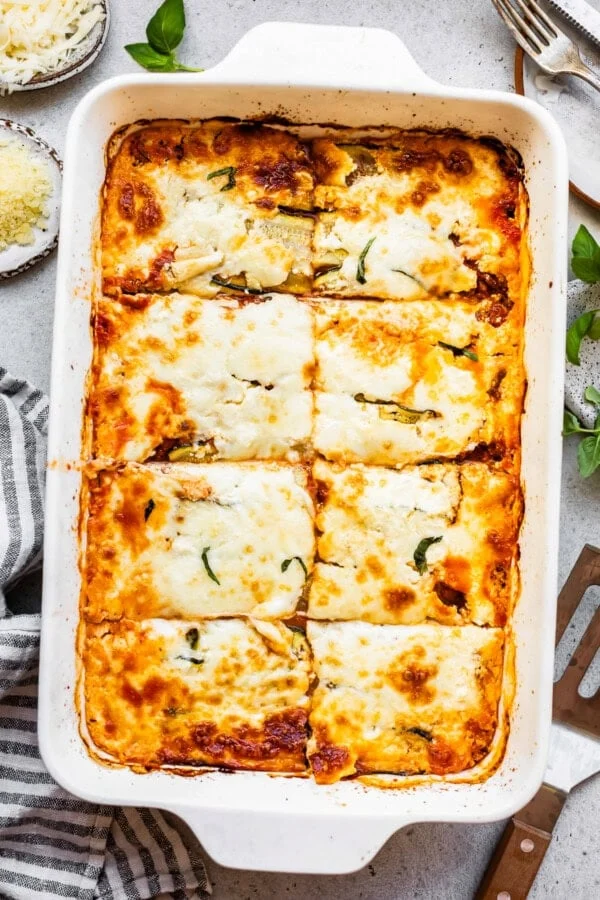
The culinary landscape has long sought innovations that balance traditional comfort with contemporary health consciousness. In this evolving environment, the Zucchini Lasagna from Skinnytaste, a popular food and lifestyle platform, stands as a notable example of a dish that successfully redefines a classic for modern dietary preferences. This particular rendition, characterized by its absence of pasta noodles and its emphasis on fresh zucchini, robust meat sauce, and creamy cheese layers, offers a high-protein, gluten-free alternative to the beloved Italian staple, gaining significant traction among health-conscious home cooks for over a decade.
The Genesis and Enduring Appeal of a Health-Conscious Classic
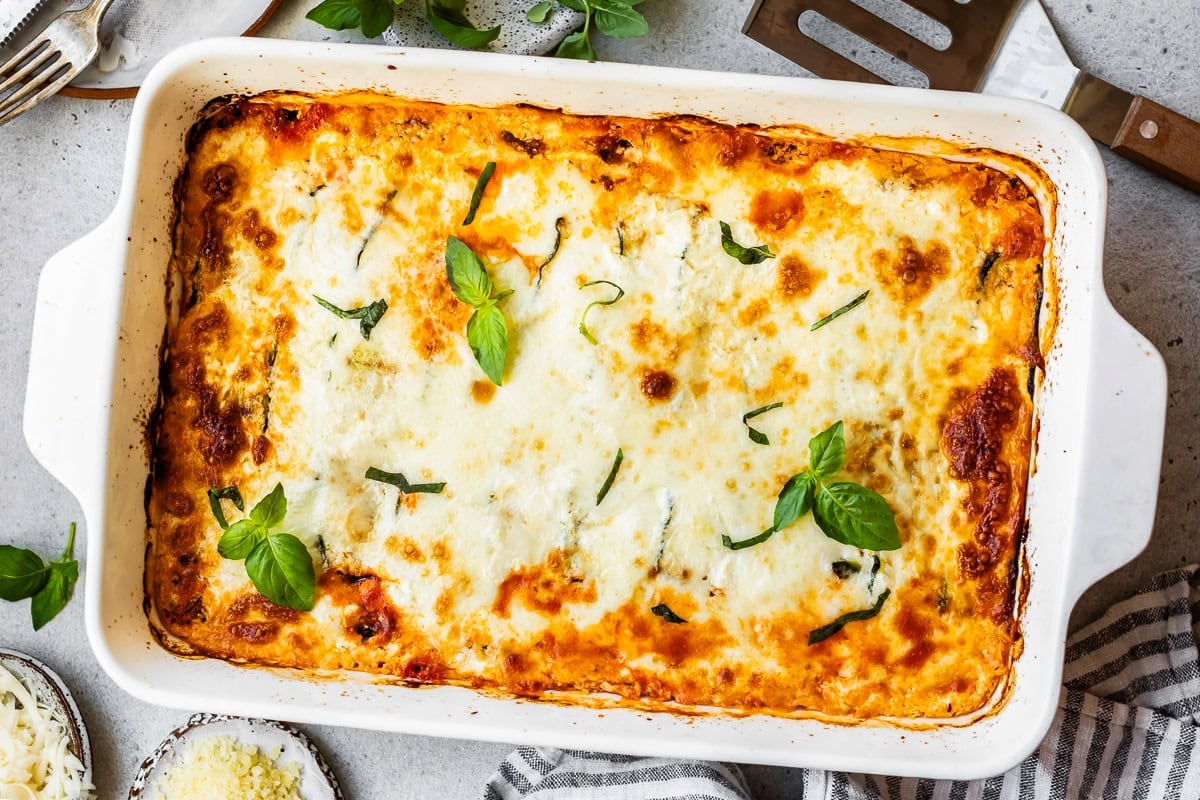
The Zucchini Lasagna recipe first emerged on Skinnytaste.com, founded by Gina Homolka, more than ten years ago, solidifying its place as one of the platform’s enduring favorites. Its initial publication coincided with a growing public interest in lighter, more nutritious versions of traditional comfort foods. The recipe’s success was further cemented by its inclusion in Homolka’s very first cookbook, a testament to its popularity and reliability among her extensive readership. This chronological progression from a successful blog post to a published cookbook entry highlights the recipe’s consistent ability to resonate with a broad audience seeking wholesome yet satisfying meal options. The enduring appeal of this dish lies in its clever substitution of zucchini for pasta, which not only reduces carbohydrate content but also significantly increases the vegetable intake, aligning perfectly with contemporary dietary recommendations. The recipe maintains the core essence of lasagna—layers of rich, savory meat sauce, a creamy ricotta mixture, and gooey mozzarella—ensuring that the lighter profile does not compromise on flavor or textural satisfaction.
A Deep Dive into Nutritional Benefits and Dietary Adaptability
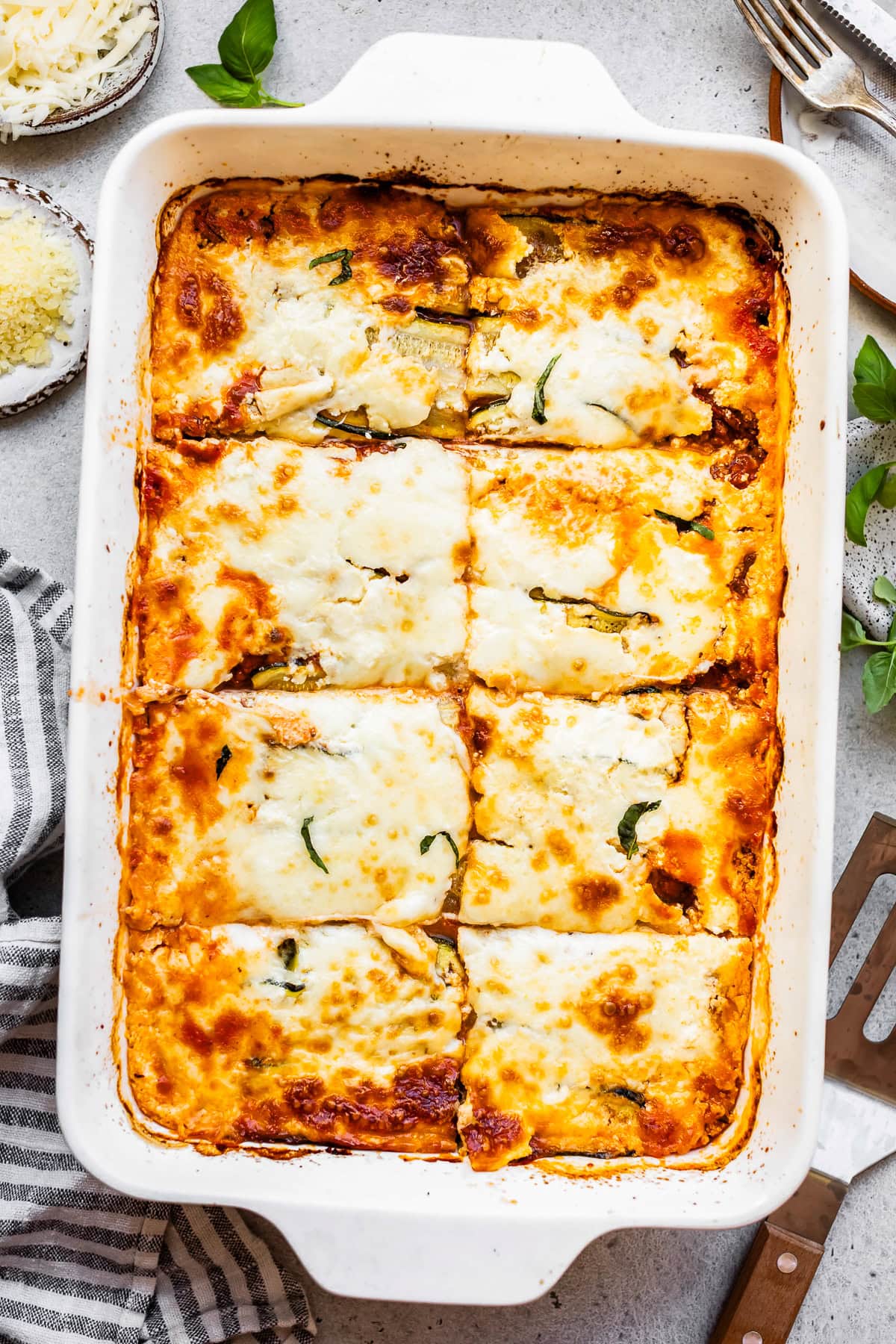
One of the primary reasons for the Zucchini Lasagna’s acclaim is its impressive nutritional profile. As a noodle-less, high-protein, and gluten-free dish, it caters to several prominent dietary trends and health requirements. Traditional lasagna, while delicious, is often high in carbohydrates and can be calorically dense. This zucchini-based version, however, offers a significantly lighter alternative without sacrificing the comforting experience. Each serving (approximately 1/8 slice) typically contains around 275 calories, 13 grams of carbohydrates, and a substantial 26 grams of protein, alongside 13 grams of fat (7 grams saturated) and 84 mg of cholesterol. It also provides 2.5 grams of fiber and 5 grams of sugar. This nutritional breakdown makes it an attractive option for individuals managing their carbohydrate intake, those adhering to gluten-free diets, or anyone simply looking to increase their protein and vegetable consumption. The protein content, notably higher than many traditional pasta dishes, contributes to increased satiety, making it an excellent choice for weight management or for individuals with active lifestyles requiring higher protein intake. Furthermore, the inherent versatility of the recipe allows for modifications to enhance its protein profile even further, such as swapping ricotta cheese for blended cottage cheese, a technique frequently employed by those aiming for maximum protein density.
Mastering Moisture Control: The Key to a Non-Watery Zucchini Lasagna

A common challenge in preparing zucchini-based dishes, particularly those replacing starchy components, is the vegetable’s high water content. If not properly managed, this moisture can lead to a watery, unappetizing final product. The Skinnytaste Zucchini Lasagna recipe explicitly addresses this issue with a crucial preparatory step: grilling the zucchini slices before assembly. This technique serves a dual purpose. Firstly, the heat from grilling helps to draw out a significant amount of moisture from the zucchini, preventing it from leaching into the lasagna during baking. Secondly, the grilling process imparts a subtle smoky flavor and a slightly firmer texture to the zucchini, which enhances the overall taste and structural integrity of the dish.
The chronological steps for moisture management are critical:

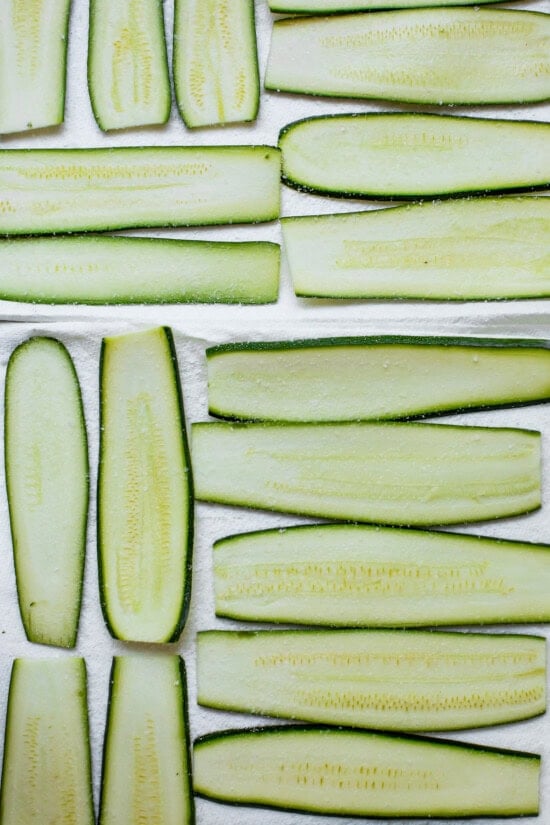
- Slicing and Salting: Zucchini is typically sliced thinly, often using a mandoline or a sharp knife, to ensure even cooking and flexibility for layering. Some recipes suggest lightly salting the zucchini slices and letting them rest to draw out additional moisture before grilling, though the primary method here is grilling.
- Grilling: The slices are then grilled until tender and lightly charred. This partial cooking not only removes water but also pre-cooks the zucchini, reducing baking time and improving texture.
- Resting and Draining: After grilling, it is imperative to allow the zucchini slices to rest on paper towels or a wire rack to drain any residual moisture. This step, often emphasized by culinary experts, is presented as non-negotiable for achieving a firm, cohesive lasagna.
By meticulously following these moisture-removal steps, the recipe ensures that the zucchini layers hold their shape and contribute to a well-structured lasagna, rather than detracting from it with excess liquid. This technical nuance is what distinguishes a truly successful noodle-less lasagna from a disappointing, soggy one.
Ingredient Harmony: Crafting a Flavorful and Balanced Profile
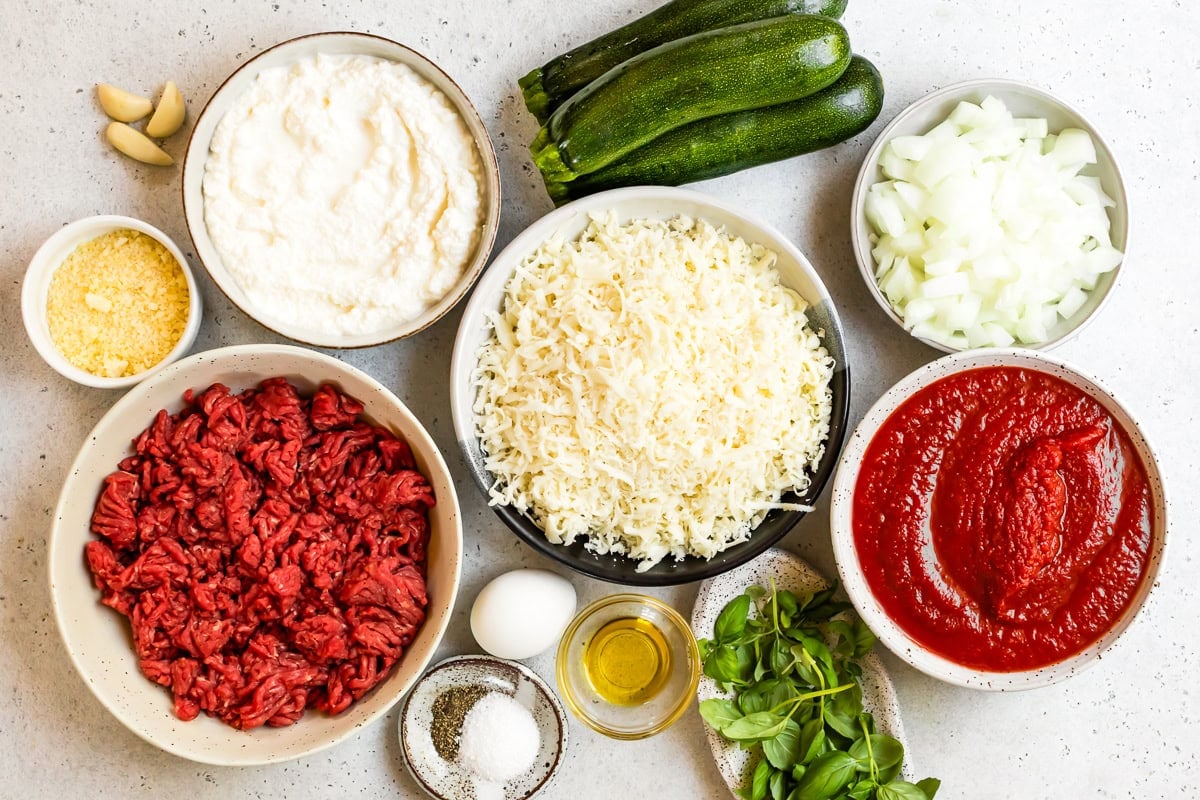
The Zucchini Lasagna’s success is not solely attributed to its structural integrity but also to the harmonious combination of its key ingredients. The foundation of the dish is a rich meat sauce, often made with lean ground beef or turkey, sautéed with aromatics like onions and garlic, and simmered in a tomato-based sauce. This robust sauce provides the savory depth and umami essential to any good lasagna. The choice of lean protein aligns with the recipe’s health-conscious ethos, reducing saturated fat while maintaining flavor.
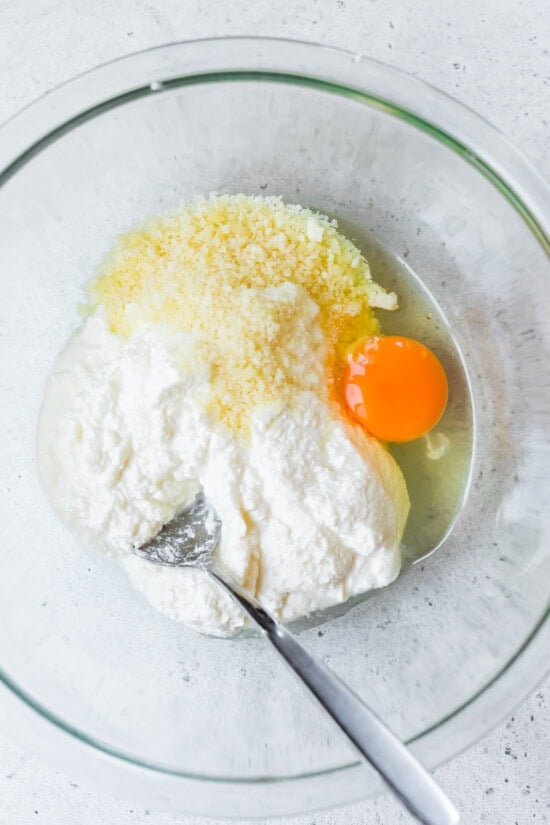
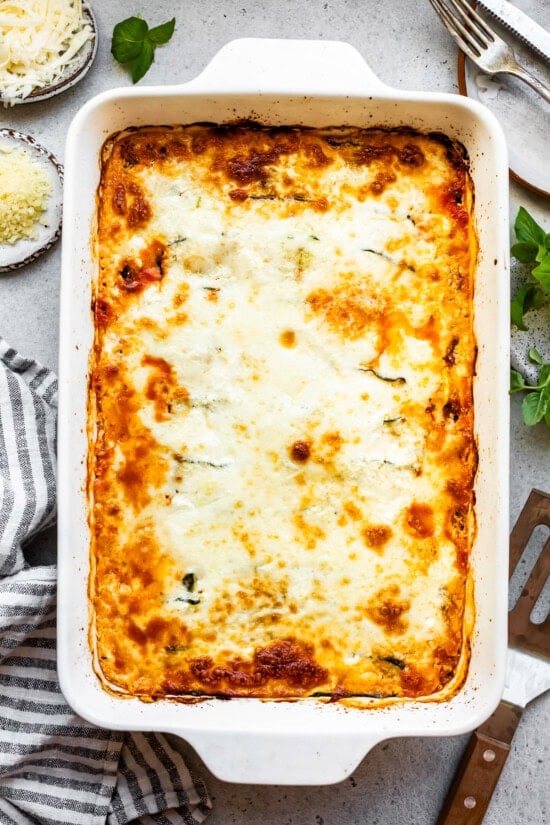
The cheese filling is another critical component, traditionally a blend of creamy ricotta, often mixed with an egg, Parmesan cheese, and fresh herbs like parsley. The egg acts as a binder, helping the ricotta hold its shape during baking, while the Parmesan adds a sharp, salty counterpoint to the milder ricotta. The fresh herbs infuse the cheese layer with an aromatic brightness. Finally, layers of shredded mozzarella cheese are generously interspersed throughout the lasagna and topped before baking, melting into a golden, bubbly crust that provides the quintessential gooey texture and rich flavor expected from a classic lasagna.
The deliberate choice of ingredients, from the fresh, firm zucchini to the savory meat sauce and the blend of cheeses, ensures that each layer contributes to a complex flavor profile and satisfying texture, making the absence of pasta noodles virtually unnoticeable to many diners.
Preparation Methodology: A Strategic Assembly for Optimal Results
The process of assembling the Zucchini Lasagna is a methodical one, designed to maximize flavor development and structural integrity. After the critical step of grilling and draining the zucchini, the preparation typically involves three main components: the meat sauce, the cheese filling, and the zucchini slices themselves.
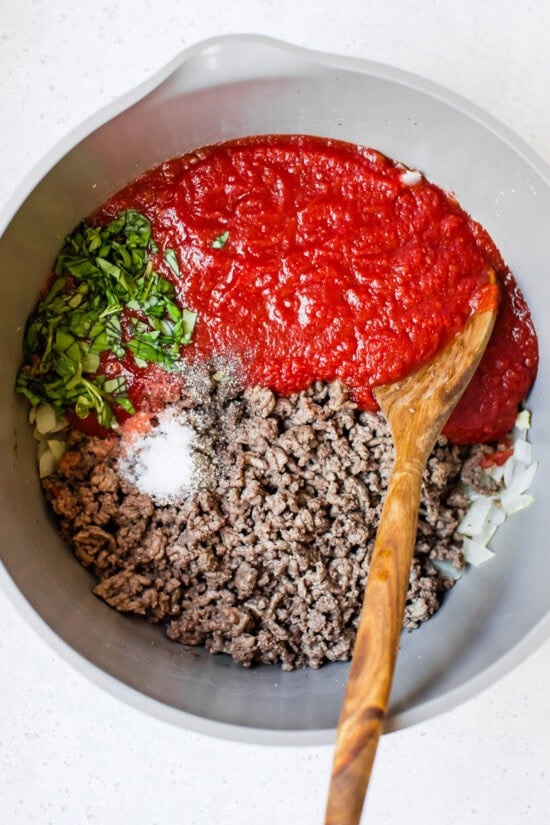
- Meat Sauce Preparation: The meat sauce is often prepared first, allowing it time to simmer and deepen in flavor. Lean ground meat is browned, drained of excess fat, and then combined with crushed tomatoes, tomato paste, and a medley of herbs and spices. Slow simmering is crucial for developing a rich, concentrated sauce.
- Cheese Filling Assembly: Ricotta cheese is mixed with egg, grated Parmesan, and fresh herbs, seasoned with salt and pepper. The egg acts as a binding agent, helping the cheese layer set properly during baking.
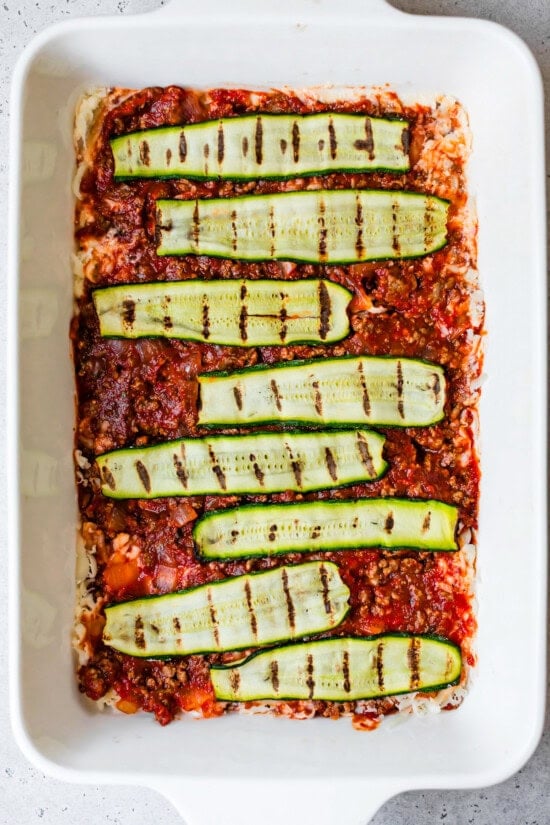
- Layering Process: The lasagna is assembled in a baking dish, typically starting with a thin layer of meat sauce on the bottom to prevent sticking and provide a flavor base. This is followed by a layer of grilled zucchini slices, then a spread of the ricotta mixture, and a sprinkling of mozzarella. These layers are repeated, often two or three times, with the final layer usually consisting of meat sauce topped generously with mozzarella and Parmesan cheese.
- Baking and Resting: The assembled lasagna is baked, usually covered for a portion of the time to ensure even cooking, and then uncovered to allow the top cheese layer to brown and bubble. Crucially, after baking, the lasagna is allowed to rest for a significant period (often 10-15 minutes or more) before slicing. This resting period allows the layers to set and the internal juices to redistribute, preventing the lasagna from falling apart when served and further minimizing any potential liquid pooling. This final step is as important as the initial moisture removal from the zucchini.
Broader Implications: Impact on Healthy Eating Trends and Culinary Innovation
The Skinnytaste Zucchini Lasagna is more than just a recipe; it represents a significant trend in contemporary culinary practices: the reimagining of traditional dishes to fit healthier lifestyles. Its long-standing popularity demonstrates a consistent demand for food that is both nutritious and deeply satisfying. This recipe’s success contributes to the broader acceptance and normalization of vegetable-centric and gluten-free alternatives in mainstream cooking.
The "noodle-less" approach has inspired countless other innovations, from eggplant Parmesan without breading to spaghetti squash "pasta" dishes. It highlights the growing consumer preference for whole, unprocessed ingredients and a reduction in refined carbohydrates. The recipe’s emphasis on high protein also aligns with increasing awareness about macronutrient balance for sustained energy and muscle maintenance.
For home cooks, recipes like this provide accessible pathways to healthier eating without requiring drastic changes in palate or sacrificing the joy of familiar flavors. It encourages experimentation with vegetables as core components rather than mere side dishes, fostering a more versatile and health-conscious approach to meal preparation. The engagement and positive feedback from the Skinnytaste community over the years further underscore its role as a benchmark for successful healthy recipe development.
Storage and Meal Prep Considerations
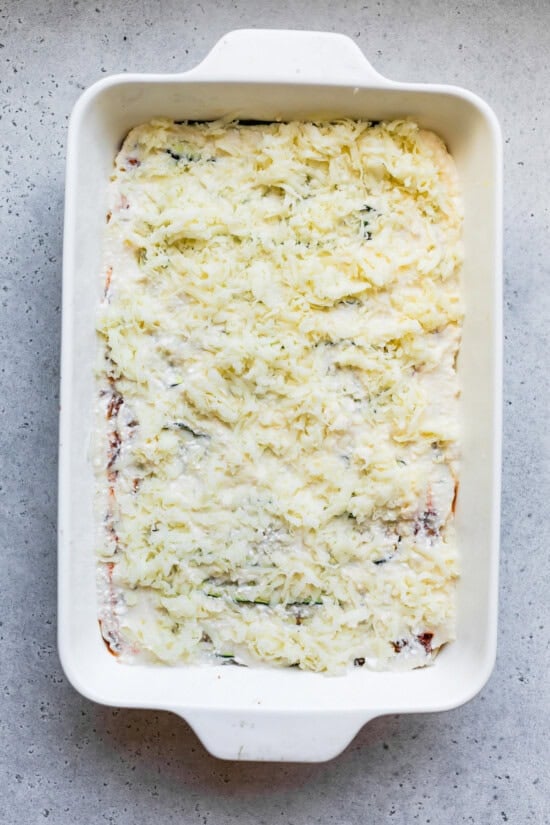
As with many layered baked dishes, the Zucchini Lasagna offers practical advantages for meal planning and storage. For those engaged in meal preparation, the lasagna can be assembled ahead of time and baked later, or baked entirely and portioned for future meals. It typically stores well in the refrigerator for several days, making it a convenient option for busy individuals or families.
While zucchini naturally releases some moisture over time, even in cooked dishes, the initial grilling and subsequent resting period after baking help mitigate this. Leftovers, though they might exhibit a slight increase in liquid, retain their delicious flavor and texture when reheated, either in the oven or microwave. This makes the Zucchini Lasagna a versatile and practical choice for batch cooking, ensuring healthy meals are readily available throughout the week. For longer storage, individual portions can be frozen, thawed, and reheated, further extending its utility in a meal prep routine.
Conclusion: A Culinary Legacy of Health and Flavor
The Noodle-less Zucchini Lasagna from Skinnytaste has firmly established itself as a culinary innovation that successfully marries the comforting appeal of classic Italian cuisine with the demands of modern healthy eating. Its enduring popularity, evidenced by its decade-long status as a "Skinnytaste favorite" and its inclusion in a foundational cookbook, speaks to its exceptional balance of flavor, nutrition, and practicality. By strategically addressing challenges like vegetable moisture content and offering a robust nutritional profile, this recipe exemplifies how traditional dishes can be thoughtfully adapted to meet evolving dietary needs without compromising on the deeply satisfying experience that makes them beloved. It stands as a testament to the power of thoughtful recipe development in promoting healthier lifestyles through delicious and accessible means, continuing to influence home cooks and inspire further culinary creativity in the realm of nutritious comfort food.
