

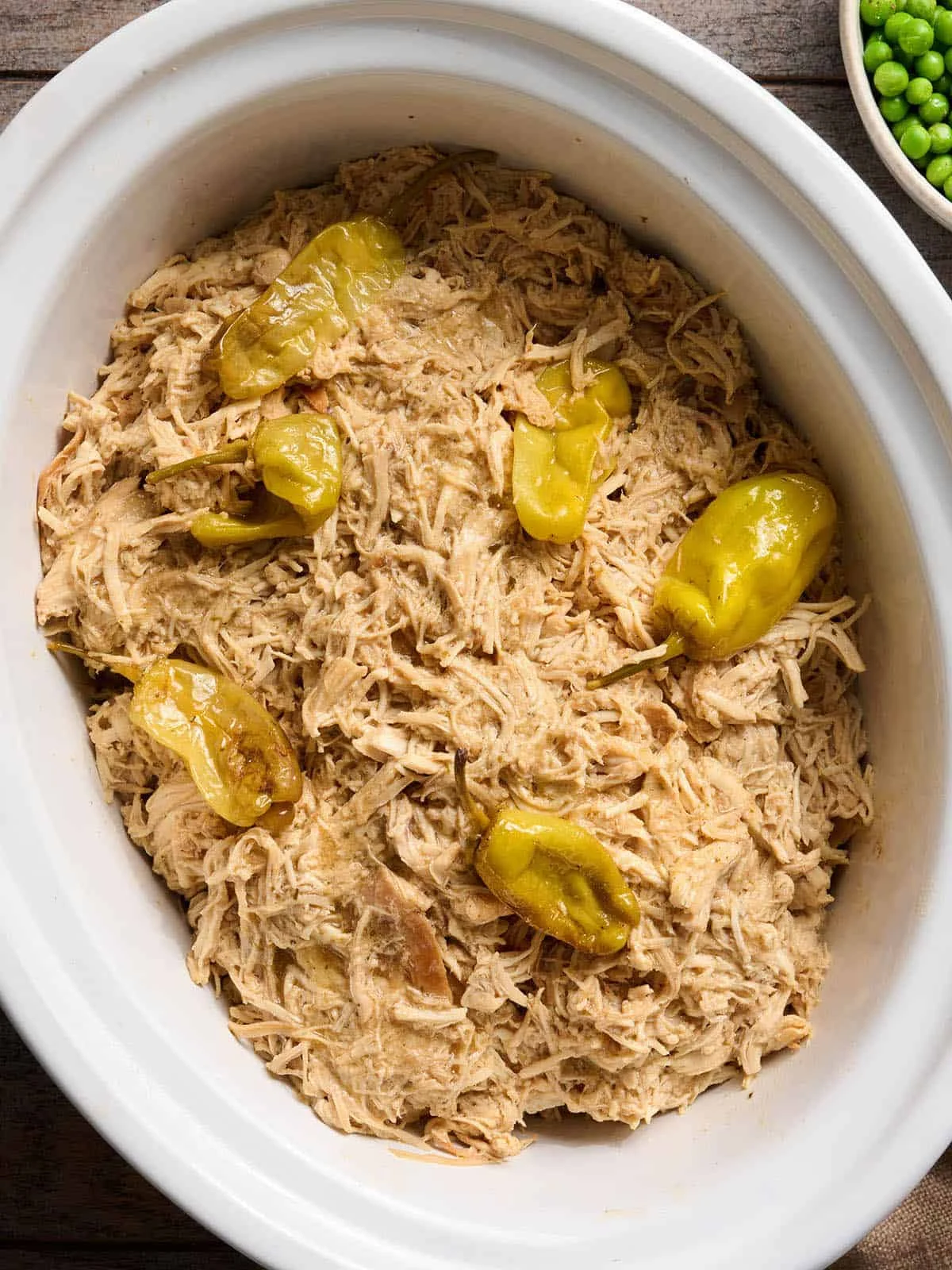
The rise of the "Mississippi Chicken" phenomenon represents a significant shift in American domestic culinary habits, blending mid-century slow-cooking traditions with contemporary economic pressures. As food inflation continues to impact household budgets across the United States, consumers are increasingly turning toward high-yield, low-cost recipes that offer both nutritional density and ease of preparation. This five-ingredient crockpot recipe, characterized by its use of chicken breasts or thighs, ranch seasoning, au jus gravy mix, butter, and pepperoncini peppers, has emerged as a frontrunner in the "set it and forget it" category of home cooking. With a preparation time of approximately ten minutes and a cost-per-serving calculated at roughly $1.74, the dish serves as a case study in how modern recipe development prioritizes efficiency without sacrificing the savory profiles traditionally associated with more expensive cuts of meat.
The Culinary Lineage: From Pot Roast to Poultry
To understand the rise of Mississippi Chicken, one must first examine its predecessor: the Mississippi Pot Roast. Originally credited to Robin Chapman of Ripley, Mississippi, in the 1990s, the original beef-based recipe was designed to be a more palatable version of a traditional chuck roast for her children. The recipe eventually moved from church cookbooks to the digital sphere, becoming a viral sensation on platforms like Pinterest and Facebook in the mid-2010s.
The adaptation from beef to chicken is a relatively recent evolution, driven largely by the fluctuating prices of the global meat market. According to the Bureau of Labor Statistics (BLS) Consumer Price Index, the price of beef and veal has seen significant volatility over the last decade, often making it a luxury item for middle-to-lower-income families. Chicken, conversely, remains one of the most cost-effective protein sources in North America. By applying the "Mississippi" flavor profile—tangy, buttery, and savory—to chicken breasts or thighs, culinary developers have managed to retain the nostalgic appeal of the original dish while reducing the overall cost of production by nearly 40% per batch.
Economic Breakdown and Market Accessibility
The fiscal appeal of Mississippi Chicken is rooted in its reliance on pantry staples and affordable proteins. A standard iteration of the recipe utilizes three pounds of boneless, skinless chicken breasts or thighs. In the current market, these proteins are frequently featured in "loss leader" sales at major grocery chains, further driving down the cost.
A granular look at the expenditure for a six-serving batch reveals the following average cost distribution:
- Chicken (3 lbs): Approximately $6.00 to $7.50, depending on regional market rates and sales.
- Seasoning Packets (Ranch and Au Jus): Store-brand options typically retail for $0.50 to $1.00 each.
- Unsalted Butter (1 stick): Roughly $0.75 to $1.00.
- Pepperoncini Peppers (approx. 8 peppers): Negligible cost when calculated from a $2.50 jar.
The total recipe cost, estimated at $10.44, yields six generous servings. At $1.74 per serving, this dish significantly undercuts the average cost of a fast-food meal, which has risen to over $7.00 in many metropolitan areas. Furthermore, the recipe’s lack of "hidden costs"—such as the need for fresh aromatics like onions or garlic that require chopping and have a shorter shelf life—enhances its economic viability for time-poor consumers.
The Science of the Slow Cooker Method
The efficacy of Mississippi Chicken relies heavily on the thermodynamics of the slow cooker. Unlike traditional roasting or pan-searing, which can result in dry poultry, the slow cooker environment allows the chicken to braise in its own released moisture. A common misconception among novice cooks is that liquid, such as water or chicken stock, must be added to the vessel. However, as the internal temperature of the chicken rises, the cellular structure of the meat breaks down, releasing natural juices.
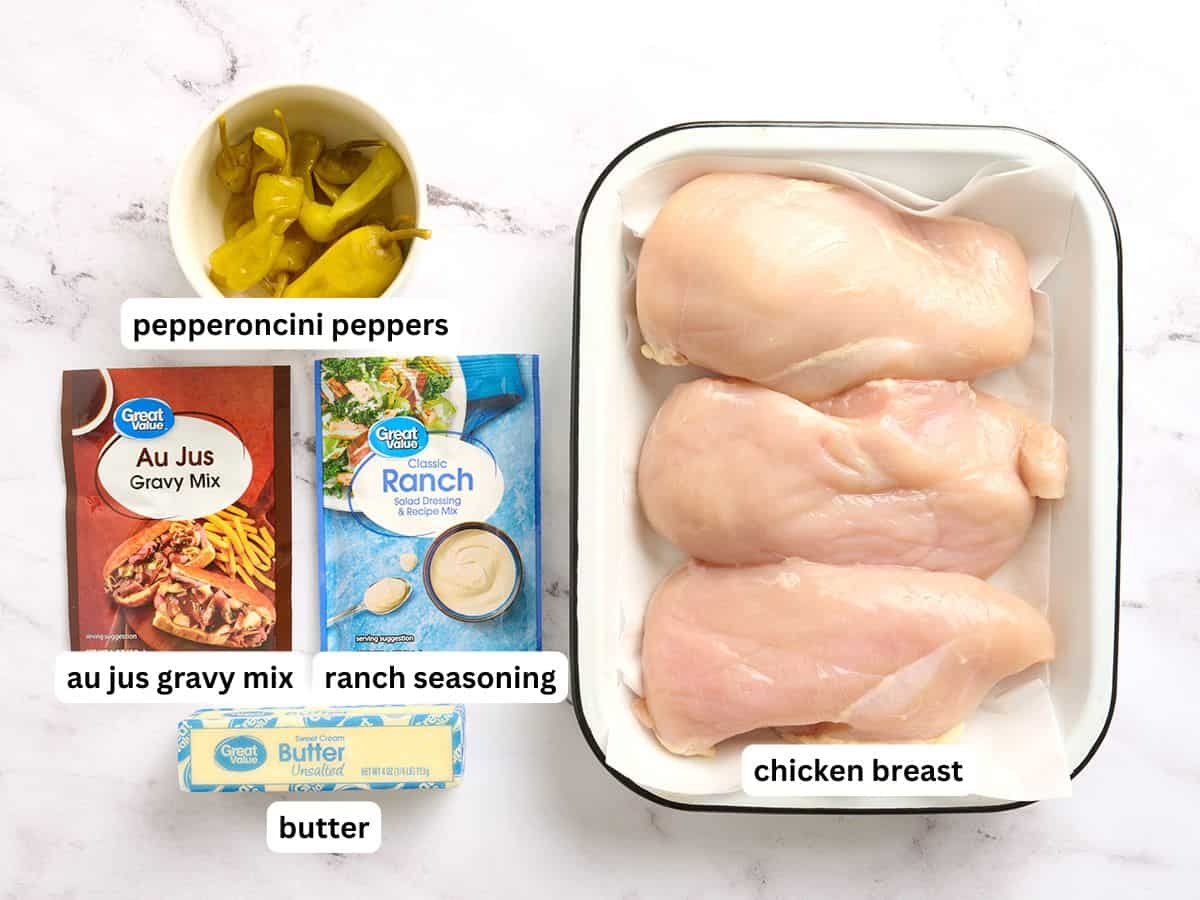
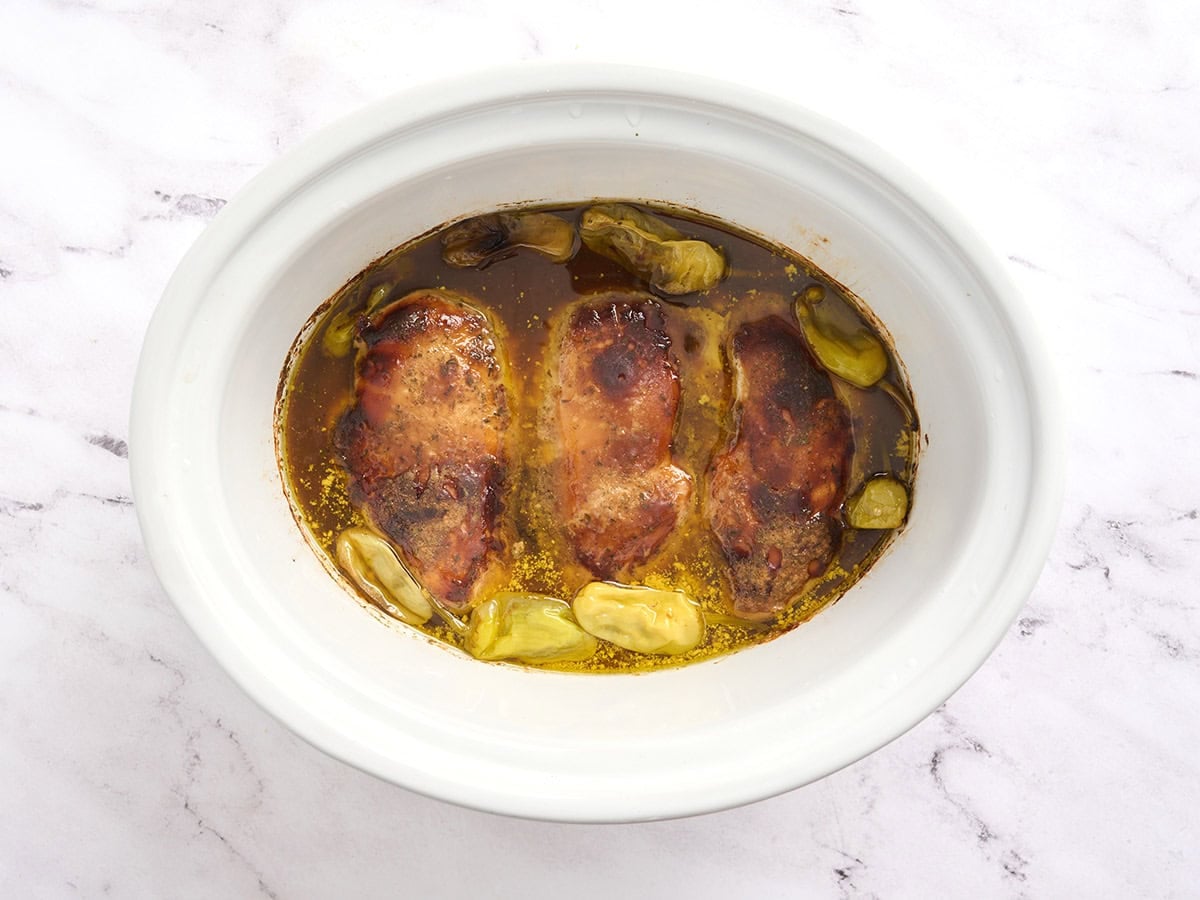
When these juices combine with the melting stick of unsalted butter and the dehydrated seasonings of the ranch and au jus packets, they create a self-basting emulsion. The acetic acid from the pepperoncini peppers acts as a tenderizer, further breaking down the protein fibers over a six-hour period on "low" heat or a three-to-four-hour period on "high" heat. The result is a shredded texture that is highly versatile for various meal applications.
Nutritional Profile and Health Considerations
From a nutritional standpoint, Mississippi Chicken provides a high-protein foundation, offering approximately 49 grams of protein per one-cup serving. This makes it an attractive option for those following high-protein or ketogenic diets. However, health professionals often point to the sodium content as a point of concern. A single serving can contain upwards of 1,281 mg of sodium, which is more than half of the daily recommended intake suggested by the American Heart Association.
To mitigate these effects, recipe developers and nutritionists suggest several modifications:
- Unsalted Butter: Using unsalted butter is considered mandatory by culinary experts to prevent the dish from becoming inedibly salty, as the seasoning packets are already sodium-dense.
- Low-Sodium Seasoning: Many retailers now offer low-sodium or "organic" versions of ranch and au jus mixes, which utilize potassium chloride or herbs to provide flavor without the high salt content.
- Homemade Mixes: Consumers can further control the nutritional profile by creating homemade ranch seasoning using dried parsley, dill, garlic powder, and onion powder, omitting the salt entirely.
Chronology of Preparation and Implementation
The workflow for Mississippi Chicken is designed for maximum efficiency, catering to the "working parent" demographic. The chronology of the process is as follows:

- 0-5 Minutes (Assembly): The chicken is placed in an even layer at the bottom of a six-quart slow cooker. This placement is critical for even heat distribution.
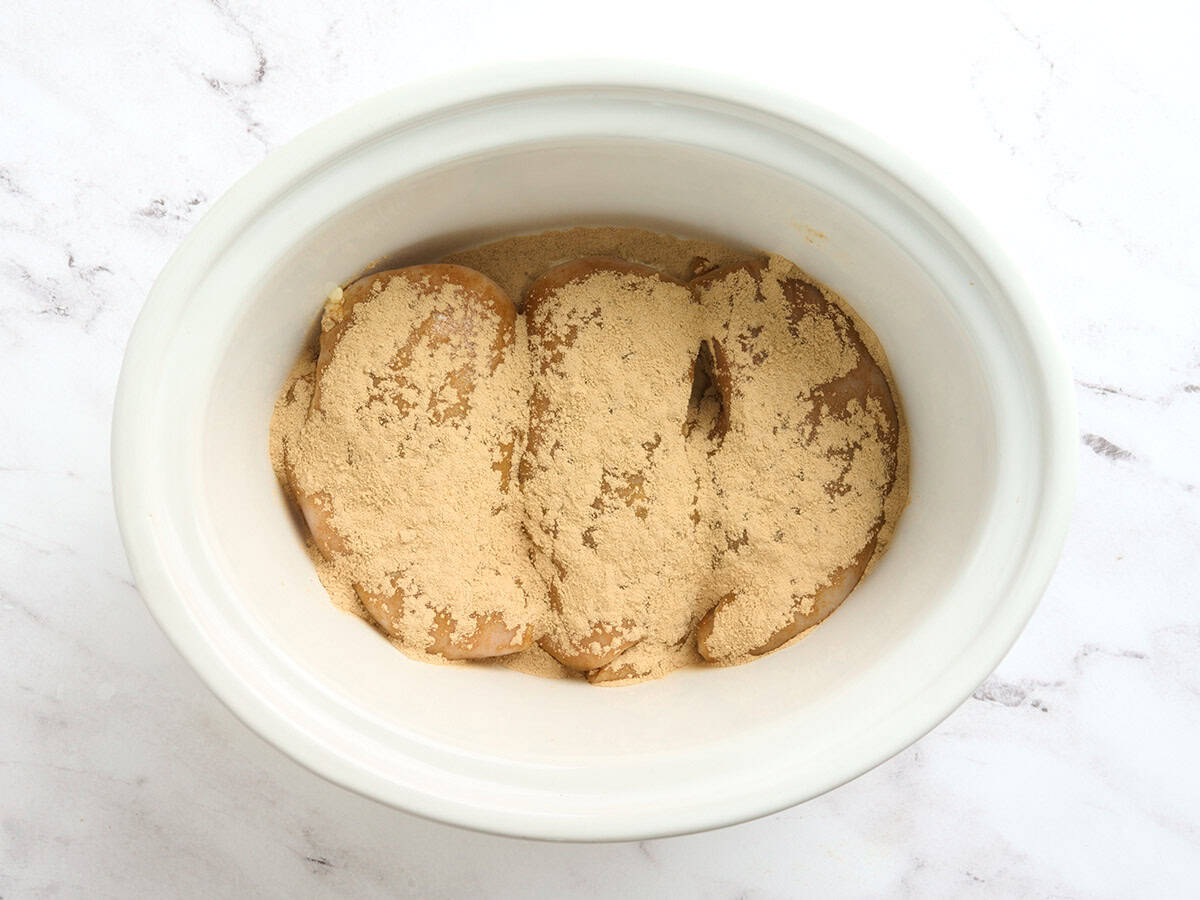
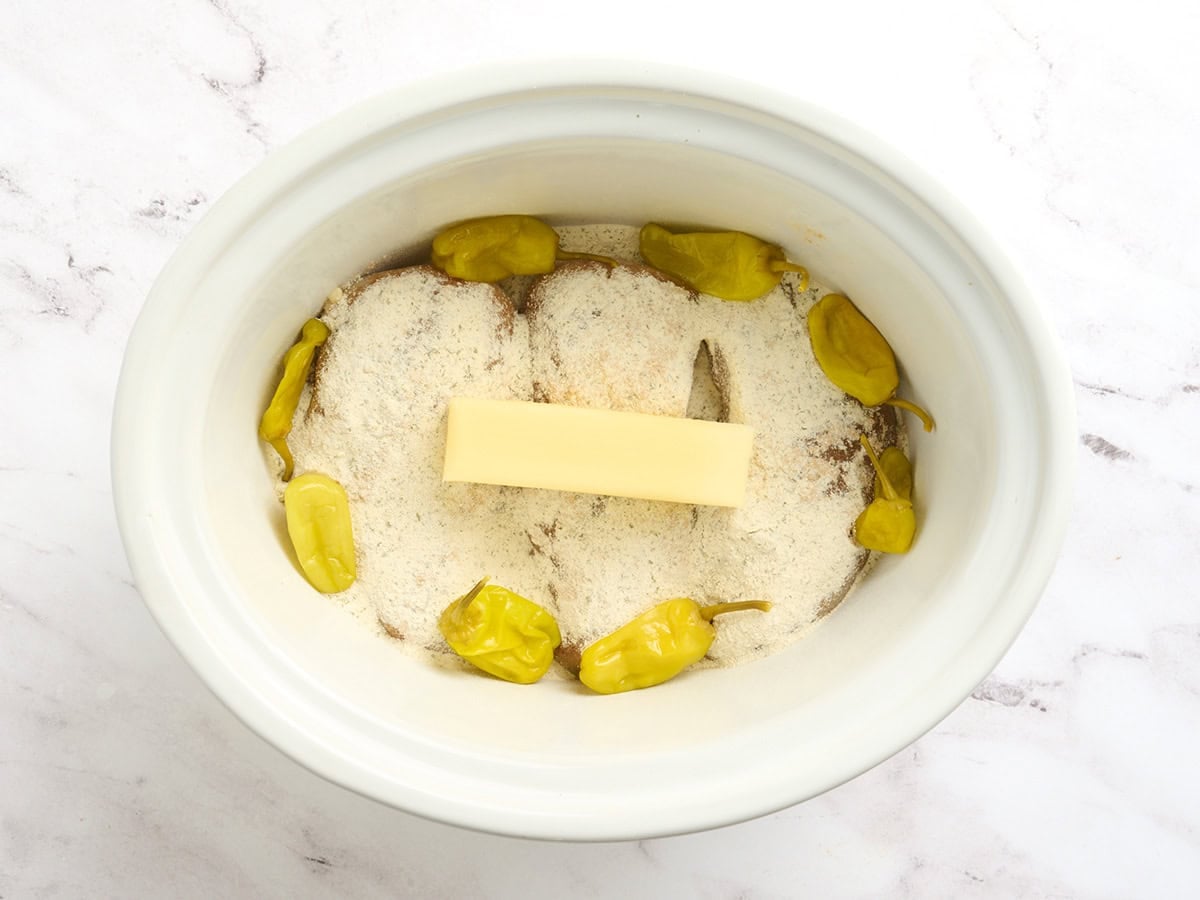
- 5-10 Minutes (Seasoning): The dry packets are sprinkled over the meat, followed by the placement of the butter and peppers. No stirring is required at this stage.
- 6 Hours (Cooking): The device is set to low. During this time, the internal temperature of the chicken must reach at least 165°F (74°C) to ensure food safety and optimal shredability.
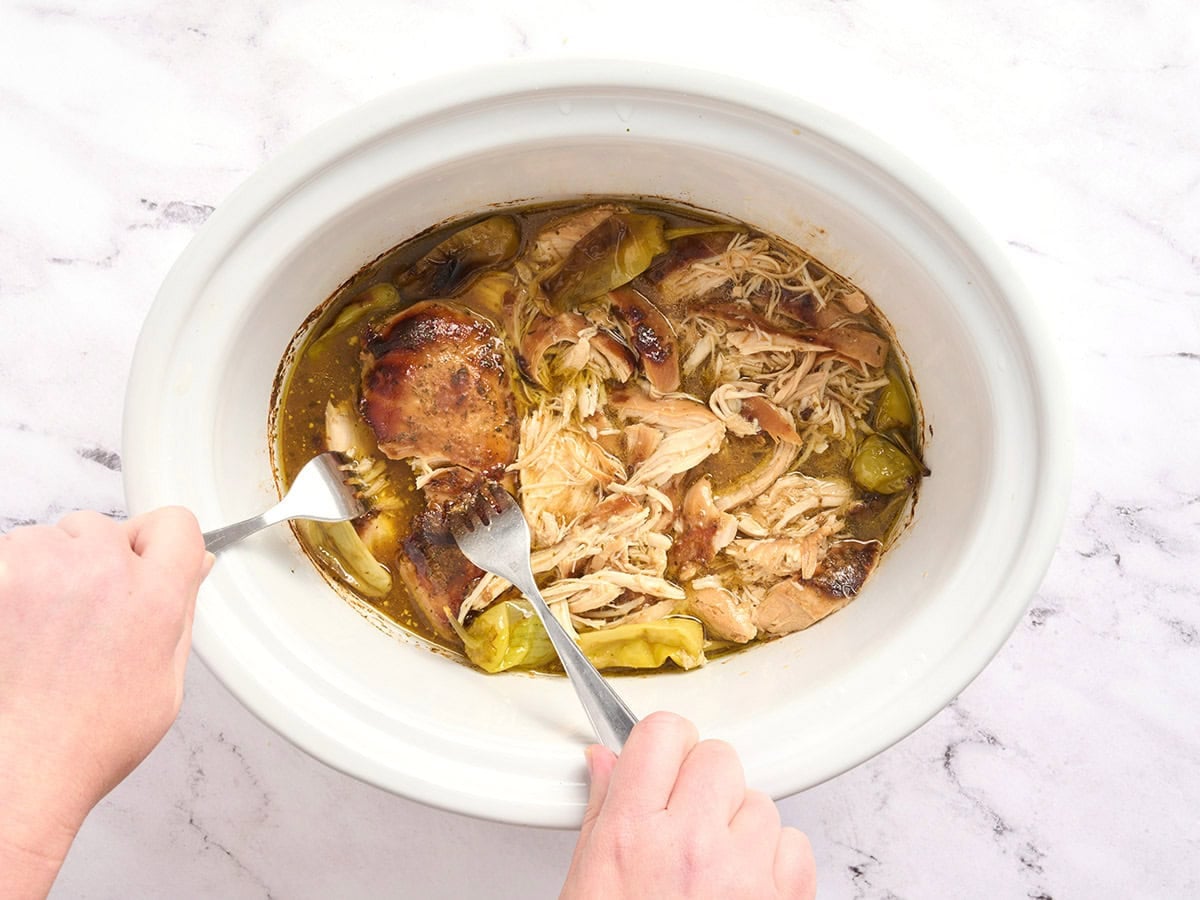
- Final Stage (Shredding): Two forks are used to shred the meat directly in the pot, allowing it to soak up the accumulated juices.
This streamlined process removes the barriers of "culinary fatigue," a term used by sociologists to describe the mental exhaustion associated with daily meal planning and execution.
Versatility and Secondary Meal Applications
One of the primary reasons for the recipe’s enduring popularity in the meal-prep community is its "stretcheability." The shredded chicken serves as a base for multiple distinct meals, reducing the monotony of leftovers:
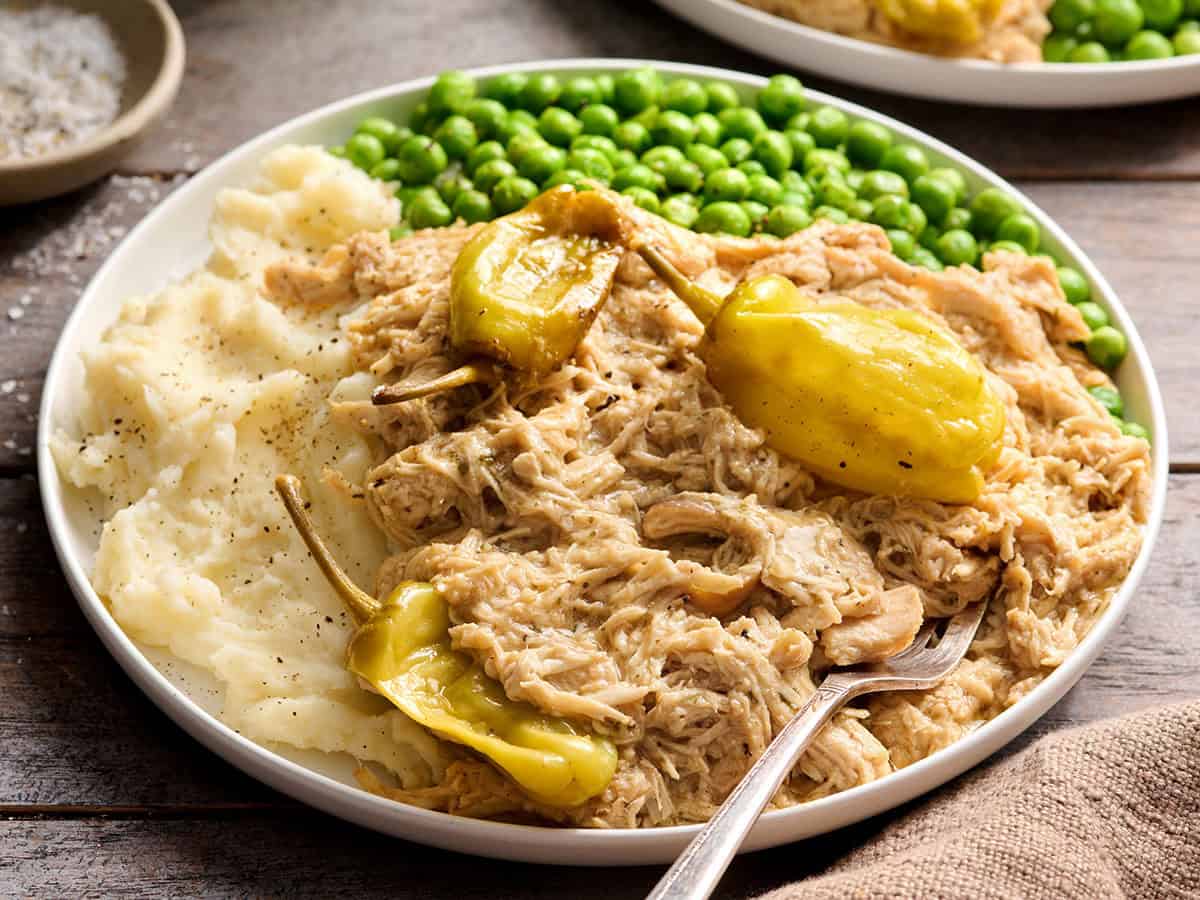
- Classic Plating: Served over mashed potatoes or rice with a side of steamed vegetables.
- Sandwiches: Piled onto Hawaiian rolls or brioche buns with provolone cheese to create "Mississippi Sliders."
- Fusion Applications: Used as a topping for nachos or as a filling for tacos and wraps.
- Toppings: Spooned over baked potatoes or stirred into pasta for a quick "creamy chicken" dish.
This versatility ensures that a single cooking session can provide the foundation for three to four different dinners throughout the workweek.
Broader Implications for the Food Industry
The success of recipes like Mississippi Chicken indicates a broader shift in consumer behavior. There is a growing demand for "semi-homemade" cooking—a term popularized by Sandra Lee—which utilizes high-quality convenience items to create a home-cooked experience. For the grocery industry, this has led to an increase in the production and marketing of store-brand seasoning packets and bulk poultry packaging.
Furthermore, the "Mississippi" flavor profile has become a recognized brand in itself. Major food manufacturers have taken note, with some releasing "Mississippi Style" slow cooker sauces in jars, attempting to capitalize on the DIY trend. However, the five-ingredient original remains the preferred method for purists due to its transparency and cost-effectiveness.
Conclusion: The Future of Affordable Home Cooking
As we look toward the future of domestic dining, the Mississippi Chicken recipe stands as a testament to the resilience and creativity of home cooks. It reflects a pragmatic approach to nourishment that balances the realities of the modern economy with the universal desire for comfort food. By leveraging the technology of the slow cooker and the affordability of poultry, this dish has secured its place in the American culinary canon, proving that a meal does not need to be expensive or complex to be deeply satisfying.
The ongoing popularity of such recipes suggests that the "slow cooking" movement is not merely a trend, but a necessary evolution in the face of changing lifestyles and economic landscapes. Whether served in a Nashville test kitchen or at a family dinner table in the Midwest, Mississippi Chicken remains a symbol of efficient, flavorful, and accessible gastronomy.
