

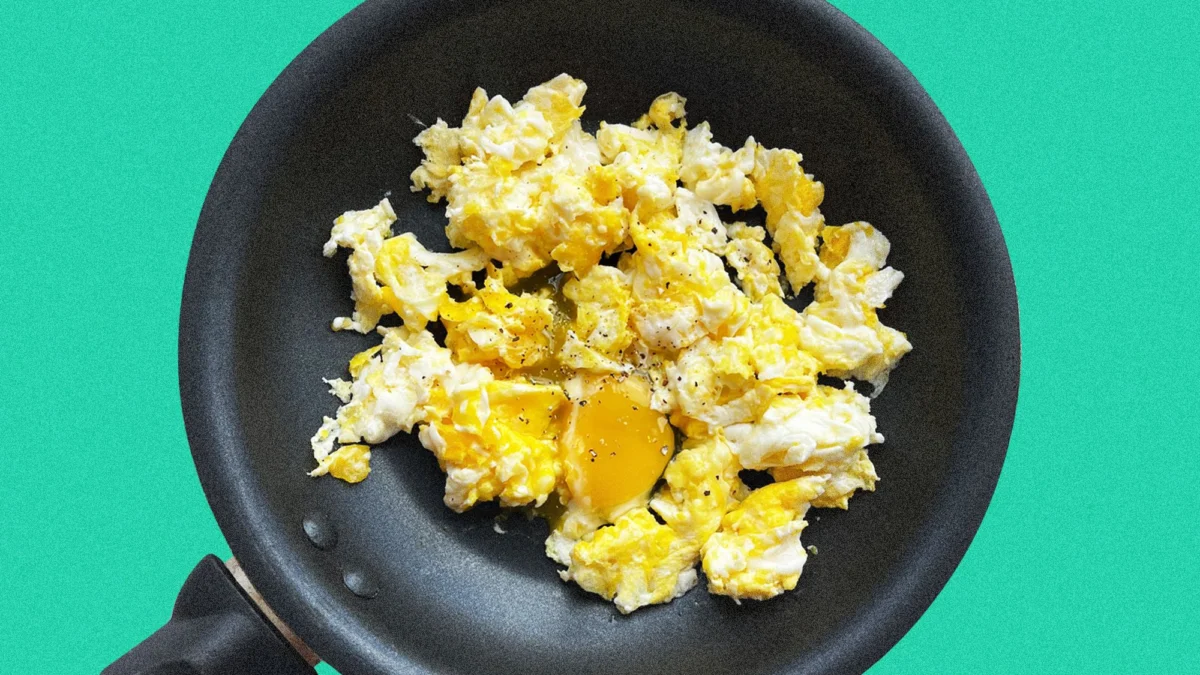
The preparation of scrambled eggs, a staple in breakfast routines globally, has long been appreciated for its simplicity and efficiency, typically requiring no more than ten minutes from carton to plate. However, a recent culinary innovation, or perhaps a rediscovered technique, known as "frambled" eggs, is rapidly gaining traction for further streamlining this process, promising even greater speed and a reduction in post-meal cleanup. This method, a clever fusion of frying and scrambling, has emerged as a significant trend on social media platforms, appealing to a contemporary audience seeking both convenience and culinary satisfaction.
Understanding the Frambled Egg: A Culinary Hybrid Defined
At its core, the frambled egg represents a departure from traditional egg preparation methods by integrating steps that are typically distinct. Unlike classic scrambled eggs, which often involve pre-beating eggs in a separate bowl before cooking, or fried eggs, which maintain an intact yolk, frambling combines elements of both in a single pan. The term itself, "frambled," a portmanteau of "fried" and "scrambled," aptly describes this halfhearted fried-slash-scramble approach. The technique’s primary allure lies in its ability to eliminate the need for an extra bowl and whisk, thereby reducing the number of dishes and utensils requiring cleaning—a considerable advantage for busy individuals or those prioritizing kitchen efficiency.
The procedural simplicity of frambled eggs is key to its widespread adoption. The process begins with heating a nonstick or carbon-steel pan over medium heat, followed by the addition of a small amount of fat, such as a pat of butter or a swirl of olive oil, ensuring the pan’s surface is adequately coated. Once the fat is shimmering, eggs are cracked directly into the pan. Instead of immediately scrambling them, they are allowed to set for a few seconds, much like preparing a fried egg. This initial setting phase is crucial as it allows the whites to solidify slightly around the yolks. Following this brief setting period, a rubber spatula is introduced to gently slide under the eggs, ensuring they are not sticking, while simultaneously shaking the pan to redistribute the fat. The defining step of frambling then involves using the spatula to intentionally break the yolks and subsequently scramble the broken (rather than pre-beaten) eggs directly in the pan. This technique allows for a highly customizable texture, from looser, larger curds to a more finely scrambled consistency, depending on individual preference. A notable variation popular among enthusiasts involves leaving one yolk partially intact or just broken without full incorporation, yielding a desirable "jammy" texture that adds a rich, unctuous mouthfeel to the dish. Once the desired consistency is achieved, the heat is cut, and the eggs are ready for serving.
The Genesis and Ascent of a Social Media Sensation
While the technique of cooking eggs directly in the pan and then scrambling them is not entirely new, having likely been practiced informally by home cooks for decades, its formal naming as "frambled" and subsequent explosion in popularity are decidedly recent phenomena. The last few months have witnessed an unprecedented surge in content featuring frambled eggs across major social media platforms, particularly TikTok, Instagram, and YouTube. This trajectory mirrors the broader trend of culinary hacks and simplified cooking methods finding a massive audience online.
The timeline of its viral ascent can be broadly traced to early 2024, though isolated instances of similar techniques might have appeared earlier. Food content creators, renowned for their ability to distill complex culinary processes into short, engaging video clips, began showcasing the frambling method. These creators, ranging from professional chefs to passionate home cooks, highlighted the technique’s speed and minimal cleanup, attributes that resonate strongly with a demographic increasingly seeking practical solutions for daily meal preparation. The hashtag #frambledeggs, alongside variations like #egghack and #onepaneggs, rapidly accumulated millions of views, shares, and likes. This organic virality, driven by user-generated content and the ease with which the technique can be replicated, cemented frambled eggs as a legitimate and widespread culinary trend. The inherent visual appeal of watching eggs transform in a single pan, combined with the promise of a quicker breakfast, proved irresistible to a global audience.
Efficiency and Convenience: The Driving Force Behind Frambled Eggs
The undeniable appeal of frambled eggs stems directly from their remarkable efficiency and convenience, qualities that are increasingly valued in modern lifestyles. Traditional scrambled egg recipes often instruct cooks to crack eggs into a separate bowl, add a splash of milk or water, season, and then whisk vigorously before transferring to a hot pan. While not inherently complex, this sequence invariably adds an extra step and, critically, an additional item (the bowl and whisk) to clean. Frambled eggs circumvent this entirely by allowing the entire process—from cracking to scrambling—to occur within the confines of a single pan.
This streamlined approach translates into tangible time savings. While classic scrambled eggs might take "less than 10 minutes," frambling shaves off precious seconds, making it "even speedier" by eliminating the pre-beating step and the subsequent utensil washing. For individuals rushing to get ready for work or school, or those simply preferring a more relaxed start to their day, these saved minutes and reduced cleanup burden are highly significant. Data on breakfast consumption habits consistently indicates a strong preference for quick and easy meal solutions, particularly on weekdays. A 2023 survey on consumer food trends, for instance, highlighted that over 60% of respondents prioritize convenience when choosing breakfast options. Frambled eggs directly address this demand, offering a quick, nutritious, and satisfying meal with minimal fuss. This emphasis on efficiency also aligns with broader minimalist movements in home organization and living, where fewer tools and simpler processes are often preferred.
Culinary Versatility and Flavor Customization
Beyond its efficiency, the frambled egg technique offers remarkable culinary versatility, allowing for extensive customization to suit diverse palates and dietary preferences. The base framble provides a neutral canvas that readily accepts a myriad of additions, transforming a simple egg dish into a more elaborate and flavorful meal.

For those looking to incorporate vegetables, the technique accommodates pre-cooking ingredients directly in the same pan before adding the eggs. Sautéing thinly sliced onions or a handful of fresh greens, such as spinach or kale, until tender provides a savory foundation and boosts nutritional content. Alternatively, any cooked leftovers can be stirred into the frambled eggs during the final stages of cooking. Popular choices include roughly chopped roasted broccoli, which adds a pleasant char and texture, or sweet potato, contributing a subtle sweetness and earthy depth. This adaptability makes frambled eggs an excellent vehicle for utilizing leftover ingredients, minimizing food waste—another increasingly important consideration for environmentally conscious consumers.
The flavor profile can also be significantly elevated through the incorporation of various condiments and pastes. A dollop of homemade or store-bought pesto introduces bright, herbaceous notes and a rich, garlicky aroma. For those who appreciate a spicy kick, a spoonful of harissa paste offers North African-inspired warmth and complexity, while chili crisp provides a textural crunch and an umami-rich heat that has become immensely popular in recent years. These additions not only enhance the taste but also reflect a growing consumer interest in global flavors and bold, exciting culinary experiences, even for a simple breakfast dish.
Beyond the Pan: Frambled Eggs as a Foundation for Breakfast Innovation
While perfectly satisfying served simply alongside a slice of toast, frambled eggs truly shine as the foundational element for more elaborate breakfast creations, particularly the ever-popular breakfast sandwich. The unique texture of frambled eggs—often slightly softer and more cohesive than a traditional scramble due to being broken in the pan rather than pre-beaten—makes them ideal for folding and fitting into various bread formats.
The construction of a frambled egg breakfast sandwich is straightforward yet allows for significant personalization. The cooked framble can be folded into a size and shape that complements the chosen bread, whether it’s a rustic roll, a toasted bagel, or slices of sandwich bread. A few thin slices of cheese, such as sharp cheddar or classic American, are often laid over the hot eggs, allowing the residual heat to melt them into a gooey, comforting layer. Once the eggs and cheese are perfectly integrated, they are slid onto the bread. The sandwich is then typically enhanced with a drizzle of hot sauce for a spicy kick, or for those with more traditional tastes, a simple seasoning of salt and pepper, often accompanied by a generous dollop of ketchup. For an added layer of indulgence and texture, a strip or two of crispy bacon can be nestled alongside the eggs. This combination creates a portable, hearty, and immensely satisfying meal that ensures the day begins on a robust note.
The breakfast sandwich itself holds a significant place in culinary culture globally. From the bodega-style bacon, egg, and cheese in New York City to the elaborate full English breakfast bap, these handheld meals are celebrated for their convenience, satiety, and versatility. The frambled egg technique enhances this tradition by offering a quicker, less messy way to prepare the egg component, making the homemade breakfast sandwich even more accessible and appealing to a wider audience. This application of frambled eggs underscores its potential not just as a standalone dish but as a versatile ingredient that can elevate other breakfast staples.
Culinary Commentary and Broader Implications
The rise of frambled eggs, while seemingly a minor culinary footnote, carries broader implications for home cooking trends and the food industry. Culinary commentators and food trend analysts have largely embraced the frambled egg phenomenon, recognizing it as a prime example of consumer-driven innovation in the kitchen.
Food industry experts note that the popularity of such simple, efficient techniques reflects a deeper societal shift towards valuing both convenience and the satisfaction of home-cooked meals. As individuals increasingly juggle demanding schedules, quick and easy recipes that do not compromise on taste or quality become invaluable. Frambled eggs perfectly encapsulate this desire, offering a practical solution that empowers even novice cooks to prepare a delicious and customized breakfast with minimal effort.
From a culinary perspective, the technique also highlights a renewed appreciation for ingredient-focused cooking. By stripping away complexities, frambling brings the quality of the egg itself to the forefront, encouraging experimentation with different types of eggs (e.g., pasture-raised, organic) and subtle flavor enhancements. This minimalist approach to preparation aligns with broader trends towards cleaner eating and a greater understanding of food origins.
Moreover, the frambled egg trend underscores the powerful influence of social media in shaping modern culinary landscapes. Platforms like TikTok have become indispensable incubators for food trends, capable of catapulting simple recipes or cooking hacks into global phenomena overnight. This democratizes culinary innovation, allowing anyone with a camera and a kitchen to become a tastemaker and influence how millions approach their daily meals. The ongoing engagement and iterative improvements seen in online communities further refine these techniques, ensuring their continued relevance and adaptability.
The implications extend beyond the home kitchen. Manufacturers of cookware might observe increased interest in high-quality nonstick or carbon-steel pans, which are essential for the frambling technique. Food brands could explore new ready-to-use flavor pastes or spice blends designed to complement quick egg preparations. The emphasis on speed and convenience could also inspire further innovations in breakfast food products, catering to consumers who seek both efficiency and quality in their morning meals.
In conclusion, the frambled egg technique, a seemingly minor adjustment to a classic breakfast staple, has rapidly ascended to prominence, fueled by its unparalleled efficiency, convenience, and adaptability. Its viral spread across social media platforms exemplifies how modern communication channels can democratize culinary knowledge and swiftly disseminate practical cooking innovations. Far from being a mere fleeting trend, frambled eggs represent a compelling response to the contemporary demand for quick, satisfying, and customizable home-cooked meals, solidifying its place as a significant development in the ongoing evolution of breakfast preparation. As home cooks continue to seek ways to simplify their routines without sacrificing flavor, the frambled egg stands as a testament to the power of thoughtful culinary shortcuts.
