

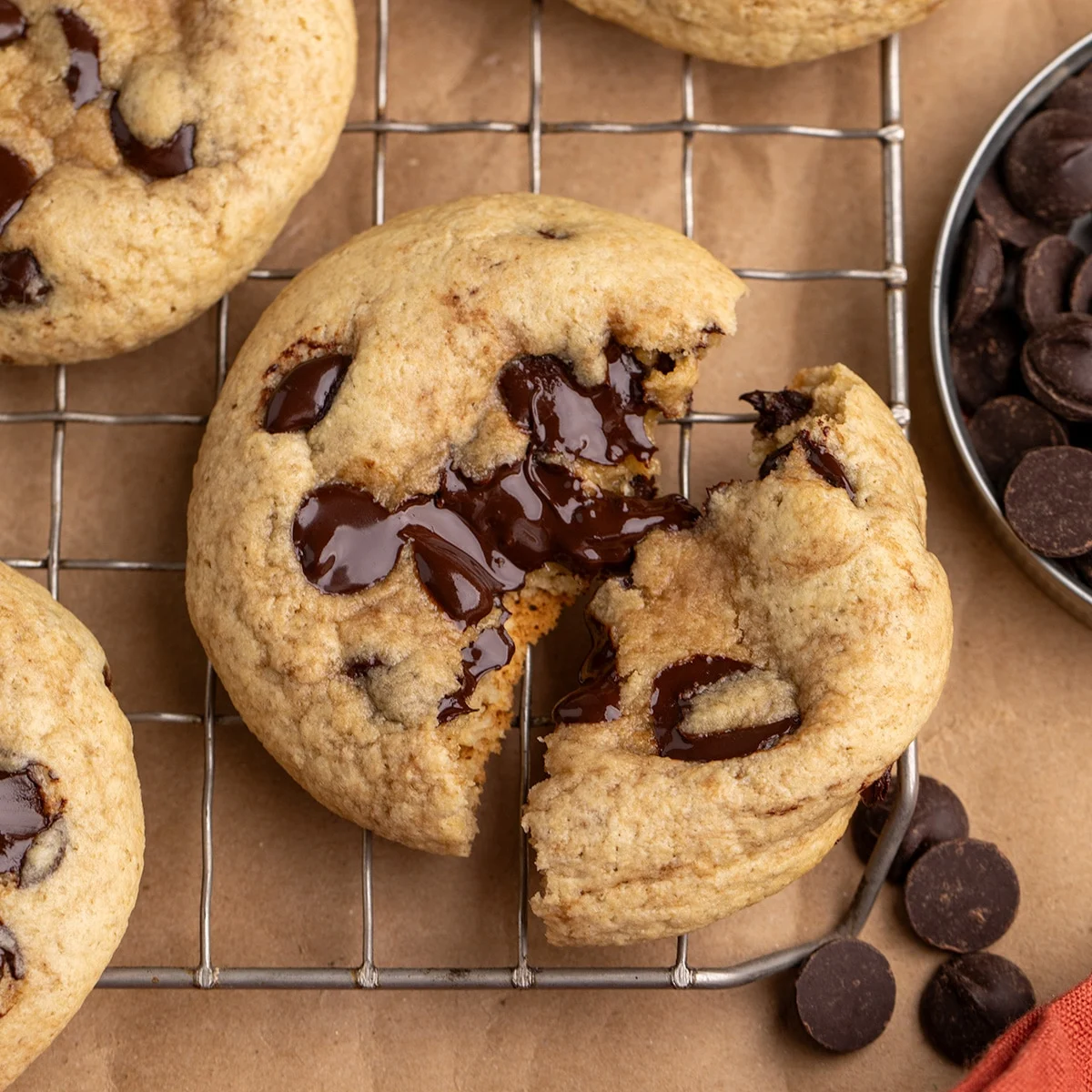
A culinary innovation is making waves in the health-conscious food scene, offering a delectable solution for those seeking both satisfying flavor and a significant protein boost. These newly developed Chocolate Chip Protein Cookies are meticulously crafted to deliver the comforting taste and texture of a classic chocolate chip cookie, while seamlessly integrating a substantial amount of protein, with each cookie providing an impressive 10 grams. This advancement addresses a common challenge in the realm of protein-enhanced baked goods: achieving a balance between nutritional value and enjoyable taste and texture.
The Science Behind the Soft, Chewy Success
The development of these protein cookies hinges on a thoughtful departure from conventional protein cookie recipes, which often rely heavily on nut butters for their structural and protein components. By substituting nut butters with protein powder, the flavor profile remains remarkably close to that of a traditional chocolate chip cookie, a significant win for discerning palates. This approach circumvents the potential for an overpowering nutty taste that can sometimes dominate protein-enhanced treats.
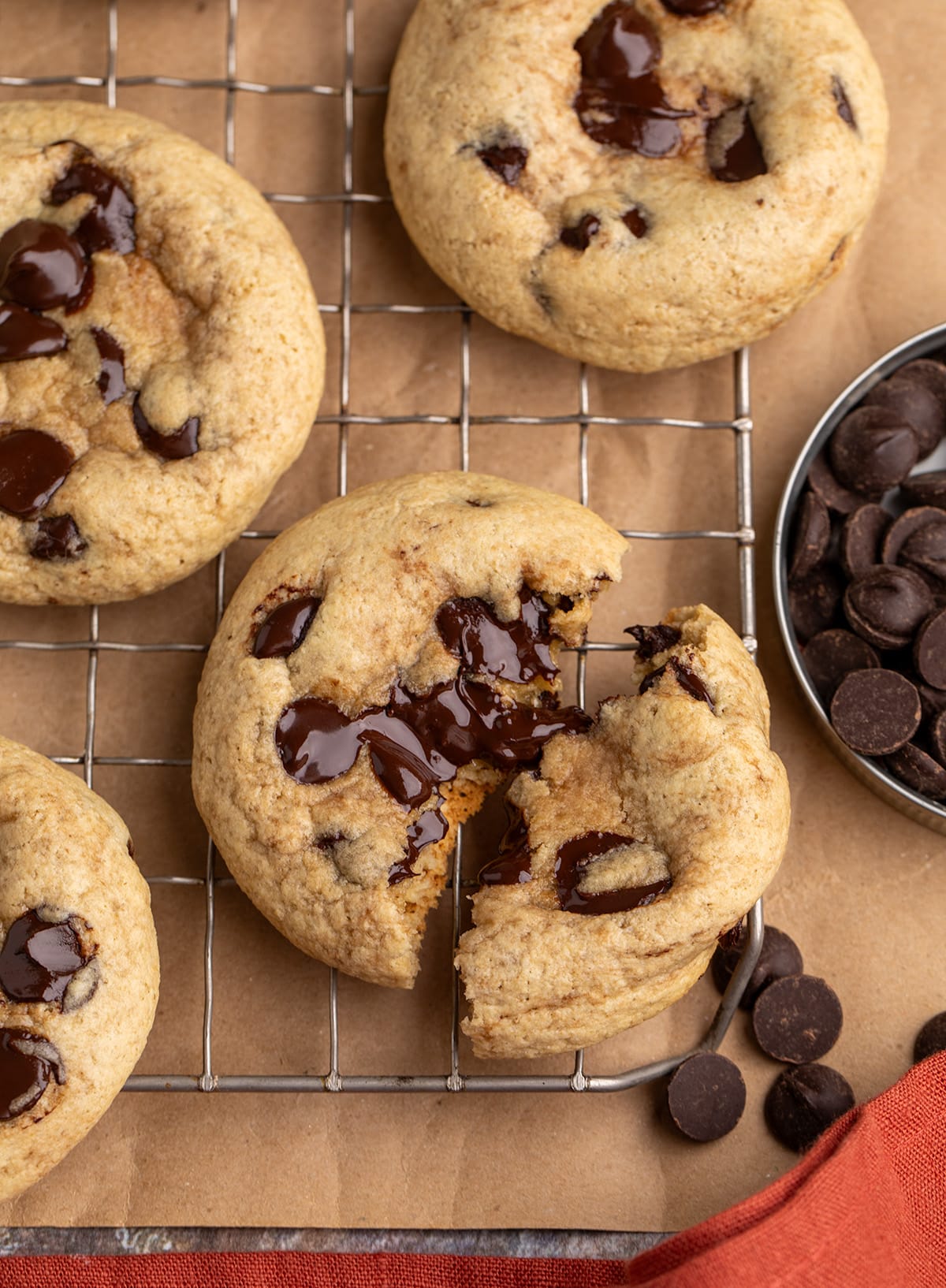
A key hurdle in formulating protein cookies is the inherent tendency of protein powder to create a dry, chalky texture. The culinary scientists behind this recipe have adeptly navigated this challenge by employing a strategic combination of finely ground oat flour and melted butter. These ingredients work in synergy with eggs to maintain a soft and chewy consistency, preventing the dryness often associated with high-protein baked goods. The judicious use of sugar further contributes to the desired texture, ensuring that the cookies remain tender and yielding.

A critical element in achieving the perfect texture lies in the baking process itself. The recipe emphasizes a precise baking time, advocating for the removal of the cookies from the oven when their tops are still pale and only the edges show nascent signs of browning. This technique allows the residual heat to continue the baking process as the cookies cool, resulting in a perfectly set yet delightfully soft and chewy final product. Over-baking, which would drive off more moisture, is thus carefully avoided.
Core Components: A Breakdown of Ingredients
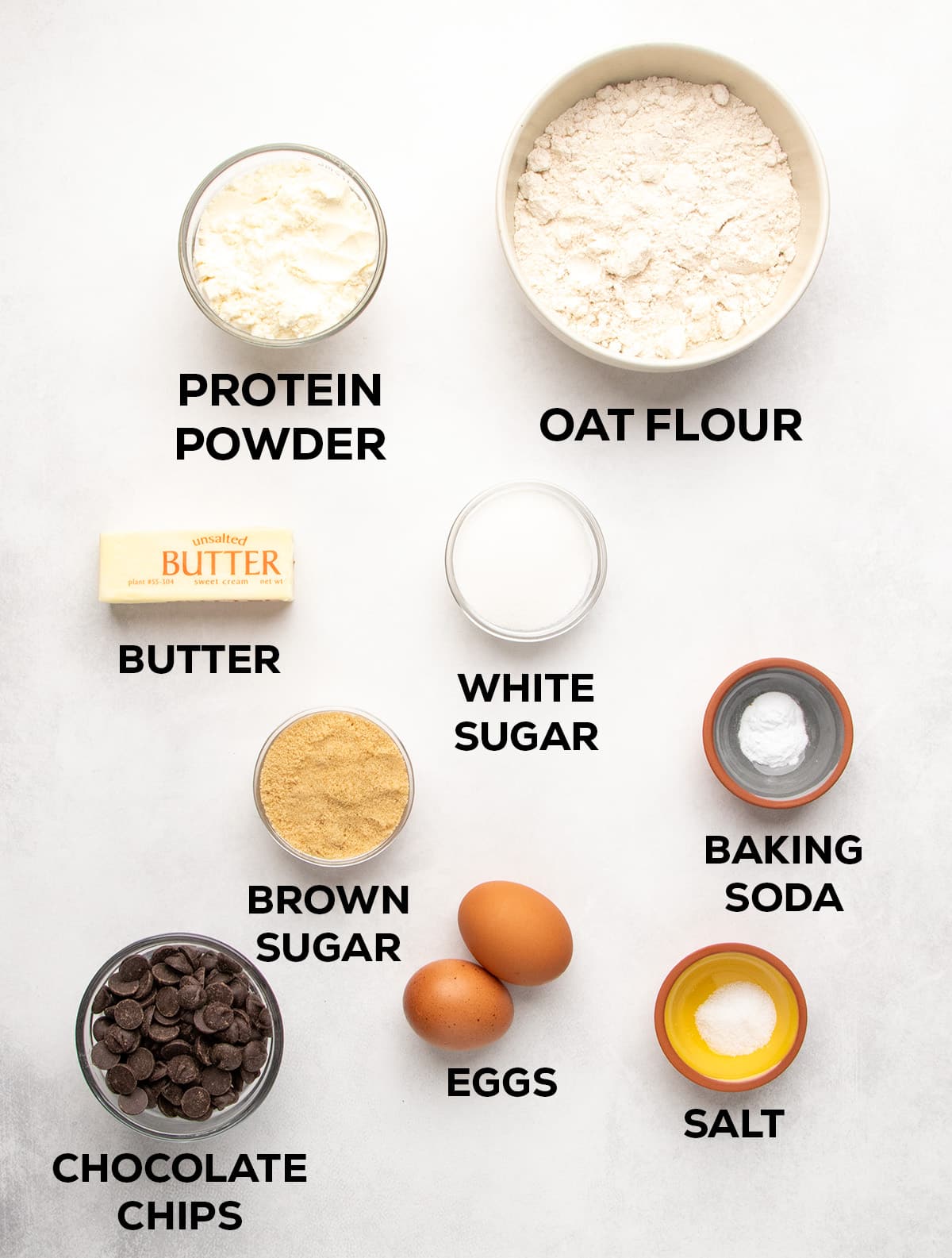
The foundation of these remarkable cookies is built upon a carefully selected array of ingredients, each playing a vital role in achieving the desired taste, texture, and nutritional profile. While precise quantities are detailed in the accompanying recipe card, the primary components include:
- Protein Powder: This is the star ingredient, providing the significant protein content without compromising the classic cookie flavor. The type of protein powder used can influence the final outcome, with options for whey protein isolate, collagen peptides, or plant-based alternatives.
- Oat Flour: Finely ground oat flour serves as a crucial binder and contributes to the soft, chewy texture. Its fine milling is essential to avoid grittiness.
- Butter: Melted butter not only adds richness and flavor but also contributes to the tender crumb structure.
- Eggs: Eggs act as a binder, adding moisture and contributing to the overall structure and chewiness of the cookies.
- Sugars (White and Brown): A combination of white and brown sugar provides sweetness and contributes to the cookies’ texture. Brown sugar, in particular, adds moisture and a characteristic chewiness.
- Baking Soda: This leavening agent helps the cookies spread and achieve a desirable texture.
- Salt: A touch of salt enhances the overall flavor profile, balancing the sweetness and chocolate notes.
- Chocolate Chips: Generous amounts of chocolate chips are essential for the quintessential chocolate chip cookie experience, providing pockets of melted chocolate throughout.
For those seeking alternative nutritional profiles or managing dietary restrictions, the recipe offers adaptable ingredient substitutions.
Navigating Dietary Nuances: Versatile Substitutions
The creators of this recipe have proactively addressed potential dietary needs, providing guidance for substitutions that maintain the integrity of the cookie’s structure and flavor:
-
Dairy-Free Options: For individuals avoiding dairy, block-style vegan butter, such as Melt or Miyoko’s, can be used as a direct substitute for butter. When substituting whey protein isolate, collagen peptides (like Vital Proteins or Perfect Hydrolyzed Collagen Peptides) are suggested as viable alternatives, though it’s noted that the result may not be identical. The use of flavored protein powders, such as Vega essentials chocolate flavor, is also an option, though the additional ingredients in these powders might influence the final cookie characteristics. For a dairy-free protein snack without protein powder, the recipe suggests exploring their protein balls, which offer approximately 6 grams of protein per serving.
-
Oat-Free Alternatives: For those unable to consume oats, the recipe proposes experimenting with finely ground quinoa flakes or other recommended oat substitutes. Alternatively, super-finely ground and sifted almond flour from brands like Blue Diamond or Wellbee’s can be utilized.
-
Egg-Free Formulations: To create an egg-free version, several substitutes are recommended: "chia eggs" (a mixture of 2 tablespoons ground white chia seeds and 4 tablespoons lukewarm water, allowed to gel), Bob’s Red Mill egg replacer, or JustEgg liquid refrigerated egg replacer.
-
Sugar Alternatives: While sugar alternatives can be incorporated, the recipe cautions that they may result in a drier cookie. This is attributed to sugar’s inherent moisture-locking properties, which are not replicated by most artificial sweeteners. Lakanto brand sugar alternatives are mentioned as a potential option for experimentation.
The Art of Creation: A Step-by-Step Culinary Journey
The process of crafting these protein-rich delights is designed to be both intuitive and rewarding, with each step contributing to the final exceptional outcome:
-
The Union of Dry Ingredients: The initial phase involves meticulously whisking together the oat flour, protein powder, white and brown sugars, baking soda, and salt. This thorough mixing ensures uniform distribution of leavening agents and salt, preventing any pockets of concentrated flavor or texture. Particular attention is paid to breaking down any clumps in the brown sugar, guaranteeing a smooth base.
-
The Integration of Wet Components: A central well is formed within the dry ingredients, into which the melted butter and beaten eggs are introduced. This method of combining wet and dry ingredients helps to contain the liquids, minimizing mess and facilitating a swift, even incorporation. The objective is to create a thick dough without overmixing, which can lead to a tough or stringy batter.
-
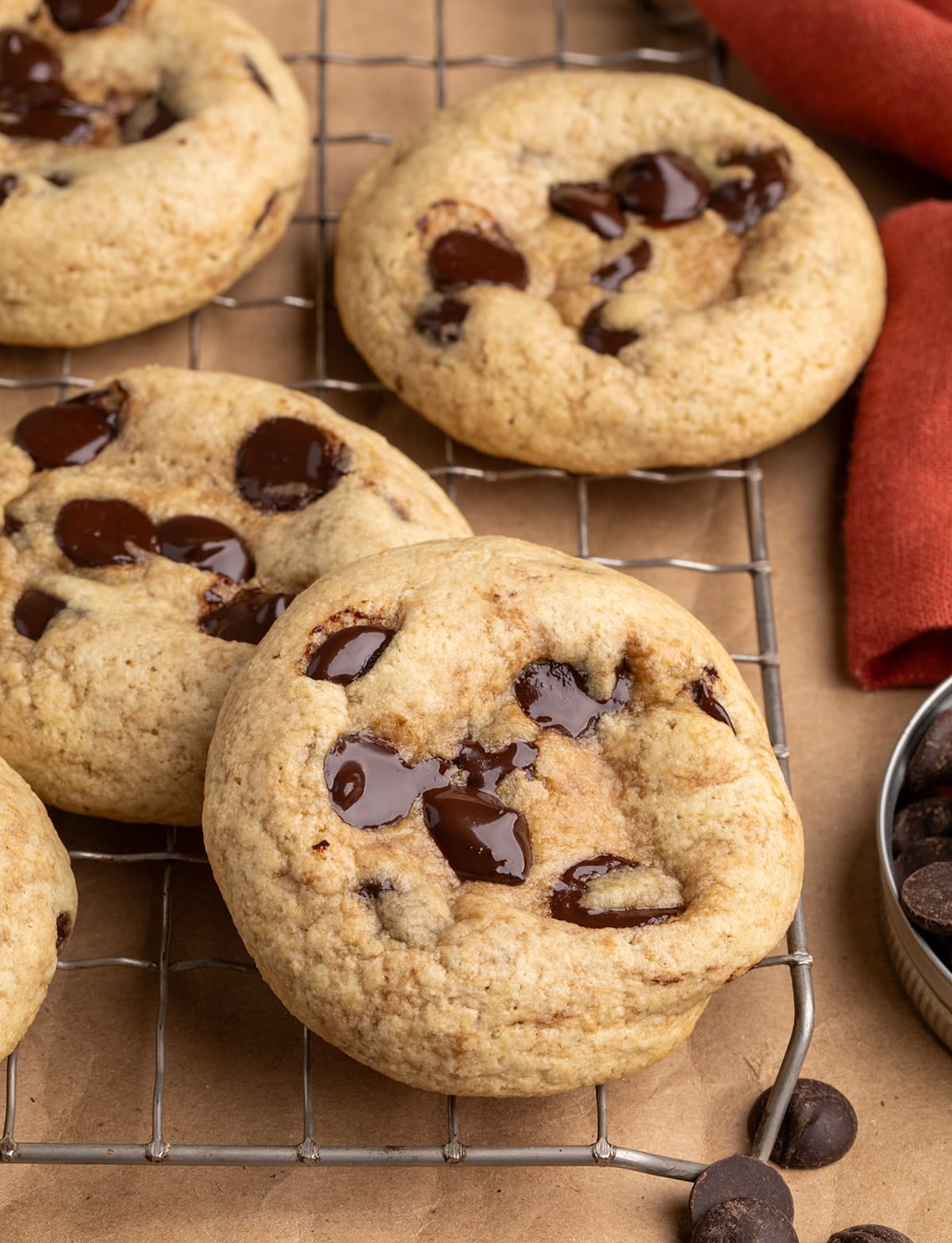
The Embrace of Chocolate: The majority of the chocolate chips are then folded into the dough, ensuring their even dispersion throughout. A portion of the chips is reserved to be strategically placed on top of the cookie portions before baking, enhancing visual appeal and ensuring a burst of melted chocolate in every bite.
-
Portioning for Perfection: Using a medium spring-loaded ice cream scoop or two spoons, the dough is divided into portions of approximately 1 ½ tablespoons each, weighing around 2 ¼ ounces. This consistent sizing is crucial for ensuring that all cookies bake evenly and are ready simultaneously.
-
Shaping for Symmetry: Each dough portion is then rolled into a smooth ball between the palms. This step not only creates aesthetically pleasing round cookies but also contributes to an even bake. The reserved chocolate chips are pressed gently into the tops of these dough balls, promising a delightful visual and textural element after baking.
-
The Gentle Bake: The cookies are baked at a moderate temperature of 325°F (163°C) for approximately 9 minutes. The critical instruction here is to remove them when they appear almost fully set in the center, with only the edges showing a hint of browning. This precise timing is paramount to preserving moisture and preventing the cookies from becoming dry.
Longevity and Enjoyment: Storage and Preservation
These delectable Chocolate Chip Protein Cookies are designed for enjoyment over several days. Stored in an airtight container at room temperature, they maintain their optimal texture for approximately five days. For extended preservation, they can be frozen in a freezer-safe zip-top bag for up to three months. It is recommended to allow frozen cookies to defrost for a short period before consumption, ensuring the chocolate chips are not excessively hard.

Nutritional Insights: A Closer Look
Each serving, defined as one cookie, offers a compelling nutritional profile:
- Calories: Approximately 284 kcal
- Carbohydrates: 28g
- Protein: 10g
- Fat: 15g (including saturated, polyunsaturated, and monounsaturated fats)
- Cholesterol: 63mg
- Sodium: 201mg
- Potassium: 179mg
- Fiber: 2g
- Sugar: 16g
- Vitamins and Minerals: Trace amounts of Vitamin A, Calcium, and Iron are also present.
These figures provide a comprehensive overview of the cookies’ nutritional contribution, highlighting their significant protein content as a key benefit. It is important to note that these values are automatically calculated and serve as an approximation.
The development of these Chocolate Chip Protein Cookies represents a significant advancement in the creation of healthy, guilt-free indulgences. By meticulously balancing flavor, texture, and nutritional value, they offer a compelling option for fitness enthusiasts, health-conscious individuals, and anyone who simply enjoys a delicious chocolate chip cookie with an added protein punch.
