

This post may contain affiliate links. Please read our disclosure policy.
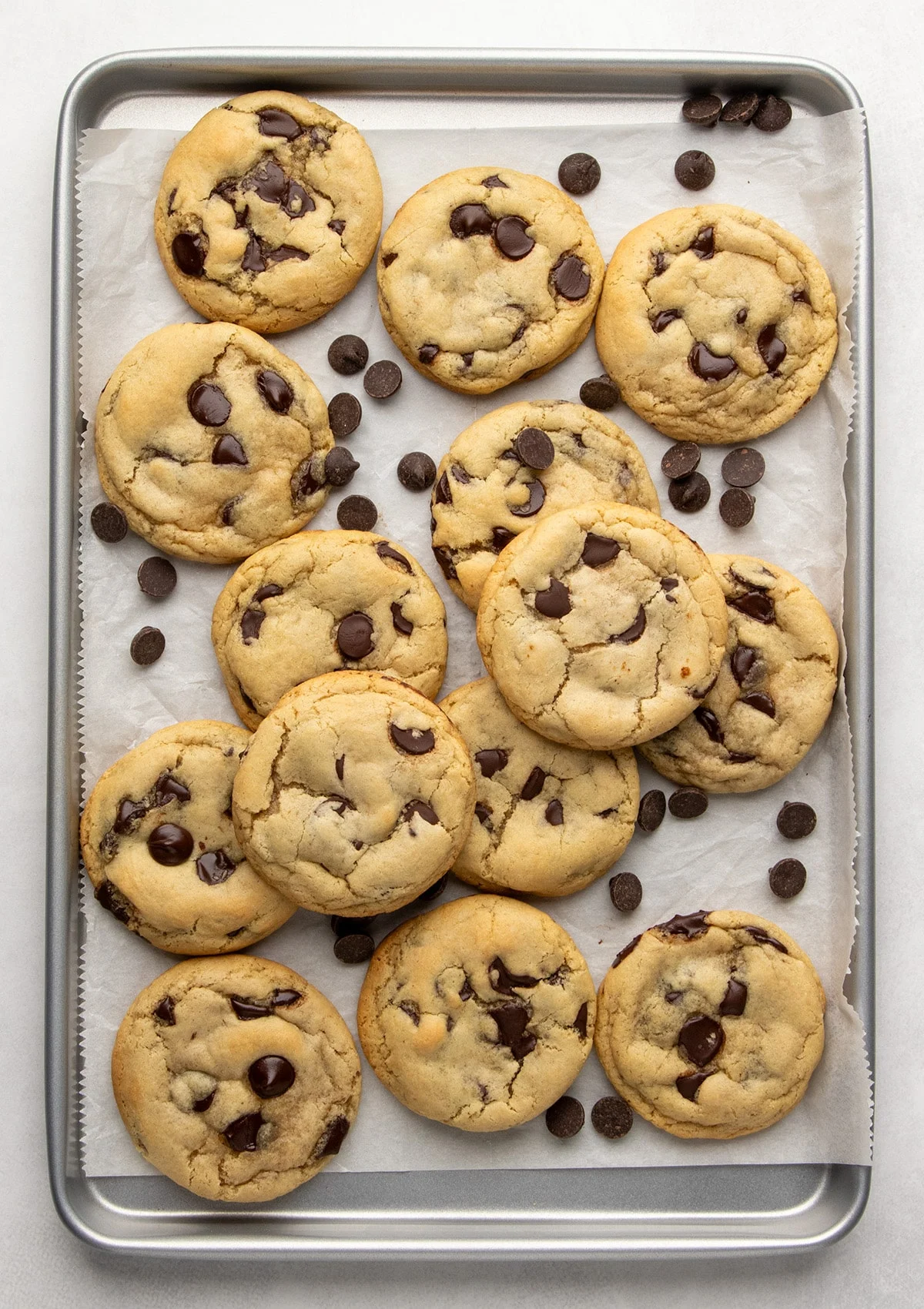
Achieving the perfect gluten-free and dairy-free chocolate chip cookie has long been a culinary quest for many. Traditional recipes often falter when dairy is removed, leading to cookies that spread too thinly, become greasy, or lack the satisfying chewy center and crisp edge. However, a new recipe has emerged, meticulously designed to overcome these common pitfalls, promising a thick, decadent cookie with a rich, buttery flavor, all without a trace of dairy or gluten.
The innovation lies in the careful selection and application of ingredients. This recipe eschews the typical approach of simply substituting ingredients in a standard recipe. Instead, it starts from the ground up, prioritizing components that perform exceptionally well in a dairy-free and gluten-free environment. Central to this success is the use of cold, block-style vegan butter. Unlike the softer, tub-style varieties, block vegan butter maintains its structure better during baking, preventing the dreaded cookie spread and greasy texture. This strategic choice ensures that the cookies bake up thick, with perfectly crisp edges and delightfully soft, yielding centers.
Almond flour plays a crucial role in achieving the desired texture and moisture balance. Its inherent properties contribute to tenderness, enhance the overall flavor profile, and promote an appealing golden-brown hue during baking. This combination of cold vegan butter and almond flour creates a foundation that mimics the richness and texture of traditional butter- and wheat-based cookies, a feat often challenging in alternative baking.
For those seeking similar delights, exploring other gluten-free recipes can offer further inspiration. The "Mrs. Fields Style Gluten-Free Chocolate Chip Cookies" recipe provides a classic take on a beloved cookie, while the "Vegan Gluten-Free Chocolate Chip Cookies" offer another perspective on dairy-free baking, showcasing the versatility of plant-based ingredients.

The Science Behind the Success: Why This Recipe Works
The persistent challenge with many "dairy-free option" cookie recipes is that they fail to account for the fundamental differences in how vegan butter behaves compared to dairy butter. Vegan butter, with its lower fat content and different emulsification properties, requires a more thoughtful approach. This recipe addresses this by incorporating the cold, cubed vegan butter directly into the dry ingredients. This method, often referred to as "cutting in," helps to distribute the fat evenly throughout the dough without allowing it to melt prematurely. This prevents the cookies from spreading excessively and becoming greasy, a common outcome when vegan butter is creamed with sugar.
The inclusion of almond flour is not merely a substitute; it’s a functional ingredient that significantly impacts the cookie’s final form. Almond flour contributes to a tender crumb and aids in achieving a desirable golden-brown crust. Furthermore, a touch of butter bakery emulsion, while optional, can elevate the buttery flavor profile, though the cookies are designed to be delicious even without this addition.
A brief chilling period for the dough is another critical step. This allows the fats to firm up, making the dough easier to handle and shape. Crucially, it helps the cookies retain their thickness during baking, preventing them from spreading too thinly. The baking process itself is timed to perfection: removing the cookies when the centers still appear slightly soft ensures they continue to cook gently as they cool, resulting in a soft, chewy interior that remains so for days.
Essential Ingredients for Culinary Excellence
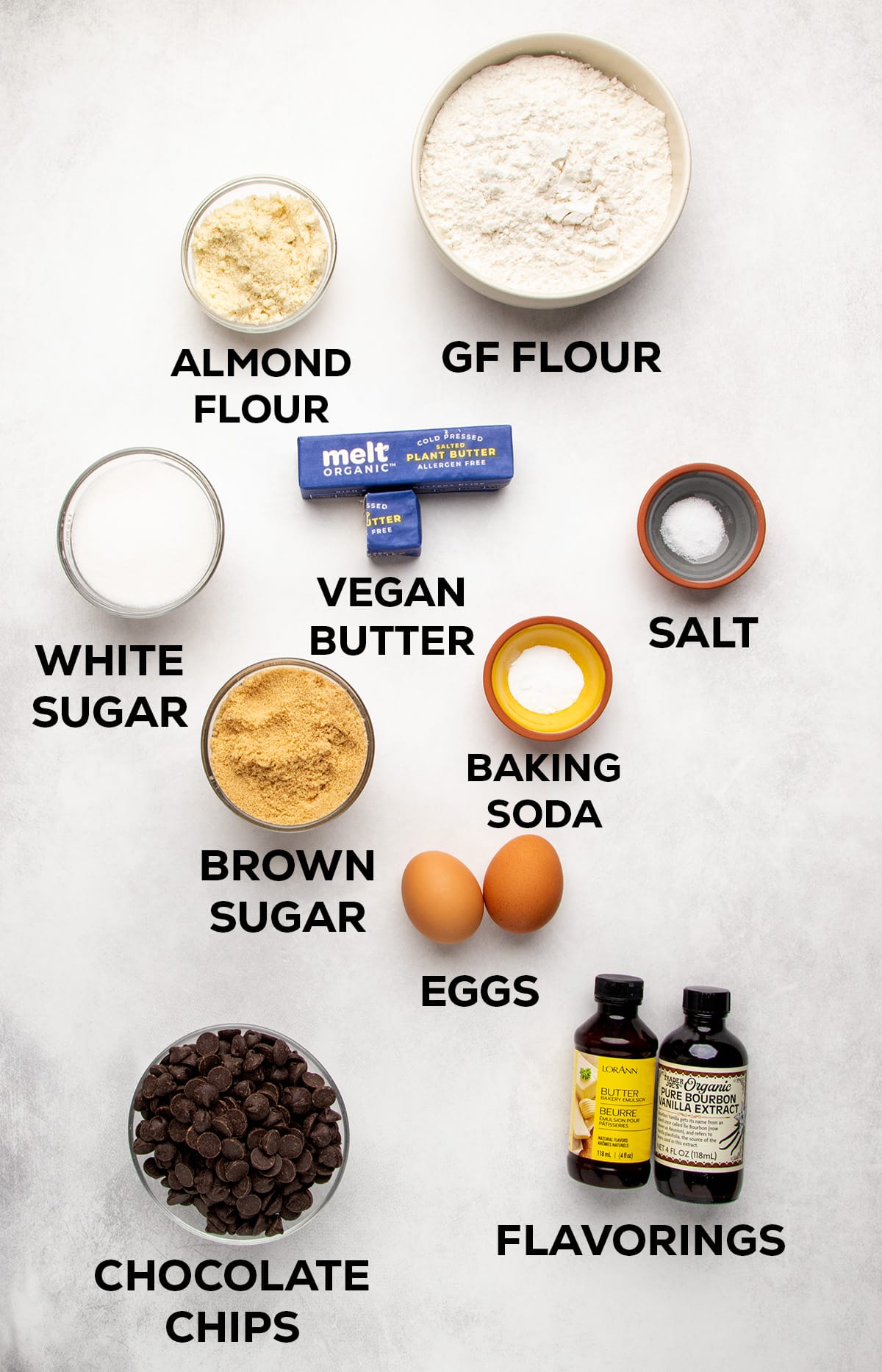
Crafting these exceptional gluten-free, dairy-free chocolate chip cookies requires a specific set of ingredients, each contributing to the overall success of the recipe. Understanding the role of each component is key to achieving the desired outcome.
The core dry ingredients include a high-quality gluten-free flour blend, which should ideally contain xanthan gum for structure, though adjustments may be necessary depending on the blend used. Almond flour is essential for its unique contribution to texture and moisture. Granulated sugar and light brown sugar are used in combination to provide sweetness and contribute to the cookies’ chewiness and browning. Baking soda acts as the leavening agent, ensuring a pleasant rise, while salt balances the sweetness and enhances the overall flavor.
The fat component is, as mentioned, cold, block-style vegan butter. This is crucial for achieving the right texture and preventing excessive spreading. Eggs provide binding and richness, though egg-free alternatives are also viable. Flavorings, such as pure vanilla extract, are standard in chocolate chip cookies, and a butter bakery emulsion can be added for an extra boost of buttery aroma and taste. Finally, plenty of chocolate chips, whether dark, milk, or semi-sweet, are essential for that classic chocolate chip cookie experience.
Step-by-Step Guide to Gluten-Free, Dairy-Free Chocolate Chip Cookie Perfection
The process of creating these cookies is designed to be straightforward, with each step contributing to the final exceptional result.
1. Whisking the Dry Ingredients: Begin by combining the gluten-free flour blend, almond flour, salt, baking soda, granulated sugar, and light brown sugar in a large mixing bowl. Whisking ensures that all the dry ingredients are uniformly distributed. Any lumps in the brown sugar will naturally be addressed when the butter is incorporated.
2. Incorporating the Cold Vegan Butter: Cut the cold vegan butter into small cubes. Toss these cubes with the dry ingredients to prevent them from sticking to the bowl. Use a fork or a pastry blender to break down the butter cubes and distribute them evenly throughout the flour mixture. This technique ensures that the fat is dispersed without melting, which is critical for texture.
3. Adding the Wet Ingredients: Create a well in the center of the dry ingredients. Add the beaten eggs and any chosen flavorings, such as vanilla extract or butter emulsion. Mix gently until just combined, forming a cohesive cookie dough. Overmixing can lead to tougher cookies, so it’s important to stop as soon as the dough comes together.
4. Folding in the Chocolate Chips: Gently fold the chocolate chips into the cookie dough until they are evenly distributed throughout the mixture.
5. Portioning the Dough: For consistent baking, it’s recommended to use a medium ice cream scoop or two spoons to divide the dough into portions of approximately 2 ounces each. Weighing the dough portions on a kitchen scale can ensure even baking times for all cookies.
6. Chilling the Dough: Place the portioned cookie dough onto a small baking sheet or a plate lined with parchment paper. Chill the dough in the refrigerator for about 10 minutes, or until it’s firm enough to be rolled into smooth balls. This brief chilling period helps the cookies maintain their shape and thickness during baking.
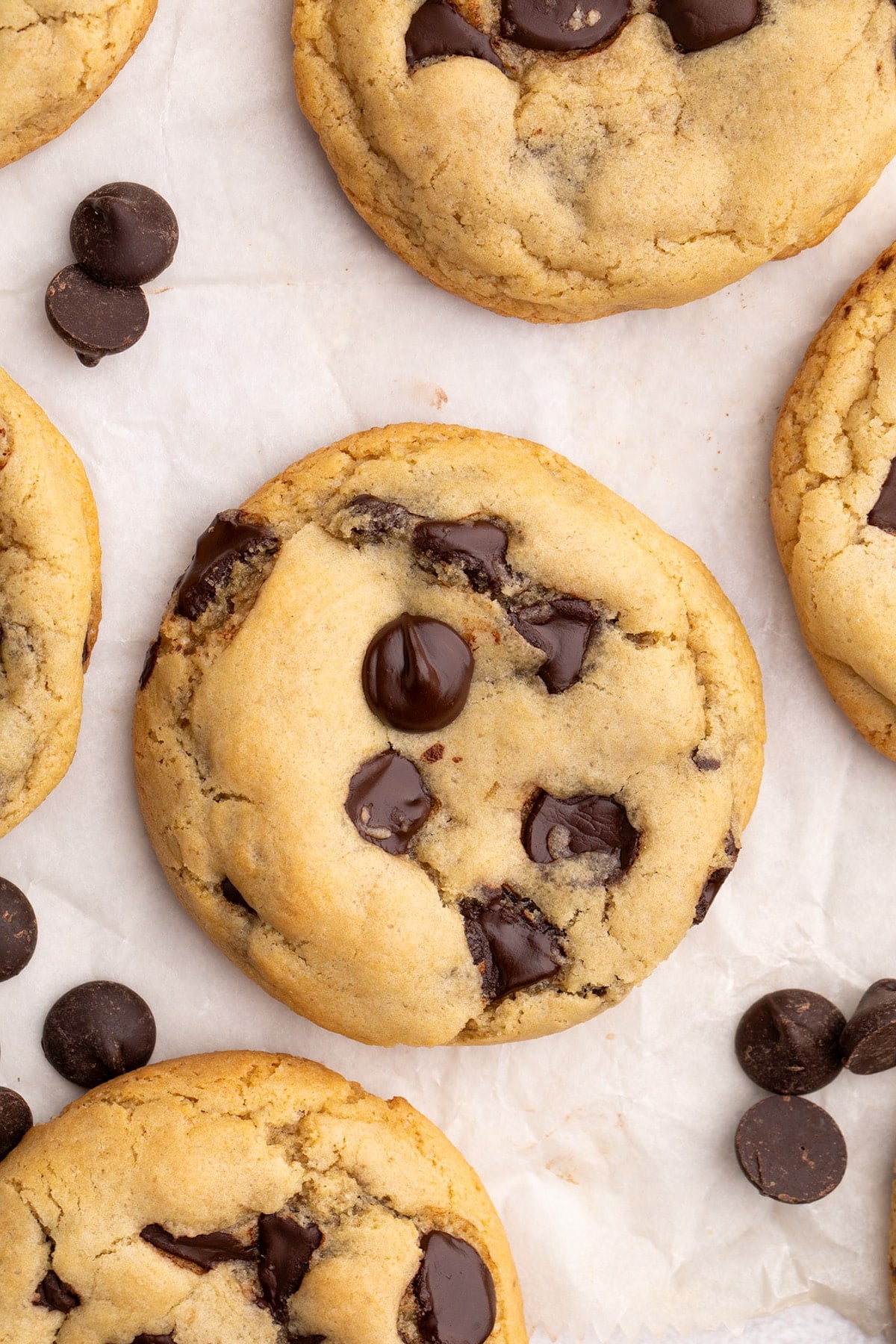
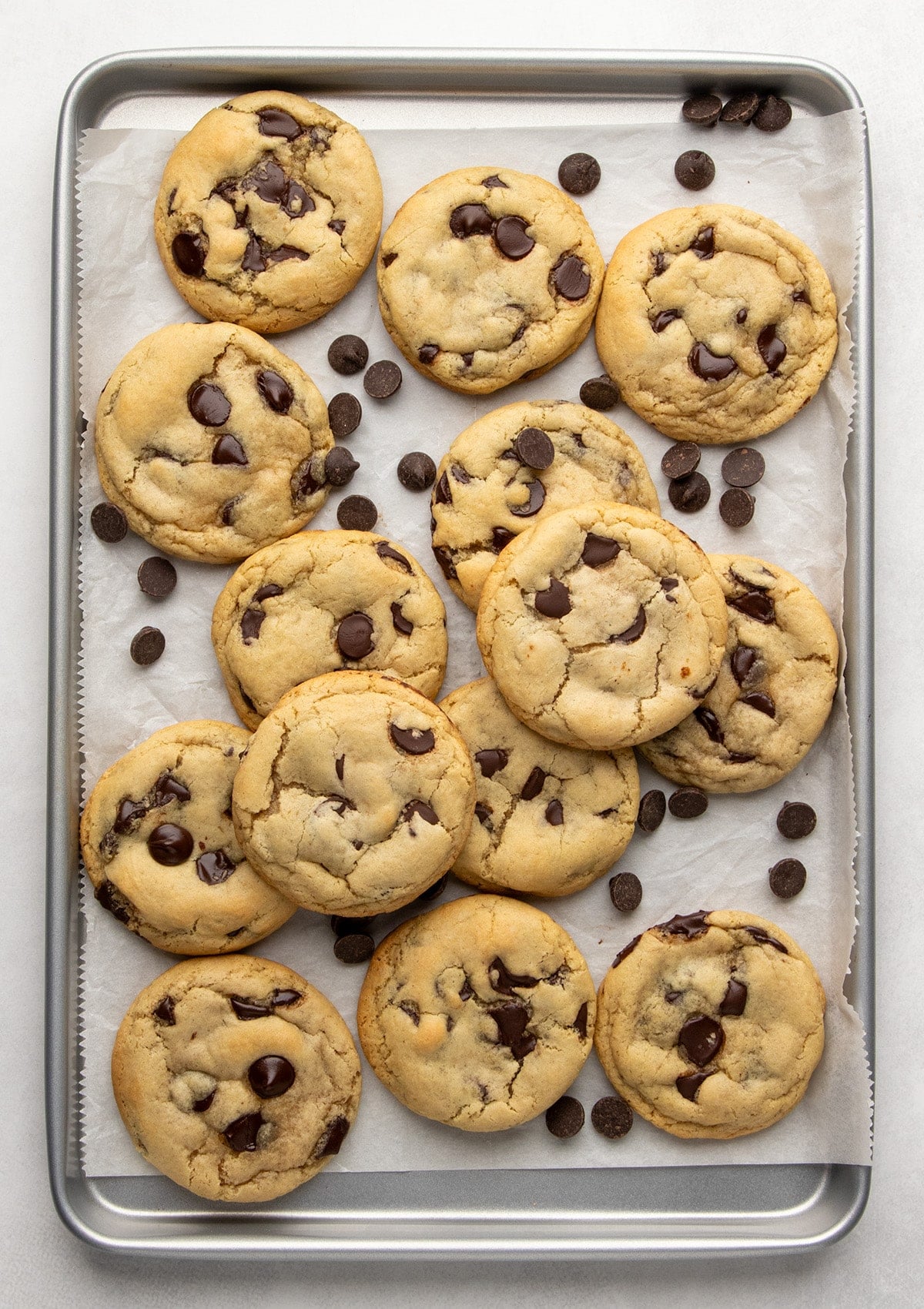
7. Baking the Cookies: Preheat your oven to 350°F (175°C). Line baking sheets with parchment paper. Quickly roll each chilled portion of dough between your palms to form smooth, round balls. Place the dough balls on the prepared baking sheets, ensuring they are about 1.5 inches apart to allow for slight spreading. Bake for approximately 10 minutes. The cookies are ready when the edges are golden brown, the tops are a light tan, and the centers still appear slightly soft. It’s important not to overbake, as the cookies will continue to cook from residual heat as they cool.
Expert Tips for Unparalleled Cookie Results
Achieving consistently perfect gluten-free, dairy-free chocolate chip cookies relies on attention to detail, particularly regarding temperature and ingredient quality.
Utilizing Cold, Block-Style Vegan Butter
The type of vegan butter used is paramount. Opt for block-style vegan butter rather than the softer, spreadable varieties found in tubs. Block butter typically contains a higher fat content and less water, contributing to a firmer structure that melts more slowly during baking. This characteristic is essential for preventing cookies from spreading too much and becoming greasy. Because vegan butter has a lower melting point than dairy butter, it’s crucial to keep it cold. Leaving vegan butter at room temperature for extended periods will compromise its structure and lead to a greasy final product.
The Strategic Advantage of Chilling the Dough
While it is possible to bake this cookie dough immediately after mixing, a brief chilling period offers significant advantages. Chilling allows the fats in the dough to firm up, which helps the cookies bake up thicker and promotes a smoother rise on top. This leads to the desirable crackled appearance that is characteristic of classic chocolate chip cookies as they settle and cool. The chilling process is not about preventing spread entirely, but about controlling it for optimal texture and appearance.
Avoiding the Pitfall of Cold Baking Surfaces
A common oversight in baking is placing a cold baking sheet directly into a preheated oven. This sudden introduction of cold can cause a temporary drop in oven temperature, disrupting the baking process and potentially leading to unevenly baked or dry cookies. To avoid this, it’s recommended to chill the cookie dough on a surface that will not be used for baking, or to allow the baking sheet to come to room temperature before loading it with dough and placing it in the oven.
Adaptability in Ingredients: Substitutions for Various Dietary Needs
This recipe is designed with flexibility in mind, allowing for common dietary substitutions without sacrificing quality.
Egg-Free Alternatives
For those requiring an egg-free option, several substitutes can be employed. "Chia eggs," made by combining 2 tablespoons of ground white chia seeds with 3 to 4 tablespoons of lukewarm water and allowing them to gel, can effectively replace the eggs. Alternatively, commercial egg replacers such as Bob’s Red Mill Egg Replacer or JustEgg liquid egg substitute (found in the refrigerated section of many grocery stores) can also yield successful results.
Nut-Free and Almond-Free Considerations
For individuals with nut allergies, almond flour can be substituted with finely ground and sifted hazelnut flour. Another viable option is finely ground and sifted oat flour, which provides very similar results in terms of texture and baking performance. If a gluten-free flour blend is used in place of some of the almond flour, the cookies may brown less and have a slightly less tender texture. It is important to note that certain vegan butters, such as Miyoko’s Kitchen, are made with cashew milk and should be avoided by those with tree nut allergies.
Enhancing Butter Flavor Without Butter Emulsion
The butter bakery emulsion is an optional ingredient that enhances the buttery notes of the cookies. If this ingredient is unavailable or not desired, it can be omitted entirely. Alternatively, an additional teaspoon of pure vanilla extract or ½ teaspoon of almond extract can be used to provide complementary flavor profiles.
Optimal Storage for Freshness and Longevity
Proper storage ensures that these delicious cookies can be enjoyed for an extended period.
Storing Raw Dough
Chilled raw portions of cookie dough can be stored in plastic wrap in the refrigerator for up to one week. Before baking, simply re-roll the dough balls into smooth rounds, as they may have lost their shape during storage. While they might bake up slightly thicker, their overall quality will remain unchanged.
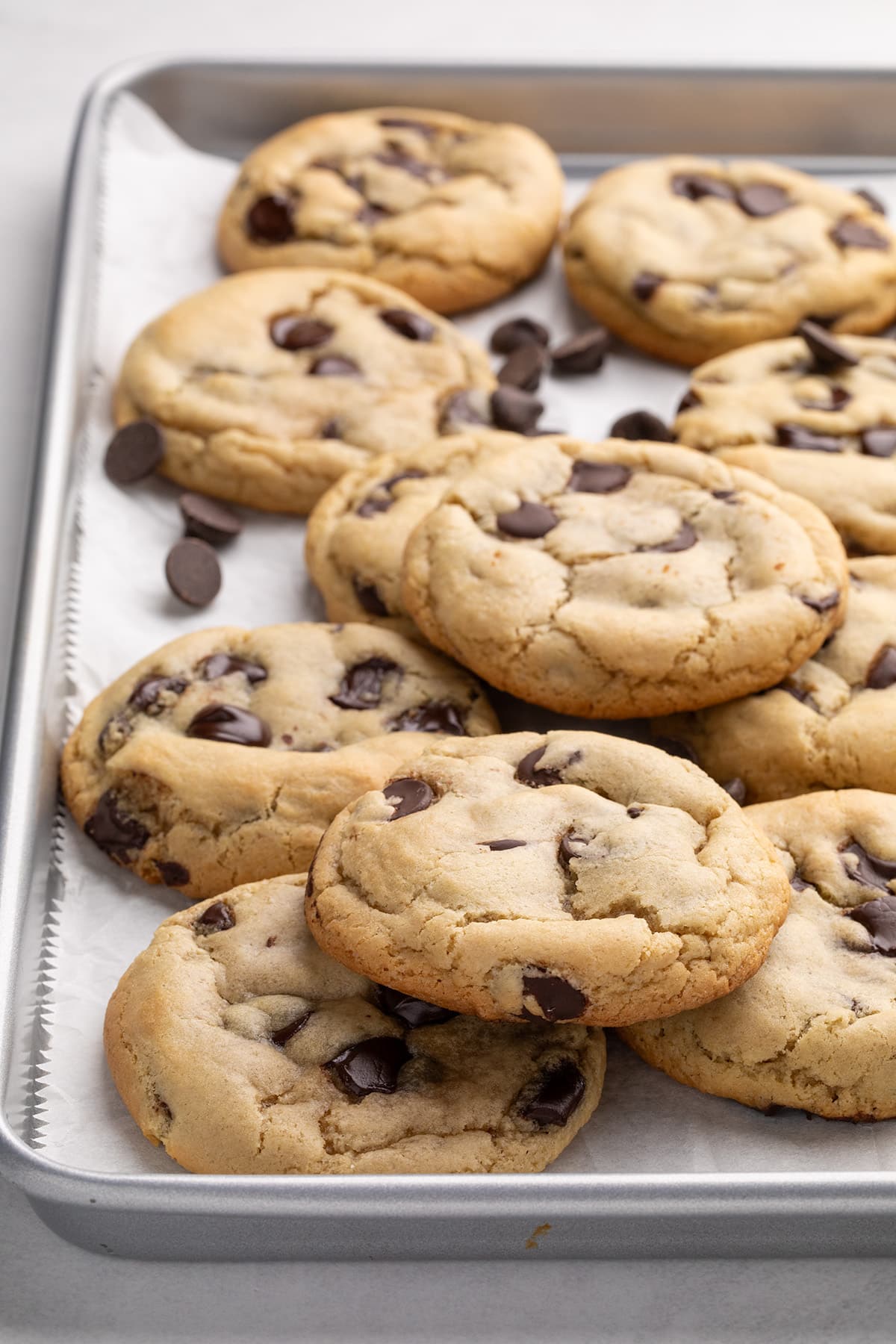
Storing Baked Cookies
Once baked and cooled, the cookies can be stored in an airtight glass container at room temperature for up to five days. For longer-term storage, place the cookies in a freezer-safe container and freeze for up to three months. To enjoy frozen cookies, simply allow them to defrost at room temperature.
Flour Blend Recommendations
For optimal results, it is recommended to use a well-balanced gluten-free flour blend that is also dairy-free, such as Better Batter’s Original All-Purpose blend. Bob’s Red Mill 1-to-1 Baking Flour (in the blue bag) can also be used, but it may require the addition of an extra ¼ teaspoon of xanthan gum to achieve the desired structure. For those who prefer to create their own blends, a mock all-purpose gluten-free flour recipe can be found, designed to perform comparably to commercial blends.
Nutritional Information
Each cookie (serving size: 1 cookie) contains approximately 264 calories, 37g carbohydrates, 3g protein, and 13g fat. This includes 5g of saturated fat, 2g of polyunsaturated fat, 3g of monounsaturated fat, and 1g of trans fat. Cholesterol content is around 16mg, with 177mg of sodium and 19mg of potassium. The cookies also provide 2g of fiber and 24g of sugar, along with small amounts of Vitamin A and Calcium, and 1mg of Iron. These nutritional values are automatically calculated and should be considered approximate.
