

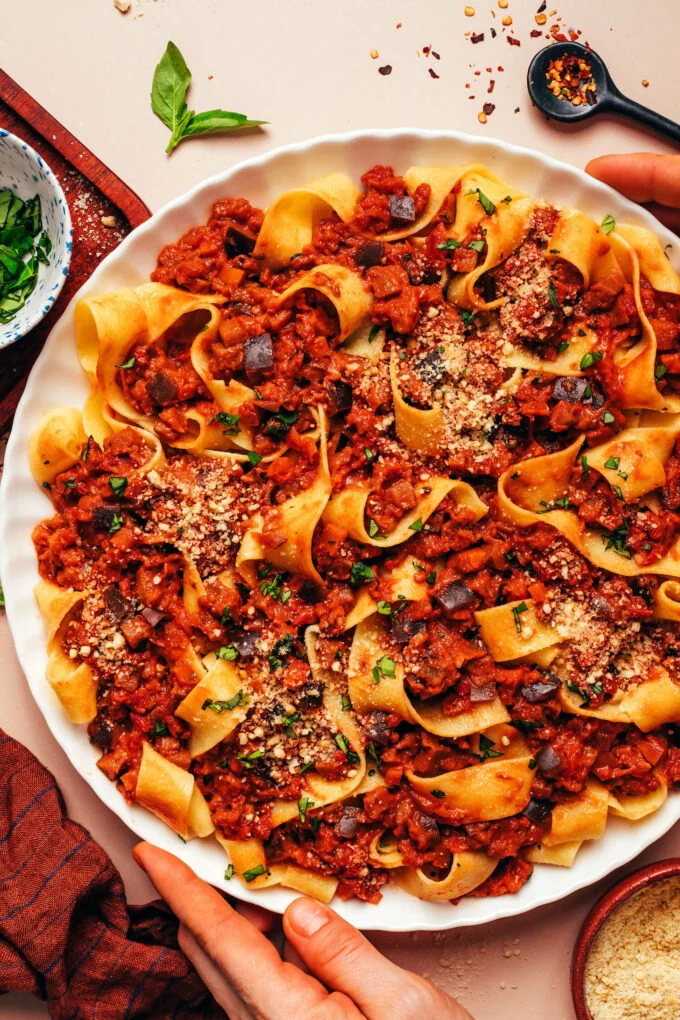
The culinary landscape continues its dynamic evolution, with a notable shift towards plant-forward and convenience-driven preparations. In a significant development for home cooks and adherents of plant-based diets, Minimalist Baker, a prominent food blog known for its accessible and innovative recipes, has unveiled its latest creation: an Easy Eggplant Bolognese designed for single-pot preparation. This new offering, positioned as an ideal entrée for the late summer season and beyond, represents a further step in the popularization of vegan interpretations of classic Italian dishes, emphasizing both flavor and simplicity.
The Evolution of Bolognese: From Tradition to Innovation

Bolognese sauce, or ragù alla bolognese, is a culinary cornerstone of Italian cuisine, specifically from the Emilia-Romagna region. Traditionally, it is a rich, slow-cooked meat sauce, typically featuring finely chopped beef, often with pork or veal, simmered with soffritto (a foundational aromatic base of finely diced onions, carrots, and celery), white wine, milk, and a small amount of tomato paste or crushed tomatoes. The hallmark of an authentic bolognese lies in its deep, complex flavor profile, achieved through hours of gentle simmering, which tenderizes the meat and melds the ingredients into a velvety, umami-rich sauce. It is most commonly served with broad, flat pasta like tagliatelle or pappardelle, designed to cling to the robust sauce.
Over the past few decades, as dietary preferences have diversified and global culinary influences have expanded, chefs and home cooks alike have experimented with countless variations of bolognese. These adaptations often cater to different palates, ingredient availability, or specific dietary requirements, leading to versions incorporating various meats, different types of wine, or even alternative vegetables.
Minimalist Baker’s Commitment to Plant-Based Innovation

Minimalist Baker, a platform founded on the principle of simplifying wholesome cooking, has been at the forefront of this culinary evolution, particularly within the plant-based sphere. The brand’s philosophy revolves around recipes that require 10 ingredients or less, 30 minutes or less, or one bowl/pot. This ethos directly addresses the modern cook’s desire for efficiency without compromising on taste or nutritional value.
The introduction of this new Eggplant Bolognese is not an isolated event but rather a continuation of Minimalist Baker’s established tradition of reinterpreting classic comfort foods for a plant-based audience. The blog has previously published several successful bolognese variations, including versions utilizing mushrooms and red lentils, zucchini pasta with lentil bolognese, a 1-pan tempeh bolognese, and a simple chickpea bolognese. Each iteration demonstrates a creative approach to achieving the characteristic richness and satisfaction of bolognese using entirely plant-derived ingredients. This latest eggplant-centric recipe further showcases the versatility of vegetables in mimicking the texture and depth traditionally associated with meat-based sauces, expanding the repertoire for those seeking delicious, healthful, and convenient meal options.
Key Ingredients and the "One-Pot" Advantage

At the heart of this new recipe is the strategic use of eggplant, a vegetable celebrated for its unique texture and ability to absorb flavors. When cooked properly, eggplant can offer a surprisingly "meaty" mouthfeel, making it an excellent substitute for ground meat in many dishes. For this bolognese, the eggplant is cut into small cubes and sautéed until softened and browned, a crucial step that develops a rich, caramelized flavor (the Maillard reaction) essential for the sauce’s depth. This browning process is key to building a savory foundation that stands up to the robust tomato base.
The sauce begins with a classic soffritto of sautéed onion and carrots, providing a subtly sweet and aromatic backbone. Garlic and red pepper flakes are then introduced to add pungency and a gentle warmth. A pivotal step in deepening the flavor profile involves deglazing the pot with wine, a technique that lifts caramelized bits from the bottom of the pan, incorporating them into the sauce and adding complex notes. Crushed tomatoes and tomato paste form the vibrant, acidic core of the bolognese, while a small amount of dairy-free milk, such as homemade cashew milk, contributes a gentle creaminess and richness, emulating the traditional use of dairy in bolognese without animal products. Dried Italian herbs (typically basil and oregano) infuse the sauce with aromatic Mediterranean notes, balanced by sea salt and a touch of maple syrup to counter the acidity of the tomatoes and round out the overall flavor.
The most compelling feature for many contemporary cooks is the "one-pot" methodology. This approach significantly reduces preparation time and, perhaps more importantly, minimizes cleanup. In an era where time is a premium, recipes that deliver maximum flavor with minimal fuss are highly valued. The one-pot design makes this Eggplant Bolognese an attractive option for busy weeknights, allowing for a hearty and flavorful meal without the typical post-cooking chore of multiple dirty pans. The entire process, from prep to table, can be completed in approximately 45 minutes, with a cook time of just 30 minutes, further underscoring its efficiency.

Nutritional Profile and Dietary Implications
This plant-based bolognese offers a compelling nutritional profile. Eggplant is a good source of dietary fiber, vitamins B1 and B6, potassium, and manganese. It also contains antioxidants like nasunin, which can protect brain cell membranes. Tomatoes are renowned for their lycopene content, a powerful antioxidant, as well as vitamin C and potassium. Carrots provide beta-carotene, essential for vision and immune function.
By replacing meat with eggplant and utilizing dairy-free alternatives, this recipe significantly reduces saturated fat and cholesterol content, while increasing fiber and plant-derived micronutrients. For individuals adhering to vegan, vegetarian, or flexitarian diets, or those simply seeking to incorporate more vegetables into their meals, this bolognese provides a satisfying and nutrient-dense option. The recipe is also naturally gluten-free (when served with gluten-free pasta or polenta), broadening its appeal to those with specific dietary restrictions. With an estimated 284 calories per serving, 31.9g carbohydrates, 6.6g protein, and 17.1g fat, it offers a balanced meal component.

Culinary Versatility and Serving Suggestions
Once simmered for at least 20-30 minutes (with the option to extend to an hour for even deeper flavor development), the resulting rich, plant-powered sauce is incredibly versatile. While traditionally paired with broad pasta like pappardelle, it can also be served over creamy polenta, a gluten-free alternative that complements the sauce’s richness. To enhance the dining experience, garnishing with fresh basil and homemade vegan parmesan cheese adds layers of aroma and umami, elevating the dish from a simple weeknight meal to one suitable for entertaining.
Minimalist Baker suggests several complementary dishes that pair well with the Eggplant Bolognese, further demonstrating its adaptability within a larger meal context. These include Simple Vegan Meatballs or Pesto Turkey Meatballs (for those who consume meat or dairy), or a fresh Chickpea Caesar Salad. Such pairings highlight the recipe’s potential as the centerpiece of a diverse and flavorful spread.

Broader Impact on Culinary Trends and Sustainability
The emergence and popularity of recipes like the Easy Eggplant Bolognese reflect several overarching trends in the food industry and home cooking:
- The Plant-Based Revolution: The global market for plant-based foods is experiencing exponential growth. According to recent market analyses, the plant-based food market is projected to reach over $162 billion by 2030, driven by increasing consumer awareness of health benefits, environmental concerns, and ethical considerations associated with animal agriculture. Recipes that seamlessly integrate vegetables into traditional comfort foods play a crucial role in making this transition appealing and sustainable for a wider audience.
- Demand for Convenience: Modern lifestyles often leave limited time for elaborate meal preparation. The "one-pot" concept directly addresses this need, offering delicious, home-cooked meals with minimal effort and cleanup. This trend is likely to continue shaping recipe development and product innovation.
- Emphasis on Seasonal and Whole Ingredients: The recommendation to use eggplant, especially in late summer when it is abundant and at its peak, aligns with a growing consumer preference for seasonal and locally sourced ingredients. This not only enhances flavor but also supports sustainable food practices.
- Culinary Accessibility: Platforms like Minimalist Baker democratize complex cooking by breaking down recipes into manageable steps and offering creative substitutes. This empowers more individuals to experiment with diverse cuisines and dietary choices without feeling intimidated.
In conclusion, Minimalist Baker’s Easy Eggplant Bolognese is more than just another recipe; it is a testament to the evolving dynamics of modern cuisine. It skillfully blends traditional Italian flavors with contemporary plant-based principles and a focus on convenience. By offering a dish that is rich, savory, creamy yet bright, and both light and satisfying, all prepared in a single pot, it caters to a broad spectrum of dietary needs and culinary preferences. This recipe serves as a clear indicator of how innovative approaches to cooking are making healthful, flavorful, and sustainable eating more accessible and enjoyable for everyone.
