

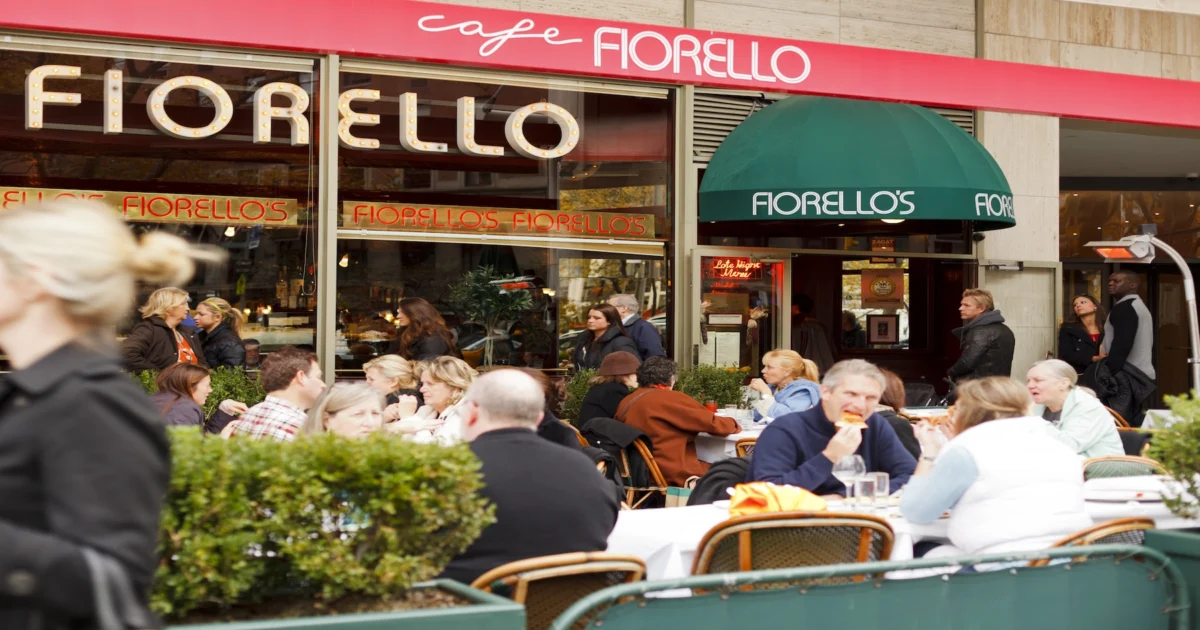
The Fireman Hospitality Group, a venerable culinary institution responsible for some of New York City’s most enduring and beloved dining establishments, including the 50-year-old Cafe Fiorello and the art-adorned Trattoria Dell’Arte, has filed for Chapter 11 bankruptcy protection. The filing, submitted on Sunday to the U.S. Bankruptcy Court for the Southern District of New York, marks a significant turning point for a company deeply woven into the fabric of the city’s cultural and gastronomic landscape. This move comes less than a year after the passing of its visionary founder, Sheldon (Shelly) Fireman, at the age of 93, raising questions about the future of its portfolio of restaurants, which are renowned for their prime locations and distinctive atmospheres.
The Chapter 11 filing allows the company, which also operated under the name Cafe Concepts, to reorganize its debts and operations while continuing to do business. According to court documents, nine restaurants were actively operating at the time of the filing, collectively employing approximately 800 individuals. The company’s portfolio has historically been a hallmark of New York City’s theater district and other high-traffic tourist areas, including iconic spots near Carnegie Hall and Lincoln Center. Several of these concepts also have a presence in Washington, D.C., further expanding the group’s reach.
The group’s restaurants are characterized by their commitment to "high-quality, freshly prepared cuisine ranging from classic Italian cooking and abundant antipasto displays to American grill fare and elevated renditions of diner classics, served in spacious, art-filled marquee locations," as described in the bankruptcy filing. This ethos has cemented their status as preferred dining destinations for both locals and tourists seeking an authentic New York experience.
A Legacy Forged in Iconic Locations and Distinctive Ambiance
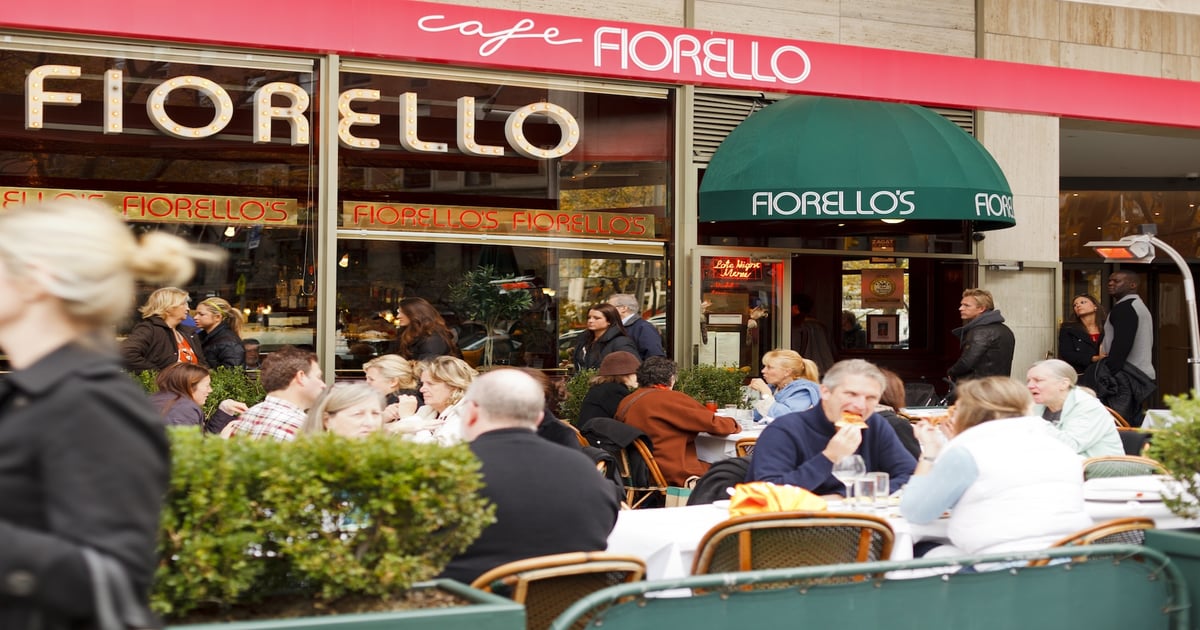
Cafe Fiorello, the oldest establishment within the Fireman Hospitality Group’s portfolio, boasts a legacy spanning over five decades. Situated directly across from Lincoln Center, it has long been a favored pre-theater dining spot, serving patrons from breakfast through late-night supper. Its legendary vegetable antipasto bar was a signature attraction, offering a vibrant and extensive selection that set it apart. The restaurant’s proximity to the cultural hub of Lincoln Center made it an integral part of the pre-performance ritual for countless opera, ballet, and theater-goers.
Similarly, Trattoria Dell’Arte, located across from Carnegie Hall, is celebrated not only for its Italian cuisine but also for its unique artistic flair. The restaurant is distinguished by its oversized sculptures and a memorable gallery of portraits featuring "famous Italian noses," contributing to a whimsical and sophisticated dining environment. These establishments, with their carefully curated atmospheres and prime real estate, represent a significant investment in creating memorable dining experiences.
Beyond these flagship venues, the Fireman Hospitality Group has operated a diverse array of other popular eateries. These include the nostalgic Brooklyn Diner and Brooklyn Deli, offering classic American comfort food; Paris Bar, a sophisticated French bistro; Le Jardin, a charming European-inspired restaurant; Bond 45, known for its steakhouse fare; Fiorella Italian Kitchen, continuing the group’s Italian culinary tradition; and Redeye Grill, offering a contemporary American dining experience. Each of these concepts contributed to the group’s reputation for variety and quality.
The Passing of a Visionary and the Path to Bankruptcy
The bankruptcy filing arrives less than a year after the death of Sheldon (Shelly) Fireman, the entrepreneurial force behind the Fireman Hospitality Group. Fireman, a prominent figure in the New York City restaurant scene for decades, passed away at the age of 93. His passing marked the end of an era for a company he built from the ground up, establishing a legacy of culinary excellence and shrewd business acumen. The impact of his leadership and vision on the group’s trajectory is undeniable, and his absence may have created a void in strategic direction.
The precise factors leading to the bankruptcy filing are not immediately detailed in the initial court documents, but financial distress in the restaurant industry is often multi-faceted. Factors such as rising operational costs, increased competition, labor shortages, and the lingering effects of the COVID-19 pandemic on the dining sector have presented significant challenges for businesses of all sizes. For establishments heavily reliant on foot traffic from theater districts and tourist areas, shifts in consumer behavior and economic conditions can have a profound impact.
Financial Strain and Restructuring Efforts
According to the bankruptcy filing, the Fireman Hospitality Group collectively owes significant amounts to various creditors. Among the unsecured claims, the company faces nearly $6 million in outstanding rent payments and over $3 million in unpaid sales taxes. These substantial liabilities underscore the financial pressures the group has been under.
In an effort to navigate these challenges, the company is seeking joint administration of its various operating entities under SMF Group Inc. This consolidation aims to streamline the reorganization process. Jordan Meyers has been appointed as the chief restructuring officer, tasked with overseeing the group’s financial rehabilitation. The appointment of a chief restructuring officer is a common step in Chapter 11 proceedings, indicating a concerted effort to address the group’s financial complexities and chart a course towards recovery.
The company has not yet provided an immediate response to requests for further information regarding the bankruptcy proceedings and its future plans for its restaurant portfolio. This silence, while understandable during the initial stages of a legal process, leaves stakeholders—including employees, suppliers, and loyal patrons—in a state of uncertainty.
Broader Implications for New York City’s Culinary Scene
The filing of Fireman Hospitality Group for Chapter 11 bankruptcy sends ripples through New York City’s vibrant and competitive restaurant industry. The group’s establishments are not merely businesses; they are institutions that have contributed to the city’s cultural identity and economic vitality. The potential restructuring or closure of any of these iconic venues would represent a significant loss.
The situation also highlights the precarious nature of the restaurant business, even for established players. The economic headwinds facing the industry, exacerbated by recent global events, continue to test the resilience of even the most successful restaurateurs. The ability of these historic establishments to adapt and overcome their current financial challenges will be closely watched.
Furthermore, the future of the approximately 800 employees employed by the group hangs in the balance. Chapter 11 proceedings often involve difficult decisions regarding staffing and operational adjustments. The employees, who have contributed to the success of these restaurants, will be looking for clarity and stability as the reorganization unfolds.
The bankruptcy filing also raises questions about the broader real estate implications. Many of these restaurants occupy prime commercial spaces in highly desirable New York City neighborhoods. The outcome of the bankruptcy could influence lease negotiations, property values, and the potential for new operators to emerge.
A Glimpse into the Past and a Look Towards the Future
The Fireman Hospitality Group’s story is one of entrepreneurial spirit, culinary innovation, and a deep understanding of the New York City dining experience. From Cafe Fiorello’s enduring charm to Trattoria Dell’Arte’s artistic flair, these restaurants have provided memorable moments for generations of diners. The current financial challenges, however, present a critical juncture.
The coming months will be crucial for the Fireman Hospitality Group as it navigates the complexities of Chapter 11 bankruptcy. The success of its restructuring efforts will determine whether these beloved New York City landmarks can continue to serve their patrons and contribute to the city’s culinary legacy, or if they will become another chapter in the history of a dynamic and ever-evolving industry. The public will be keenly awaiting updates on the group’s progress and the ultimate fate of these iconic dining destinations. The company’s ability to secure new financing, renegotiate leases, and potentially shed underperforming assets will be key factors in its potential revival. The appointed chief restructuring officer will face the arduous task of balancing the needs of creditors with the imperative of preserving the operational integrity and cultural significance of the group’s remaining restaurants.
