

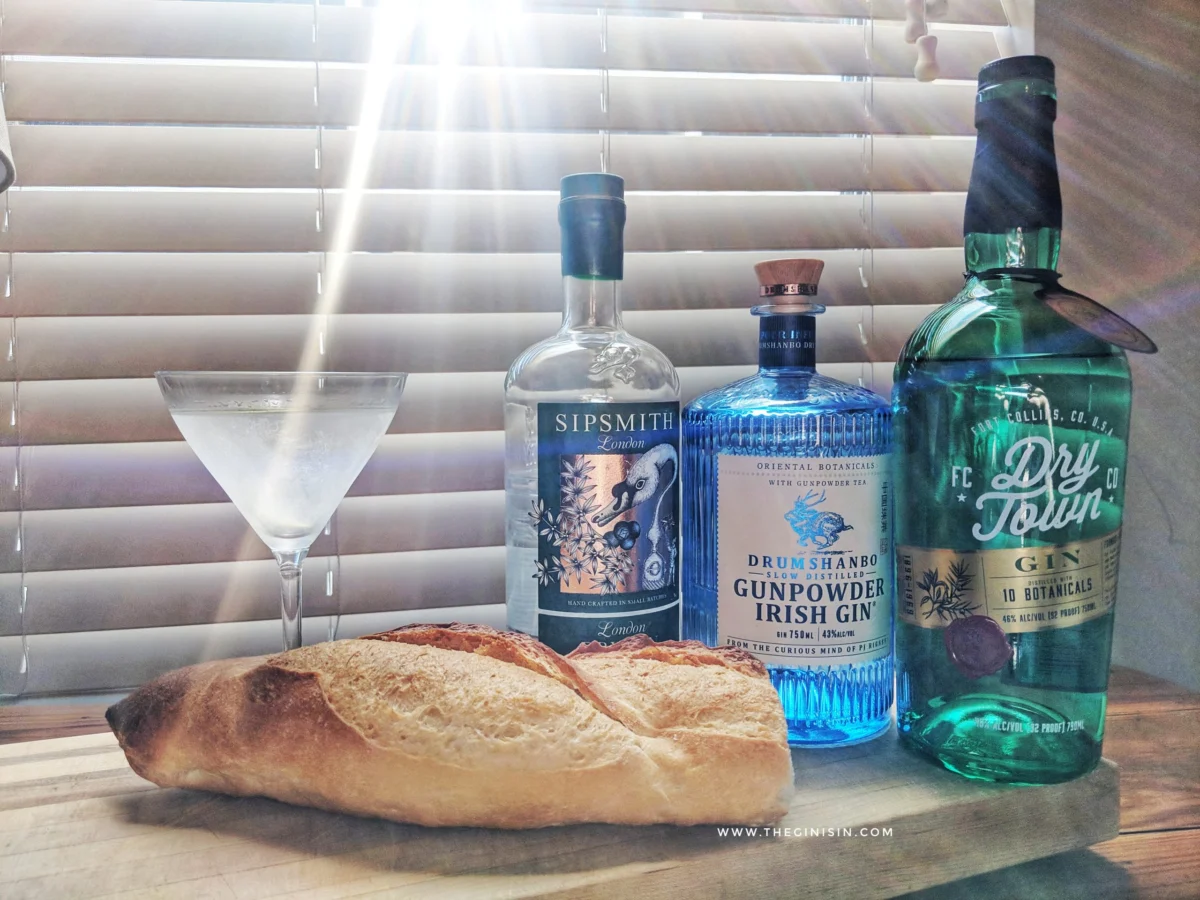
The fundamental chemistry of spirit production ensures that pure, distilled gin is gluten-free, a fact supported by major health organizations and regulatory bodies worldwide. Despite the frequent use of gluten-containing grains such as wheat, barley, and rye as base ingredients in the fermentation process, the physical process of distillation acts as a molecular filter that prevents the transfer of gluten proteins into the final bottled product. This scientific reality remains a cornerstone of food safety for individuals living with Celiac disease and non-Celiac gluten sensitivity, yet it continues to be a subject of significant public confusion and misinformation.
The Molecular Mechanics of Distillation
To understand why gin is safe for gluten-sensitive consumers, one must examine the volatility of molecules during the distillation process. Gluten is a complex protein found in cereal grains. Proteins are large, heavy, and non-volatile molecules with high molecular weights. During the production of gin, the base grain is fermented to create a "wash" or "mash." This liquid contains water, ethanol, yeast, and various grain solids, including gluten proteins.
The distillation process involves heating this liquid in a still. Ethanol has a boiling point of approximately 78.37°C (173.1°F), which is significantly lower than that of water and far below the point at which a heavy protein like gluten could ever transition into a gaseous state. As the wash is heated, the ethanol and volatile aromatic compounds evaporate, rising through the still as steam. This vapor travels through a condenser, where it is cooled back into a liquid form.
Because gluten proteins cannot be converted into gas at the temperatures used in spirit production, they remain in the boiling vessel (the "pot" or the base of the column) along with other non-volatile solids. The resulting distillate is a highly purified ethanol solution that is chemically devoid of gluten. While the "aromatic molecules"—the esters and terpenes that give gin its characteristic grain-like or botanical scent—are small enough to vaporize and carry over, the heavy protein structures that cause autoimmune reactions are physically left behind.
Regulatory History and Labeling Standards
The classification of distilled spirits as gluten-free has undergone significant regulatory evolution over the last decade. Historically, there was hesitation among regulators to allow spirits derived from gluten-containing grains to carry a "gluten-free" label, fearing consumer confusion or potential trace contamination.
In the United States, the Alcohol and Tobacco Tax and Trade Bureau (TTB) oversees the labeling of most distilled spirits. For years, the TTB maintained a conservative stance. However, following extensive consultation with the Food and Drug Administration (FDA) and a review of modern testing capabilities, the TTB issued Ruling 2020-2. This landmark ruling officially authorized the use of the term "gluten-free" on distilled spirits, even those produced from wheat, barley, or rye, provided that the distillation process followed good manufacturing practices to prevent post-distillation cross-contamination.
This alignment with FDA standards (which define "gluten-free" as containing fewer than 20 parts per million of gluten) was based on the scientific consensus that distillation is a validated method for removing gluten. Similar standards are upheld by the European Food Safety Authority (EFSA) and the United Kingdom’s National Health Service (NHS), both of which categorize distilled gin as safe for those with Celiac disease.
Chronology of Scientific and Regulatory Milestones
The path to the current consensus has been marked by several key developments in food science and policy:
- 2004: The United States Congress passes the Food Allergen Labeling and Consumer Protection Act (FALCPA), increasing pressure on manufacturers to disclose the presence of wheat and other allergens.
- 2012: The Celiac Disease Foundation and other advocacy groups begin intensive educational campaigns to clarify the difference between "gluten-removed" fermented products (like beer) and "naturally gluten-free" distilled products.
- 2013: The FDA issues its final rule on gluten-free labeling, setting the threshold at <20 ppm. This provides a benchmark for testing the efficacy of distillation.
- 2014: The TTB issues an interim policy allowing the "gluten-free" label only for spirits made from non-gluten ingredients (like corn, grapes, or potatoes), while spirits from grain must use "processed to remove gluten" language.
- 2020: The TTB updates its policy (Ruling 2020-2) to allow "gluten-free" labeling for all distilled spirits, acknowledging that distillation effectively eliminates gluten proteins regardless of the starting material.
Official Responses from Health Organizations
The consensus among medical professionals is near-unanimous regarding the safety of distilled spirits. The Celiac Disease Foundation explicitly states that distilled products do not contain harmful gluten peptides because the gluten peptide is too large to carry over in the distillation process.
Beyond Celiac, another leading advocacy group, echoes this sentiment but adds a cautionary note regarding post-distillation additives. While the base spirit is safe, the organization advises consumers to be wary of "flavored gins" or "liqueurs" that may have gluten-containing flavorings, syrups, or colors added after the distillation is complete. However, for a standard London Dry gin or traditional distilled gin, the risk is considered non-existent.
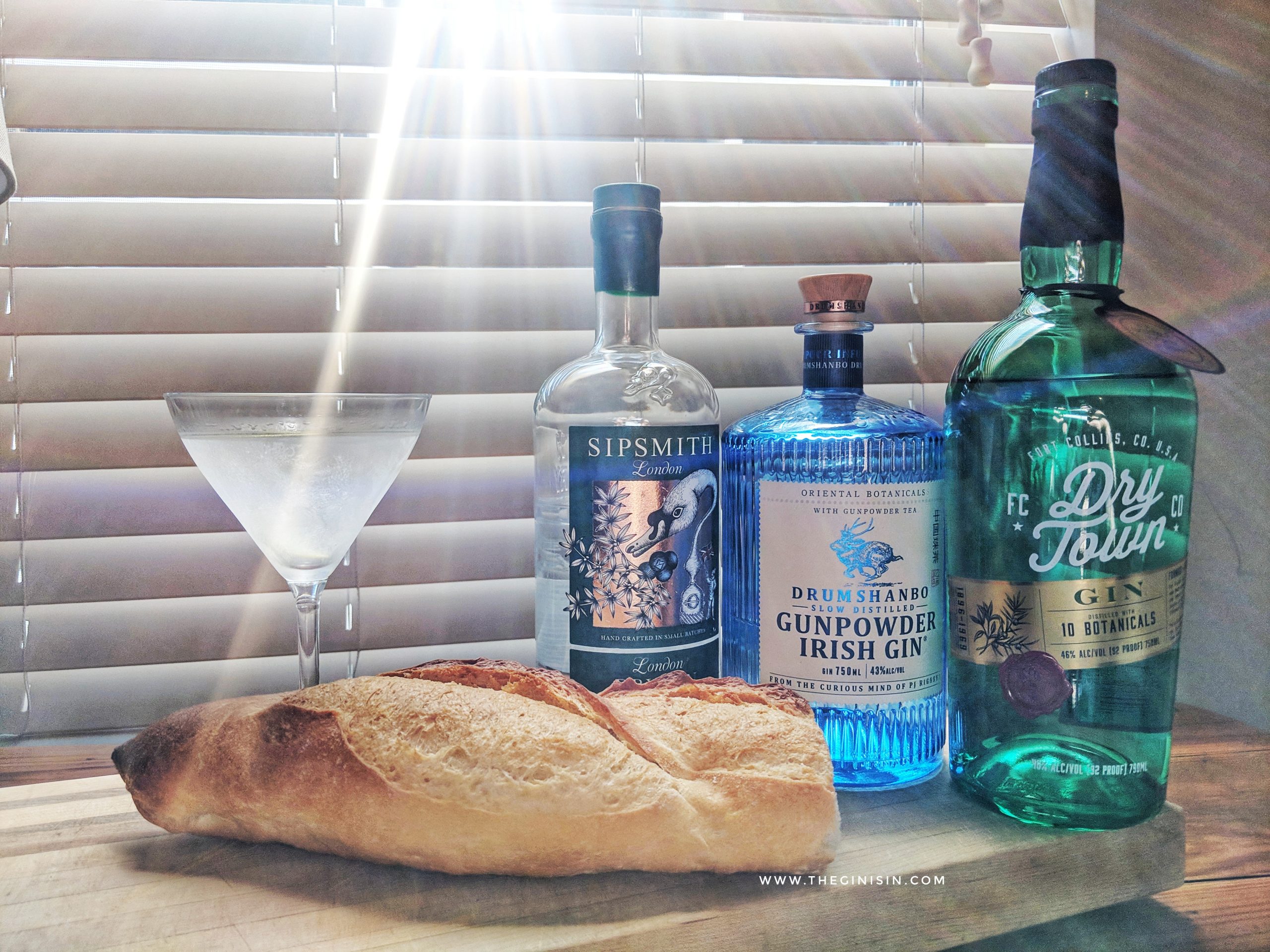
The University of Chicago Celiac Disease Center also confirms that distilled spirits are gluten-free, noting that the only theoretical risk would involve a massive failure in manufacturing protocols where raw grain dust enters the final product after it has left the still—a scenario that is highly unlikely in modern, regulated facilities.
Analyzing the "Symptom Gap"
Despite the scientific evidence, a segment of the population reports feeling "glutened" or experiencing adverse reactions after consuming gin. Scientific analysis suggests these reactions are likely caused by factors other than gluten.
First, alcohol is a known gastrointestinal irritant. Ethanol can increase intestinal permeability (sometimes referred to as "leaky gut") and cause inflammation of the stomach lining. For individuals with Celiac disease, whose digestive systems are already sensitive, the irritation caused by alcohol can mimic the symptoms of gluten ingestion, including bloating, abdominal pain, and lethargy.
Second, the "botanicals" used in gin—most notably juniper, but also coriander, angelica root, and citrus peel—contain various compounds that some individuals may find difficult to process. Furthermore, some gins are high in histamines or congeners (byproducts of fermentation), which can trigger sensitivities in certain people.
Finally, the placebo effect and the "nocebo effect" play significant roles in consumer perception. If a consumer is told that a gin is "made from wheat," the psychological association with gluten can trigger a psychosomatic response. This highlights the importance of accurate public health communication to prevent unnecessary dietary restrictions.
Broader Economic and Industrial Implications
The clarification of gin’s gluten-free status has had a measurable impact on the global spirits market. The "gluten-free" movement has grown into a multi-billion dollar industry, and gin has been a major beneficiary. Between 2015 and 2023, the gin category saw a significant "premiumization" trend, with craft distilleries emphasizing their base ingredients.
For distillers, the ability to market a wheat-based gin as "gluten-free" is a vital commercial tool. It allows them to use high-quality grains known for producing a smooth, "bready" mouthfeel—such as Red Winter Wheat—without alienating the growing demographic of gluten-conscious consumers. Market data suggests that "gluten-free" is one of the top three health-related claims that influence purchasing decisions in the spirits aisle.
Furthermore, the agricultural impact is noteworthy. Distilleries utilize vast quantities of grain, and the "spent grain" left over after distillation—which contains all the original gluten and protein—is often recycled as high-protein livestock feed. This creates a circular economy where the starch is converted to alcohol for human consumption, while the gluten is diverted to animal agriculture where it can be safely digested.
Conclusion: A Matter of Physical Law
The debate over gluten in gin is ultimately a conflict between perception and physics. While the presence of wheat or barley on a label may be a "red flag" for those with Celiac disease in the context of solid food or fermented beverages like beer, the physical law of distillation changes the equation entirely.
Because gluten proteins are not volatile and cannot evaporate at the temperatures required to produce gin, they are physically incapable of entering the final product. As long as distillers maintain clean facilities and avoid adding gluten-containing flavorings after the spirit has left the still, gin remains one of the safest alcoholic options for the gluten-free community. The ongoing education of both consumers and medical professionals remains essential to ensuring that those with dietary restrictions can make informed, safe, and stress-free choices in the spirits market.
