

The Finnish Long Drink, known domestically as "lonkero," has transitioned from a temporary solution for a 1950s logistical challenge into a cornerstone of Finnish national identity and a burgeoning player in the international ready-to-drink (RTD) beverage market. Originally conceived to streamline alcohol service during the 1952 Summer Olympics in Helsinki, the blend of gin and grapefruit soda has defied its intended expiration date to become one of Finland’s most exported and culturally significant alcoholic products. As the global demand for convenient, high-quality canned cocktails continues to surge, the Finnish Long Drink is currently undergoing an unprecedented period of international expansion, moving beyond its Nordic roots into European, Asian, and North American markets.
The 1952 Helsinki Olympics: A Catalyst for Innovation
The genesis of the Finnish Long Drink was rooted in necessity. As Helsinki prepared to host the 1952 Summer Olympics, the Finnish government and the state-owned alcohol monopoly, Alko, faced a significant dilemma. The city was expecting an unprecedented influx of international tourists, and the existing infrastructure for bars and restaurants was deemed insufficient to handle the volume of customers demanding quick service.
To alleviate the pressure on bartenders, Alko commissioned the beverage company Hartwall to create a pre-mixed, bottled cocktail that could be served instantly. The result was the "Original Long Drink," a combination of Finnish gin and grapefruit soda. While intended only as a temporary measure for the duration of the games, the beverage’s crisp, refreshing profile resonated deeply with both locals and visitors.
The 1952 Olympics were historically significant for several reasons beyond the introduction of lonkero. They marked the first time the Soviet Union participated in the games and were the first Summer Olympics since 1912 where medals were not awarded for art competitions. Amidst this backdrop of geopolitical tension and cultural shifts, the Long Drink emerged as a symbol of Finnish hospitality and modernization. Although the art competitions were discontinued—preventing local literary talents like Aale Tynni from defending previous accolades—the culinary innovation of the Long Drink provided a lasting legacy that outlived the sporting events of that summer.
Historical Chronology and the Path to Ubiquity
The trajectory of the Finnish Long Drink was not entirely linear. Following the 1952 Olympics, the drink remained popular, but its production was eventually phased out in the 1970s as consumer tastes shifted. However, a powerful wave of consumer nostalgia and a persistent demand for the specific flavor profile led to its reintroduction.
- 1952: Hartwall launches the Original Long Drink for the Helsinki Summer Olympics.
- 1970s: Production is briefly discontinued as the market experiments with other beverage styles.
- 1995: Finland joins the European Union, leading to the liberalization of alcohol laws and the end of certain production monopolies, which allowed for a wider variety of lonkero brands to enter the market.
- 2015: Hartwall initiates a strategic international push, signing distribution agreements for the Netherlands, Sweden, and Belgium.
- 2016: The brand enters the Asian market, specifically Japan, capitalizing on the regional preference for gin-based and citrus-forward beverages.
- 2018–Present: Several independent brands, including some backed by high-profile investors, begin introducing "Finnish-style" long drinks to the United States and Canada, citing the original 1952 recipe as their inspiration.
Market Analysis and Product Profiles
The contemporary lonkero market is characterized by a spectrum of production methods. While the original Hartwall recipe remains the industry standard, other manufacturers have introduced variations involving natural fermentation or different spirits. The alcohol content typically ranges between 5% and 8% by volume.
Hartwall Original Long Drink
The industry leader is defined by its balance. On the nose, it presents a distinct white grapefruit aroma. The palate is characterized by an acidity that is less sweet than modern mass-market sodas, allowing the botanical notes of the gin to emerge mid-palate. The finish is crisp and dry, mimicking the refreshing quality of a traditional Gin and Tonic but with a more integrated citrus profile.
Laitilan Gini Long Drink
A prominent competitor, Laitilan, offers a version that leans more heavily into the fruit profile. Reviewers often note hints of ruby red grapefruit alongside the traditional white grapefruit base. However, industry analysis suggests that this version often masks the juniper notes of the gin, making it a preferred choice for consumers who prioritize a fruit-forward experience over a spirit-forward one.
The Regulatory Environment and Economic Impact
The success of the Long Drink is inextricably linked to Finland’s unique relationship with alcohol regulation. For decades, Alko maintained a strict monopoly on the sale of beverages exceeding certain alcohol percentages. This meant that for a long period, the "Original Long Drink" was one of the few branded alcoholic beverages that achieved universal recognition across the country.
In recent years, the Finnish government has updated its Alcohol Act (notably in 2018), allowing for the sale of beverages produced by mixing spirits (like gin-based lonkero) in grocery stores, provided they stay under a specific ABV threshold (currently 5.5%). Previously, only fermented versions were allowed in retail supermarkets. This legislative shift has catalyzed a "lonkero boom," leading to increased domestic competition and providing a robust platform for export.
According to market data, the RTD category is one of the fastest-growing segments in the global spirits industry. The Finnish Long Drink is positioned to capitalize on this trend due to its "clean label" appeal and its heritage. For Hartwall and its competitors, the expansion into markets like Japan and the UK represents a strategic move to diversify revenue streams away from the saturated Finnish domestic market.
Cultural Significance: The "Lonkero" Lifestyle
In Finland, the Long Drink is more than a beverage; it is a cultural fixture. It is the standard draft offering in saunas, restaurants, and sports arenas. Its ubiquity is such that in Finnish parlance, the term "lonkero" has become a genericized trademark, though Hartwall maintains strict branding over the "Original" moniker.
The drink’s association with the sauna culture is particularly noteworthy. The high-acidity and carbonation provide a counterpoint to the heat of the Finnish sauna, making it the traditional choice for "after-sauna" relaxation. This deep cultural integration has created a built-in marketing narrative for international distributors, who sell the drink not just as a cocktail, but as a piece of Finnish lifestyle.
Global Adaptation and the DIY Movement
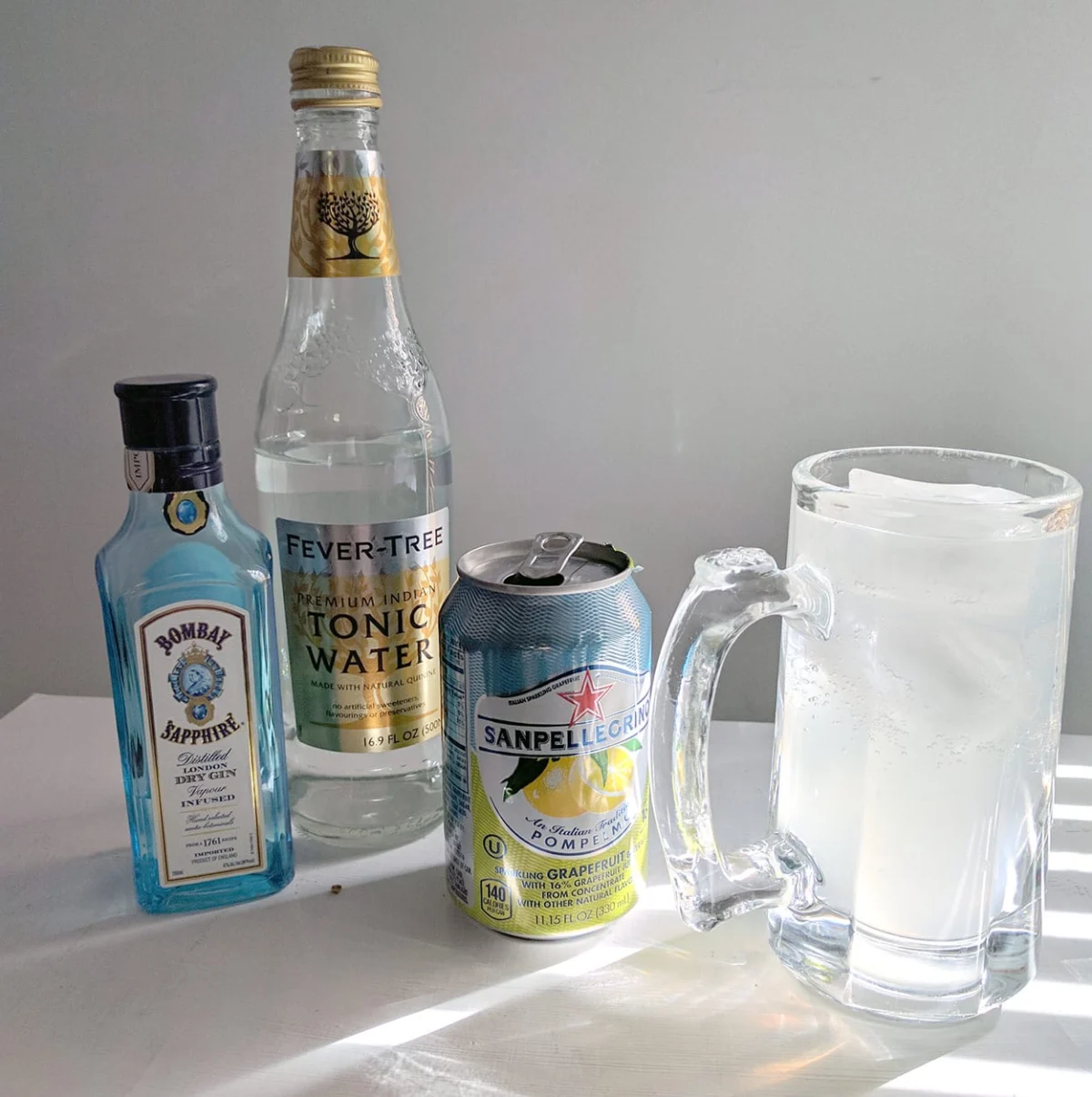
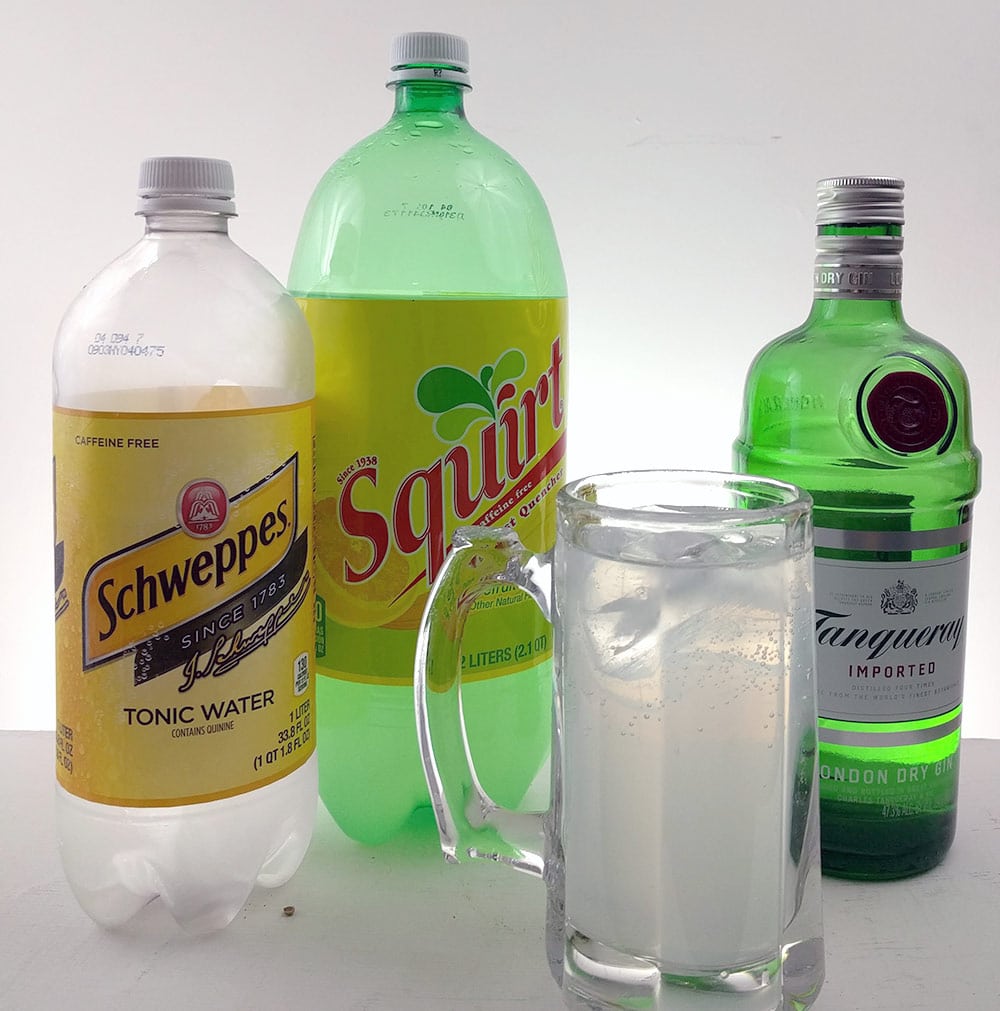
As the Long Drink expands, it has encountered a unique challenge: availability. In regions where the bottled or canned versions are not yet distributed, a cult following has emerged, leading to various "DIY" recreations among cocktail enthusiasts. This phenomenon highlights the drink’s reliance on a specific, often hard-to-replicate grapefruit soda profile.
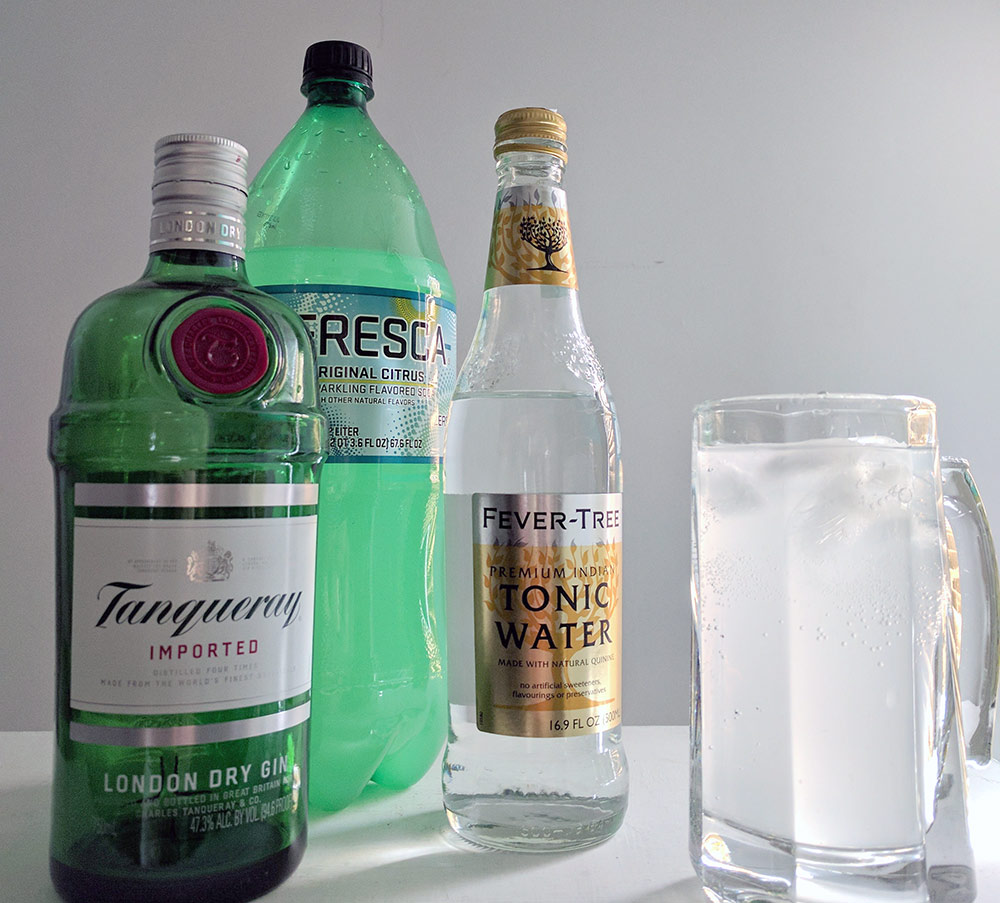
Experimental recreations in North America have identified various "best fits" for the Finnish flavor profile:
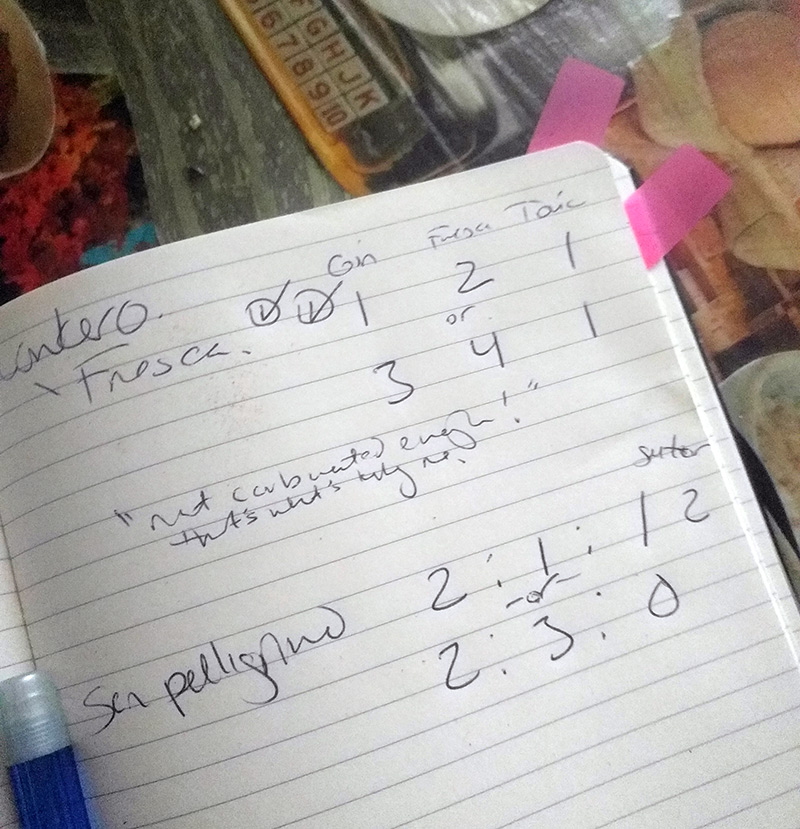
- Fresca-based Ratios: Using a 4:3:1 ratio of Fresca, gin, and tonic water has been noted by enthusiasts as the closest approximation to the canned Finnish product available in the U.S.
- Grapefruit Juice and Simple Syrup: Professional bartenders often attempt to "elevate" the drink using fresh-squeezed white grapefruit and lemon juice. However, analysts note that these fresh versions often lack the specific "nostalgic" note of the Finnish soda, which is essential to the authentic experience.
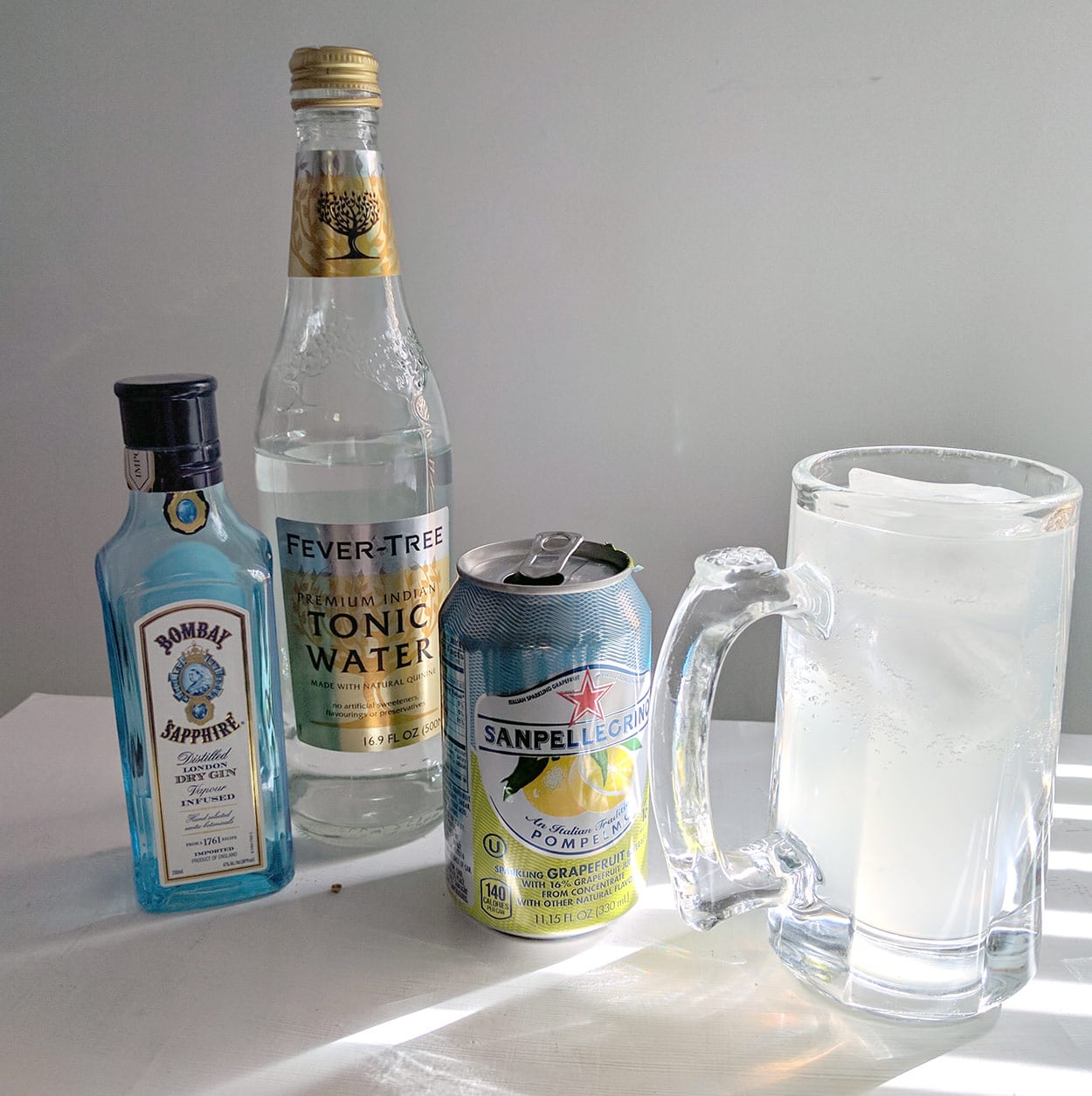
- Sparkling Mineral Water and Botanical Gins: Some variations prioritize the gin’s botanicals, using high-end mixers like Q Tonic or San Pellegrino Pompelmo, though these often deviate significantly from the 1952 Olympic profile.
Implications and Future Outlook
The international trajectory of the Finnish Long Drink serves as a case study in heritage branding. By leveraging its history as an "Olympic" beverage, the product distinguishes itself in a crowded RTD market dominated by malt-based hard seltzers and artificial flavors.
The expansion into North America is particularly significant. The U.S. market has seen a surge in "The Long Drink" brands, some of which are co-owned by celebrities and professional athletes, further cementing the beverage’s transition from a Finnish staple to a global lifestyle brand. As consumers move away from high-sugar mixers and toward crisp, gin-based alternatives, the Finnish Long Drink is expected to maintain its upward growth curve.
In conclusion, the Finnish Long Drink represents a rare successful transition of a state-commissioned emergency measure into a global commercial success. Its survival through decades of regulatory changes and its current expansion across two continents underscore a fundamental consumer preference for beverages with a clear history, a distinct flavor profile, and a functional origin. Whether enjoyed in a traditional Finnish sauna or a quirky bar in Brighton, the "lonkero" remains a testament to the lasting impact of the 1952 Helsinki Olympics on the global beverage landscape.
