

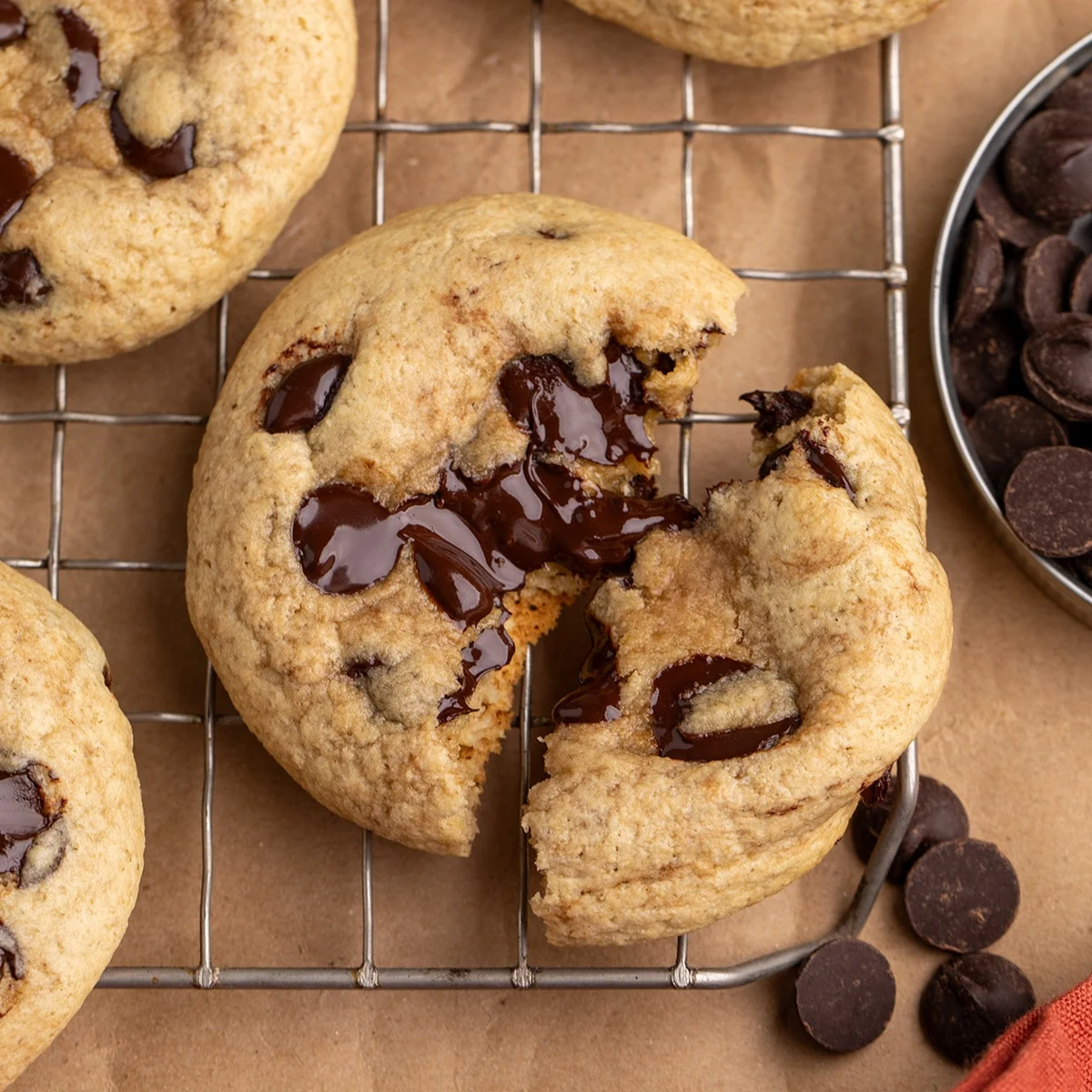
In the ever-evolving landscape of health-conscious baking, a new contender is emerging that promises to satisfy both the sweet tooth and the nutritional goals of consumers: the protein-packed chocolate chip cookie. This article delves into the specifics of a highly regarded recipe, exploring its unique approach to incorporating protein without compromising the classic taste and texture of a beloved treat. The focus is on a recipe that prioritizes a buttery, lightly sweet flavor profile, delivering a substantial 10 grams of protein per cookie, all while maintaining the delightful softness and chewiness of traditional chocolate chip cookies.
The Innovation Behind the Protein Cookie
The culinary innovation behind these protein cookies lies in their departure from common protein cookie formulations. Unlike many recipes that heavily rely on nut butters for their protein and structural components, this particular recipe opts for protein powder as its primary protein source. This strategic choice is key to preserving the authentic flavor of a classic chocolate chip cookie, preventing the often-dominant taste of nuts from overshadowing the familiar chocolate chip experience.
The challenge in creating protein cookies often stems from the inherent drying and chalky textures that protein powder can introduce. This recipe elegantly addresses this by employing a carefully balanced combination of finely ground oat flour, melted butter, and eggs. The inclusion of just the right amount of sugar is also crucial, acting as a critical element in maintaining the cookies’ soft and chewy consistency.

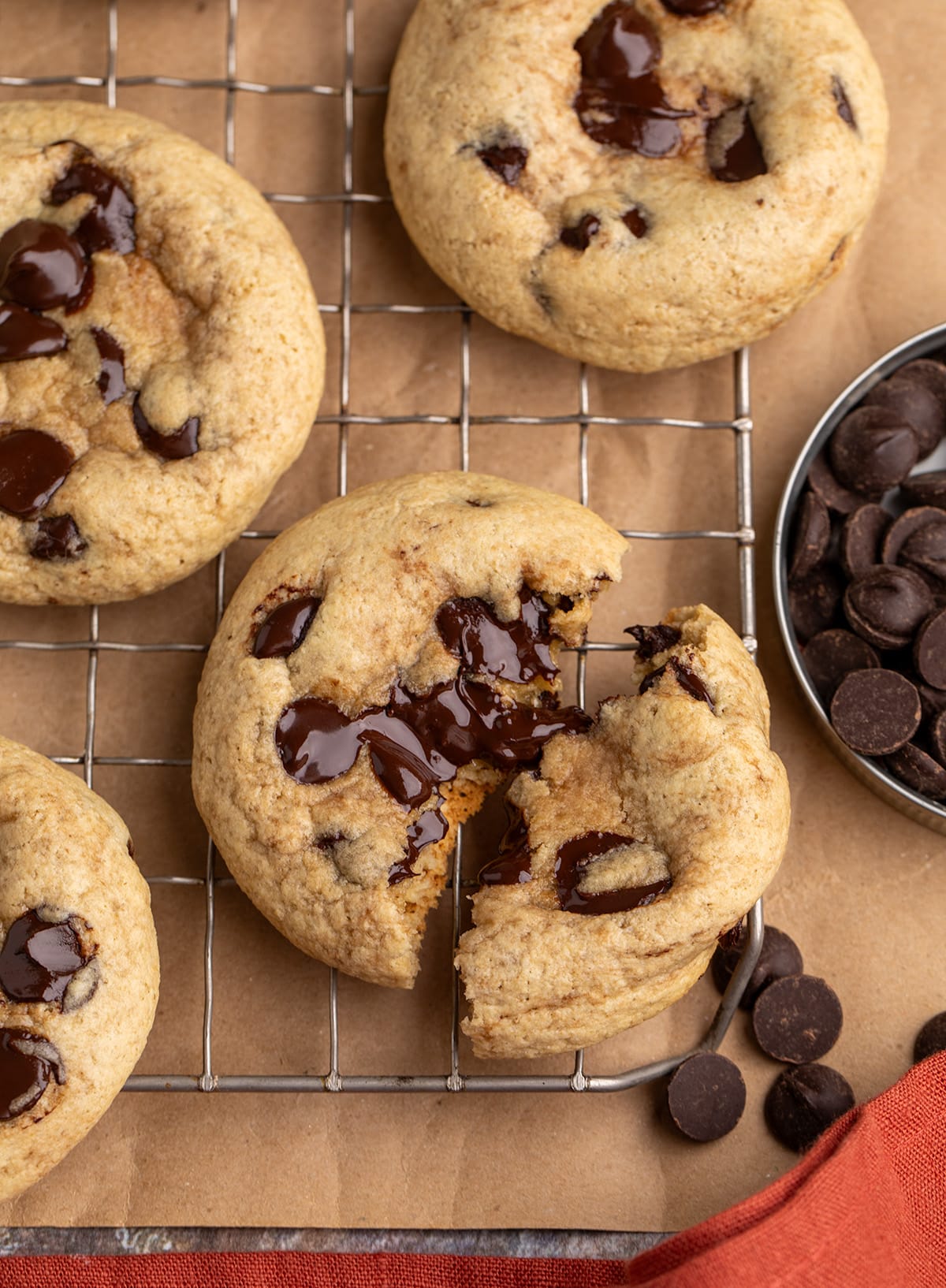
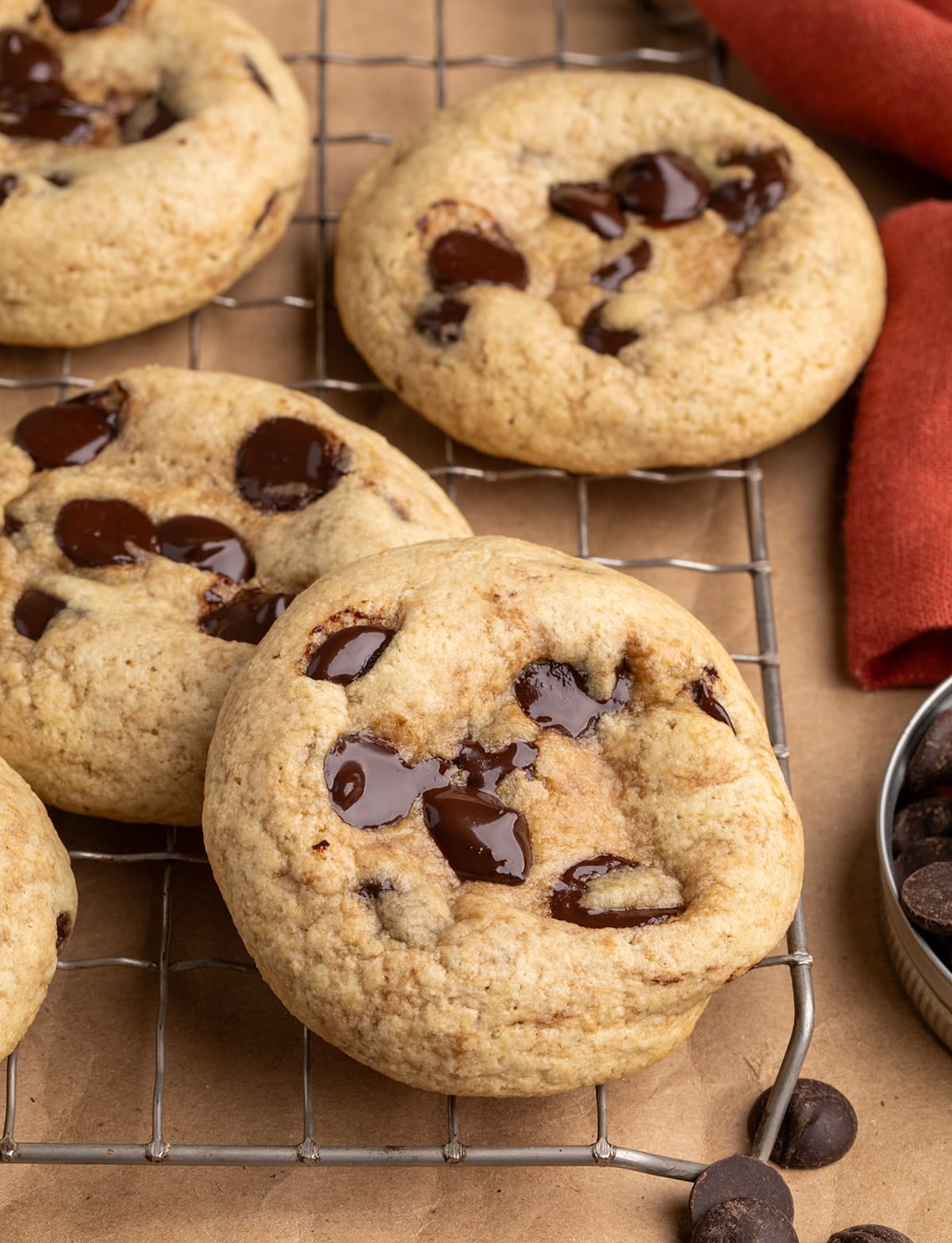
A vital technique highlighted in this recipe is the precise baking time. The cookies are intentionally pulled from the oven before they appear fully baked. This "underbaking" is essential for retaining moisture, which directly combats the dryness often associated with protein-enhanced baked goods. The visual cue for removal is when the tops remain pale, with only the edges showing the slightest signs of browning. As the cookies cool, they continue to set, achieving a perfect soft and chewy texture.
Key Ingredients for Success
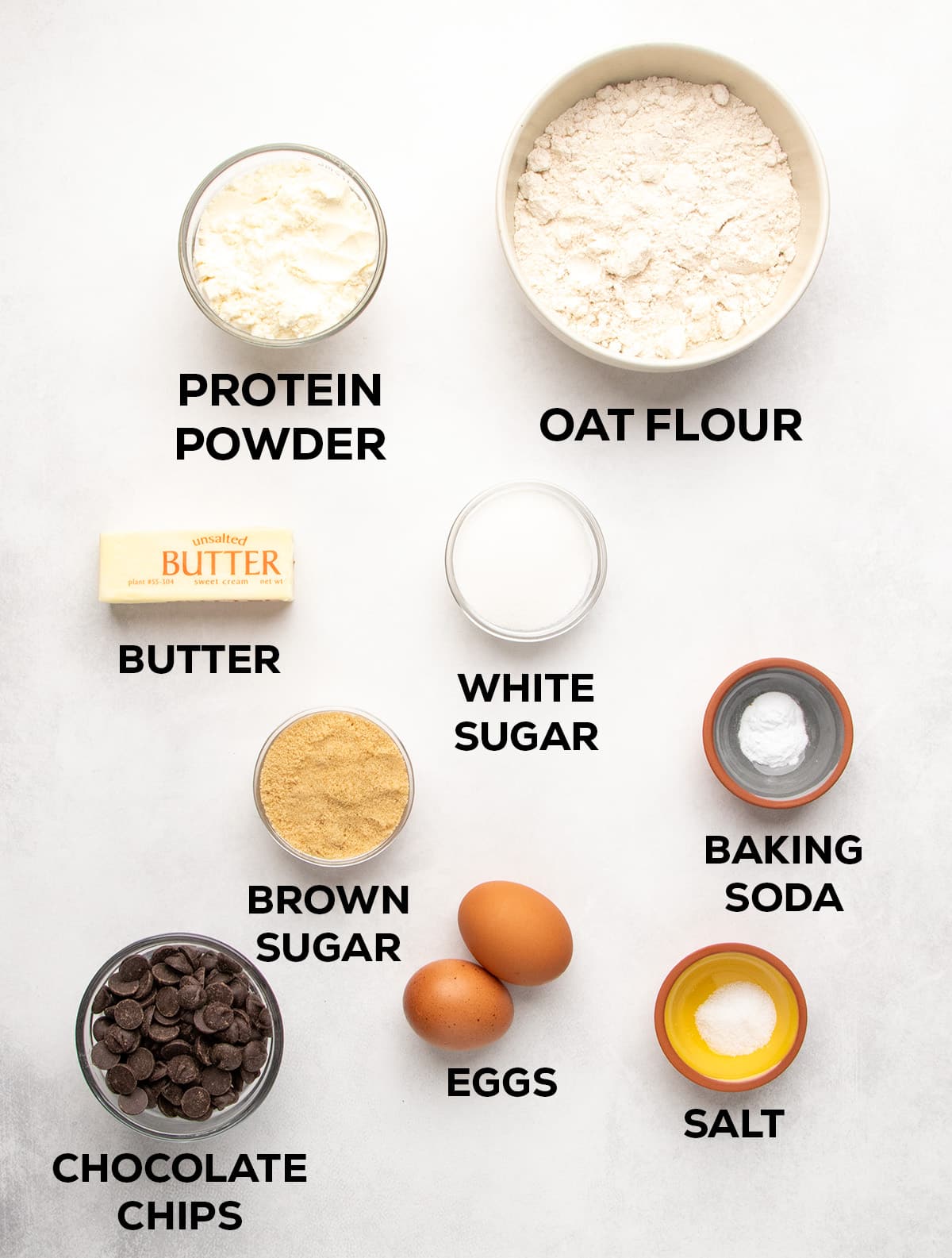
The foundation of these protein cookies rests on a thoughtful selection of ingredients. While the precise quantities are detailed in the accompanying recipe card, a general overview reveals the core components:
- Protein Powder: This is the star ingredient for boosting protein content. The type of protein powder used can influence flavor and texture, with whey protein isolate often being a favored choice for its neutral taste and baking properties.
- Oat Flour: Finely ground oat flour provides a gluten-free base and contributes to the cookies’ tender crumb. Its fine texture is crucial for preventing a gritty mouthfeel.
- Butter: Melted butter contributes richness and moisture, enhancing the overall buttery flavor and ensuring a desirable chewiness.
- Eggs: Eggs act as a binder and contribute to the cookies’ structure and richness.
- Sugars: A combination of white and brown sugar is typically used. Brown sugar, in particular, adds moisture and a subtle caramel note, further contributing to the chewy texture.
- Baking Soda: This leavening agent helps the cookies spread and achieve a slightly crisp edge.
- Salt: Salt balances the sweetness and enhances the overall flavor profile.
- Chocolate Chips: The quintessential chocolate chip cookie ingredient, adding pockets of melty chocolate goodness.
For those seeking alternative protein-rich snacks, the creator also offers a recipe for peanut butter protein cookies, providing another avenue for protein fortification in a dessert format.
A Step-by-Step Approach to Perfect Protein Cookies
The creation of these protein-packed delights involves a straightforward yet precise methodology, designed to ensure optimal results at each stage:
-
Combining Dry Ingredients: The initial step involves thoroughly whisking together the oat flour, protein powder, both white and brown sugars, baking soda, and salt. This meticulous mixing ensures an even distribution of all dry components, preventing any concentrated pockets of leavening agents or salt. Any clumps within the brown sugar are also broken up during this phase, promoting a uniform dough.
-
Incorporating Wet Ingredients: A well is created in the center of the dry ingredients. Melted butter and beaten eggs are then added to this well. The mixture is then stirred until a thick dough begins to form. This technique helps to contain the wet ingredients, minimizing mess and facilitating a quick and even incorporation without overmixing, which could lead to a tough or stringy batter.
-
Adding Chocolate Chips: The majority of the chocolate chips are folded into the dough, ensuring they are distributed evenly throughout. A portion of the chocolate chips is reserved to be placed on top of the cookies before baking, enhancing their visual appeal and ensuring a generous chocolatey bite.
-
Portioning the Dough: Using a medium-sized spring-loaded ice cream scoop or two spoons, the dough is divided into uniform portions, typically around 1.5 tablespoons each, weighing approximately 2.25 ounces. Consistency in size is paramount for even baking, ensuring all cookies are ready at the same time.
-
Shaping the Cookies: Each portion of dough is rolled into a smooth ball between the palms. This action promotes evenly shaped cookies with smooth tops that bake uniformly. The reserved chocolate chips are then gently pressed into the top of each dough ball, allowing them to be visible after baking.
-
Baking to Perfection: The cookies are baked in a preheated oven at 325°F (163°C) for approximately 9 minutes. The critical indicator of doneness is when the cookies appear mostly set in the center, with only the edges beginning to show a light golden-brown hue. Over-baking is actively avoided, as extended baking times lead to moisture loss and a drier final product. The residual heat of the baking sheet and the ambient oven temperature will continue to cook the cookies as they cool.
Navigating Ingredient Substitutions
For individuals with specific dietary needs or preferences, several substitution options are available, though it is important to note that these may alter the final texture and flavor:
-
Dairy-Free Modifications: To make the cookies dairy-free, block-style vegan butter alternatives, such as those from Melt or Miyoko’s, can be used in place of traditional butter. For protein powder, collagen peptides, like Vital Proteins or Perfect Hydrolyzed Collagen Peptides, can be a viable substitute for whey protein isolate, though the results may not be identical. Flavored protein powders, such as Vega essentials chocolate flavor, can also be used, but their added ingredients may influence the final outcome. For a different dairy-free, protein-rich option, protein balls with approximately 6 grams of protein each, without protein powder, are also suggested.
-
Oat-Free Alternatives: Individuals unable to consume oats can explore grinding quinoa flakes or utilizing other gluten-free oat substitutes. Super finely ground and sifted almond flour, from brands like Blue Diamond or Wellbee’s, can also be a potential replacement.
-
Egg-Free Options: For an egg-free version, several alternatives can be employed. "Chia eggs," created by mixing 2 tablespoons of ground white chia seeds with 4 tablespoons of lukewarm water and allowing them to gel, are a popular choice. Commercially available egg replacers, such as Bob’s Red Mill egg replacer or JustEgg liquid refrigerated egg replacer, are also viable options.
-
Sugar Alternatives: While sugar alternatives like those from the Lakanto brand can be used, it’s important to anticipate that they may result in a drier cookie. This is because sugar plays a crucial role in retaining moisture in baked goods, a function that sugar alternatives do not replicate to the same extent.
Storage and Shelf Life
Proper storage is essential for maintaining the quality of these protein cookies. They can be stored in an airtight container at room temperature for approximately 5 days. For longer-term preservation, the cookies can be frozen in a freezer-safe zip-top bag for up to 3 months. It is recommended to allow frozen cookies to defrost briefly before consumption to ensure the chocolate chips are not excessively hard.

Nutritional Profile
Each cookie, as per the provided nutritional information, offers a compelling balance of macronutrients. A single serving (one cookie) contains approximately 284 calories, 28 grams of carbohydrates, and a significant 10 grams of protein. Additionally, each cookie provides 15 grams of fat, including 8 grams of saturated fat, 1 gram of polyunsaturated fat, and 4 grams of monounsaturated fat. The cholesterol content is around 63 mg, with 201 mg of sodium and 179 mg of potassium. Fiber content is approximately 2 grams, and sugar content is around 16 grams. The cookies also contain trace amounts of Vitamin A, Calcium, and Iron. It is important to note that this nutritional data is automatically calculated and should be considered an approximation.
The development of recipes like these chocolate chip protein cookies signifies a growing trend towards making nutritious food choices more accessible and enjoyable. By skillfully blending the familiar comfort of a classic cookie with the functional benefits of added protein, these creations cater to a wide audience seeking to enhance their dietary intake without sacrificing taste or texture.
