

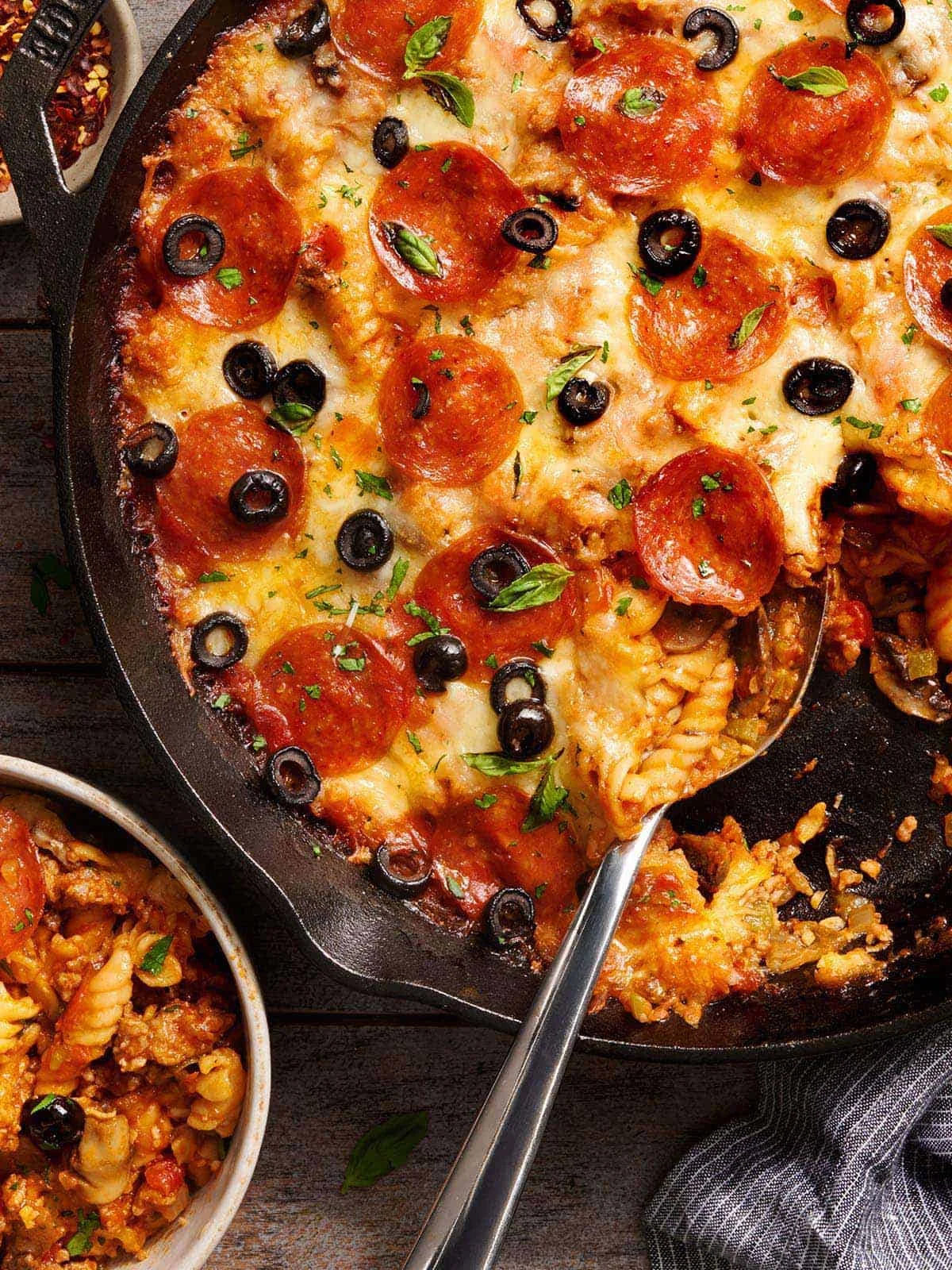
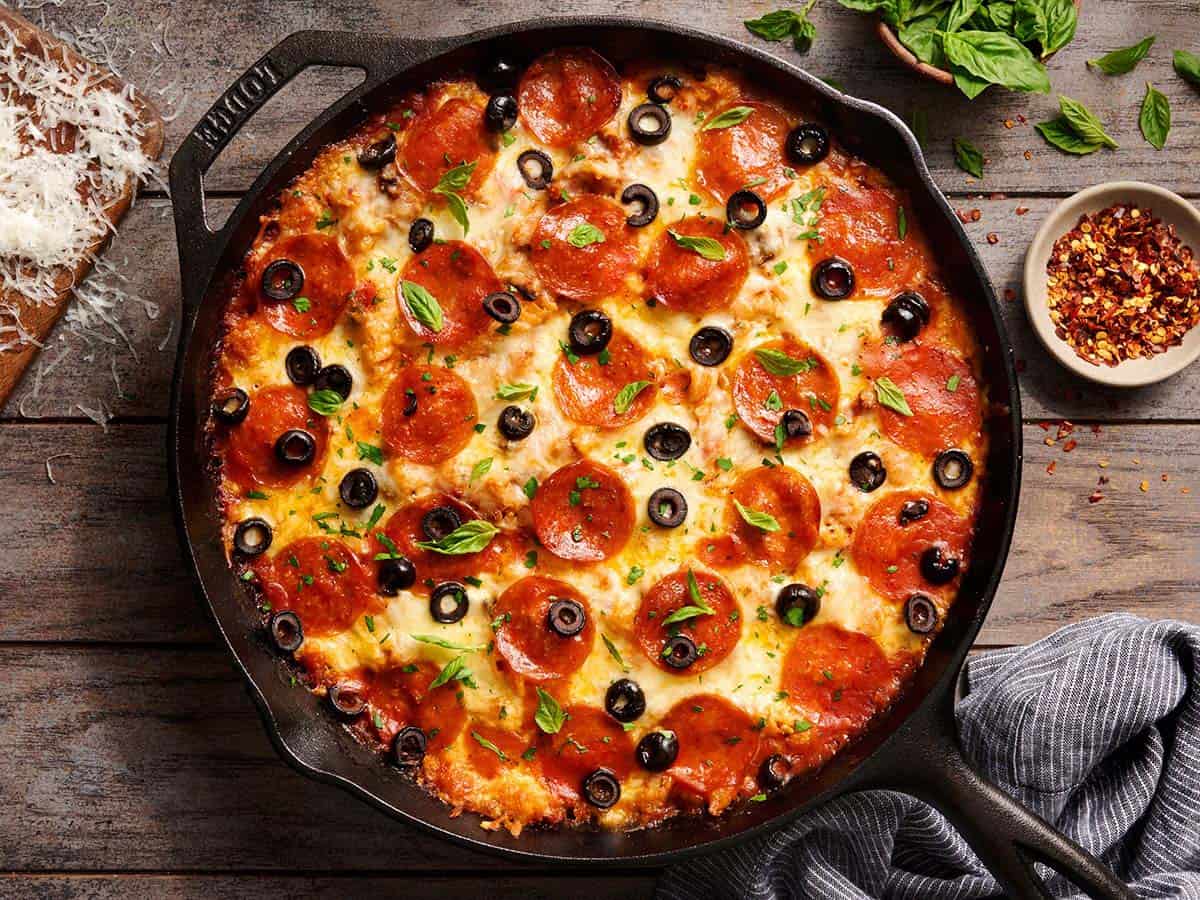
The culinary landscape of 2024 has been increasingly defined by a dual demand for economic efficiency and nutritional density, a trend that has seen the resurgence of the "one-pot" meal as a staple of the American domestic kitchen. A prominent example of this development is the recent release of a streamlined Skillet Pizza Casserole by the Nashville Test Kitchen, a recipe designed to address the time constraints of modern working households while maintaining a strict cost-per-serving threshold of approximately $2.05. This culinary development represents more than a simple recipe update; it is a strategic response to the rising cost of living and the evolving preferences of consumers who seek the comfort of traditional "Friday night pizza" without the associated expense of delivery or the intensive cleanup of multi-pot pasta dishes.
Economic Context and the Rise of Budget-Conscious Cooking
To understand the significance of the Skillet Pizza Casserole, one must examine the broader economic pressures currently facing the average household. According to recent consumer price index data, the cost of food away from home has seen a steady increase, leading many families to pivot back toward home-cooked alternatives. However, the "time tax" associated with traditional cooking—specifically the preparation and cleaning of multiple dishes—often acts as a barrier.
The Skillet Pizza Casserole, developed by culinary expert Jennie Alley, addresses these variables by utilizing a one-skillet methodology. By calculating the total recipe cost at $12.31 for six servings, the Nashville Test Kitchen provides a solution that is significantly lower than the average national cost of a large "supreme" pizza, which typically ranges from $18.00 to $26.00 before taxes, delivery fees, and tips. This represents a potential savings of over 50% for a family of six, a metric that is increasingly vital for middle-to-low-income demographics.
Technical Methodology: The One-Pan Innovation
The technical innovation of this specific casserole lies in its abandonment of the traditional two-stage pasta boiling process. In conventional pasta-based casseroles, the pasta is boiled in a separate vessel of salted water, drained, and then integrated into a sauce before baking. This method requires at least two large cooking vessels and a colander.
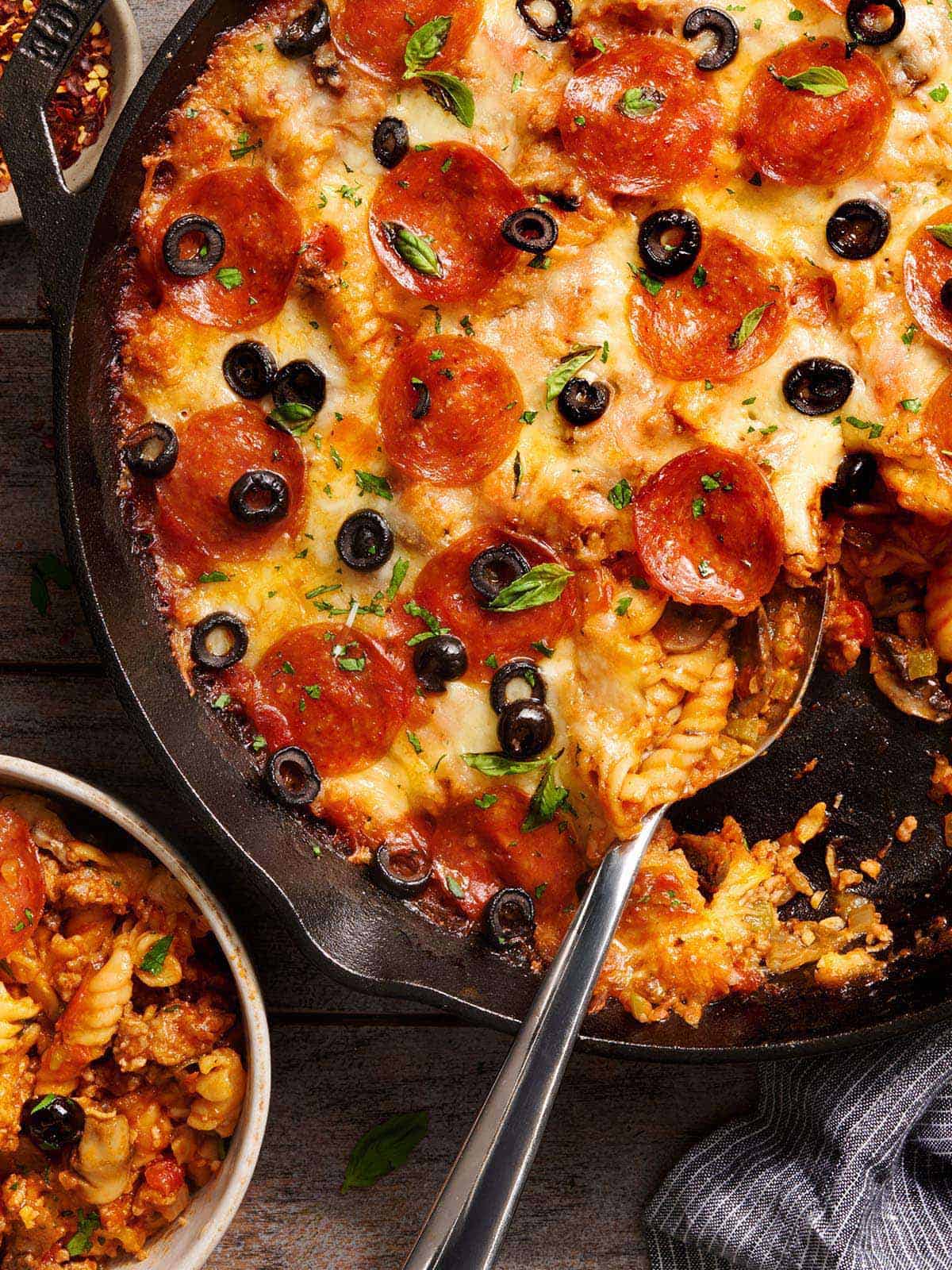
The Nashville Test Kitchen’s refined process utilizes the moisture from the pasta sauce and an additional cup of water to cook the rotini pasta directly within the skillet. This "absorption method" serves two purposes:
- Starch Retention: As the pasta cooks in the sauce, it releases starches that would otherwise be discarded with boiling water. These starches act as a natural thickening agent, creating a more cohesive, "saucy" texture that adheres better to the twists of the rotini.
- Flavor Infusion: Rather than absorbing plain water, the pasta absorbs the seasoned tomato sauce, Italian sausage fats, and vegetable juices, resulting in a more deeply flavored final product.
Chronology of Preparation and Execution
The execution of the Skillet Pizza Casserole follows a precise chronological sequence designed to maximize flavor extraction and ensure food safety through proper thermal processing.
Phase I: Protein and Aromatic Foundation
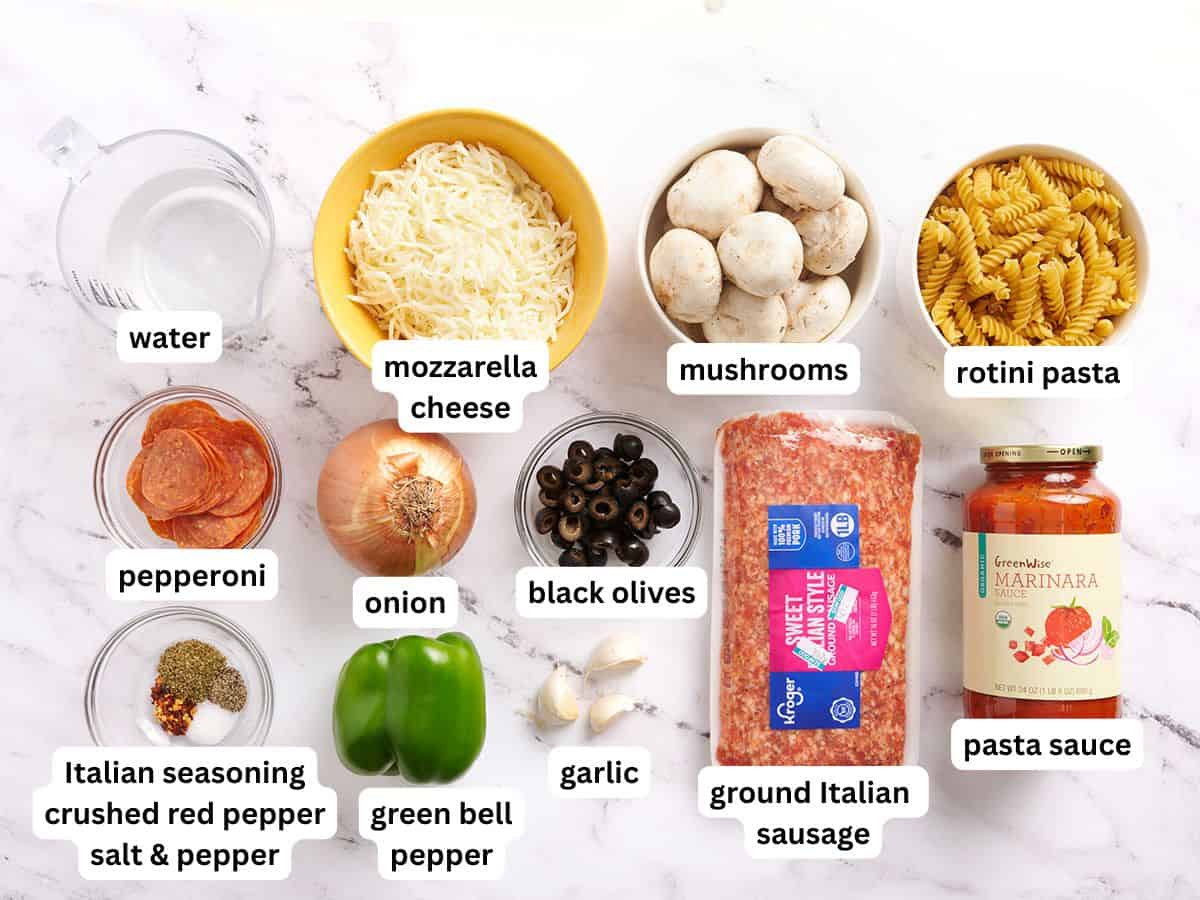
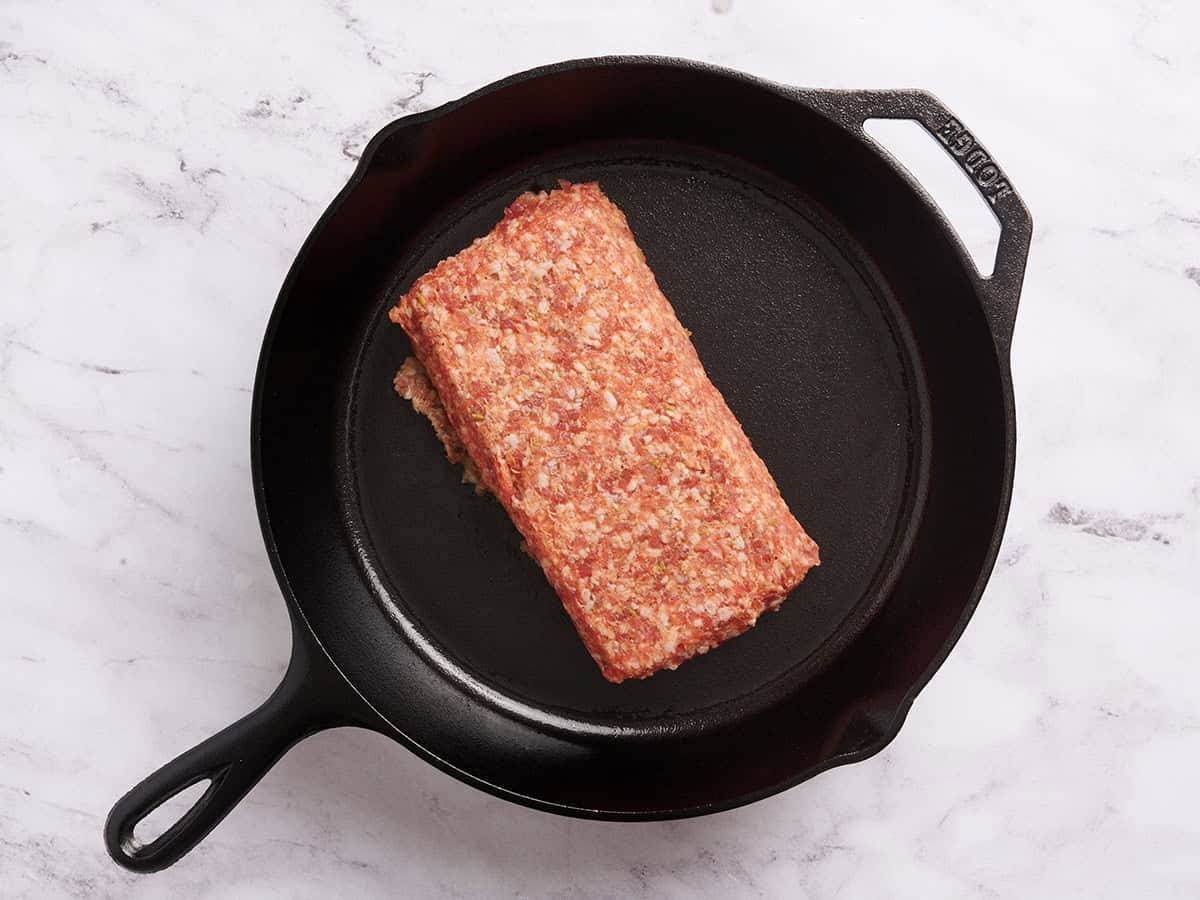
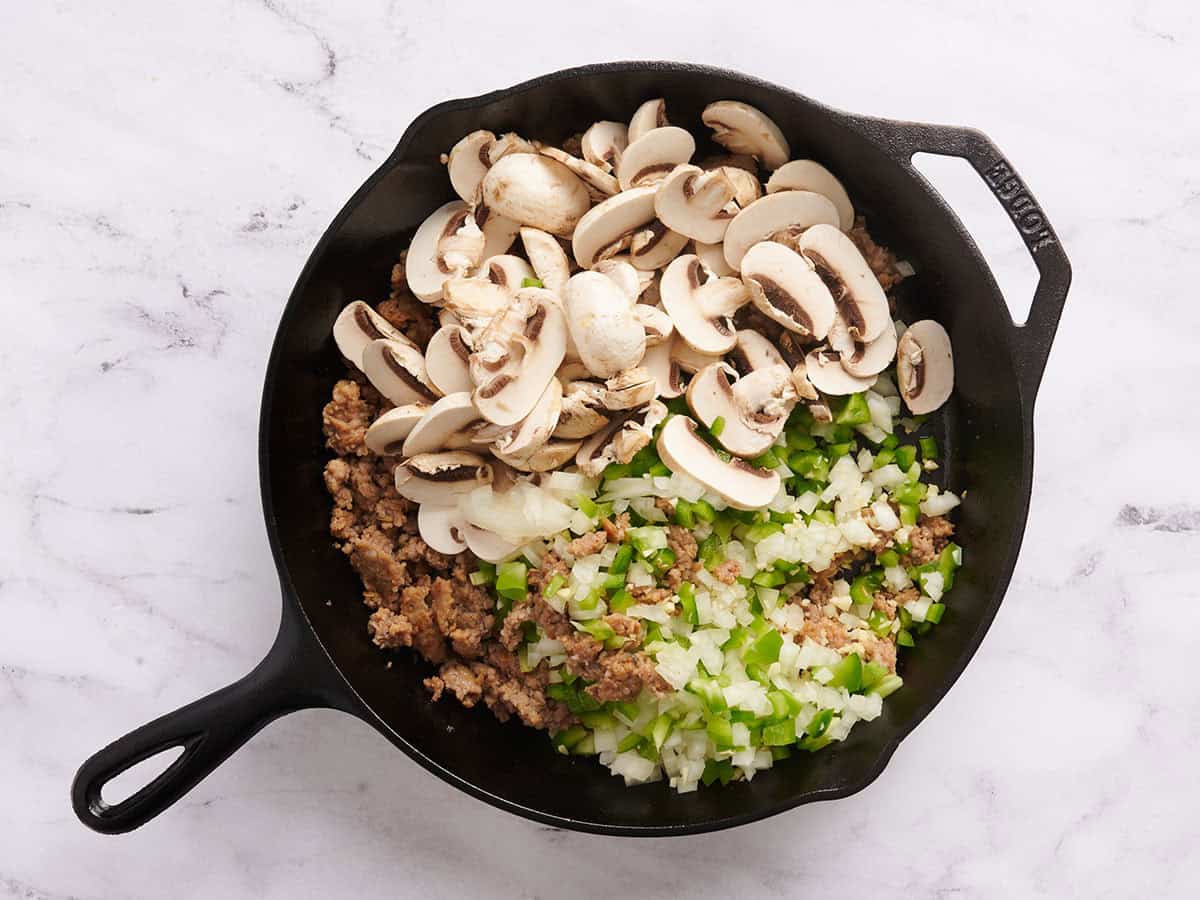
The process begins with the browning of one pound of ground Italian sausage in a deep, oven-safe skillet over medium heat. This phase, lasting five to seven minutes, is critical for the Maillard reaction—the chemical reaction between amino acids and reducing sugars that gives browned meat its distinctive savory flavor. Following the browning, the "holy trinity" of pizza vegetables—onions, green bell peppers, and mushrooms—is introduced alongside minced garlic. This four-to-five-minute window allows the vegetables to soften and release their moisture, which deglazes the pan and incorporates the flavorful browned bits (fond) from the sausage into the mixture.
Phase II: Simmering and Hydration
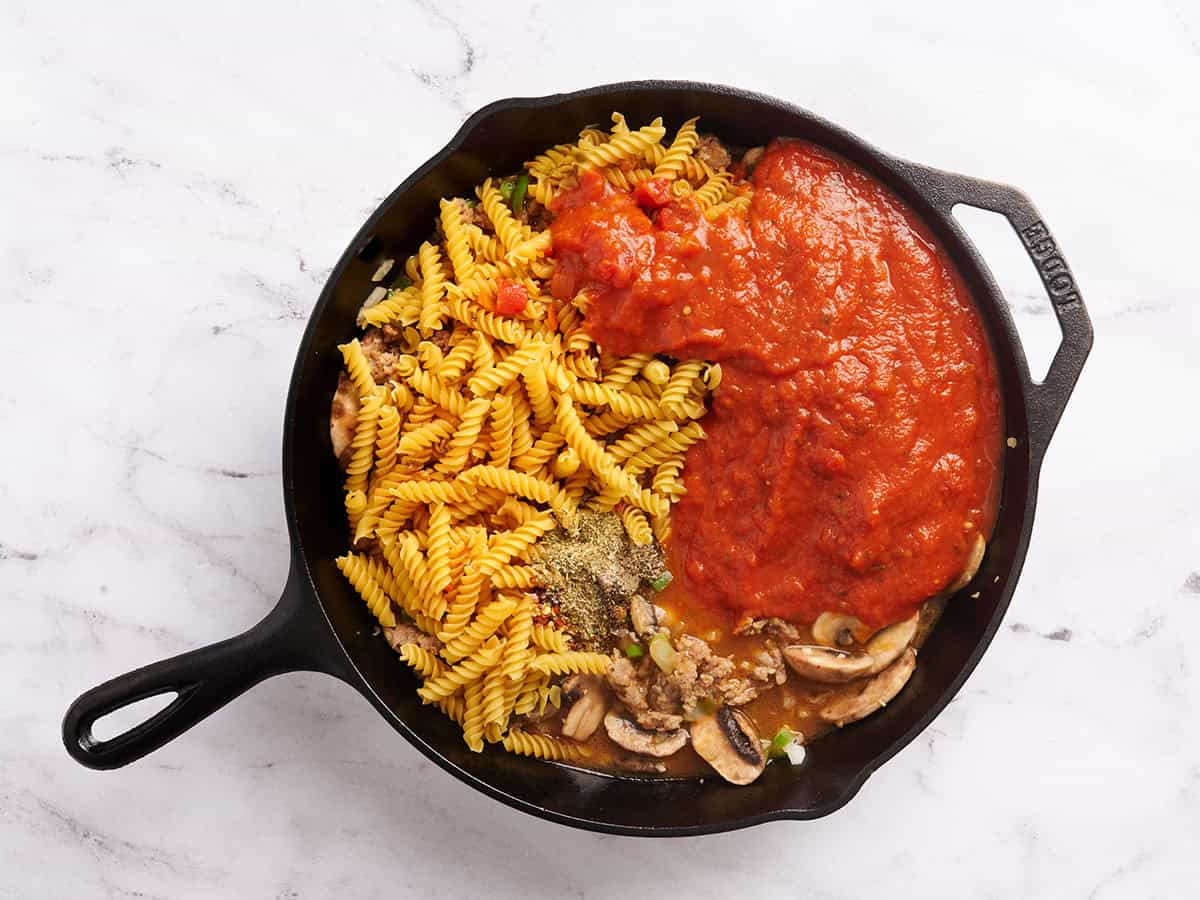
The second phase involves the introduction of 24 ounces of pasta sauce, 8 ounces of uncooked rotini, and one cup of water. Seasonings, including Italian seasoning, crushed red pepper, and black pepper, are added at this stage. The skillet is covered and simmered for 10 to 12 minutes. This specific timeframe is calculated to reach the "al dente" state, where the pasta is tender but retains a firm center. The use of a lid is mandatory during this stage to trap steam, ensuring the top layer of pasta hydrates at the same rate as the bottom layer.
Phase III: Thermal Finishing
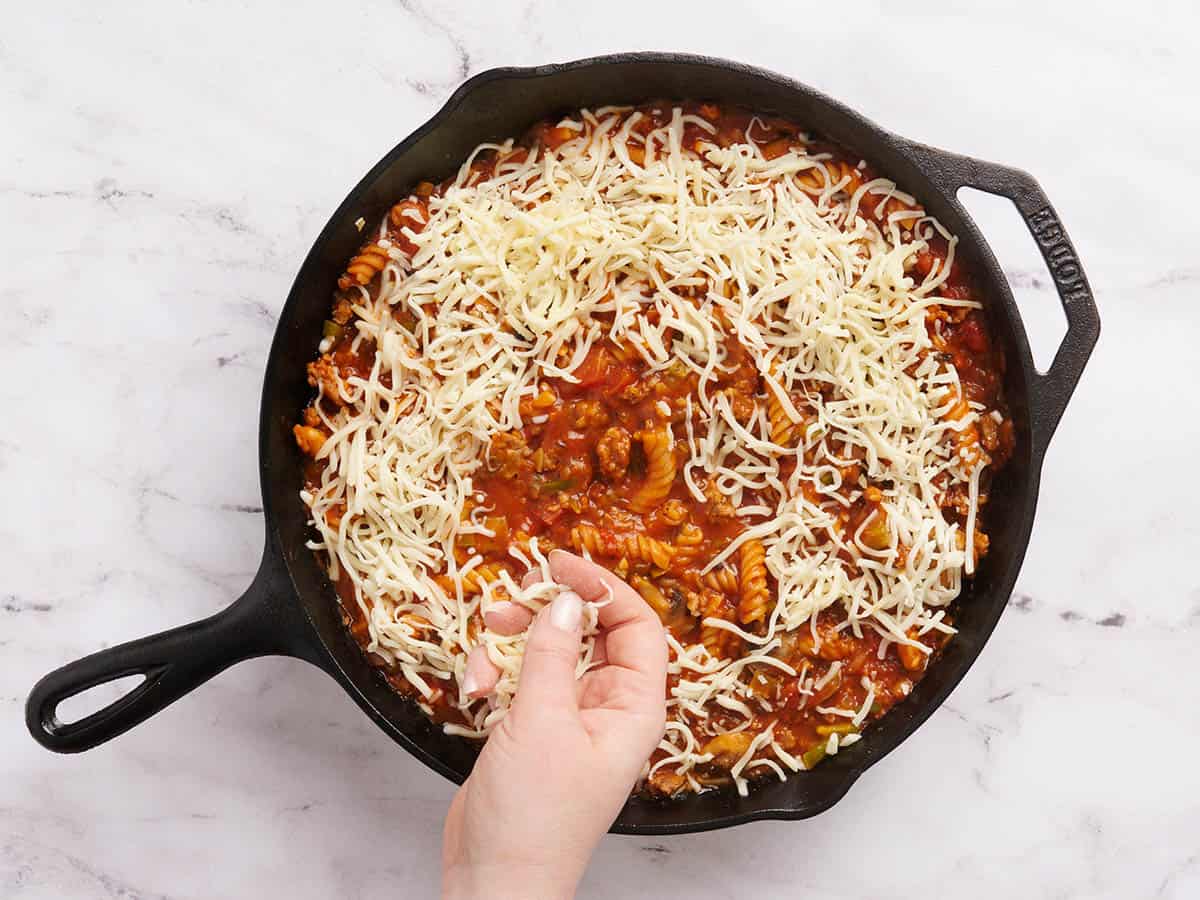
The final stage transitions the dish from a stovetop simmer to an oven bake. After the pasta reaches the desired texture, 1.5 cups of shredded mozzarella, pepperoni slices, and black olives are applied as a top layer. The skillet is transferred to a preheated oven at 375°F (190°C) for 10 to 15 minutes. This high-heat environment melts the cheese and crisps the pepperoni, mimicking the texture of a traditional baked pizza.
Nutritional Profile and Dietary Analysis
A factual analysis of the recipe’s nutritional data reveals a calorie-dense, high-protein meal profile. Each serving contains approximately 584 calories, with a significant protein contribution of 27 grams. This protein density is primarily derived from the Italian sausage and mozzarella cheese, making the dish highly satiating.
However, from a clinical dietary perspective, the sodium content is a notable factor. At 1591 mg per serving, the dish represents roughly 69% of the recommended daily intake for an average adult, according to the American Heart Association. This high sodium level is characteristic of "pizza-flavored" profiles, which rely on cured meats like sausage and pepperoni, as well as processed pasta sauces. To mitigate this, the Nashville Test Kitchen suggests that home cooks may substitute plain ground poultry or beef and adjust salt levels manually, though this may alter the "nostalgic" flavor profile the recipe aims to achieve.
Institutional Standards: The Nashville Test Kitchen
The development of this recipe falls under the rigorous testing protocols of the Nashville Test Kitchen. Unlike amateur food blogs, these facilities employ professional recipe developers who test dishes multiple times to ensure consistency across various kitchen environments. The kitchen’s mandate is to balance three pillars: affordability, ease of execution, and flavor.
Jennie Alley, the lead developer for this project, brings a background in culinary school and hospitality management to the process. Her approach emphasizes "approachability," a term in the culinary industry that refers to recipes that do not require specialized equipment (like a stand mixer or a sous-vide machine) or "luxury" ingredients. The use of rotini, for instance, was selected based on its surface area and "sauce-holding" capabilities, demonstrating a technical understanding of pasta morphology.
Market Reception and Broader Implications
While specific consumer data for this version of the Skillet Pizza Casserole is still emerging, the "pizza casserole" genre has historically seen high engagement levels among the "meal prep" community. The ability to refrigerate the dish for up to four days or freeze it for two months makes it a viable candidate for "batch cooking," a practice used by 45% of American households to save time during the work week.
The broader implications of such recipes suggest a shift in American culinary culture. We are moving away from the era of "elaborate entertaining" and toward "functional comfort." The Skillet Pizza Casserole represents a hybridization of the 1950s casserole culture—which prioritized shelf-stable ingredients—and the modern "fresh-forward" movement, which emphasizes the inclusion of fresh vegetables like peppers and mushrooms.
Conclusion and Future Outlook
The Skillet Pizza Casserole is a case study in the optimization of the home kitchen. By reducing the dish count, controlling the cost to $2.05 per serving, and providing a high-protein nutritional profile, it meets the specific socio-economic needs of the current year. As food prices continue to fluctuate, the role of test kitchens in providing scientifically tested, budget-friendly alternatives to commercial fast food will likely become more prominent.
The success of such dishes hinges on their ability to deliver a "high-value" sensory experience—the smell of melting mozzarella and the savory spice of pepperoni—without the "high-cost" barriers of traditional cooking. As Jennie Alley and the Nashville Test Kitchen have demonstrated, the future of the American dinner table may not be found in complex new techniques, but in the intelligent refinement of the classics we already know and love.
