


The culinary landscape often sees the seasonal resurgence of classic dishes, and among these, the Zucchini Fritters with Feta and Mint stand out as a particularly compelling offering for the summer season. This dish, celebrated for its unique blend of salty feta and refreshing mint, introduces a distinct Mediterranean flair to the humble zucchini, transforming it into a versatile culinary item suitable as a side dish, an appetizer, or even a light main course. Its appeal lies not only in its vibrant flavors but also in its practical application for utilizing abundant summer produce, making it a staple for home cooks seeking both taste and efficiency.
The Seasonal Significance of Zucchini and the Rise of Fritters
Zucchini, a prolific summer squash, frequently presents home gardeners and consumers with an abundant harvest. While traditional methods of preparation often include dishes like zucchini bread or stuffed zucchini boats, the development of recipes like these Mediterranean-inspired fritters offers a fresh perspective. Fritters, as a general category of food, boast a rich global history, appearing in various forms across numerous cuisines. From savory vegetable variations to sweet fruit preparations, fritters typically involve a mixture of chopped ingredients bound by a batter, then fried until crispy. This preparation method dates back centuries, providing a practical way to combine available ingredients into a satisfying meal or snack. The concept of using grated vegetables to create crispy patties is common in many cultures, reflecting a universal culinary ingenuity. Historical records indicate that early forms of fritters, or fried dough, were present in ancient Roman and Greek culinary traditions, evolving over time to incorporate a wider array of ingredients as agricultural practices advanced.
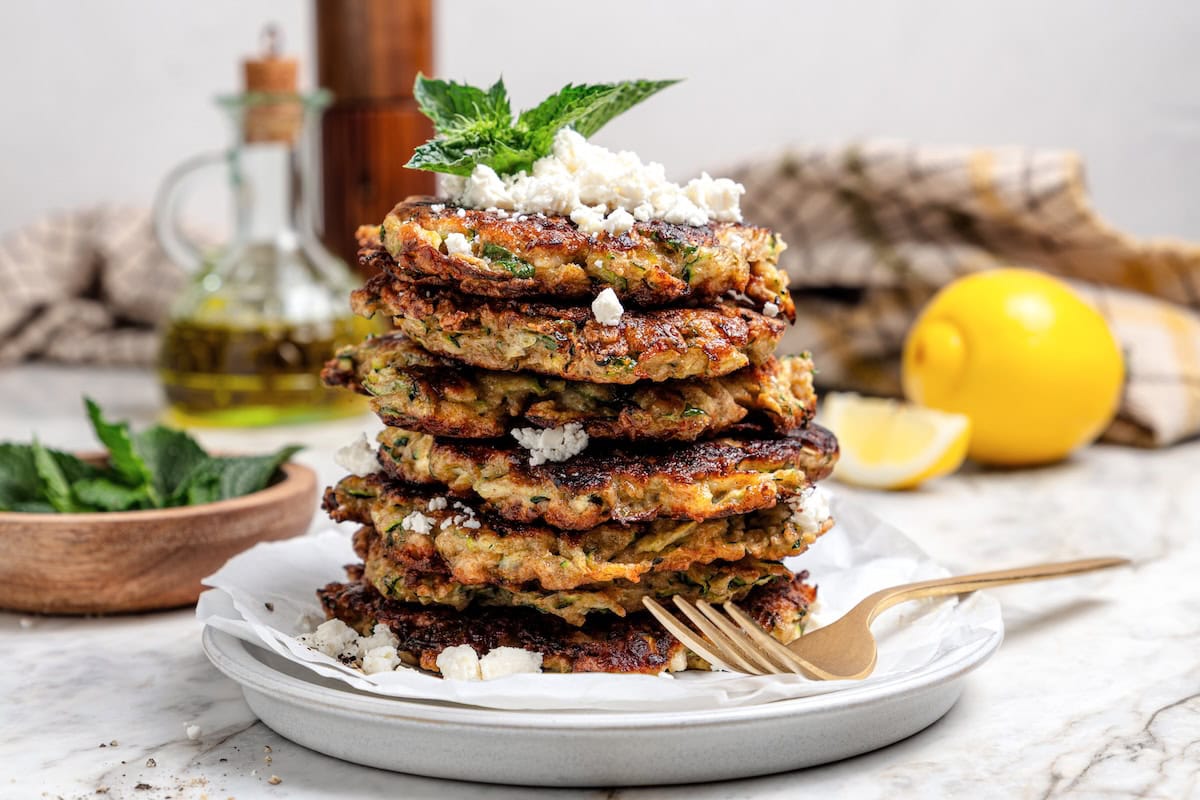
The specific incorporation of zucchini into fritters aligns perfectly with its characteristics: its high water content, when properly managed through a crucial draining process, contributes to a tender interior, while its mild flavor acts as an excellent canvas for more assertive ingredients. The summer abundance of zucchini, often leading to what is colloquially known as "zucchini overload" in gardening communities, makes such recipes particularly valuable. Instead of solely relying on baked goods or main course fillings, fritters offer a distinct texture and serving style that expands the vegetable’s culinary utility. This innovative approach to a common garden staple underscores a broader trend in contemporary cooking towards resourceful and diverse ingredient utilization, particularly as consumers increasingly seek ways to minimize food waste and maximize the potential of seasonal produce. According to agricultural data, zucchini production peaks between June and August in many temperate regions, creating a surplus that home cooks are continually seeking creative solutions for.
Nutritional Profile and Health Benefits: A Mediterranean Lens
From a nutritional standpoint, the Zucchini Fritters with Feta and Mint offer a favorable profile, especially when considering a serving size of two fritters. Each serving typically contains approximately 129 kilocalories, providing an accessible option for calorie-conscious diets. The macronutrient breakdown reveals 13 grams of carbohydrates, 5.5 grams of protein, and 6 grams of fat, with 2 grams of saturated fat. Furthermore, the dish contributes positively to dietary fiber intake with 3 grams per serving and contains 2.5 grams of sugar. Cholesterol is present at 55 milligrams, and sodium at 195.5 milligrams.
These figures align well with principles of the Mediterranean diet, widely recognized for its health benefits. Zucchini itself is low in calories and rich in water, contributing to hydration and feeling full. It is a good source of vitamins, including Vitamin C, which is vital for immune function and skin health, and several B vitamins, crucial for energy metabolism. It also provides essential minerals such as potassium, important for blood pressure regulation, and manganese, an antioxidant. Its fiber content aids in digestive health, helps regulate blood sugar levels, and promotes satiety, which can assist in weight management. Feta cheese, a cornerstone of Mediterranean cuisine, provides calcium, essential for bone health, and protein, vital for muscle repair and growth, albeit with a notable sodium content which is typically balanced by the freshness of other ingredients. Mint, beyond its refreshing flavor, offers antioxidant properties due to its high concentration of phenolic compounds and has been traditionally used for its digestive benefits, including relieving indigestion and irritable bowel syndrome symptoms. The combination of these ingredients not only creates a harmonious flavor profile but also delivers a synergistic array of nutrients, supporting overall well-being. The lean protein from feta and the fiber from zucchini contribute to a balanced meal or snack, promoting sustained energy and satiety. The use of fresh herbs like mint further elevates the dish’s nutritional value by introducing natural compounds with anti-inflammatory and other health-promoting effects, making it a valuable addition to a balanced dietary regimen.

Economic Considerations and Sustainable Home Cooking
One of the significant advantages of the Zucchini Fritters with Feta and Mint, particularly as highlighted by its inclusion in "100 Days of Real Food on a Budget" by Lisa Leake, is its cost-effectiveness. The original recipe estimates the cost at approximately $1.66 per serving, a figure that can be further reduced if ingredients like zucchini and mint are sourced from a home garden. This economic accessibility positions the dish as an attractive option for households aiming to reduce reliance on processed foods while managing their food budgets. The emphasis on "real food" and budget-friendly preparation resonates with a growing consumer demand for transparent, wholesome, and affordable meal solutions. According to a 2023 consumer survey, nearly 70% of respondents prioritize fresh ingredients, and 65% are actively seeking ways to reduce grocery expenses, indicating a strong market alignment for such recipes.
The practice of utilizing seasonal and homegrown produce, such as zucchini and mint, directly contributes to sustainable eating practices. It reduces the carbon footprint associated with long-distance transportation of produce, as ingredients are consumed closer to their point of origin, and supports local food systems, even at a household level. For individuals with home gardens, the ability to transform an abundant harvest into diverse dishes minimizes food waste and maximizes the utility of their efforts. This aspect aligns with broader movements advocating for food sovereignty and responsible consumption, promoting ecological awareness in culinary choices. The recipe serves as a practical example of how everyday cooking choices can have positive economic and environmental implications, encouraging a mindful approach to food procurement and preparation. This approach not only saves money but also fosters a deeper connection to the food supply chain and promotes ecological stewardship, reflecting a growing consumer interest in food ethics.
The Mediterranean Influence: Flavor Profile and Culinary Pairings
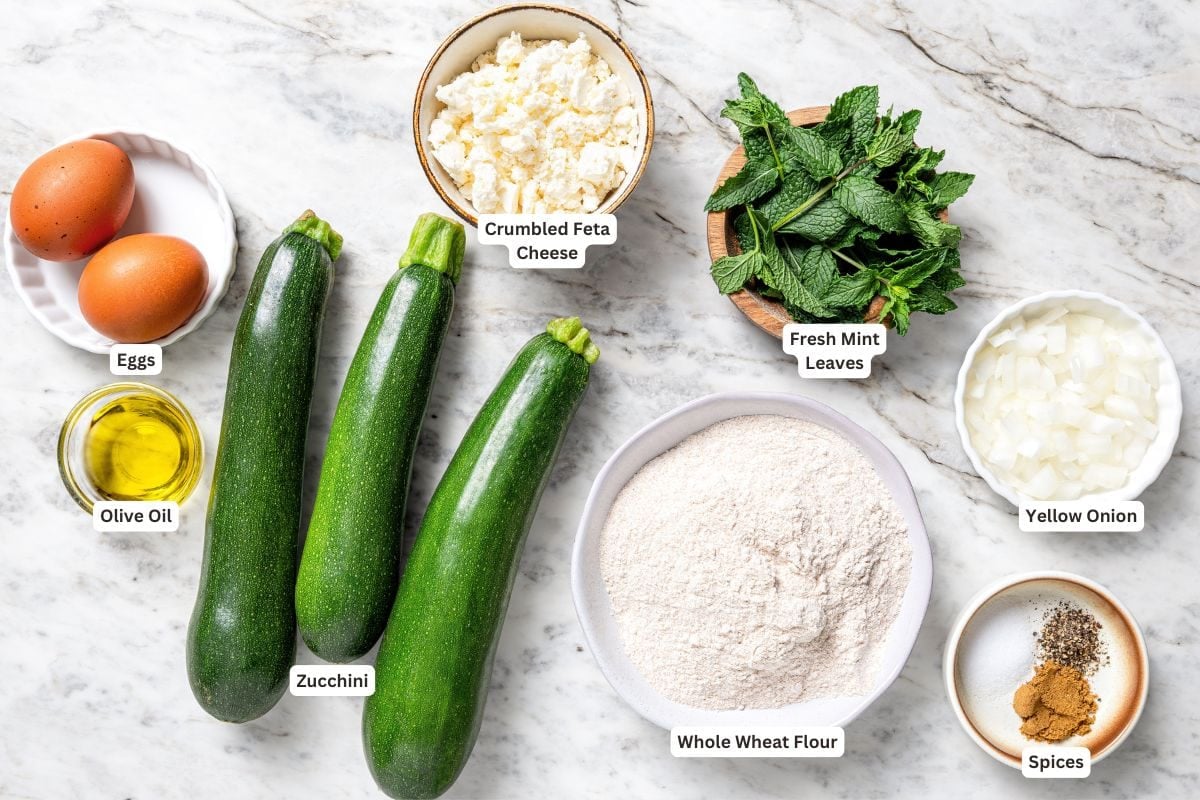
The distinctive character of these zucchini fritters is largely attributed to their Mediterranean inspiration, specifically the inclusion of salty feta cheese and fresh mint, complemented by a hint of cumin. Feta, with its tangy and briny notes, provides a robust counterpoint to the mild sweetness of zucchini. Its crumbly texture adds a pleasant textural contrast to the fritter’s overall consistency, creating layers of flavor and mouthfeel. Fresh mint introduces a vibrant, aromatic lift, cutting through the richness of the fried fritter and imparting a refreshing, cooling finish that is particularly appealing in warmer months. The subtle warmth and earthy undertones of cumin tie these elements together, grounding the flavors and adding an authentic depth characteristic of many Eastern Mediterranean dishes, reflecting the region’s rich spice heritage.

This thoughtful combination of ingredients elevates the fritters beyond a simple vegetable patty, transforming them into a dish with a sophisticated flavor profile that appeals to a wide audience. Their versatility extends to pairing recommendations, notably with homemade Tzatziki sauce. Tzatziki, a classic Greek yogurt-cucumber-garlic dip, provides a creamy, cool, and tangy accompaniment that perfectly complements the crispy, savory fritters. The contrast in temperatures and textures, coupled with the refreshing elements of tzatziki, enhances the overall dining experience, creating a balanced and harmonious palate. Furthermore, the fritters are excellent alongside grilled foods, making them an ideal component of a summer barbecue or outdoor meal spread. Their light yet satisfying nature ensures they complement heavier grilled meats or vegetables without overpowering the palate, contributing to a balanced and enjoyable meal. This strategic pairing underscores the dish’s ability to integrate seamlessly into a variety of culinary contexts, from casual appetizers and light lunches to more structured dinner plates, showcasing its adaptability and broad appeal.
Streamlined Preparation and Recipe Accessibility
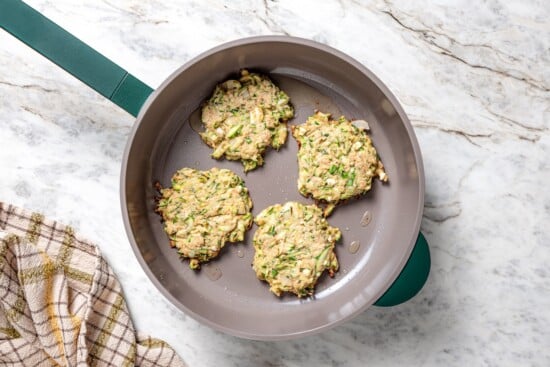
The preparation process for these zucchini fritters is designed for efficiency, making them approachable for cooks of varying skill levels, from novices to seasoned home chefs. While the complete instructions are typically detailed in a recipe card, the general overview emphasizes a straightforward approach that minimizes complexity. The initial steps often involve grating the zucchini and extracting excess moisture through salting and squeezing, a crucial step to ensure crispy fritters rather than soggy ones, a common pitfall in zucchini-based recipes. This is usually followed by combining the drained zucchini with the other key ingredients—feta, finely chopped mint, spices, and a binding agent like flour and egg—to form a cohesive mixture that holds its shape during cooking. The mixture is then portioned into individual fritters and pan-fried until golden brown and cooked through, achieving a desirable crispy exterior and tender interior.
The total time investment for this recipe is remarkably efficient, with an estimated prep time of 15 minutes and a cook time of 15 minutes, culminating in a total of 30 minutes from start to finish. This rapid turnaround makes the zucchini fritters an excellent option for weeknight dinners, last-minute appetizers for entertaining, or a quick, healthy addition to a larger meal plan. The accessibility of the recipe is further enhanced by its clear, concise instructions, often accompanied by visual aids in digital formats, making it easy for home cooks to replicate successfully. The focus on readily available ingredients and simple techniques aligns with the philosophy of wholesome, home-cooked meals, removing barriers to healthy eating and encouraging culinary experimentation. The recipe’s design emphasizes minimizing complexity without compromising on flavor or nutritional value, a characteristic highly valued in modern culinary practice where time is often a precious commodity.

Expert Endorsement and Community Impact
The provenance of this zucchini fritters recipe from Lisa Leake’s "100 Days of Real Food on a Budget" lends it significant credibility and highlights its adherence to principles of healthy, economical eating. Leake, a well-regarded authority in the real food movement, champions the reduction of processed foods through practical, family-friendly recipes. Her endorsement signifies that these fritters meet rigorous standards for wholesome ingredients and cost-effective preparation, aligning with a dietary philosophy that resonates with a broad demographic. This alignment with a popular and respected culinary philosophy underscores the dish’s value proposition for health-conscious consumers and budget-minded families alike, validating its place in a balanced diet.
The widespread adoption of such recipes, particularly those promoted by influential figures like Leake, has a broader community impact. It encourages a shift towards home cooking, greater consumption of fresh produce, and a more conscious approach to food choices, moving away from reliance on convenience foods. By providing accessible and appealing alternatives to processed snacks and meals, recipes like these fritters contribute to public health initiatives aimed at improving dietary habits and fostering nutritional literacy. The communal aspect of sharing and preparing such dishes also fosters a sense of culinary exploration and empowerment among home cooks, building a supportive network around real food principles and sustainable living. The consistent popularity of these fritters, as noted by the original author, reflects a sustained demand for practical, delicious, and healthy meal solutions that resonate with contemporary lifestyle needs and values. This collective embrace of wholesome recipes strengthens community health and promotes a more informed approach to food.
Storage, Reheating, and Food Waste Reduction
Practical considerations such as storage and reheating are vital for home cooks, particularly in managing meal preparation and reducing food waste. Zucchini fritters, when properly stored, can maintain their quality for several days, offering convenience for future meals. After cooling completely to room temperature, they should be transferred to an airtight container and stored in the refrigerator, where they typically remain fresh and safe for consumption for up to three to four days. This allows for efficient batch cooking and strategic meal planning, enabling individuals to prepare a larger quantity and enjoy them over multiple sittings, thereby saving time during busy weekdays.
For optimal enjoyment and to restore their desirable crisp texture, reheating methods are crucial. While microwave reheating is possible for speed, it may result in a softer, less appealing texture due to moisture accumulation. To regain crispiness, fritters are best reheated in a skillet over medium heat with a small amount of oil, in a conventional oven, or in an air fryer. A skillet allows for a quick crisping of the exterior, while an oven or air fryer provides more even heating and can restore a significant amount of the original crunch. Reheating in a conventional oven at around 350°F (175°C) for 8-10 minutes, or in an air fryer at 325°F (160°C) for 5-7 minutes, often yields the best results, ensuring a satisfying texture comparable to freshly made fritters.
These effective storage and reheating strategies directly contribute to reducing household food waste, a significant environmental and economic concern. By extending the usability of prepared dishes, consumers are less likely to discard leftovers, thereby maximizing their investment in ingredients and minimizing their environmental footprint. This aligns with broader efforts in sustainable living and resource management, where efficient food handling and preservation play a critical role. The ability to prepare, store, and reheat these fritters effectively adds to their overall appeal as a practical and sustainable meal option for conscious consumers.
Broader Culinary and Lifestyle Implications
The enduring popularity and versatility of Zucchini Fritters with Feta and Mint extend beyond a mere recipe, reflecting broader shifts in culinary preferences and lifestyle choices. This dish exemplifies the growing consumer demand for flavorful, nutrient-dense meals that are also convenient and cost-effective. It underscores a significant trend towards incorporating more plant-based foods into diets, driven by both health considerations and environmental consciousness. The integration of fresh herbs and vegetables, coupled with the distinct, vibrant flavors of Mediterranean cuisine, appeals to a diverse palate seeking both comfort and culinary novelty. This trend is supported by data indicating a steady increase in vegetarian and flexitarian diets globally, with consumers actively seeking innovative ways to prepare vegetables.
Furthermore, the emphasis on seasonal ingredients, particularly those from a home garden, promotes a deeper connection to food sources and agricultural cycles. This approach encourages a more mindful consumption pattern, where the origin, freshness, and quality of ingredients are prioritized over convenience alone. The ability to transform abundant garden produce into a delectable dish mitigates food waste at the household level and fosters a sense of self-sufficiency and culinary empowerment. As societies increasingly grapple with issues of food security, sustainability, and chronic health conditions linked to diet, recipes like these zucchini fritters offer a tangible and delicious pathway towards healthier and more responsible eating habits. They represent a harmonious blend of tradition and modernity, offering a timeless dish adapted for contemporary lifestyles and nutritional understanding, proving that healthy eating can be both accessible and profoundly satisfying.
In conclusion, the Zucchini Fritters with Feta and Mint are more than just a summer recipe; they are a testament to the power of simple, fresh ingredients to create a dish that is economically viable, nutritionally sound, and culturally rich. Their ease of preparation, combined with their delightful flavor profile and adaptability, secures their position as a valuable addition to any culinary repertoire, embodying the best aspects of seasonal, wholesome cooking.
