

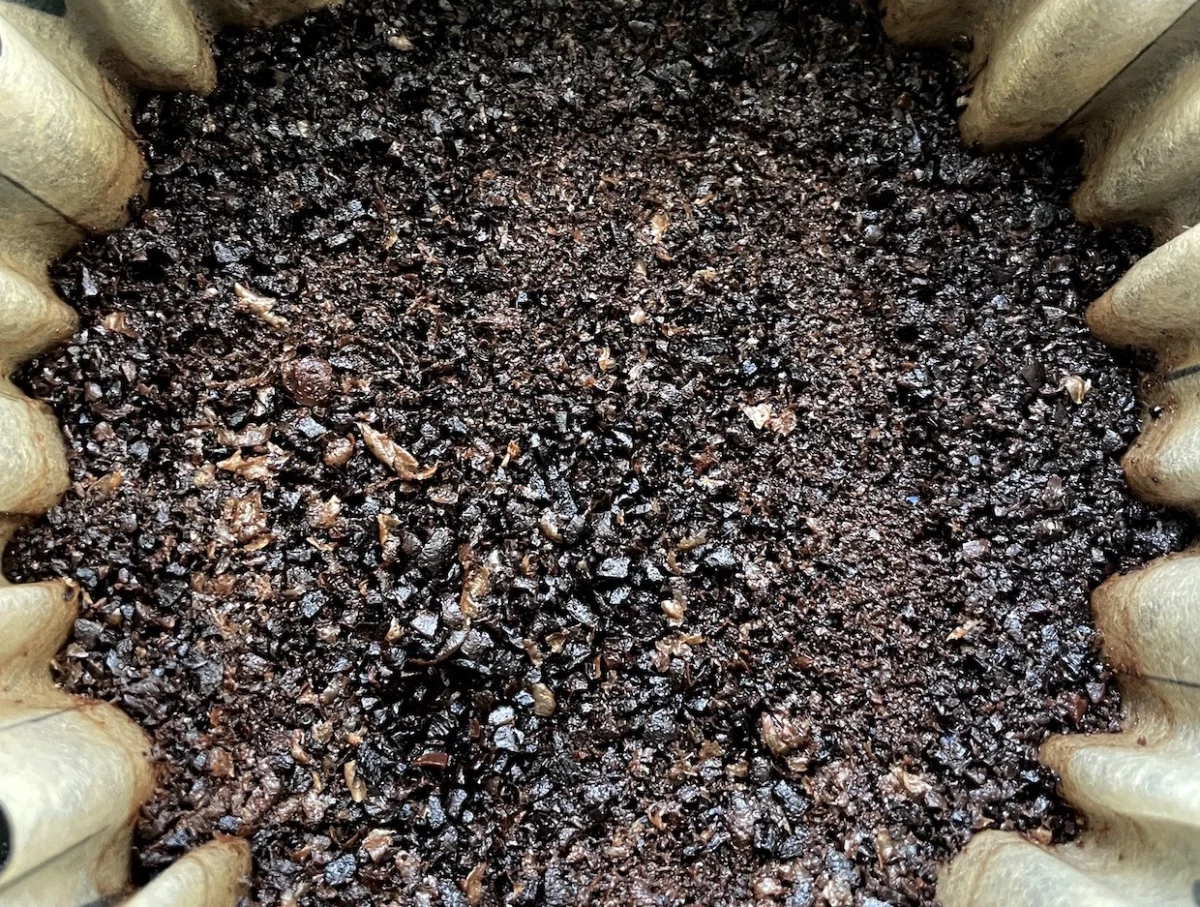
Researchers in South Korea have announced a groundbreaking advancement in waste-to-energy technology, unveiling a novel process capable of transforming moist spent coffee grounds into biochar in an astonishingly short period of 90 seconds. This innovative method, developed at the lab scale, holds significant promise for addressing the colossal global challenge of coffee ground waste, estimated to be in the millions of tons annually, by converting it into a valuable resource. The breakthrough, detailed in a recent publication in the esteemed Chemical Engineering Journal, signals a paradigm shift in how waste materials are perceived, moving from a disposal burden to a source of potential energy and valuable industrial byproducts.
"This technology presents a new paradigm in which waste is no longer viewed as a disposal problem but as a valuable energy resource," stated Taejun Park, the lead author of the study and a key figure in the research team. "We plan to expand the technology to various types of high-moisture organic waste and further optimize the process for industrial-scale commercialization." This forward-looking statement underscores the ambition behind the research, aiming to replicate its success beyond the laboratory and into real-world applications.
The impetus for this research stems from the inherent challenges associated with processing spent coffee grounds. Typically, these grounds possess a high moisture content, often around 55% in their fresh state. Conventional methods for converting such materials into useful products like biochar necessitate extensive and costly pre-drying stages. This pre-treatment adds significant time and energy expenditure to the overall process, making it less economically viable and environmentally friendly. The South Korean team’s innovation directly tackles this bottleneck, bypassing the need for pre-drying altogether.
The Science Behind the Speed: Flame Plasma Pyrolysis
The core of this revolutionary process lies in a technology known as Flame Plasma Pyrolysis (FPP). Developed by scientists at the Korea Institute of Geoscience and Mineral Resources (KIGAM), FPP utilizes the intense energy of a plasma flame to rapidly process organic materials. When the superheated plasma flame comes into contact with the moist coffee grounds, a dramatic and rapid transformation occurs.
According to the researchers’ explanation, the intense heat from the plasma flame instantly vaporizes the water molecules trapped within the coffee grounds. This rapid vaporization creates a significant and instantaneous buildup of internal pressure within each individual particle of coffee grounds. This pressure surge culminates in what the researchers aptly describe as the "popcorn effect." This phenomenon involves tiny, localized explosions within the particles, which effectively rupture their structure and create a network of interconnected pores.
Crucially, the moisture, which is typically an impediment in traditional pyrolysis, acts as a catalyst in this FPP process. The authors highlight that the rapid release of steam during vaporization serves as an "in-situ steam activation agent." This dual function is instrumental: it simultaneously drives the carbonization process, converting the organic matter into biochar, and cultivates the highly porous structure characteristic of effective biochar. This porous nature is essential for many of biochar’s beneficial applications, particularly in areas like soil amendment and filtration.
Economic and Environmental Advantages: A Leap Forward
The ability to process wet feedstocks directly, without the need for energy-intensive pre-drying, is identified as one of the most significant economic and environmental advantages of this technology. This was further emphasized by the National Research Council of Science & Technology (NST) of South Korea in a recent announcement. By eliminating the pre-drying stage, the process drastically reduces energy consumption, operational costs, and greenhouse gas emissions associated with traditional waste conversion methods. This makes the conversion of moist organic waste not only feasible but also economically attractive.
The implications for waste management are profound. Globally, the coffee industry generates an immense volume of spent grounds. In 2023 alone, global coffee consumption reached an estimated 170 million 60-kilogram bags, with a significant portion of this translating into post-consumption waste. Diverting this substantial stream of organic material from landfills, where it contributes to methane emissions, and transforming it into a valuable product like biochar presents a compelling solution for both environmental sustainability and resource recovery.
A Glimpse at the Research Scale and Future Potential
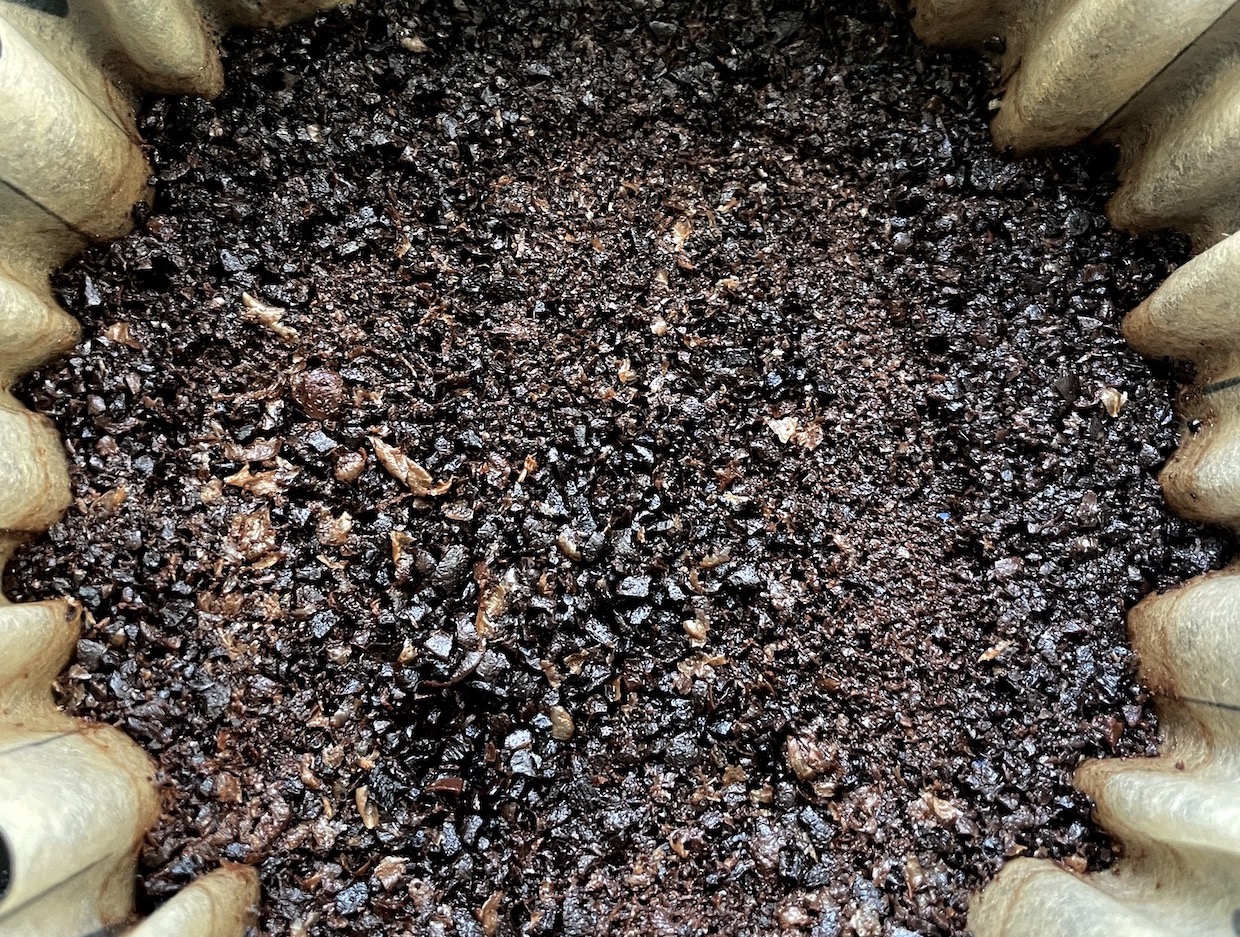
While the results are highly promising, it is important to note the current scale of the research. The initial studies were conducted using relatively small, 30-gram samples of spent coffee grounds. These samples were sourced from a single cafeteria and tested at a specific moisture level of approximately 55%. This controlled environment allowed the researchers to meticulously study the fundamental mechanics of the FPP process on coffee grounds.
The next critical phase for this technology will involve scaling up its application from the laboratory bench to industrial levels. The research team’s stated intention to expand the technology to various types of high-moisture organic waste, including agricultural residues, food waste, and other biomass, signifies a broader vision. Successfully scaling this process could unlock solutions for a wide array of organic waste streams, further amplifying its environmental and economic impact.
Biochar: A Versatile Material with Growing Applications in the Coffee Sector
The development of this rapid biochar conversion process arrives at a time when biochar itself is gaining increasing recognition for its diverse applications, particularly within the coffee industry. Biochar, a stable, carbon-rich material produced from the pyrolysis of organic matter, offers a dual benefit: it aids in waste diversion and provides a valuable input for improving agricultural practices.
Within the coffee sector, biochar’s potential is being explored on multiple fronts:
-
Waste Diversion and Material Innovation: Beyond its use as a fuel source, researchers have investigated transforming spent coffee grounds into biochar for incorporation into construction materials. Studies have demonstrated that biochar can enhance the strength of concrete, with some findings indicating a significant increase in compressive strength. Furthermore, the porous nature of biochar makes it an effective medium for water filtration and industrial carbon filtration, offering potential solutions for environmental remediation.
-
Agricultural Input and Soil Health: On the production side, biochar is increasingly viewed as a critical component of sustainable agriculture. In coffee-growing regions, where significant amounts of biomass, such as coffee stalks and husks, are generated, biochar production offers a way to convert this farm-level waste into a valuable soil amendment. When applied to soil, biochar can improve soil structure, enhance water retention, increase nutrient availability, and, most importantly, sequester carbon, thereby mitigating climate change.
Several private companies and non-profit organizations have already recognized and invested in the potential of biochar within the coffee value chain. Companies like Cotierra, Volcafe, and Equation Coffee are actively involved in biochar-related initiatives in coffee-producing regions, aiming to leverage farm biomass for soil enrichment and carbon sequestration. Historically, organizations like the former nonprofit Radio Lifeline have been pioneers in promoting biochar as a soil amendment in the coffee sector, demonstrating significant increases in crop yields in pilot projects in Tanzania. More recently, entities like Climate B2C have collaborated with leading academic institutions, including Stanford University and Yale University, on coffee biochar field trials and system design, further validating its potential. Stanford University, in particular, has highlighted student research focused on scaling biochar within coffee supply chains as a strategy to combat climate change.
Funding and Future Outlook
The research that led to this significant advancement was supported by a consortium of South Korean government research programs, with the Ministry of Science and ICT listed as a primary funder. This governmental backing underscores the strategic importance placed on developing innovative solutions for waste management and renewable energy in the country. The authors have declared no competing interests, ensuring the scientific integrity and impartiality of their findings.
As the global community grapples with the dual challenges of escalating waste generation and the urgent need for climate action, innovations like the rapid conversion of wet coffee grounds into biochar offer a beacon of hope. While further research and development are necessary to translate this lab-scale success into widespread commercial application, the 90-second FPP process represents a monumental stride towards a more sustainable and resource-efficient future, transforming a ubiquitous waste product into a valuable asset. The potential for widespread adoption across various organic waste streams suggests that this South Korean innovation could have far-reaching implications for waste management, energy production, and environmental stewardship on a global scale.
