

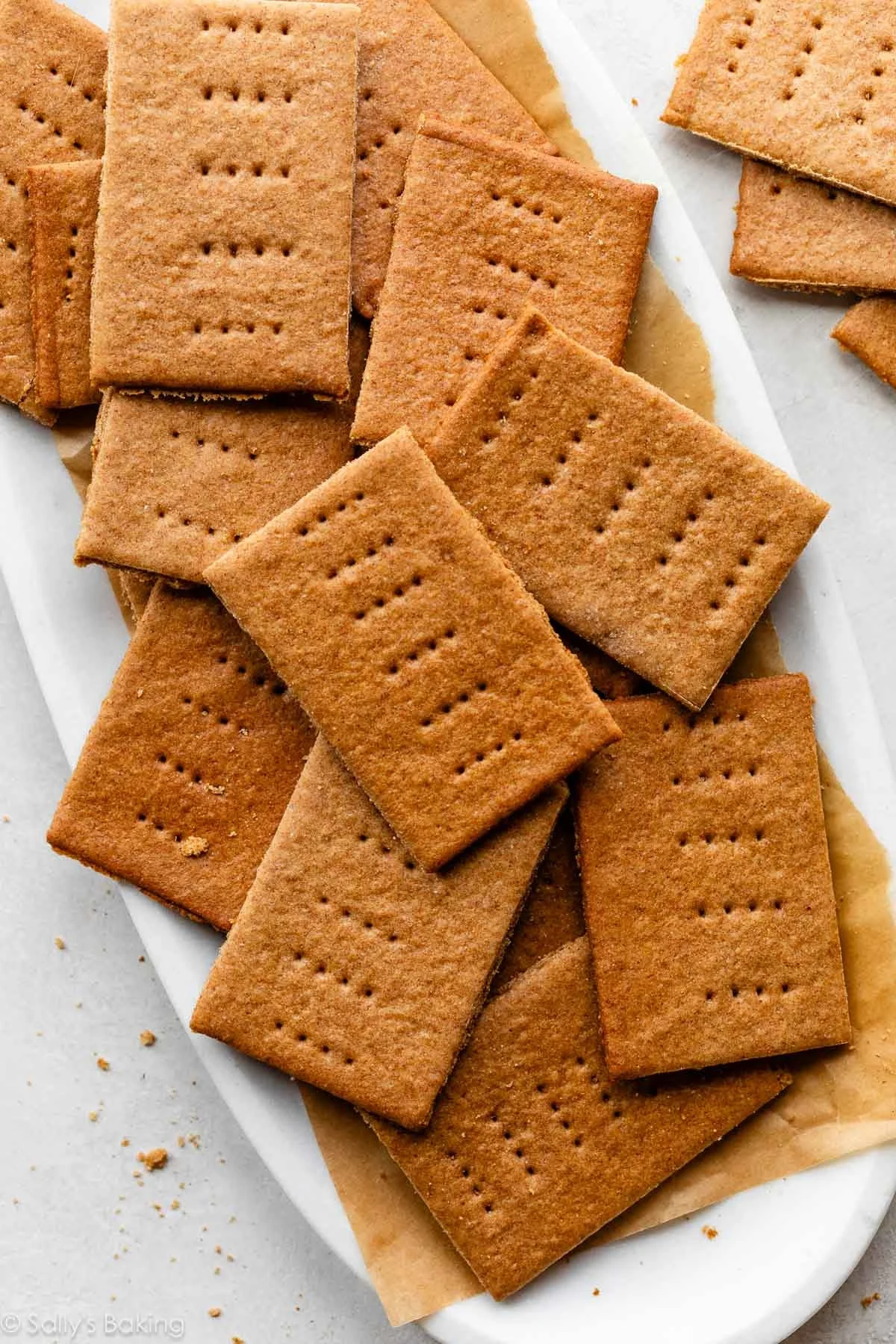
The humble graham cracker, long a pantry staple and the cornerstone of countless s’mores and dessert crusts, is experiencing a profound culinary renaissance as home bakers increasingly turn to crafting their own versions. These homemade renditions promise a distinct superiority over their mass-produced counterparts, boasting a crisper texture, a richer, more nuanced flavor profile infused with warm honey and cinnamon, and an unmistakable freshness that elevates them from mere ingredient to a standalone gourmet treat. This shift reflects a broader consumer trend towards artisanal quality, ingredient transparency, and the inherent satisfaction derived from scratch baking.
Historical Context: A Wholesome Beginning
To truly appreciate the modern homemade graham cracker, one must delve into its origins. The cracker’s namesake, Sylvester Graham, was a 19th-century American Presbyterian minister and dietary reformer who advocated for a strict vegetarian diet composed primarily of whole grains. Graham believed that a diet of unprocessed foods, particularly whole wheat, was essential for both physical and moral health. In the 1830s, he developed "Graham flour," a coarsely ground, unrefined whole wheat flour, which he insisted be used in bread and crackers to promote digestive health and discourage what he viewed as excessive indulgence. His "Graham bread" and "Graham crackers" were initially conceived not as sweet treats, but as austere health foods, embodying his puritanical dietary philosophy. This period saw the rise of various health food movements, often intertwined with moralistic teachings, positioning Graham’s contributions firmly within the burgeoning American health culture.
Evolution from Health Food to Cultural Icon
Despite its origins as a health-conscious, unsweetened biscuit, the graham cracker gradually evolved, shedding its ascetic image over the late 19th and early 20th centuries. As food production industrialized, manufacturers began to add sugar, honey, and leavening agents, transforming the dense, bland crackers into the lightly sweet, crisp biscuits recognizable today. This adaptation made them palatable to a broader public, paving the way for their integration into American culinary traditions. By the mid-20th century, graham crackers had become an iconic component of s’mores, a campfire treat popularized by the Girl Scouts, and a ubiquitous base for pie and cheesecake crusts. Their unique texture and flavor, once a symbol of dietary restriction, now represented comfort and nostalgia.
The Modern Appeal of Homemade: Unpacking the Flavor Profile
The current wave of homemade graham cracker enthusiasm stems from a desire to reclaim the original essence of wholesome ingredients while simultaneously enhancing the flavor experience. Unlike their industrial cousins, which often rely on a simplified blend of flours and artificial flavorings, homemade versions allow for meticulous control over each component. The result is a cracker that is demonstrably superior in taste and texture. Culinary experts emphasize the deeper, more complex flavor achieved through the careful balance of whole wheat flour, which imparts that characteristic "graham" earthiness, and all-purpose flour, which contributes to a delicate, crisp structure. The inclusion of real butter provides a richness absent in many commercial varieties, while genuine honey delivers a warm, nuanced sweetness that artificial sweeteners cannot replicate. Furthermore, a generous hand with cinnamon introduces a comforting spice note that rounds out the flavor profile, making each bite a multisensory experience. Food critics often note that store-bought crackers can taste flat or one-dimensional in comparison, lacking the buttery depth and aromatic complexity that defines a truly exceptional homemade graham cracker.
Ingredient Science: Crafting the Perfect Cracker
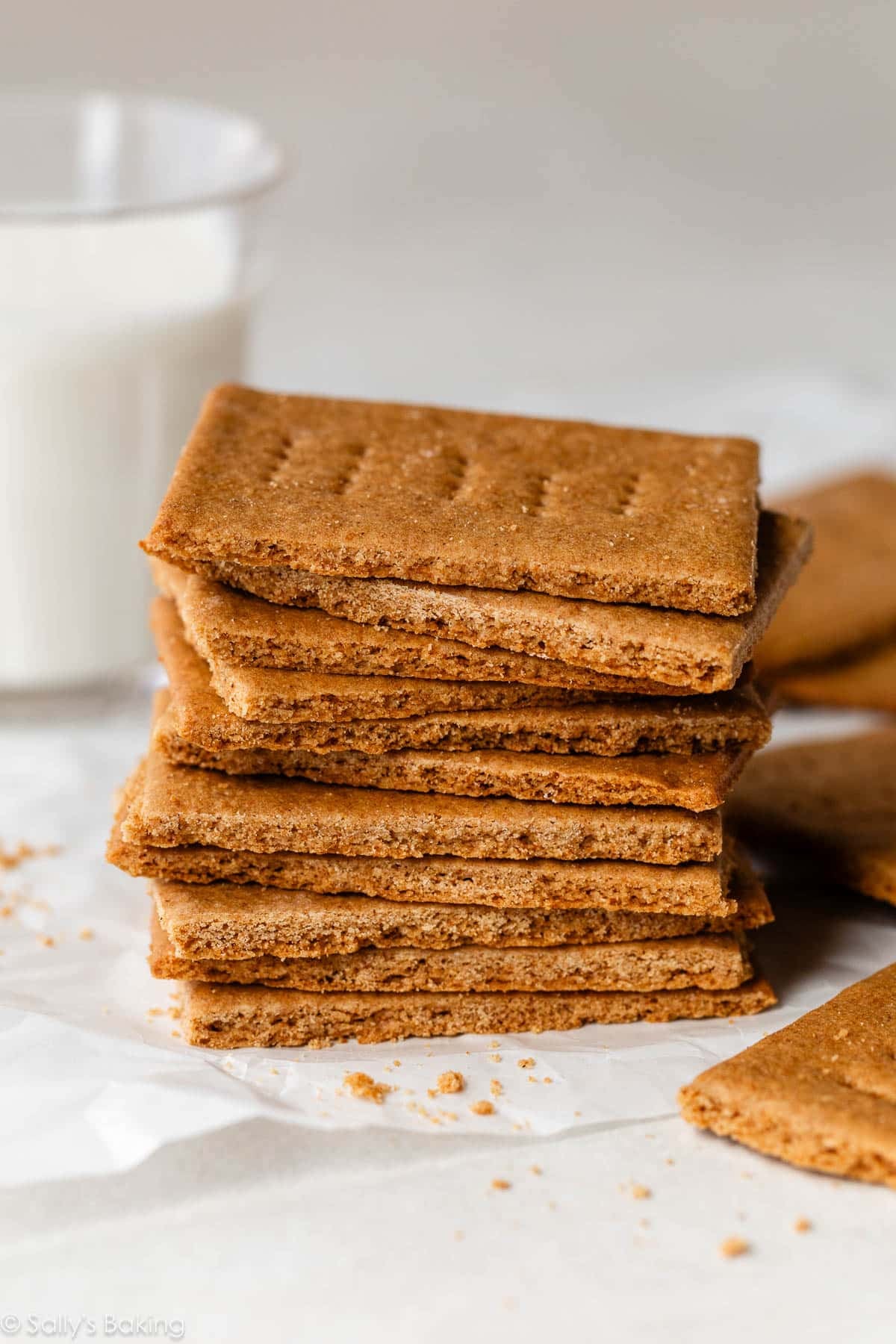
The success of a homemade graham cracker recipe hinges on understanding the interplay of its core ingredients. Traditionally, graham flour was key. Today’s homemade recipes often replicate its effect by combining whole wheat flour and all-purpose flour. Whole wheat flour, with its higher bran and germ content, provides the distinctive nutty flavor and a slight chewiness, mirroring the original graham flour’s character. All-purpose flour, being finer and lower in protein, contributes to the desired crispness and prevents the cracker from becoming overly dense.
Beyond the flour, butter plays a critical role in developing both flavor and texture. Unlike many commercial graham crackers, which may use vegetable oils or shortening, butter imparts a rich, creamy taste and contributes to the cracker’s delicate snap. Honey is another essential ingredient, providing a unique sweetness and a subtle floral aroma that is integral to the classic graham cracker taste. Brown sugar is often preferred over white granulated sugar for its molasses content, which adds moisture, depth, and a hint of caramelization. Baking soda acts as a leavening agent, creating a light, airy crumb, while a pinch of salt balances the sweetness and enhances all other flavors. These simple pantry staples, when combined correctly, undergo a chemical transformation during baking, yielding a product far removed from its industrial counterparts.
The Art of Preparation: A Baker’s Guide
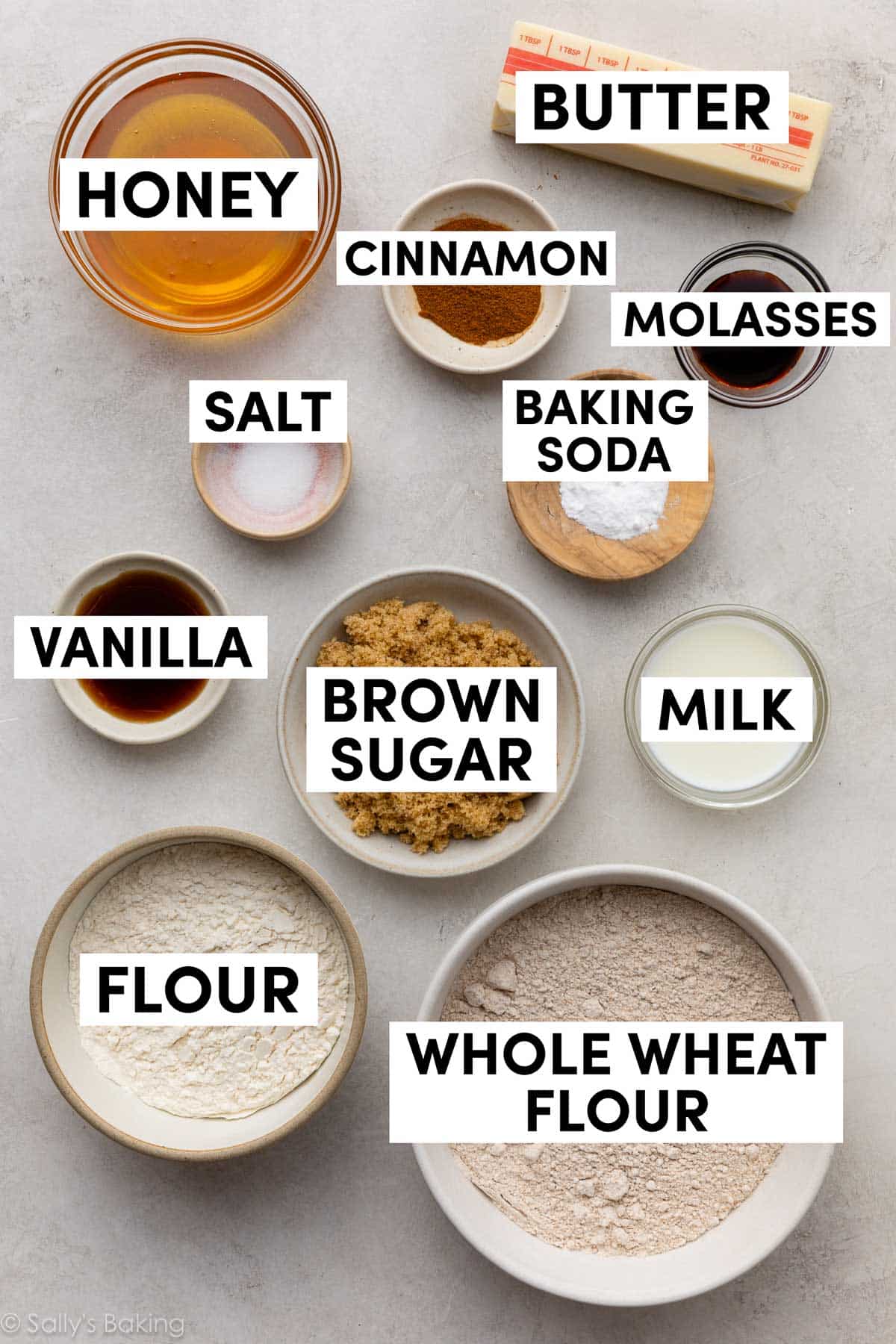
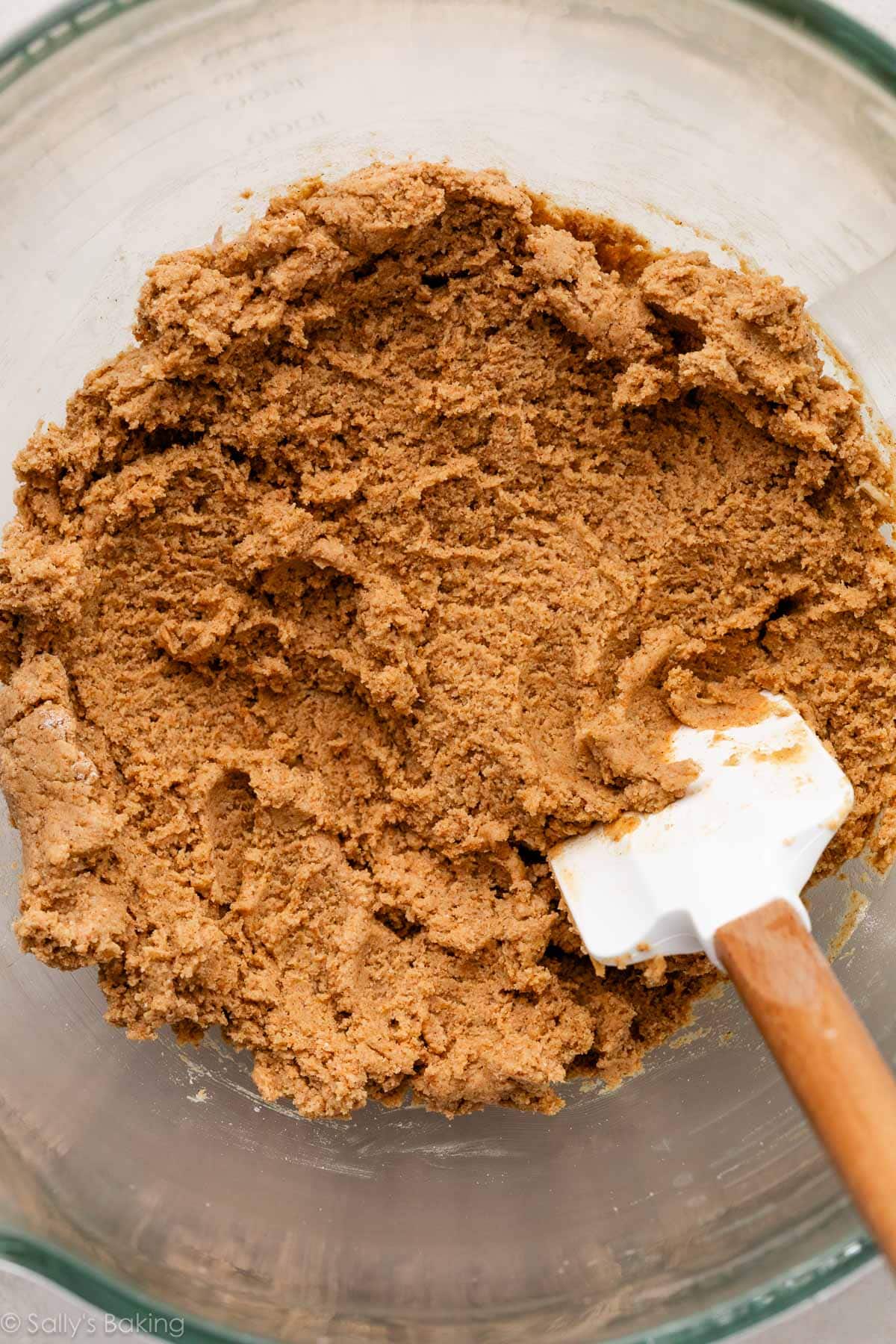
The process of making homemade graham crackers, while requiring attention to detail, is remarkably accessible to the home baker. It often mirrors the preparation of cut-out sugar cookies, beginning with the creaming of butter and sugars until light and fluffy. This step incorporates air, contributing to the cracker’s eventual crispness. Dry ingredients—flours, baking soda, salt, and cinnamon—are whisked together to ensure even distribution. The wet and dry components are then combined to form a thick, pliable dough.
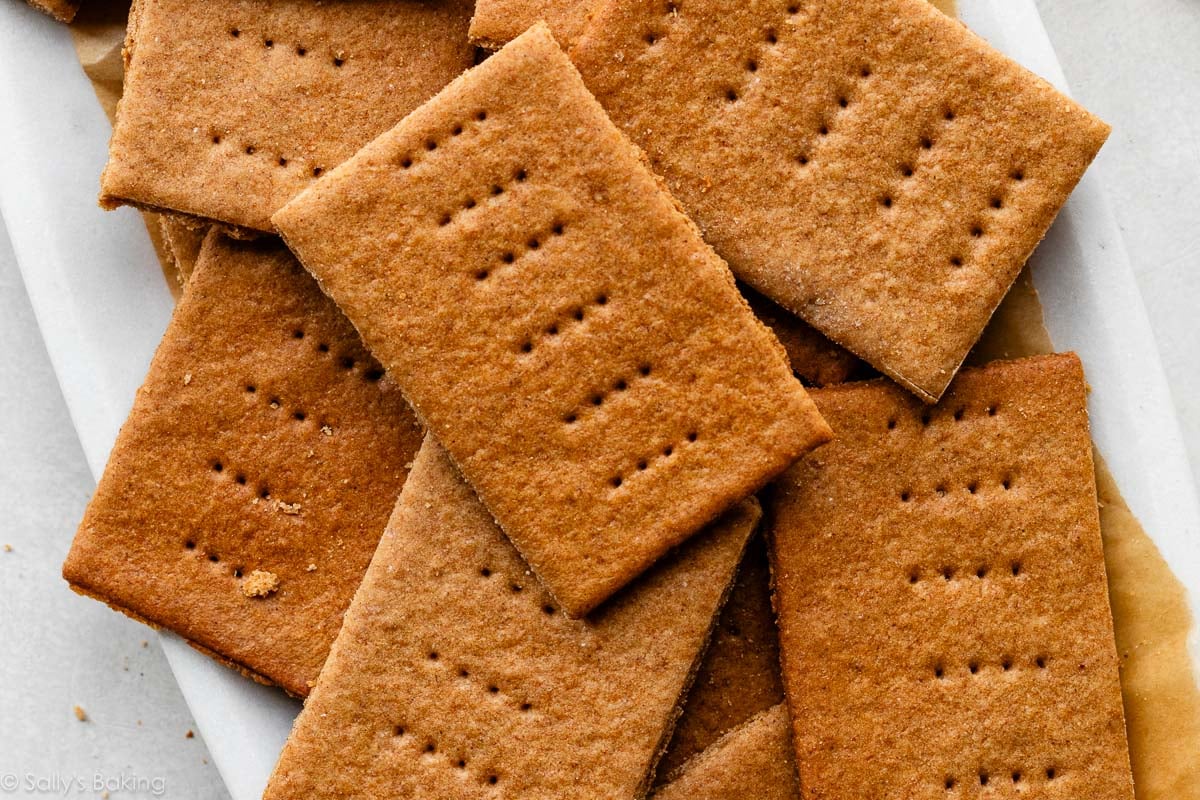
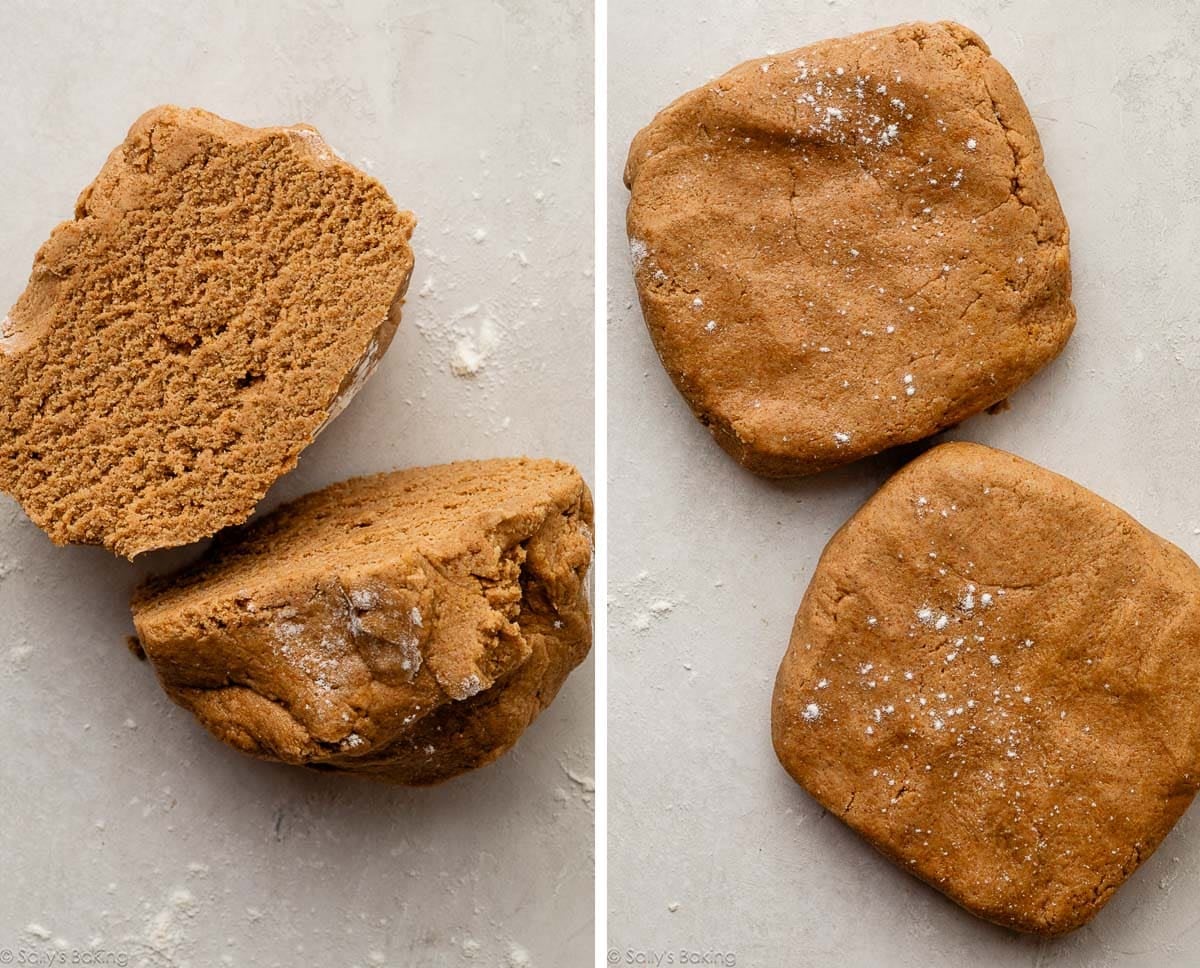
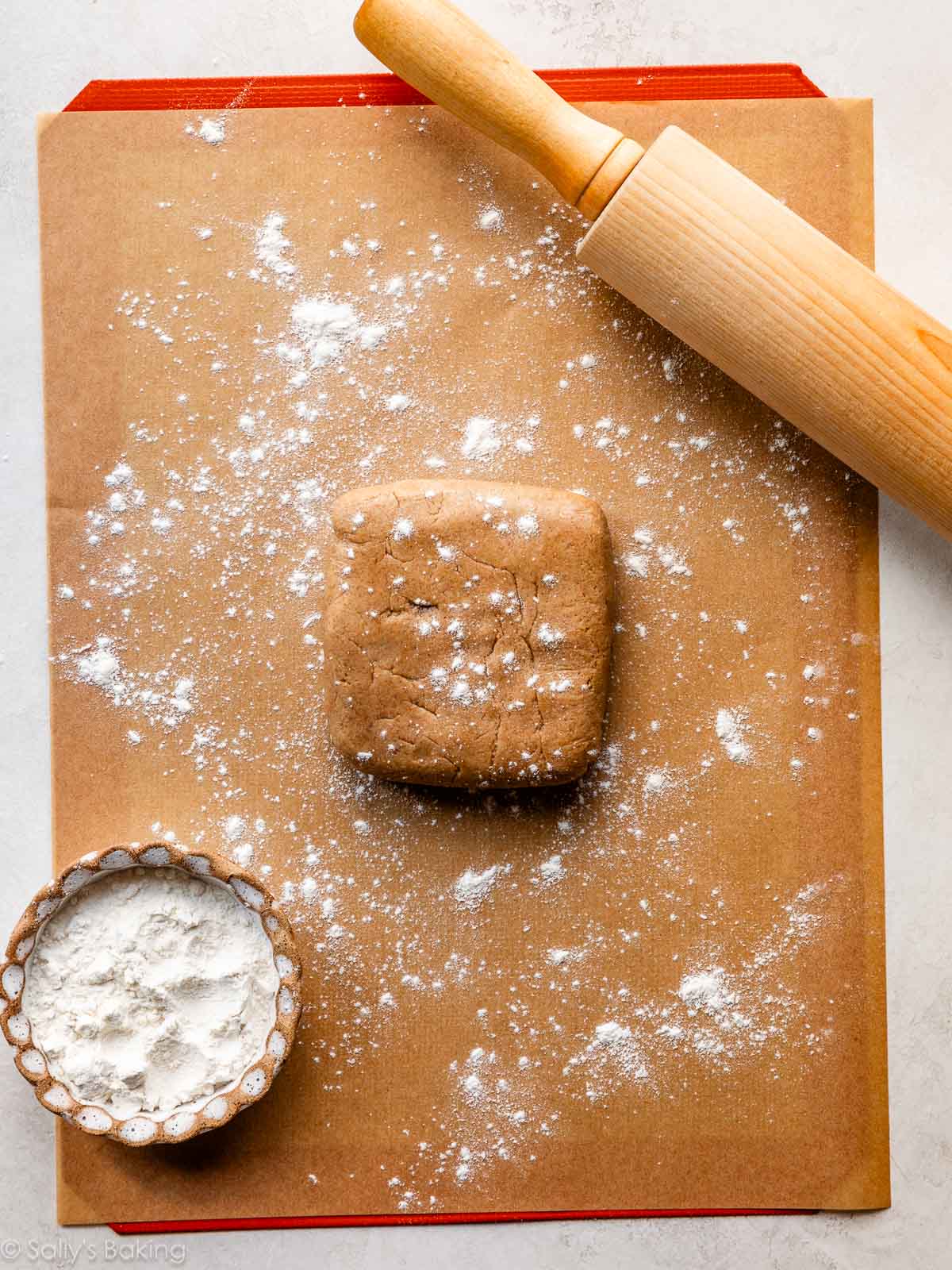
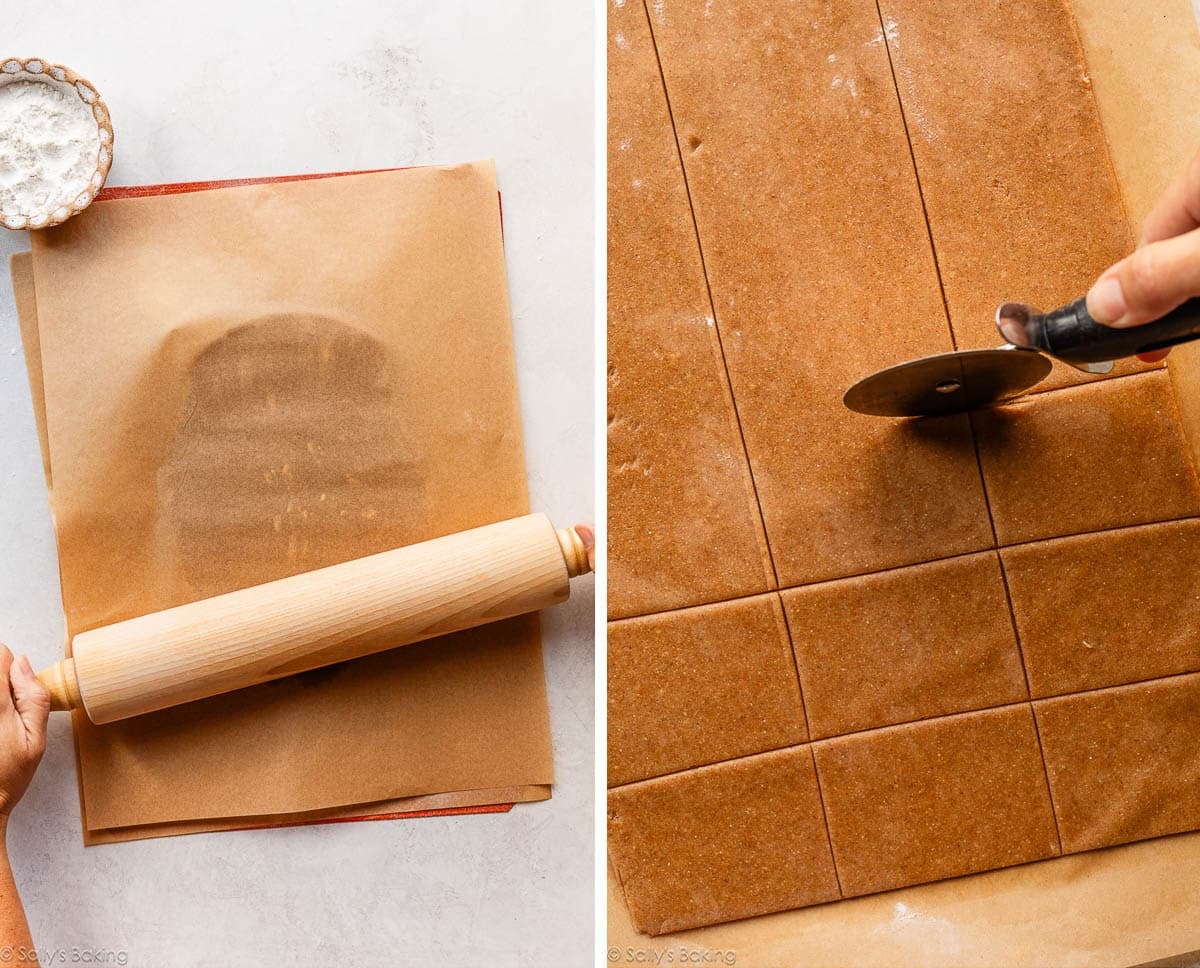
A crucial step involves chilling the dough. After being divided and shaped into flattened squares, the dough requires approximately one hour of refrigeration. This resting period allows the gluten to relax, preventing the crackers from becoming tough, and solidifies the butter, making the dough easier to roll. Rolling the dough evenly to an optimal thickness of 1/8 inch (just over 3mm) is paramount for achieving the desired crisp texture. Thinner dough yields crisper crackers, while slightly thicker dough results in a softer bite. Using parchment paper to roll the dough not only prevents sticking but also aids in achieving a uniform thickness and simplifies transfer to the baking sheet. A silicone baking mat beneath the parchment further stabilizes the rolling surface. Precision in cutting the dough into uniform rectangles or squares, often aided by a sturdy ruler, ensures even baking. Finally, "docking" each cracker several times with a fork prevents excessive puffing in the oven, maintaining their flat, crisp profile. A second, brief refrigeration before baking further stabilizes the dough, ensuring minimal spread and consistent shape.
Expert Insights and Culinary Perspectives
The burgeoning interest in homemade graham crackers is not merely a passing fad but a testament to a broader culinary movement. Food historians like Dr. Evelyn Harper, specializing in American food culture, note, "The graham cracker’s journey from a symbol of Victorian health reform to a modern artisanal pursuit perfectly illustrates our evolving relationship with food. It’s a return to basics, valuing craftsmanship over convenience." Professional bakers, too, laud the superior qualities. Chef Antoine Dubois, renowned for his patisserie, comments, "The depth of flavor and delicate snap of a homemade graham cracker cannot be replicated by factory processes. It’s an essential building block for truly elevated desserts." This sentiment resonates deeply with a growing demographic of home cooks who prioritize natural ingredients and seek to recreate beloved comfort foods with enhanced quality. Online baking communities and food blogs have played a significant role in democratizing these recipes, providing detailed instructions and troubleshooting tips, empowering countless individuals to embark on this satisfying culinary journey.
Versatility Beyond the Snack: Culinary Applications
While delicious on their own, fresh from the oven, homemade graham crackers truly shine in their versatility as a core ingredient in numerous desserts. Their robust flavor and delicate crispness make them an unparalleled choice for s’mores, where the warmth of honey and cinnamon perfectly complements molten marshmallow and chocolate. For dessert crusts, homemade graham crackers offer a depth that transforms classic cheesecakes and pies. Notably, when using homemade crackers for a crumb crust, a slight adjustment is recommended: reducing the melted butter in the crust recipe from 6 tablespoons to 4 tablespoons is crucial. This is because homemade crackers already contain a significant amount of butter, and additional butter can lead to an overly greasy crust that struggles to hold its shape. This small but vital modification ensures a perfectly structured and flavorful base for any dessert. Beyond crusts and s’mores, they excel in icebox cakes, where their crispness slowly softens, absorbing the flavors of creams and fruits, creating a delightful textural contrast. Crushed, they can also serve as a sophisticated topping for yogurts, puddings, or fruit crisps.
Customization and Innovation: Personalizing the Cracker
The basic homemade graham cracker recipe serves as an excellent canvas for creative variations. Home bakers are encouraged to experiment with flavor enhancements to suit their palates. Infusing the butter with browned butter adds a nutty, caramelized dimension. A touch of citrus zest, such as orange or lemon, can introduce a bright, aromatic lift. Incorporating different spices like nutmeg, cardamom, or even a hint of ginger can deepen the warmth and complexity. For a richer, more indulgent cracker, a tablespoon or two of cocoa powder can transform them into chocolate graham crackers, ideal for chocolate-themed desserts. Finely ground nuts, such as pecans or walnuts, can be folded into the dough for added texture and a distinctive nutty flavor. These modifications allow for endless personalization, making the homemade graham cracker a truly adaptable treat.
Practicalities for the Home Baker: Storage and Adaptations
Proper storage is key to maintaining the crispness of homemade graham crackers. Once completely cooled, they should be stored in an airtight container at room temperature for up to one week. Should they lose some of their initial crispness after a few days, or after being frozen and thawed, they can be easily revived. A quick bake in a 300°F (150°C) oven for about 5 minutes, followed by complete cooling, will restore their snap. The dough itself is also freezer-friendly, allowing for convenient batch preparation. After forming the dough into flattened squares and wrapping tightly, it can be frozen for up to three months. Thawing overnight in the refrigerator is recommended before rolling and baking. This flexibility makes homemade graham crackers a practical option even for busy schedules. The yield of a single recipe typically ranges from 24 to 32 crackers, depending on their size and how much dough is trimmed, offering a generous supply for various culinary uses.
Broader Implications: The Home Baking Movement
The revival of homemade graham crackers is indicative of a broader culinary trend: the sustained growth of the home baking movement. Fueled by a desire for quality, control over ingredients, and the meditative joy of creation, more consumers are embracing scratch baking. Recent market analyses show a consistent upward trajectory in the sales of baking ingredients and specialized kitchen tools, suggesting that this isn’t merely a pandemic-induced spike but a lasting cultural shift. The emphasis on natural, wholesome ingredients, a direct contrast to the often lengthy and complex ingredient lists of mass-produced foods, resonates deeply with health-conscious consumers. Furthermore, the act of baking from scratch provides a sense of accomplishment and a tangible connection to culinary heritage, offering a refreshing antidote to an increasingly digital world. This trend empowers home cooks, transforming everyday pantry staples into extraordinary culinary experiences and reinforcing the notion that some of the best flavors are found in homemade creations.
In conclusion, the journey of the graham cracker—from its austere origins to its modern role as a versatile, beloved treat—culminates in the current resurgence of its homemade iteration. By embracing the craft of baking these crisp, buttery, honey-cinnamon infused delights, home cooks are not only elevating their dessert game but also participating in a meaningful culinary movement that champions quality, flavor, and the enduring satisfaction of creating something truly exceptional from scratch. The homemade graham cracker stands as a testament to the fact that sometimes, the simplest pleasures are indeed the most profound.
