

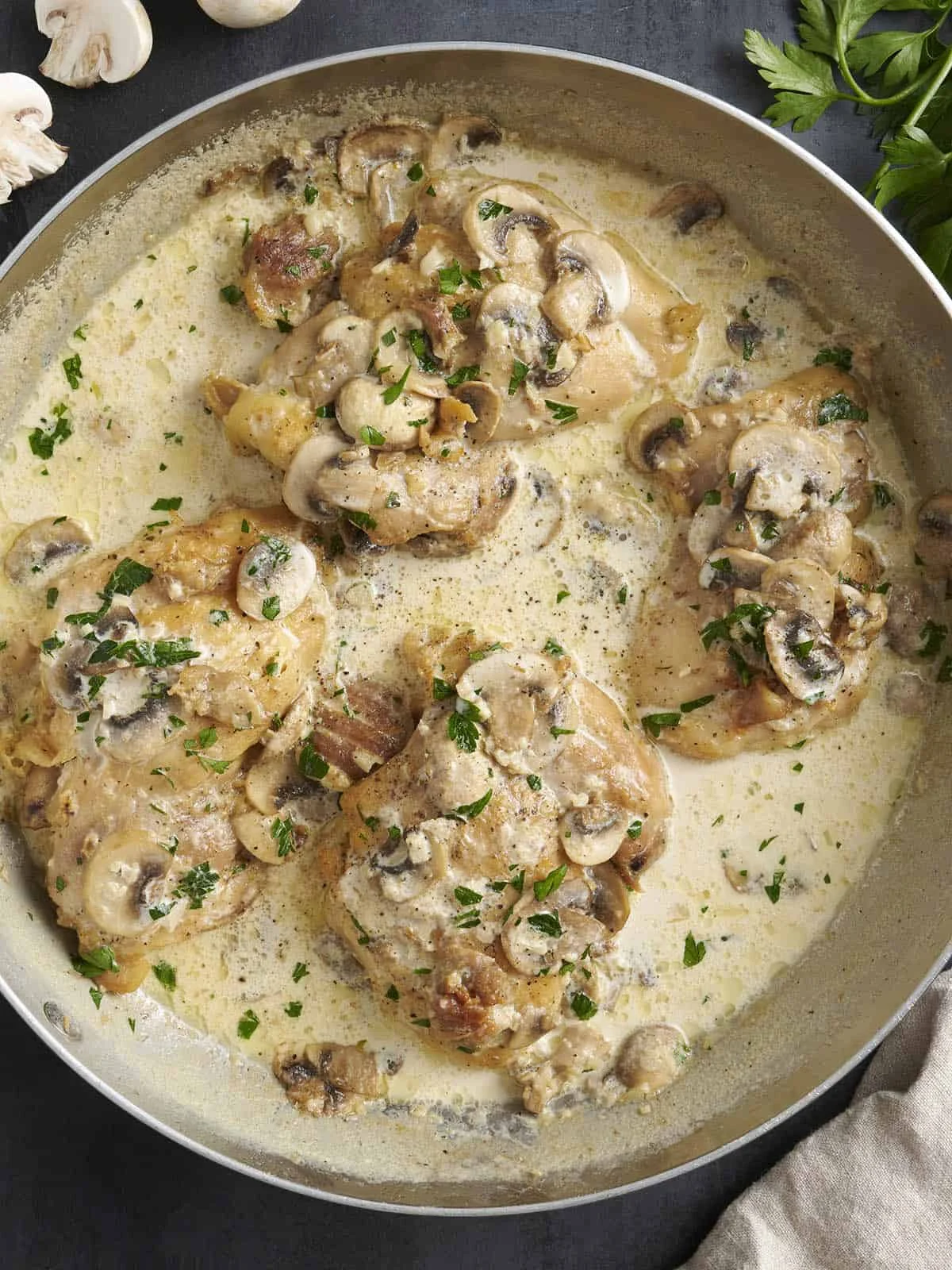
The Creamy Mushroom Chicken skillet recipe has emerged as a significant case study in the intersection of culinary efficiency, nutritional density, and economic accessibility for the modern household. Developed and rigorously vetted within the Nashville Test Kitchen, this dish represents a streamlined approach to traditional pan-sauce techniques, reducing a complex flavor profile into a manageable 35-minute production timeline. By utilizing high-umami ingredients such as browned mushrooms and garlic alongside cost-effective protein sources, the recipe provides a blueprint for high-quality home dining that bypasses the premium pricing typically associated with cream-based poultry entrees.
Culinary Architecture and Ingredient Selection
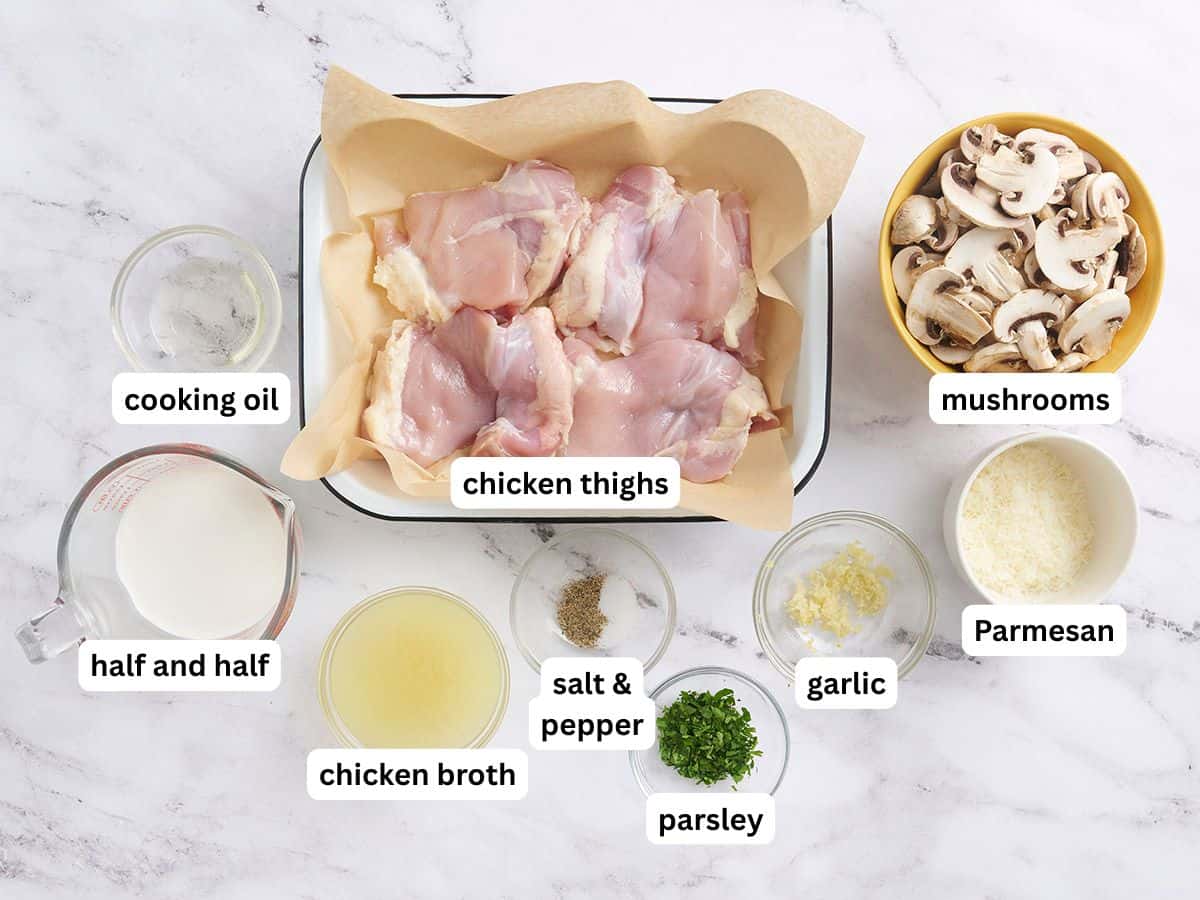
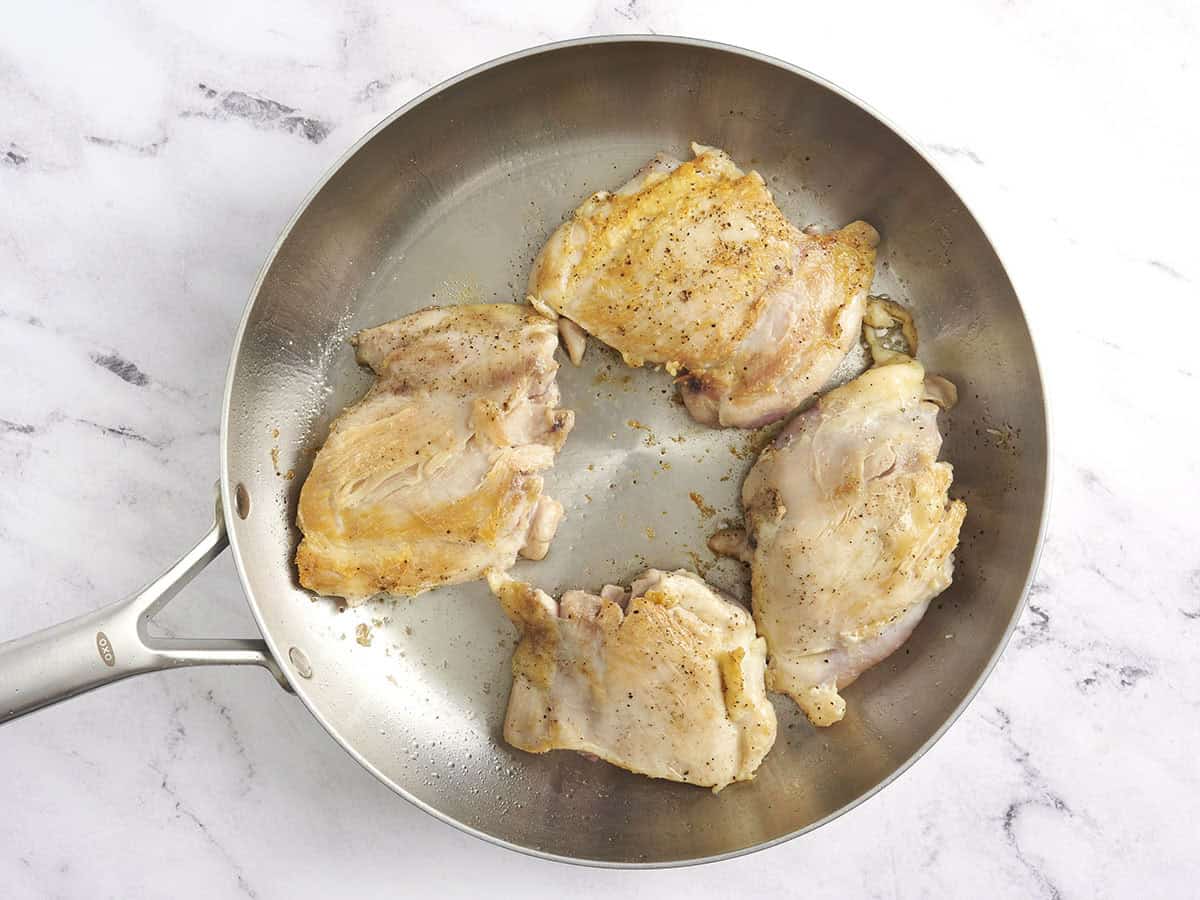
The structural foundation of this dish rests on the selection of boneless, skinless chicken thighs. From a culinary perspective, thighs offer a higher fat content than breasts, which ensures the protein remains succulent during the high-heat searing process required to develop a "fond"—the caramelized browned bits at the bottom of the skillet. This fond serves as the primary flavor catalyst for the subsequent sauce.
In addition to the protein, the inclusion of 8 ounces of sliced mushrooms serves a dual purpose. Biologically, mushrooms are rich in glutamates, which provide a savory depth known as umami. Economically, they act as a "meal stretcher," increasing the volume of the dish without significantly raising the price-per-serving. The aromatic profile is anchored by minced garlic, which, when sautéed in the rendered fats and cooking oil, creates a potent olfactory experience that characterizes the dish’s appeal.
To achieve a creamy consistency while maintaining a strict budget, the developers opted for half-and-half rather than heavy cream. This substitution represents a 50% reduction in fat content compared to traditional heavy cream, yet, when combined with melted Parmesan cheese, it provides sufficient body and silkiness to coat the palate. The Parmesan acts not only as a flavoring agent but as an emulsifier, helping to stabilize the sauce and prevent the separation of fats.
Technical Chronology of the Cooking Process
The production of Creamy Mushroom Chicken follows a precise sequence of chemical and thermal reactions designed to maximize flavor extraction within a short window.
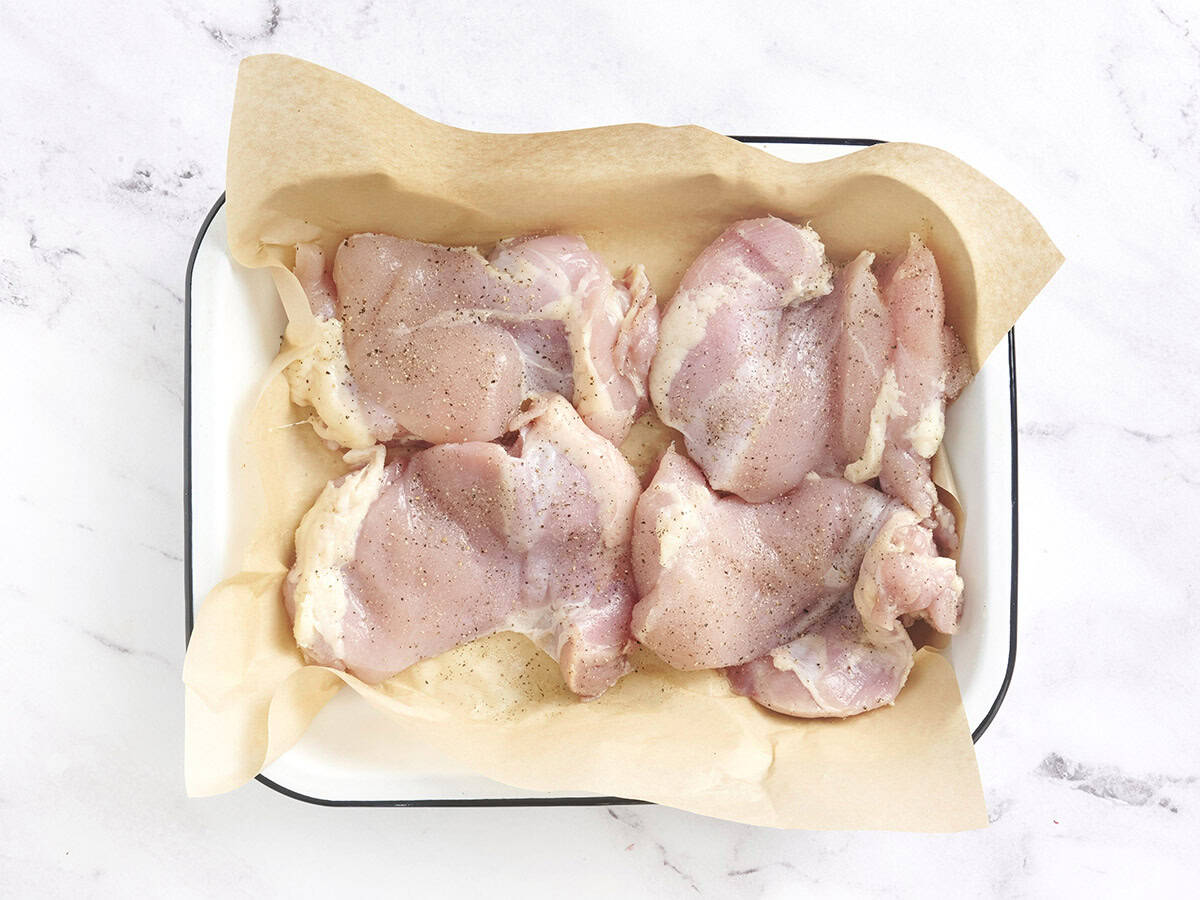
- Preparation and Seasoning: The process begins with the mechanical drying of the chicken thighs. Removing surface moisture is a critical step to ensure that the Maillard reaction—the chemical reaction between amino acids and reducing sugars that gives browned food its distinctive flavor—occurs immediately upon contact with the heat, rather than the meat steaming in its own juices.
- The Searing Phase: Chicken is introduced to a preheated skillet with a high-smoke-point cooking oil. The thighs are cooked for approximately five minutes per side. This phase is not merely about cooking the meat through but about depositing flavor into the pan.
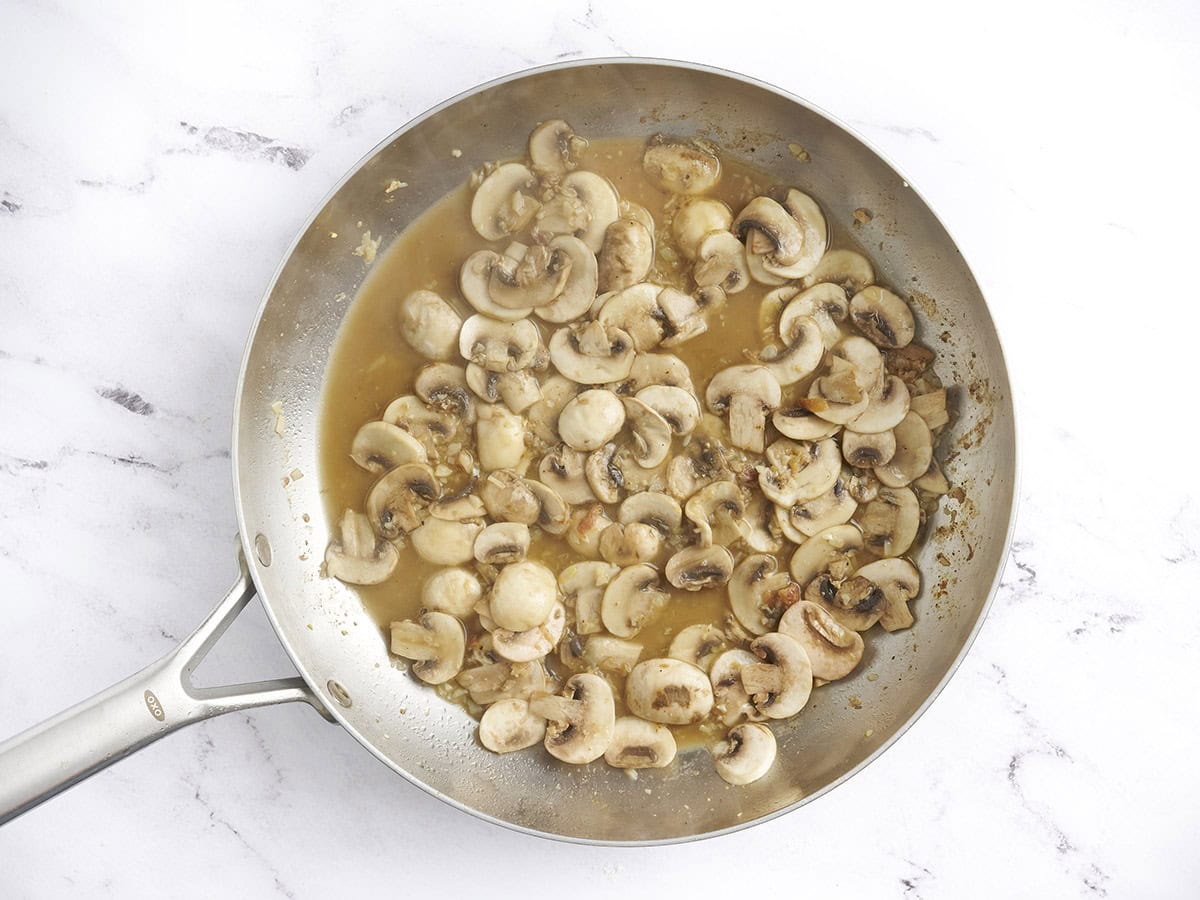
- Aromatic and Fungal Integration: Once the chicken is removed, the heat is adjusted to accommodate garlic and mushrooms. The mushrooms release their water content, which helps to partially deglaze the pan, while the garlic undergoes a brief sauté to remove its raw pungency without inducing bitterness through over-browning.
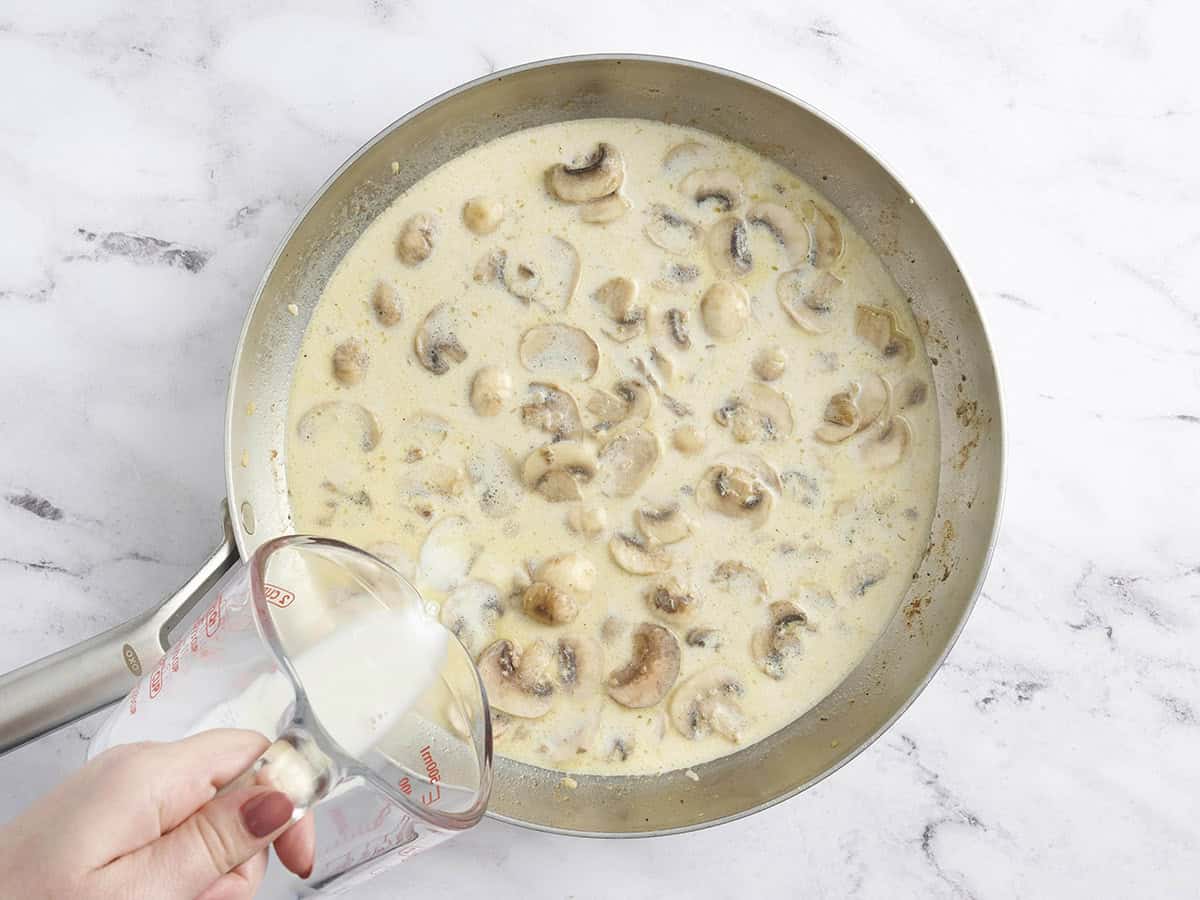
- Deglazing and Emulsification: A half-cup of chicken broth is introduced to fully lift the fond from the skillet floor. This is followed by the addition of room-temperature half-and-half. The temperature of the dairy is vital; introducing cold cream to a hot pan can cause curdling or thermal shock, resulting in an uneven texture.
- Stabilization: The sauce is brought to a gentle simmer to reduce its volume and concentrate flavors. Grated Parmesan is whisked in over low heat to ensure a smooth melt.
- Reintegration: The chicken is returned to the pan, allowing the residual juices to meld with the sauce, ensuring the final internal temperature reaches the USDA-recommended 165°F.
Economic Analysis and Cost-Efficiency Data
A primary objective of the Nashville Test Kitchen’s development of this recipe was the maintenance of a low price point amidst fluctuating grocery inflation. As of the latest audit, the total cost for the four-serving recipe stands at $8.28, which translates to a remarkably low $2.07 per serving.
To achieve this, the developers emphasize the use of "Better Than Bouillon" or similar concentrated bases rather than boxed liquid broths. Data suggests that a single jar of concentrate can produce up to 38 cups of broth, significantly reducing the cost per ounce compared to 32-ounce cartons. Furthermore, the use of chicken thighs—which historically retail at a lower price point than chicken breasts—allows for a more robust flavor profile at a 15-20% lower protein cost.
Nutritionally, the dish provides a substantial 28 grams of protein per serving while containing only 288 calories. This high protein-to-calorie ratio, combined with a modest carbohydrate count of 6 grams, makes the dish a viable option for a variety of dietary frameworks, including low-carb and ketogenic diets, provided the accompanying sides are adjusted accordingly.
Consumer Feedback and Market Reception
Since its initial publication in early 2017 and its subsequent revision in mid-2026, the recipe has garnered significant acclaim from the home-cooking community. Independent reviews highlight the sauce’s stability as a key differentiator.
User Julee Bormet noted that the sauce maintains its integrity even after refrigeration and reheating, a common failure point for dairy-based skillet meals. "It only took a tiny bit of stirring with a fork to get it back to the perfect consistency of the first day," Bormet stated in her assessment. This feedback underscores the successful implementation of the Parmesan-stabilized emulsion, which resists the "breaking" or graininess often found in flour-thickened gravies or unstable cream sauces.
The Nashville Test Kitchen reported that the recipe underwent rigorous testing to ensure repeatability across different stovetop types—gas, electric, and induction—further solidifying its status as a reliable "staple" recipe for novice and experienced cooks alike.
Strategic Adaptation and Serving Implications
The versatility of the Creamy Mushroom Chicken allows it to serve as a modular base for various meal configurations. Analysis of consumer behavior suggests that the dish is most frequently paired with carbohydrates that facilitate sauce absorption.
- Starch-Based Pairings: Long-grain wild rice and pasta shapes such as rotini or penne are recommended for their high surface area, which maximizes sauce retention.
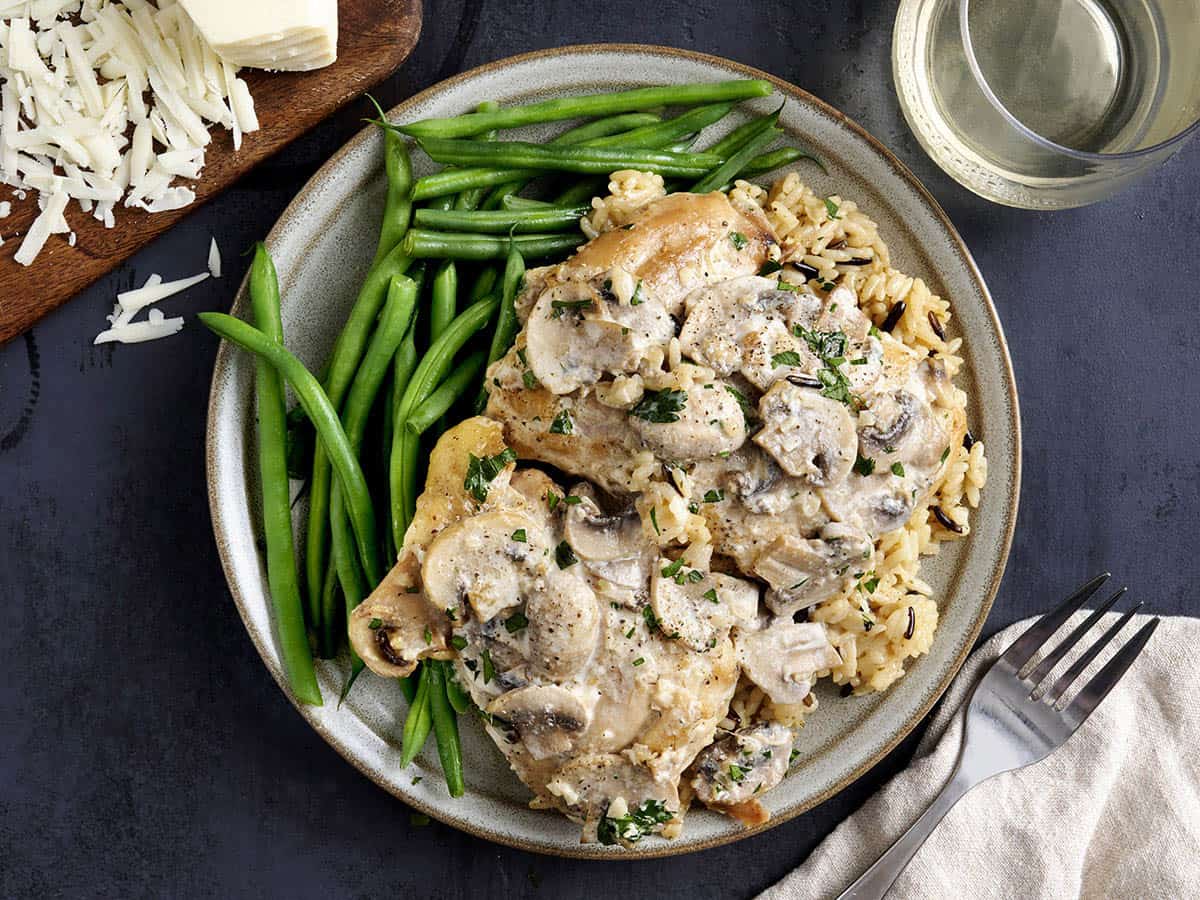
- Low-Carbohydrate Alternatives: For consumers adhering to restrictive caloric or carb-heavy diets, the dish is frequently paired with a large salad or steamed green beans. The richness of the Parmesan-garlic sauce provides enough satiety to compensate for the absence of a traditional starch.
- Flavor Variations: The developer notes that the recipe can be further enriched with the addition of sun-dried tomatoes for acidity, fresh spinach for micronutrient density, or a splash of white wine (such as Pinot Grigio) during the deglazing phase to add complexity to the sauce’s top notes.
Storage and Food Safety Protocols
Proper post-production handling is essential for maintaining the quality of the Creamy Mushroom Chicken. The Nashville Test Kitchen recommends that the dish be cooled to room temperature before being sealed in an airtight container. It can be safely stored in a refrigerated environment for three to four days.
Regarding reheating, the journalistic consensus among culinary experts is that the stovetop remains the superior method. Gentle heat allows the fats in the half-and-half and Parmesan to liquefy slowly without separating. While the microwave is a viable option for time-sensitive scenarios, the use of lower power settings is advised to prevent the chicken from becoming rubbery and the sauce from losing its silky texture.
While freezing is technically safe, it is not recommended as a primary storage method. The crystalline structure of ice formed during freezing can disrupt the emulsion of the dairy, potentially leading to a grainy texture upon thawing.
Broader Implications for the Home Cooking Industry
The success of the Creamy Mushroom Chicken recipe reflects a broader trend in the 2020s culinary landscape: the "democratization of the gourmet." As restaurant prices continue to rise, consumers are increasingly seeking "skillet solutions" that offer restaurant-quality flavors—specifically the French-inspired pan sauce—within a budget-friendly and time-efficient framework.
By focusing on the science of the pan sauce and the economics of ingredient substitution, the Nashville Test Kitchen has provided a model for sustainable home dining. This dish demonstrates that the transition from a "simple chicken thigh" to a "cozy dinner" is not a matter of expensive ingredients, but of technical precision and strategic flavor layering. As home cooks continue to navigate economic pressures, recipes that prioritize cost-per-serving without sacrificing the sensory experience of a "rich and savory" meal are expected to remain at the forefront of digital culinary media.
